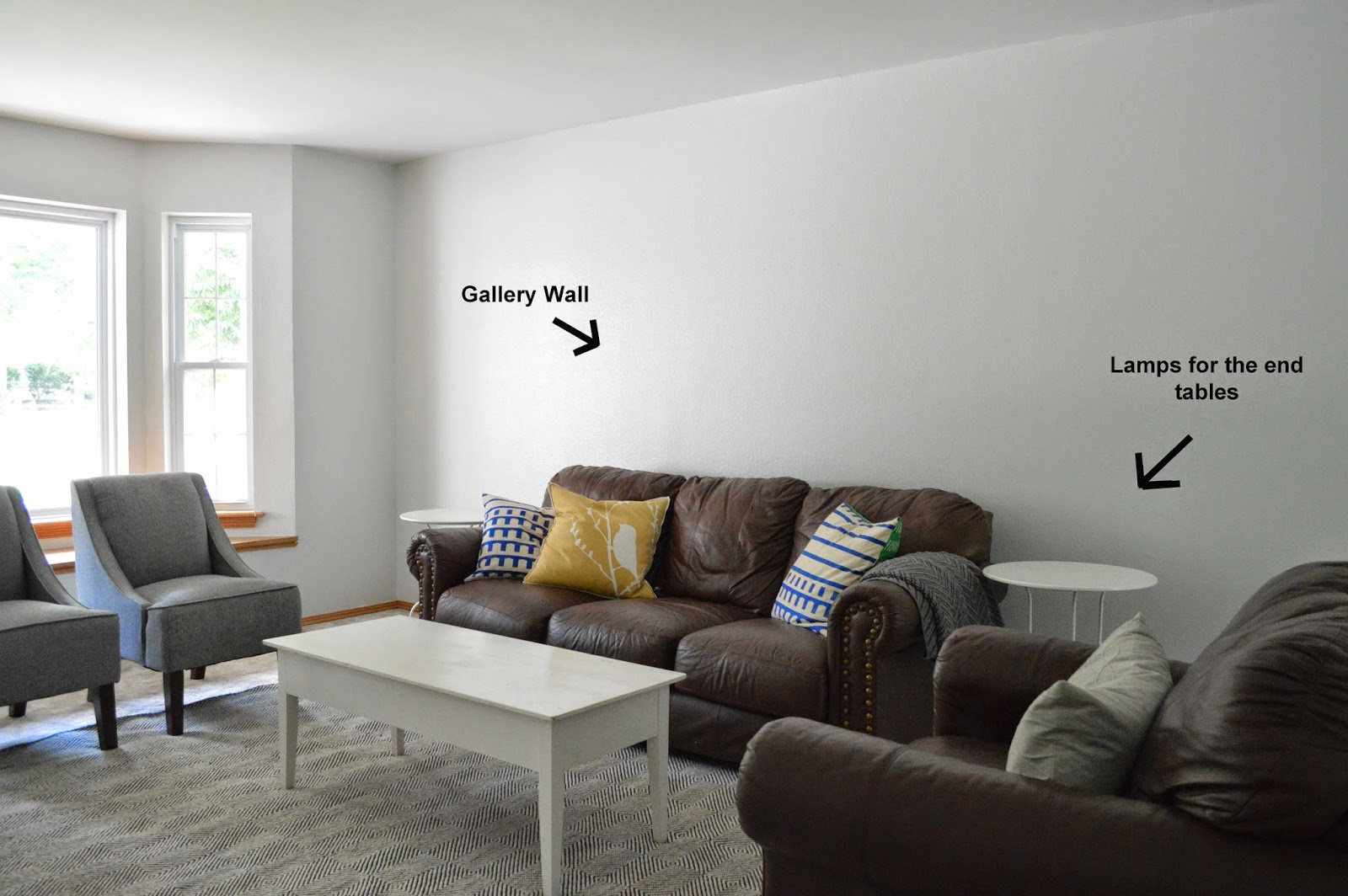
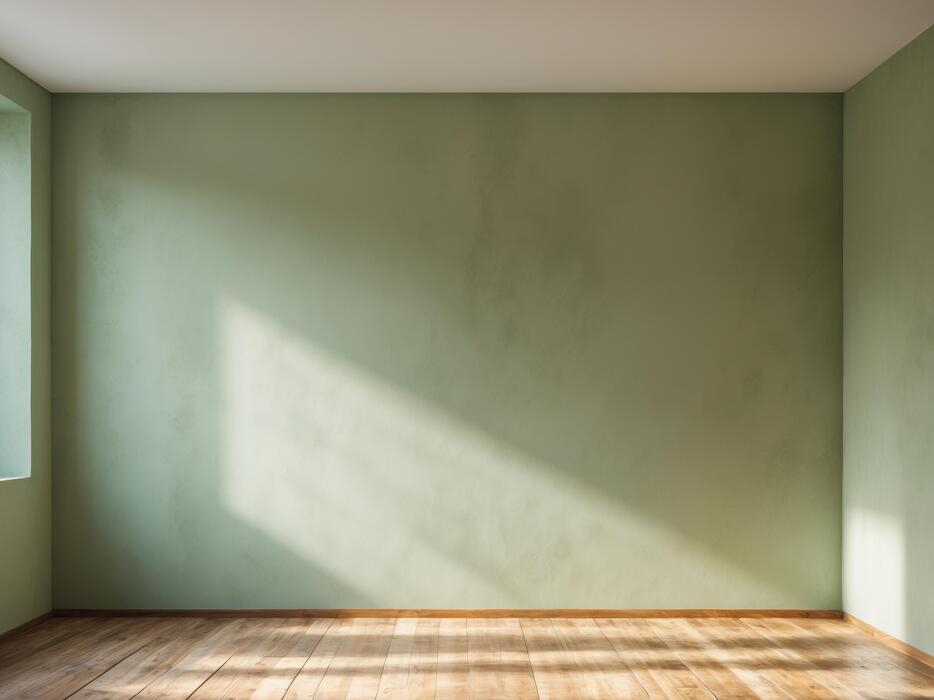
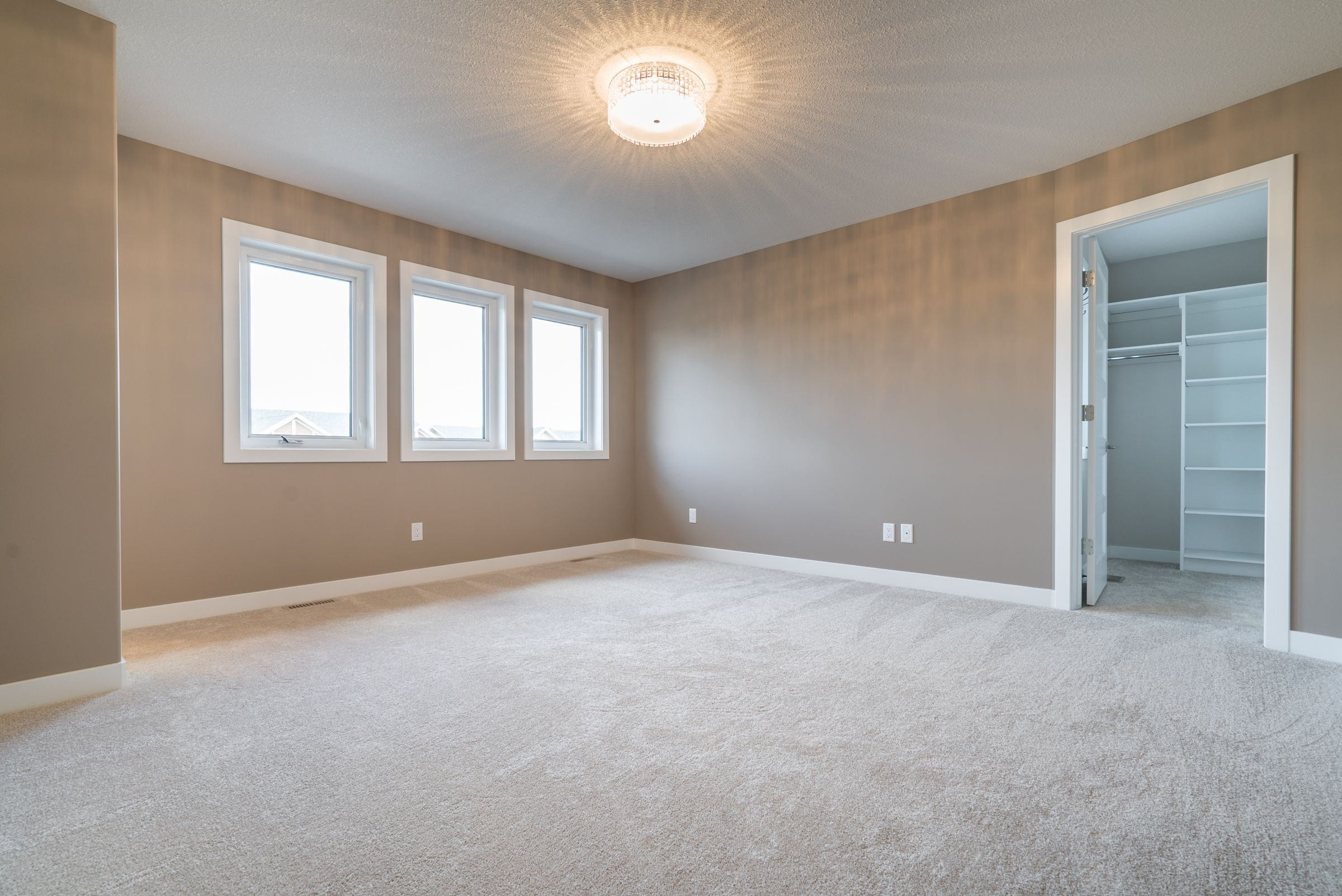
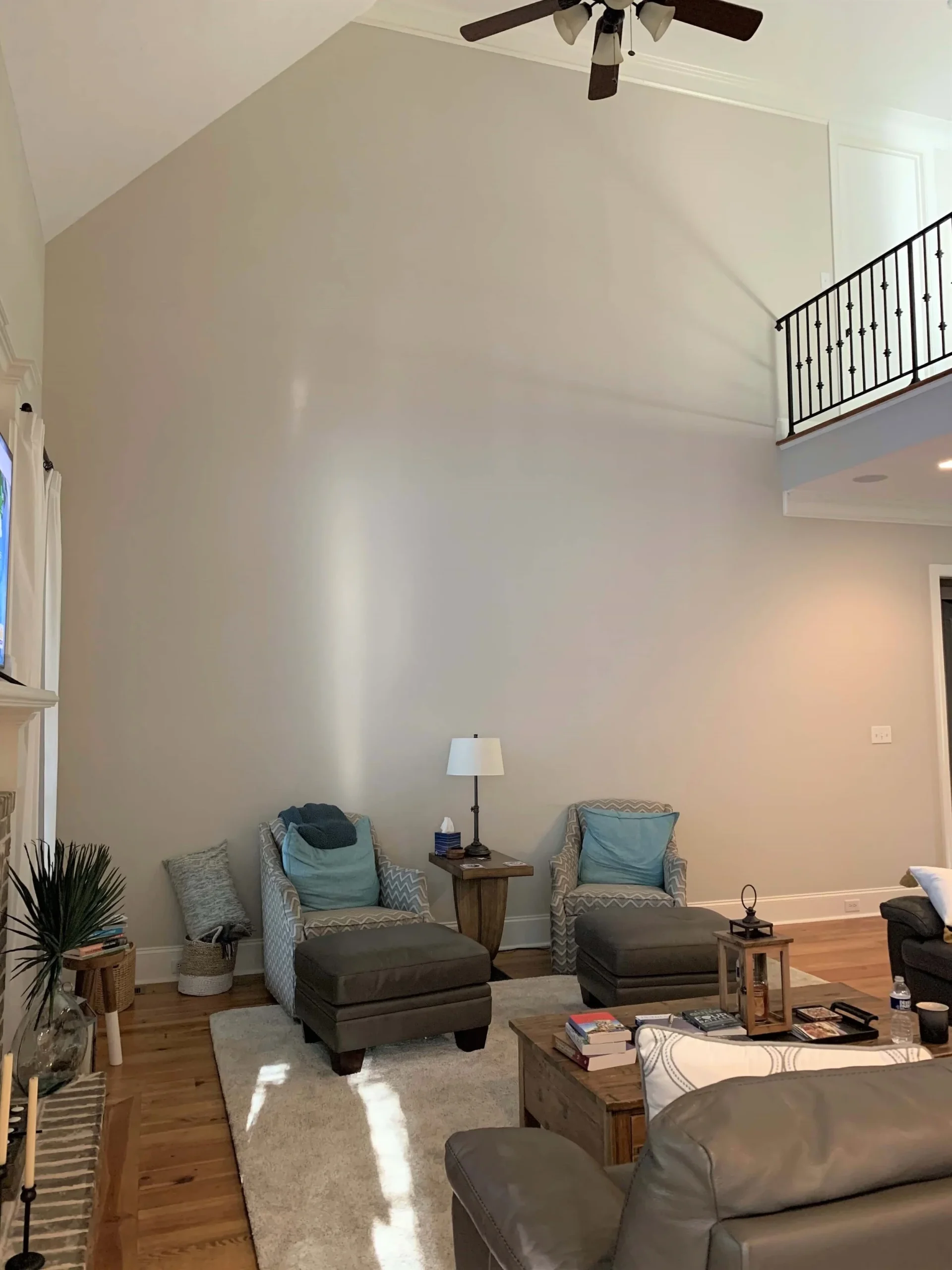
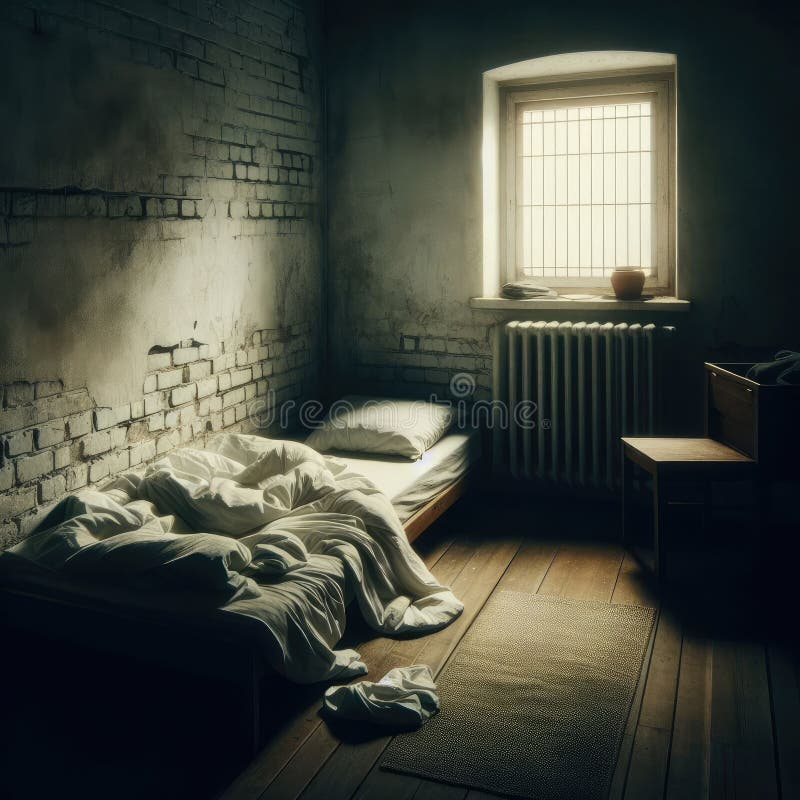
The alarm goes off at 6:30 AM, and you stare blankly at the expanse of builder-grade, eggshell-white drywall hovering above your headboard. You have lived in this house for four years, maybe seven. You painted the kitchen a moody charcoal, updated the living room with custom built-ins, and curated the entryway. Yet, your master bedroom remains a visual wasteland of ghostly plaster, serving as a holding zone for stray hangers, half-empty water glasses, and deferred design decisions. It is the room you retreat to for rest, but it offers your eyes nothing to hold onto, nothing to soothe the nervous system, and nothing that feels remotely finished.
We treat the master bedroom as the ultimate interior design afterthought. Because guests rarely venture past the hallway powder room, we prioritize public-facing spaces, starving our most intimate quarters of aesthetic nourishment. We live behind a defensive perimeter of blank surfaces, convincing ourselves that simplicity equals neutrality, or that we simply "haven’t had the time." But a room with unaddressed vertical surfaces speaks to a quiet procrastination. It tells a story of domestic suspension—a space where you are merely camping out in your own life.
When you finally break that inertia and stop treating your bedroom walls as a blank slate to be dealt with "someday," the physics of the room shifts. The acoustic echo vanishes. The harsh, bouncing morning glare softens into a moody, theatrical embrace. Addressing those vertical planes does more than just fill an empty visual void; it fundamentally reprograms how you experience sanctuary, changing the psychological weight of the room from a temporary dormitory into a deeply grounded, intentional habitat.
The Psychological Architecture of Neglected Vertical Space
For years, spatial psychologists have studied how blank perimeters impact human cortisol levels and sleep hygiene. When a room lacks focal points, visual weight, or textural diversity, the human eye wanders restlessly, scanning for boundaries that aren’t clearly articulated. In a master bedroom—a space engineered by evolution and design for hyper-vigilance reduction—empty, glaring white walls can unconsciously trigger a subtle sense of exposure. You are sleeping inside an unanchored vacuum, where sound bounces off hard drywall and light bounces indiscriminately, disrupting the brain’s transition into deep restorative sleep cycles.
Conversely, treating your walls introduces boundaries, tactile warmth, and visual closure. When you wrap a bedroom in color, texture, or millwork, you are effectively constructing a protective cocoon. This architectural boundary-setting acts as a psychological off-switch for the day’s stress. The brain registers a finished perimeter as a signal of safety and containment. It is the difference between sleeping in an open field under harsh floodlights and resting inside a sheltered, timber-framed cabin.
Beyond biology, there is the quiet erosion of self-care that comes with living among unfinished walls. Every time you walk past a bare expanse of plaster that you intended to paint three summers ago, it registers as an uncompleted mental loop. Our homes are external mirrors of our internal state; leaving rooms half-done trains us to tolerate background friction. When you finally commit to your bedroom walls, you are engaging in a radical act of domestic completion. You are declaring that your private sanctuary deserves the same level of curatorial love as the spaces you show off to the outside world.
Moving Beyond Flat Paint: The Material Revolution in Modern Bedrooms
For generations, solving the "blank wall problem" meant opening a gallon of beige latex and rolling it uniformly across four flat planes. Today, interior architecture has evolved past the tyranny of the flat-paint roller. Modern master bedrooms demand texture, shadow play, and material honesty. We are seeing a massive pivot away from sterile drywall toward surfaces that invite touch—limewash, Venetian plaster, acoustic wood slatting, fabric wall-coverings, and heavy tactile moldings that catch and diffuse light throughout the day.
Choosing the right material requires understanding how light interacts with your specific exposure. A north-facing bedroom receives cool, blue-tinted natural light that can make stark whites look icy and unwelcoming; here, introducing organic, heavy-textured lime wash in warm terracotta or rich mushroom tones warms the atmosphere instantly. A south-facing room, flooded with blinding golden hour beams, can handle deep, saturated jewel tones like hunter green, ink navy, or aubergine without feeling claustrophobic. The walls cease to be flat barriers; they become dynamic canvases that shift character from sunrise to midnight.
Furthermore, integrating architectural elements like board-and-batten, picture frame molding, or tongue-and-groove paneling introduces rhythm to the room. Rhythm is the secret ingredient of high-end residential design. It breaks up the monotony of flat geometry, creating shadows and highlights that give the room structural bones. When you stop relying solely on framed art to save a boring wall and instead invest in the wall itself as the primary artwork, the entire scale of the room expands.
The Step-by-Step Blueprint for Transforming Your Bedroom Walls
Tackling a master bedroom requires a methodical strategy to avoid choice paralysis. You cannot simply throw up wallpaper and hope for the best; you have to evaluate scale, lighting, and functional layout before touching a tool. Here is the field-tested roadmap to systematically conquering your bedroom walls:
- Step 1 (Surface Audit and Patching): Before any aesthetic decisions are made, inspect the drywall for hairline cracks, nail pops, and uneven texture. Prime and patch every imperfection, because dark paints or specialty plasters will ruthlessly amplify underlying flaws under low-angle bedroom lighting.
- Step 2 (The Headboard Wall Anchor Decision): Designate your primary focal wall—almost always the wall against which the bed rests. Decide whether this wall will feature an architectural treatment (such as vertical wood slats or custom millwork) or a saturated color block, keeping in mind that you want to avoid competing elements if your headboard is already ornate.
- Step 3 (Lighting and Shadow Mapping): Evaluate how light hits your walls across 24 hours. Install dimmers on existing overhead fixtures and plan for ambient wall sconces. Test physical paint or texture samples directly on the wall, observing them at 8:00 AM, 2:00 PM, and 9:00 PM before committing.
- Step 4 (Application and Texture Layering): Execute your chosen finish—whether it is applying a breathable lime wash using a cross-hatch brush technique, installing tongue-and-groove boards, or hanging heavy, un-pasted grasscloth wallpaper. Work methodically in manageable sections to ensure consistent texture.
- Step 5 (Art, Sconces, and Negative Space): Once the base wall treatment is cured, carefully curate what goes back onto the surface. Leave strategic areas of negative space so the eye can rest; hang art slightly lower than gallery standards (center point at approximately 57 to 60 inches from the floor) to maintain an intimate, human-scale coziness.
Navigating Common Pitfalls and Design Missteps
Even enthusiastic homeowners often stumble when they finally decide to address their bedroom walls, falling into traps that make the space feel chaotic rather than curated. Recognizing these missteps beforehand saves you from expensive do-overs and weekend frustration.
- Pitfall 1 (Ignoring Scale and Ceiling Height): Putting tiny, scattered art pieces on a massive master bedroom wall creates visual clutter. Workaround: Anchor large walls with oversized, singular art statements or continuous floor-to-ceiling vertical millwork that draws the eye upward, making standard 8-foot ceilings feel remarkably grand.
- Pitfall 2 (Over-Matching the Palette): Matching your wall color identically to your bedding, drapes, and headboard creates a flat, institutional monotony. Workaround: Embrace tonal variation and contrast. If your walls are deep charcoal, introduce warm oak wood tones, brass hardware, and crisp linen textiles to keep the room breathing.
- Pitfall 3 (Rushing Surface Preparation): Slap-dash painting over dusty, unprimed drywall or textured patches leads to peeling finishes and uneven sheen. Workaround: Invest the necessary time in sanding, washing, and applying a dedicated PVA drywall primer or stain-blocking primer, especially when transitioning to matte or dark paints.
- Pitfall 4 (Neglecting Acoustic Control): Creating a beautiful bedroom with hard wood floors and stark plaster walls often results in an annoying echo chamber. Workaround: Incorporate sound-absorbing wall treatments like upholstered panels, cork backing beneath wallpaper, or sloped acoustic wood slats to deaden ambient noise and improve sleep quality.
- Pitfall 5 (Literal Blindness to Lighting Color Temperature): Selecting a moody, expensive paint color under fluorescent hardware store lights, only to find it looks muddy and green at night under warm bulbs. Workaround: Always view your large-format wall samples under your bedroom’s actual lighting bulbs (aiming for a warm 2700K color temperature) over a 48-hour period.
The Broader Impact: Economic Value and Sanctuary Economics
Investing time and capital into your master bedroom walls yields returns that extend far beyond immediate visual gratification. In contemporary residential real estate markets, buyers can intuitively sense when a home has been lived in with intentionality versus when it has been neglected. A primary suite with custom wall treatments, thoughtful molding, or sophisticated color drenching signals to future buyers that the property has been meticulously maintained at every level, elevating the perceived value of the entire home.
Moreover, we are currently experiencing a cultural shift toward "sanctuary economics"—the idea that spending money to optimize our private, domestic spaces for mental health and deep rest is the ultimate luxury investment. In an era dominated by hyper-connectivity and public performance, the master bedroom is the last true domestic fortress. When you invest in upgrading its vertical perimeters, you are rejecting the sterile, rental-grade aesthetic that treats homes as interchangeable waystations. You are building a permanent container for your life, anchoring yourself to a physical space that actively nurtures your well-being.
This physical transformation also alters our daily behavioral loops. When a bedroom feels like a high-end boutique hotel or a serene retreat, our habits around it change. We begin making the bed religiously because the unmade sheets now clash with the sophistication of the walls. We keep clutter off the floor because the negative space on the newly finished walls demands respect. The room begins to command a higher standard of living from you, gently nudging your daily routines toward order and calm.
Strategic Frameworks for Long-Term Bedroom Wall Maintenance
Once you have conquered your master bedroom walls, maintaining that investment requires understanding the lifecycle of your chosen finishes. Different wall treatments age differently, and knowing how to care for them ensures your sanctuary remains pristine for years to come without requiring a total overhaul every season.
For painted drywall using modern ultra-matte or washable acrylic paints, maintenance is primarily about spot-cleaning without leaving burnished shiny spots. Always keep a labeled half-pint of your exact wall formulation tucked away in the closet, along with a high-density foam roller for seamless touch-ups that blend invisibly into the surrounding matte sheen.
If you chose textured finishes like limewash or Venetian plaster, embrace their organic patination. These mineral-based coatings are breathable and actually harden over time through carbonation, but they cannot be aggressively scrubbed with harsh chemical agents. Dust them periodically with a clean microfiber duster or a soft brush attachment on your vacuum. Should a mark occur, a gentle dab with a damp cloth is usually sufficient to blend it back into the cloud-like movement of the plaster.
For wood slatting or millwork, keep an eye on seasonal humidity shifts. Master bedrooms experience moisture fluctuations from breathing and sleeping, which can cause natural wood to expand or contract slightly. Dust the grooves with compressed air or a detailing brush during your seasonal deep cleans, and inspect caulked seams annually to ensure no hairline cracks have developed where the wood meets the baseboards or ceiling trim.
Stopping the cycle of ignoring your master bedroom walls is more than a weekend DIY project; it is a declaration of domestic agency. It is the moment you stop treating your private life as a secondary priority and start designing your environment from the inside out. That bare expanse of drywall has waited long enough, holding space for your indecision while the rest of the house evolved around it.
When you finally pick up the brush, install the panels, or roll out the textured paper, you are closing a loop of procrastination that has silently drained your visual energy for years. You are replacing emptiness with intention, and echo with acoustics. Step back, look at the finished planes framing your bed, and feel the room finally settle around you. Your sanctuary is no longer waiting for permission to exist; it is here, completely finished, holding space for the rest of your life.