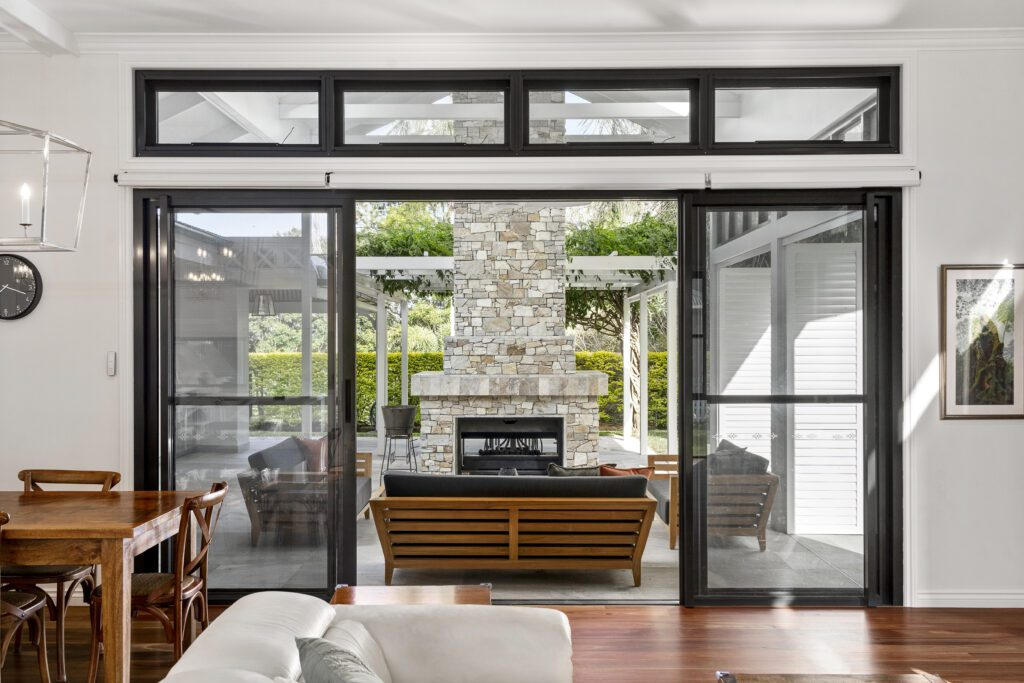
Stepping across your threshold after a grueling twelve-hour workday should feel less like entering an operational zone and more like sinking into a warm bath. Yet, far too many living spaces in 2026 still suffer from the architectural hangover of cold minimalism—harsh overhead LED arrays, stark white drywall that bounces sound like an indoor squash court, and furniture arranged purely for optical width rather than bodily comfort. You walk in, drop your keys, and instead of shedding the tension of the outside world, your shoulders creep up toward your ears in response to the sterile geometry surrounding you.
The remedy does not require tearing down load-bearing walls, hiring a high-fee interior designer, or maxing out credit cards at high-end furniture showrooms. True residential coziness lives in the micro-adjustments: the Kelvin temperature of a corner bulb, the tactile friction of a heavy wool throw draped over an unforgiving leather sofa, or the acoustic dampening power of thrifted tapestries hung strategically against hollow plaster walls. When you approach your home as an ecosystem of sensory inputs rather than a static showroom, everything shifts.
This comprehensive guide brings together fifty field-tested, highly specific home hacks designed to recalibrate your environment. We are moving past generic advice to examine the physics of light, the chemistry of scent, the psychology of clutter, and the structural mechanics of making a boxy room feel like a deeply secure, cocoon-like refuge.
The Architectural Psychology of Sanctuary and Comfort
Creating a cozy environment begins by understanding how the human nervous system evaluates interior space. Evolutionary psychology tells us that our brains are hardwired to scan for safety; open, unprotected spaces with glaring light sources trigger low-grade vigilance, whereas enclosed, softly illuminated zones trigger parasympathetic relaxation. In 2026, interior design has pivoted sharply away from the cavernous open-concept layouts of the previous decade toward "broken-plan" living, where distinct zones offer psychological shelter.
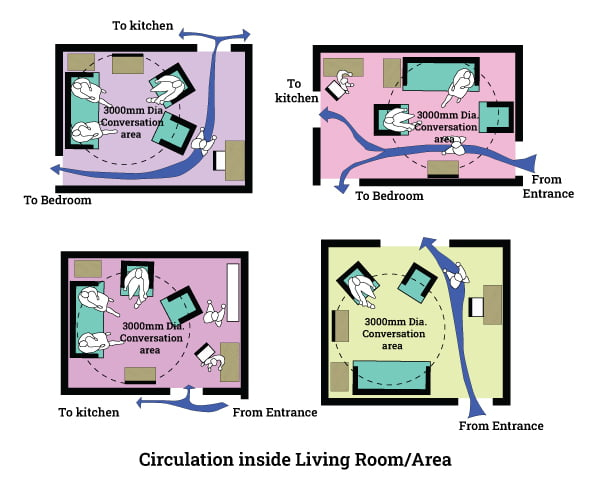
Achieving this protective atmosphere relies heavily on managing sightlines and perimeter definition. When you sit on your sofa, your back should ideally be anchored against a solid wall or a high-backed piece of furniture, a principle interior designers call "refuge and prospect." Furthermore, acoustic management plays a staggering role in perceived coziness. Hardwood floors, minimalist glass tables, and bare walls reflect sound waves, creating an invisible cacophony of high-frequency echo that keeps the nervous system slightly on edge. Introducing sound-absorbent materials—such as dense wool rugs, cork backing on wall art, and heavy linen drapery—instantly drops the ambient decibel level, creating a hushed, library-like serenity.
Lighting is the ultimate variable in this psychological equation. The human eye perceives warmth through color temperature measured in Kelvin (K). While functional workspaces demand crisp daylight temperatures between 4000K and 5000K, a cozy sanctuary requires dropping down to the 2200K to 2700K range, mimicking the amber glow of firelight or incandescent tungsten. By stripping away aggressive overhead glare and distributing pools of low-level light across multiple elevations—floor lamps, table lamps, picture lights, and under-shelf LEDs—you trick the brain into shedding its daily armor.
Fifty Ingenious Micro-Interventions for Maximum Coziness
Transforming a home does not happen overnight through grand gestures; it accumulates through dozens of micro-interventions executed with intention. The following fifty hacks span lighting, textiles, scent, organization, and spatial layout, providing an exhaustive toolkit for upgrading your environment without breaking the bank.
- Hack 1 (Swap to Amber Smart Bulbs): Replace all standard LED bulbs in living areas with smart bulbs locked to 2400K to instantly eliminate clinical blue light.
- Hack 2 (Layer Area Rugs): Place a smaller, highly textured vintage runner or sheepskin directly over a neutral, flat-weave jute rug to anchor seating areas and add underfoot plushness.
- Hack 3 (Weighted Blanket Disguise): Drape a heavy therapeutic weighted blanket inside a high-end linen duvet cover over your armchair for accessible, anxiety-relieving comfort.
- Hack 4 (Corduroy Cushion Swaps): Swap slick polyester pillow covers for wide-wale corduroy or heavy velvet to introduce tactile friction and visual depth.
- Hack 5 (Dimmable Plug-in Sconces): Install plug-in wall sconces flanking your bed or sofa using adhesive cable channels, bypassing the need for hardwiring.
- Hack 6 (Faux Fireplace Candle Cluster): Fill an unused fireplace hearth with a staggered cluster of pillar candles of varying heights for instant, flickering warmth without smoke.
- Hack 7 (Bookshelf Depth Staggering): Push books back unevenly on shelves and place small trailing plants or framed photos in front to create dimensional layering.
- Hack 8 (Tension Rod Café Curtains): Hang lightweight linen café curtains halfway up your kitchen or study windows to soften harsh exterior glare while preserving privacy.
- Hack 9 (Upholstered Headboard Hack): Wrap an existing wooden or metal headboard in heavy batting and staple durable tweed or bouclé fabric over it.
- Hack 10 (Acoustic Art Paneling): Hide cheap acoustic foam panels behind stretched thrift-store canvas paintings to deaden room echo while displaying art.
- Hack 11 (Oversized Throw Anchoring): Purchase a king-size throw blanket instead of a standard size so it pools luxuriously onto the floor around your sofa base.
- Hack 12 (Under-Cabinet Warm LED Strips): Apply warm-white LED ribbon lights beneath kitchen upper cabinets to eliminate shadow and provide comforting counter illumination.
- Hack 13 (Scent Zoning Strategy): Use specific, earthy essential oil blends (cedarwood, vetiver, and black pepper) to anchor relaxation zones away from citrus kitchen scents.
- Hack 14 (Floor-Length Mirror Angling): Lean an oversized, thrifted wooden-framed mirror against a dark wall to bounce warm lamplight deep into the room.
- Hack 15 (Heavy Brass Curtain Rings): Replace plastic drapery rings with heavy, weighted brass or iron rings that produce a satisfying glide sound when pulled.
- Hack 16 (Velvet Door Draft Blockers): Fill a long velvet tube with dried beans or rice to block cold air drafts at the base of exterior-facing doors.
- Hack 17 (Matte Dark Paint Accents): Paint a single small nook or alcove in a cocooning, high-pigment matte hue like deep olive, charcoal, or muddy terracotta.
- Hack 18 (Trailing Plant Greenery Anchors): Mount pothos or philodendron vines high on bookshelves so their tendrils visually soften harsh vertical corners.
- Hack 19 (Vintage Brass Dimmer Candelabras): Use battery-operated taper candles with magnetic remote controls inside antique brass holders on dining tables.
- Hack 20 (Ribbed Glass Cabinet Film): Apply translucent ribbed or reeded privacy window film to upper cabinet glass doors to obscure cluttered dishware.
- Hack 21 (Textured Ceramic Tray Groupings): Group remotes, candles, and matches on a heavy stone or unglazed ceramic tray to eliminate visual clutter on coffee tables.
- Hack 22 (Knob and Pull Upgrades): Swap cheap builder-grade cabinet hardware for heavy, unlacquered brass or matte black pulls that develop a rich patina.
- Hack 23 (Plush Bathmat Layering): Place an ultra-thick, hotel-weight cotton bathmat over cold tile flooring to shock-proof bare feet in the morning.
- Hack 24 (Recessed Picture Ledge Lighting): Install battery-powered magnetic picture lights above family photo collages to cast intimate pools of light downward.
- Hack 25 (Basket Storage for Clutter): House loose cables, yoga mats, and children’s toys in oversized, tightly woven seagrass baskets within arm’s reach.
- Hack 26 (Faux Leather Wrap for Tissue Boxes): Slide cardboard tissue boxes into structured leather or felt sleeves that match your living room upholstery.
- Hack 27 (Double Curtain Rod Layering): Hang sheer linen curtains on an inner rod and heavy blackout velvet curtains on an outer rod for ultimate light control.
- Hack 28 (Desk Lamp Bulb Downgrading): Use a low-wattage amber Edison bulb in your home office desk lamp to soften late-night administrative work.
- Hack 29 (Wool Dryer Ball Scents): Infuse wool laundry dryer balls with cedar or sandalwood oil so your bedsheets continuously release subtle, calming aromas.
- Hack 30 (Hearthside Wood Stacking): Stack neatly cut, dry birch logs in a decorative black metal rack next to the living room radiator, even if the fireplace is non-functional.
- Hack 31 (Staircase Runner Installation): Staple a dense wool carpet runner down wooden basement or hallway stairs to deaden footsteps and add visual warmth.
- Hack 32 (Warm-Toned Lamp Shades): Swap stark white lamp shades for cream-colored silk, burlap, or amber glass shades that diffuse a golden glow.
- Hack 33 (Plinth Base Furniture Risers): Elevate low-profile modern sofas slightly using solid wood blocks to make the furniture feel more grounded and substantial.
- Hack 34 (Framed Vintage Botanical Prints): Group inexpensive thrift-store botanical textbook pages in dark wooden frames to ground walls with organic history.
- Hack 35 (Weighted Doorstops): Replace unsightly plastic wedges with heavy leather bean-bag doorstops that double as tactile room accents.
- Hack 36 (Under-Bed Storage Skirts): Hide plastic storage bins beneath beds with custom-tailored linen box-pleat bed skirts that reach the floor cleanly.
- Hack 37 (Matte Ceramic Coffee Mugs): Store heavy, unglazed ceramic mugs on an open wooden kitchen shelf for accessible, tactile morning rituals.
- Hack 38 (Pillow Chopping Technique): Fluff feather-insert throw pillows by striking them downward from the top to create the coveted luxury "designer chop."
- Hack 39 (Threshold Reed Diffusers): Place subtle amber-glass reed diffusers right at the entryway so a calming scent greets you instantly upon arrival.
- Hack 40 (Book Page Yellowing Trick): Embrace vintage paperbacks with warm, aged cream pages rather than crisp white paperbacks on living room display tables.
- Hack 41 (Cork Tile Bulletin Boards): Cover a utilitarian office wall in thick cork tiles to pin inspiration while adding natural sound-dampening insulation.
- Hack 42 (Weighted Napkin Rings): Use heavy metal or leather napkin rings on dining tables to elevate everyday meals into intentional rituals.
- Hack 43 (Layered Lighting Timers): Program smart plugs to automatically switch on ambient table lamps thirty minutes before sunset every evening.
- Hack 44 (Felt Pads on Everything): Stick thick felt furniture pads under every chair leg and table foot to eliminate screeching sounds on hard floors.
- Hack 45 (Textured Throw Pillow Mixing): Mix smooth velvet, nubby boucle, raw linen, and chunky knit pillows together on a single couch to maximize textural contrast.
- Hack 46 (Window Sill Herb Trunks): Grow culinary rosemary and thyme in heavy terracotta pots on kitchen windowsills for organic fragrance and cooking utility.
- Hack 47 (Matte Black Outlet Covers): Replace glaring white plastic electrical outlet covers with matte black or aged bronze plates that recede into dark walls.
- Hack 48 (Ribbed Pillar Candle Holders): Place heavy concrete or carved stone holders under thick, unscented pillar candles on side tables.
- Hack 49 (Upcycled Glass Jar Vases): Remove labels from dark amber apothecary bottles and use them as single-stem flower vases across windowsills.
- Hack 50 (Bedside Water Carafe Sets): Keep a heavy, smoke-gray glass carafe and matching tumbler on your nightstand to eliminate plastic water bottles and clunky glassware.
Step-by-Step Implementation for Rapid Room Transformation
Executing fifty hacks at once is a recipe for decision fatigue. Instead, approach your home transformation through a phased, highly structured weekend protocol. By breaking the process into distinct operational stages, you maintain momentum while thoroughly vetting each change for long-term comfort.
- Step 1 (The Sensory Audit and De-Cluttering Phase): Walk through your home at dusk, turning on every light you normally use, and take honest stock of glaring bulbs, echoing sounds, and exposed plastic items. Box up and remove all items that trigger visual stress or fail to serve a functional or deeply aesthetic purpose.
- Step 2 (The Lighting Realignment): Systematically replace all high-Kelvin bulbs in primary living spaces with 2400K–2700K alternatives. Introduce at least two new low-level light sources—such as a corner floor lamp or a dimmable table lamp—to eliminate harsh overhead ceiling fixtures entirely during evening hours.
- Step 3 (Textural and Acoustic Layering): Introduce tactile variety by layering rugs, adding heavy wool or velvet throw blankets, and hanging dense fabric drapery. Install adhesive acoustic solutions or position large bookshelves against hollow interior walls to immediately deaden sharp room echoes.
- Step 4 (Scent and Micro-Atmosphere Calibration): Establish distinct olfactory zones using high-grade essential oils or amber-glass reed diffusers. Replace slick, synthetic home accessories with natural materials like unlacquered brass, raw ceramic, heavy stone, and woven seagrass.
- Step 5 (Final Maintenance and Ritual Integration): Program automated smart plugs to control your ambient lighting schedule and establish daily closing routines—such as fluffing pillows, lighting a pillar candle, and turning off overhead fixtures—to lock in your cozy sanctuary habits permanently.
Common Pitfalls and Field-Tested Workarounds
Even the most enthusiastic home improver can stumble into traps that inadvertently make a room feel chaotic rather than cozy. Recognizing these hidden hazards before you pick up a paintbrush or buy a throw blanket saves both time and money.
- Pitfall 1 (Over-Lighting the Perimeter): Placing too many bright lamps at eye level creates a glaring runway effect rather than a cozy cave. Workaround: Restrict lighting to three distinct height tiers—low floor level, mid table level, and accent wall level—while keeping total lumen counts modest and heavily diffused.
- Pitfall 2 (Homogeneous Textures): Buying an entire matching sofa, loveseat, and armchair set in the exact same smooth microfiber fabric creates visual flatness. Workaround: Follow the "rule of four textures"—ensure every seating area incorporates at least four distinct tactile surfaces, such as leather, bouclé, raw wood, and heavy linen.
- Pitfall 3 (Ignoring Acoustic Reflection): Adding aesthetic items without addressing hard tile floors and bare drywall leaves rooms sounding hollow and cold. Workaround: Layer thick underlays beneath area rugs and hang fabric-wrapped sound panels behind unassuming wall art to absorb ambient noise.
- Pitfall 4 (Clutter Disguised as Coziness): Piling dozens of small decorative trinkets on every flat surface in an attempt to look "lived-in" often produces visual anxiety. Workaround: Consolidate smaller items onto large wooden trays or inside woven baskets, leaving at least forty percent of flat surfaces completely bare.
- Pitfall 5 (Synthetic Scent Overload): Using heavy, chemical-laden plug-in air fresheners can trigger headaches and pollute indoor air quality. Workaround: Rely exclusively on natural beeswax candles, unrefined essential oil diffusers, and fresh green botanicals for clean, grounding aromas.
The Long-Term Economics and Sustainability of a Cozy Home
Investing in the coziness of your living space yields profound dividends that extend far beyond immediate aesthetic satisfaction. In an era marked by digital fatigue and economic unpredictability, the home has reclaimed its historical role as a primary center of restoration. When your environment actively lowers your cortisol levels, you rely less on external consumption for comfort; you naturally choose to spend more restorative evenings reading, cooking, and connecting with loved ones within your own walls.
From a financial perspective, focusing on micro-hacks and natural materials proves remarkably sustainable. Thrift stores, estate sales, and antique markets offer an endless supply of heavy brass candlesticks, vintage wool blankets, and solid oak picture frames that outlast mass-produced plastic decor by decades. By repairing, repurposing, and choosing high-utility items that engage multiple senses, you build a resilient, timeless interior that resists the rapid churn of fast-decor trends.
Ultimately, a cozy home is not defined by square footage or budget size. It is engineered through deliberate choices regarding how light travels across a room, how sound behaves against a wall, and how textures feel beneath your fingertips after a demanding day. By taking control of these sensory variables, you transform your living space from a mere physical shelter into an enduring sanctuary of personal peace.
As you begin implementing these genius hacks throughout your living space, remember that coziness is an evolving practice rather than a finished checklist item. Your home should breathe and shift alongside your life, adapting to changing seasons, shifting moods, and new personal rituals. Give yourself permission to experiment, to move furniture on a whim, and to prioritize your own tactile and visual comfort above rigid design rules.
Step back, turn off the blinding overhead glare, strike a match to a pillar candle, and let your shoulders drop. Your sanctuary is waiting.