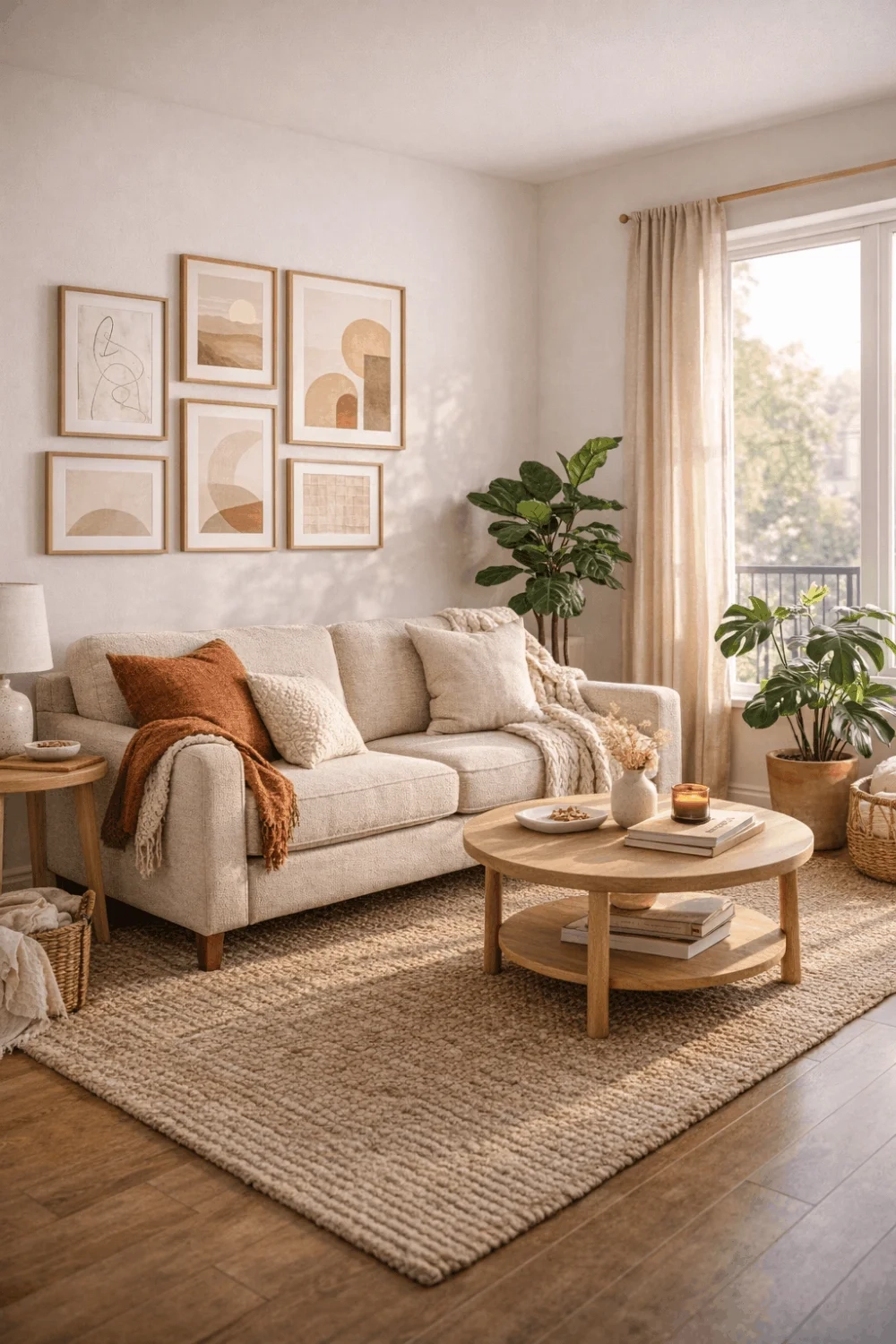
Stepping into a high-end designer interior rarely feels like walking through a retail showroom. Instead, luxury spaces carry an unspoken gravity—an intentionality where every texture, shadow, and surface feels precisely considered. Most people assume this aesthetic requires an unlimited bank account, endless shipments of custom furniture, and the services of an elite architectural firm. Yet, the reality of high-end interior design relies far more on curation, scale, and proportion than sheer financial capital.
The primary barrier to achieving a high-end look at home is rarely a lack of money; it is the presence of visual noise. Standard developer-grade finishes—shiny brass doorknobs, flat builder-grade white walls, and skimpy baseboards—quietly signal mass production. When you begin to eliminate these visual shortcuts and replace them with intentional, architectural details, your entire environment shifts. You do not need a massive renovation budget to create a sanctuary that breathes luxury; you just need to understand the structural levers that trick the human eye into perceiving high value.
Decoding luxury comes down to understanding how light, scale, and material interact within a physical space. In recent years, the democratization of design tools—including advanced spatial visualization apps and direct-to-consumer material sourcing—has made professional-grade aesthetics accessible to anyone willing to trade fast-furniture consumption for deliberate editing. Whether you are living in a suburban rental or a mid-century fixer-upper, transforming your living space into an opulent retreat is entirely achievable with a tactical, disciplined approach.
The Architecture of Illusions: Mastering Scale, Proportion, and Spatial Flow
Luxury spaces breathe because they respect negative space and architectural proportion. Walk into any multimillion-dollar residence, and you will notice an absence of cramped furniture arrangements and undersized decor items. The most common amateur mistake is populating a room with postage-stamp accessories and low-slung, floating furniture that shrinks the perceived volume of the room. High-end design scales upward, drawing the eye toward the ceiling and commanding the full footprint of the architecture.
Window treatments serve as one of the most powerful leverage points for manipulating spatial perception. Standard retail curtains hung precisely at the top of a window frame cut the wall in half and truncate the room’s height. Designers circumvent this by mounting heavy drapery rods six inches below the ceiling line—or right at the crown molding—and extending them outward past the window frame by at least ten to twelve inches on each side. When floor-to-ceiling drapery pools slightly on the floor or grazes the hardwoods, it tricks the eye into registering massive, expansive windows, instantly elevating a modest room into a grand salon.
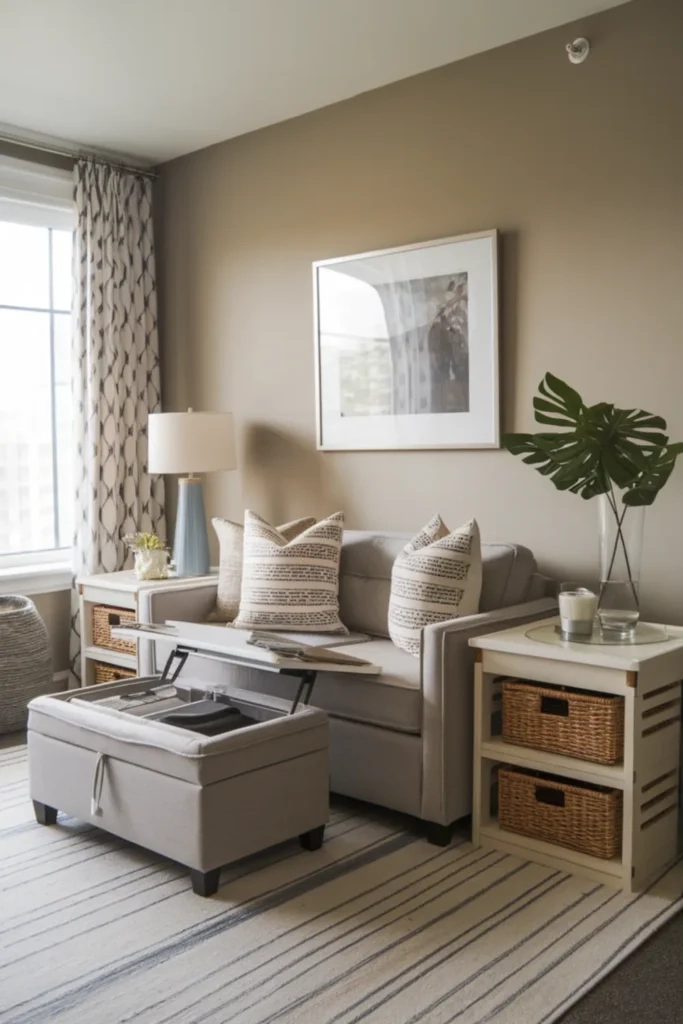
Furniture scale requires an equally rigorous overhaul. Pulling sofas away from the walls creates breathing room, establishing a sophisticated perimeter that suggests a sprawling estate rather than a cramped apartment. Choosing fewer, larger statement pieces over an accumulation of small, inexpensive accent tables reduces visual clutter. When every piece of furniture has a defined visual weight and purpose, the room stops looking like a furniture catalog display and starts feeling like an authentic, curated estate.
The Psychology of Color and Muted Tones
Color sets the emotional temperature of a home, but high-end interiors rely heavily on restraint rather than saturated vibrancy. Monochromatic layering is the secret weapon of elite designers. Instead of painting a room a flat, stark white, sophisticated interiors utilize complex neutrals with heavy undertones—taupes, warm clays, muddy charcoals, and chalky ivories that shift dynamically as natural light moves across the room throughout the day.
Flat white paint absorbs light and exposes every drywall imperfection, whereas modern high-performance matte or low-sheen finishes diffuse light softly, creating a velvety, enveloping texture. Painting baseboards, crown molding, and doors the exact same color as the walls—a technique known as color drenching—erases jarring visual boundaries. This trick forces the eye to scan continuously around the perimeter of the room, making small spaces feel expansive, architectural, and deeply expensive.
Ceilings are frequently referred to as the forgotten fifth wall, yet luxury designers treat them as canvases for drama. Painting a ceiling a shade darker than the walls can pull a cavernous room into an intimate, cocoon-like library, while a high-gloss lacquer finish on a small powder room ceiling acts as a mirror, reflecting ambient light downward and doubling the perceived height of the space. Mastering color is not about following strict seasonal palettes; it is about cultivating an atmospheric depth that feels timeless rather than trendy.
Step-by-Step Practical Implementation Guide
Transforming your home requires a methodical approach. Tackling projects in a structured sequence prevents burnout and ensures that structural changes precede cosmetic styling.
- Step 1 (Hardware and Fixture Swap): Replace all standard builder-grade door levers, cabinet pulls, and light switch plates with substantial, weighted hardware in unlacquered brass, aged bronze, or matte black. Heavy metal instantly communicates durability and craftsmanship.
- Step 2 (The High-Mount Drapery Method): Install heavy linen or velvet curtain panels mounted near the ceiling line and extended wide, utilizing double-pronged drapery pins for structured, professional pleating.
- Step 3 (Lighting Layering Strategy): Eliminate harsh overhead ceiling lights and introduce a three-tiered lighting scheme utilizing warm-bulb table lamps, picture lights over art, and floor uplighting with 2400K-2700K LED bulbs.
- Step 4 (Textural Curation and Rug Upgrades): Roll out oversized natural fiber or vintage-look patterned rugs that anchor furniture legs securely, ensuring at least the front legs of every seating piece sit comfortably on the textile.
- Step 5 (Artistic Editing and Styling): Strip down surface clutter and replace mass-produced canvas prints with oversized, budget-friendly thrifted art housed in custom wood frames, styled alongside heavy ceramic vessels and stacked hardback books.
Common Pitfalls and Field-Tested Workarounds
Even with the best intentions, budget-conscious transformations can easily veer into looking cheap if certain operational missteps are made. Recognizing these traps before you lift a paintbrush will save you both time and money.
- Pitfall 1 (Matching Furniture Sets): Buying an entire matching bedroom or living room suite instantly strips a home of personality. Workaround: Mix eras and materials—pair a mid-century modern wood credenza with an antique gilded mirror and a contemporary upholstered sofa to build a collected-over-time narrative.
- Pitfall 2 (Undersized Area Rugs): Floating a tiny rug in the center of a room with all furniture resting completely off of it makes the space feel fragmented and small. Workaround: Layer a budget-friendly sisal or jute rug underneath a smaller, high-end vintage or patterned rug to fill the room’s proportions affordably.
- Pitfall 3 (Relying Solely on Overhead Lighting): Pop-can recessed ceiling lights create flat, unflattering illumination reminiscent of a corporate office. Workaround: Turn off overhead cans permanently and rely on eye-level table lamps, wall sconces, and rechargeable cordless lamps to create intimate pools of warm light.
- Pitfall 4 (Exposed Plastic Cords and Wires): Tangled electronic cords instantly shatter the illusion of a curated sanctuary. Workaround: Route television and lamp wires through wall channels, paint cord covers to match the wall, or house tech gear inside woven baskets with discreet back grommets.
- Pitfall 5 (Literal Interpretation of Minimalism): Stripping a room bare in the name of modern luxury often leaves it feeling cold and unlivable. Workaround: Introduce organic warmth through raw-edge wooden bowls, heavy stoneware, fresh seasonal branches, and rumpled linen throws.
The Economics of Curation: Sourcing Luxury on a Micro-Budget
Achieving an upscale interior on a tight budget requires a shift in procurement strategy. High-end department store decor carries massive markups for brand names and shipping overhead. The savvy decorator treats their home like an ongoing archaeological dig, sourcing high-end materials from unexpected secondary markets. Estate sales, architectural salvage yards, local flea markets, and online peer-to-peer marketplaces are absolute goldmines for solid-wood furniture, heavy brass candlesticks, and genuine oil paintings.
When buying secondhand, look past superficial flaws. A dated, dark cherry wood coffee table can be completely transformed with a palm sander and a matte neutral wood sealer. A chipped ceramic lamp base can be given a high-end plaster or limewash finish using joint compound and acrylic paint, mimicking designer artisan ceramics that retail for hundreds of dollars. The value lies in the raw material composition—solid oak, heavy brass, thick wool, and genuine marble can always be restored, whereas laminated particle board cannot.
Furthermore, investing in fewer, higher-quality anchor pieces creates an aura of affluence that trickles down to budget accessories. A genuine vintage leather armchair or a solid marble-top side table anchors a room so convincingly that the inexpensive throw pillows and thrifted books resting nearby automatically inherit an upscale credibility. It is the contrast between refined anchor elements and humble, curated details that produces an effortlessly sophisticated interior.
Actionable Recommendations for Daily Maintenance and Evolution
Maintaining an expensive-looking home is an active, ongoing practice rather than a one-time project. High-end spaces require disciplined editing and sensory upkeep to sustain their atmospheric weight. Implement a monthly audit of your surfaces, removing items that have accumulated haphazardly—mail, keys, stray charging cables, and random plastic packaging. A truly luxurious space values open, breathing surfaces over crowded displays.
Rotate your decor seasonally to keep the environment feeling dynamic and intentional. Swap heavy velvet cushion covers for washed linen when summer arrives, and bring in foraged autumn branches or evergreen boughs depending on the calendar. Pay close attention to sensory details that shopping catalogs cannot capture: the scent of subtle sandalwood or fig candles, the tactile crispness of pressed linen napkins, and the acoustic dampening provided by thick rugs and heavy drapery.
Ultimately, your home should tell an honest, compelling story about who you are. When you eliminate the clutter, honor architectural proportion, and invest your energy into tactile quality rather than flashy branding, your living space will naturally exude a quiet, understated luxury that money simply cannot buy off a shelf.
The pursuit of a beautiful home is not about chasing fleeting trends or bowing to the pressures of digital perfection. It is about crafting a physical container that supports your daily rituals, calms your nervous system, and provides an authentic sense of sanctuary. By focusing on fundamental design principles—scale, light, texture, and restraint—you take complete control of your environment without needing an extravagant budget.
As we move through 2026, the definition of luxury continues to evolve away from conspicuous consumption toward mindful curation and personal expression. The most expensive-looking homes are those that feel deeply personal, lovingly maintained, and unapologetically intentional. Take inventory of your space today, trust your eye for proportion, and begin the rewarding work of building a home that feels like a million bucks from the inside out.