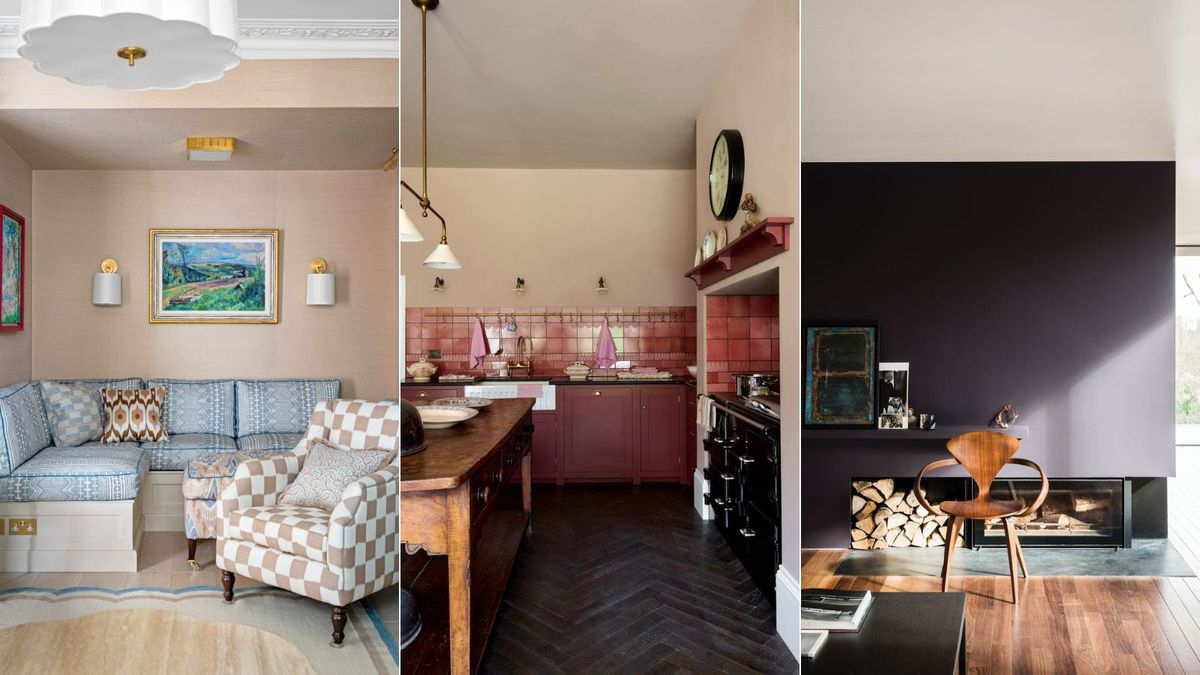
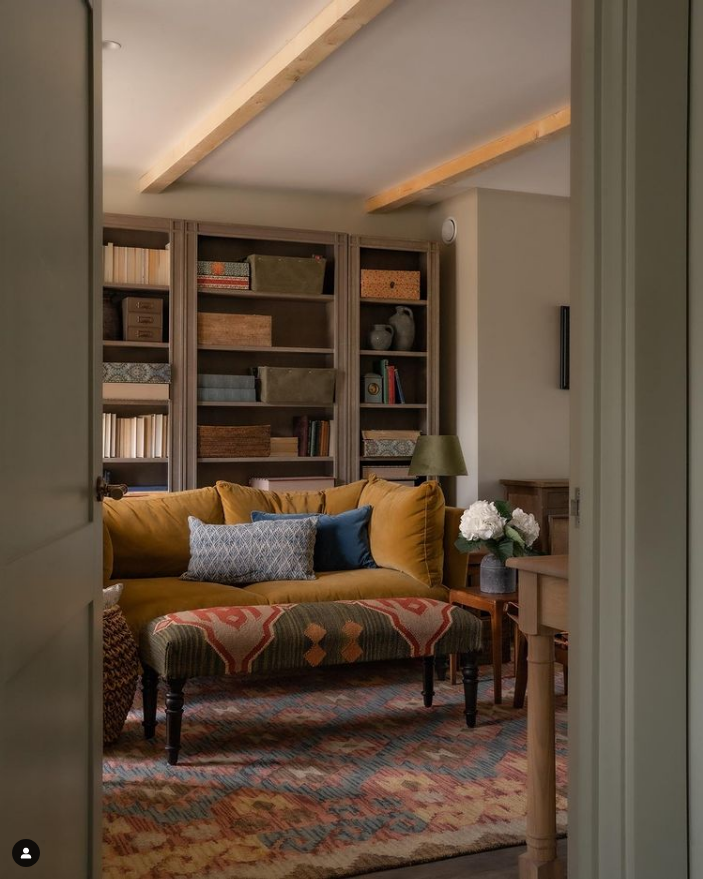
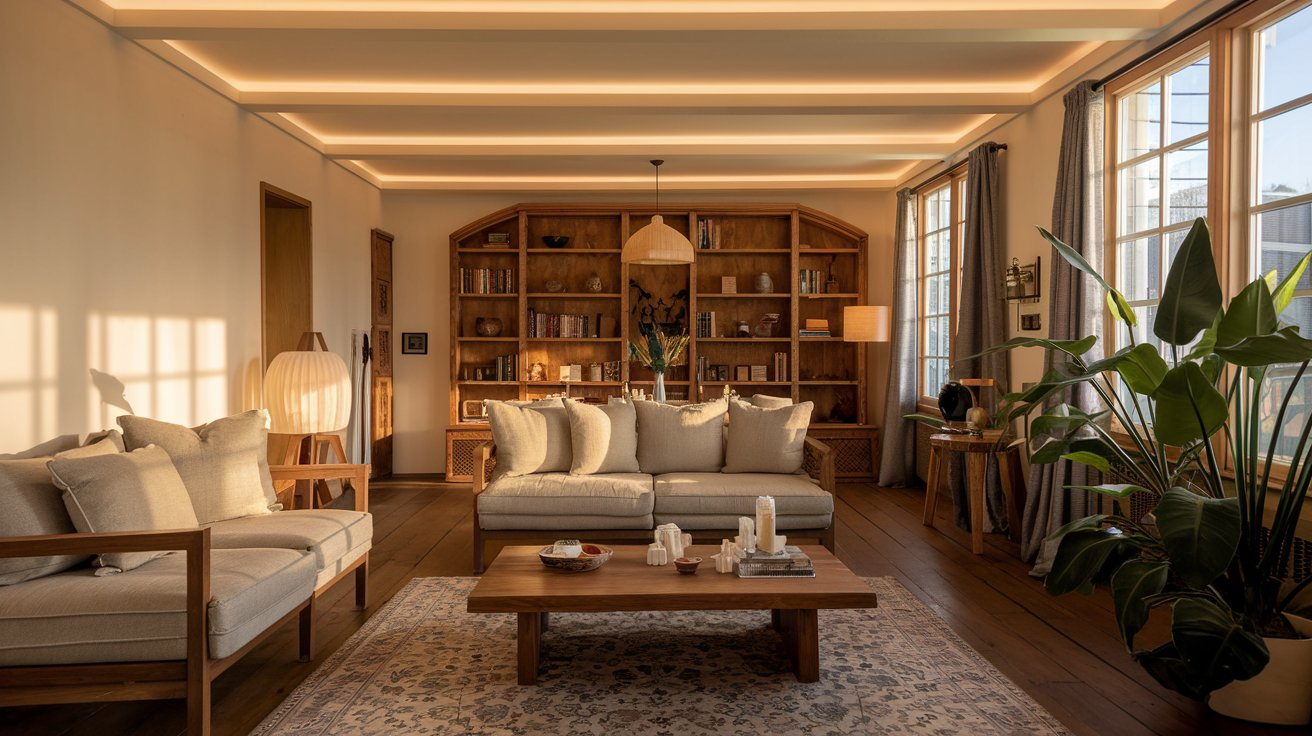
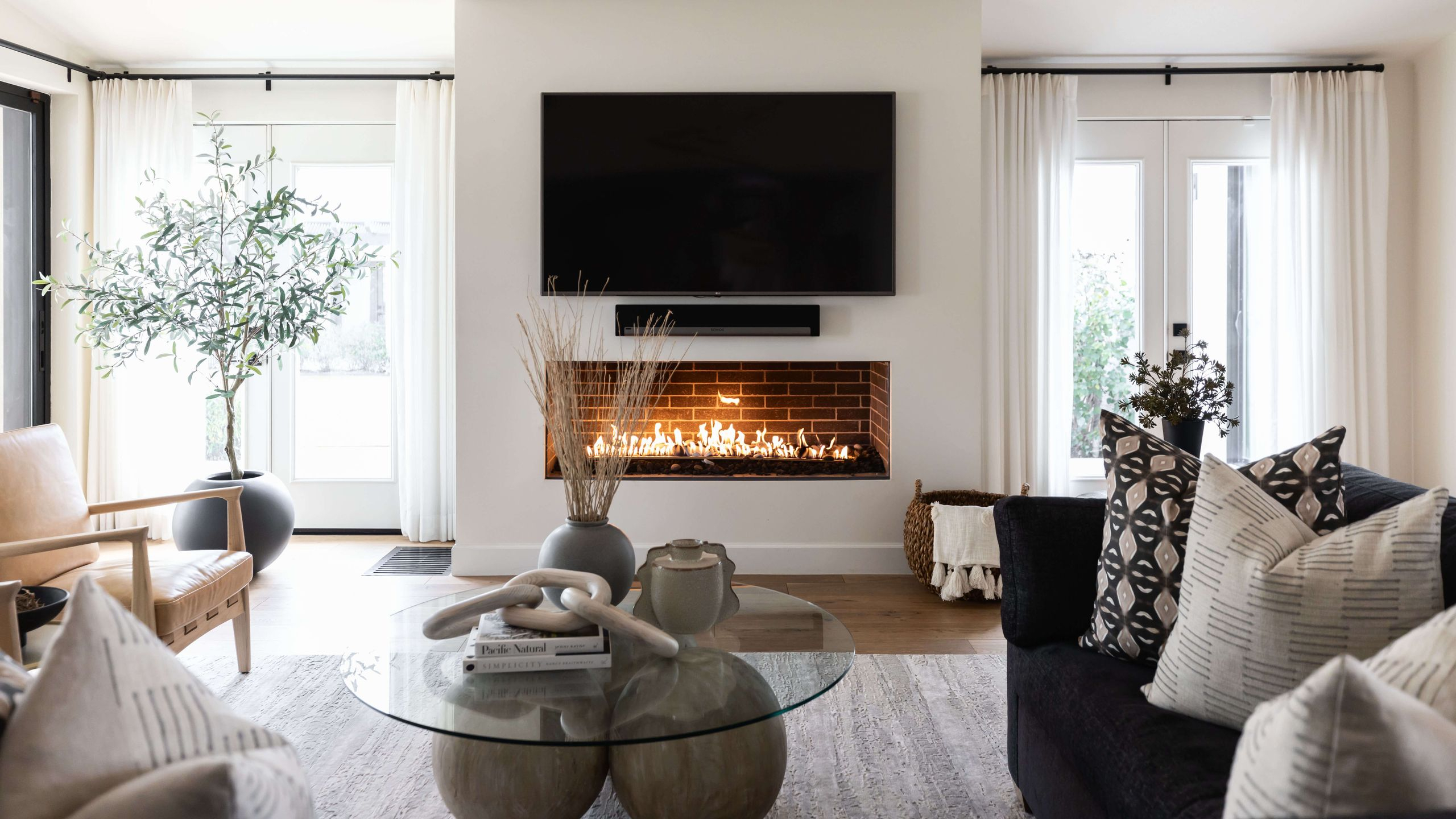
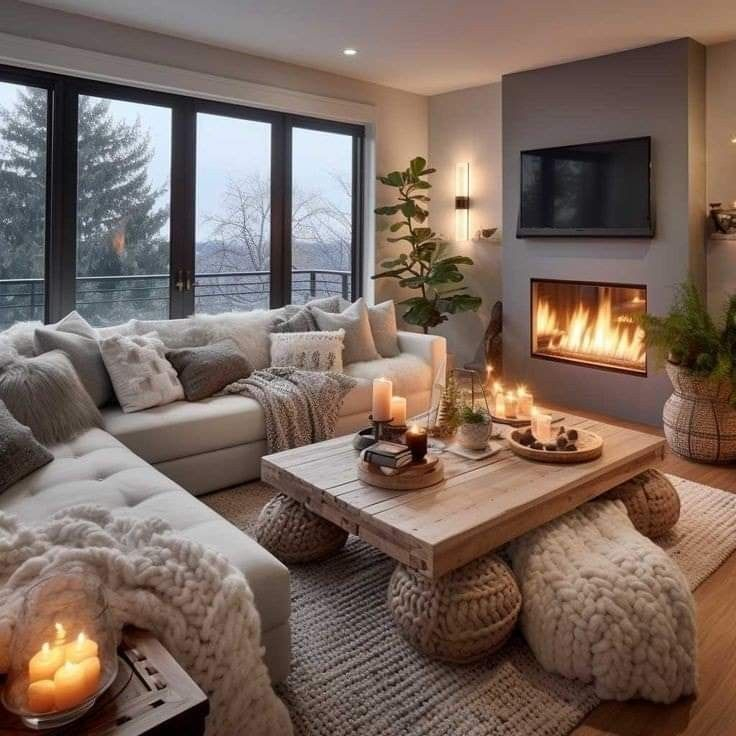
The afternoon light filters through unlined linen drapery, casting a soft, golden blur across a hand-scraped white oak floor. On the low-slung, channeled velvet sofa, a heavy cashmere throw rests in a deliberate heap, looking as though someone just stood up to refill their glass of wine. Nothing feels pinned down, sterile, or overly manicured. Yet, stepping into the space reveals an unmistakable gravity—the quiet weight of exceptional craftsmanship, precise scale, and materials that beg to be touched.
For years, high-end interior design suffered from a stiffness that made living rooms look more like gallery showrooms than human habitats. Pristine white lacquer, icy chrome accents, and furniture arranged with military precision created spaces that demanded admiration from a safe distance, but rarely invited a deep, restorative exhale. Homeowners were left choosing between aesthetic perfection and genuine comfort, as if luxury and livability were mutually exclusive design philosophies.
The interior landscape has pivoted dramatically. Designers have finally cracked the code on bridging high-fashion aesthetics with tactile sanctuary. This shift rejects cold minimalism in favor of spaces that photograph like couture editorial spreads while functioning as deeply personal refuges. Achieving this dual identity requires more than simply buying expensive furniture; it relies on a sophisticated choreography of light, mass, material contrast, and spatial psychology that transforms a cavernous room into a warm, magnetic embrace.
The Architecture of Warmth: Redefining Luxury Through Material Honesty
True high-end design in 2026 begins long before the first piece of furniture enters the room. It starts with the structural envelope—the walls, floors, and ceilings that dictate how light moves and sound travels. For decades, modern luxury meant flawless, flat-painted drywall and glossy stone tiles. Today, top-tier residential designers are leaning heavily into material honesty and textural architecture. Walls are no longer passive backdrops; they are treated with limewash, micro-cement, or artisanal plaster that catches shadows and creates a subtle, breathing movement across the room throughout the day.
Flooring has similarly evolved away from hyper-polished synthetic finishes toward organic, tactile surfaces. Wide-plank European white oak with matte, reactive oil finishes absorbs light rather than reflecting it aggressively, grounding the room in a sense of history and permanence. When stone is introduced—whether as a monolithic fireplace surround or a low cocktail table—it favors honed or leathered finishes over high-gloss marble. This tactile subtlety changes the psychological temperature of the room. It signals to the brain that the environment is organic, safe, and meant to be physically experienced.
Acoustics play a surprisingly critical role in perceived coziness. High-end spaces often feature expansive glass windows and hard architectural surfaces that can easily cause sound to bounce aggressively, creating an unconscious sense of stress. Modern luxury addresses this through hidden acoustic mitigation: heavy drapery tracks recessed into ceilings, upholstered wall panels wrapped in raw wool, and dense, hand-knotted wool rugs that swallow ambient noise. When a room is quiet and soft-sounding, the nervous system relaxes instantly, amplifying the feeling of refuge.
The Layered Neutral Palette: Moving Beyond Stark Monochrome
The monochromatic gray and stark white palettes that dominated high-end homes for the last decade have given way to what designers call the "complex neutral." Instead of relying on a single flat hue, contemporary luxury living rooms are built on deeply layered, warm undertones like tallow, raw umber, mushroom, soft clay, and deep olive-charcoal. These colors possess a chameleon-like quality, shifting subtly as the natural light transitions from the cool blue of morning to the amber glow of dusk.
Layering these tones requires a disciplined eye for saturation and undertone. A room built entirely of beige can quickly drift into monotony unless the designer introduces controlled contrast. This is achieved not through loud accent colors, but through chromatic depth. Pairing a buttery cream bouclé sofa with a tobacco-toned vintage leather armchair and grounding the grouping on a rug featuring subtle tonal variations creates visual richness without visual clutter. The eye travels smoothly across the room, resting on the subtle shifts in texture and hue.
Color psychology in 2026 also embraces low-saturation earth tones that anchor the spirit. Terracotta, muted moss, and burnt ochre are woven into the scheme through mohair pillows, ceramic vessels, and heavy linen upholstery. These hues evoke the natural world, creating a subconscious connection to the outdoors that grounds high-end interiors. By rooting the color palette in nature, designers bypass fleeting trends, ensuring that the living room feels timelessly sophisticated and perennially welcoming.
The Art of the Curated Layout and Scale Mastery
Creating an effortlessly cozy living room requires a masterclass in spatial choreography. The biggest mistake in large-scale luxury design is pushing all the furniture against the perimeter walls to create an expansive, empty center. This layout strips a room of its intimacy, making inhabitants feel exposed rather than sheltered. Contemporary high-end design pulls furniture inward, floating seating groups away from walls to create conversational islands that feel protected and human-scaled.
Scale is another critical battleground. High-end living rooms often feature dramatic, double-height ceilings that can make standard-sized furniture look miniature and stranded. Designers combat this by utilizing low-slung, heavily proportioned seating that commands the floor plane, paired with oversized vertical elements—such as towering abstract art or elongated floor-to-ceiling drapery—that bridge the gap between floor and ceiling. This juxtaposition creates a dramatic yet cozy cocoon effect, where the room feels grand in its architecture but intimate in its human experience.
Traffic flow is handled with invisible precision. A high-end room allows for natural circulation paths that never cut directly through the heart of a conversation zone. Instead, pathways weave gracefully around the perimeter of the seating groups. This ensures that anyone sitting by the fire or deep in conversation is never disrupted by foot traffic, reinforcing the psychological safety and tranquility of the space. Every furniture placement answers a single question: does this arrangement invite human connection and physical relaxation?
Step-by-Step Methodology for Designing an Upscale Cozy Living Room
- Step 1 (Establish the Lighting Architecture): Ditch overhead recessed downlights as your primary source. Layer ambient architectural lighting with dimmable wall sconces, low-profile picture lights, and floor lamps placed at varying heights to wash walls in warm, amber illumination.
- Step 2 (Select Foundation Textiles): Choose heavy, tactile foundational pieces. Invest in a sofa upholstered in textured heavy linen, bouclé, or mohair velvet rather than flat cotton twill or cold corrected-grain leather.
- Step 3 (Ground the Space with Rugs): Lay down an oversized, high-pile wool or silk-blend rug that extends at least six inches past all primary furniture legs, anchoring the seating group and softening the acoustics.
- Step 4 (Curate Organic Objects): Edit down knick-knacks in favor of fewer, larger, and more meaningful objects. Incorporate raw ceramics, petrified wood, heavy glassware, and aged bronze vessels that tell a visual story.
- Step 5 (Incorporate Living Elements): Introduce architectural greenery—such as a mature potted olive tree, a sculptural fiddle-leaf fig, or cascading pothos—to inject organic vitality and bridge the indoor-outdoor transition.
Avoiding Common Missteps in High-End Residential Design
- Pitfall 1 (Over-Coordination and Matching Suites): Buying a complete matching living room set from a single showroom instantly drains personality and luxury from a space. Workaround: Mix eras, finishes, and makers—pair a mid-century vintage lounge chair with a contemporary custom sofa and an antique stone coffee table to build curated depth.
- Pitfall 2 (Ignoring Lighting Temperature): Using harsh, cool-toned LED bulbs (above 3500K) destroys cozy ambiance, making a luxury room feel like a clinical office. Workaround: Strictly mandate 2400K to 2700K warm-dim LED bulbs across every fixture to replicate the intimate glow of incandescent firelight.
- Pitfall 3 (Cluttering Surfaces with Small Decor): Sprinkling dozens of tiny decorative items across coffee tables and shelves creates visual noise and cheapens the aesthetic. Workaround: Adopt the rule of mass and void—leave significant negative space on surfaces and group items in odd numbers with varying heights.
- Pitfall 4 (Neglecting Functional Seating Comfort): Prioritizing rigid sculptural shapes that look stunning in photographs but feel punishing to sit in for more than ten minutes. Workaround: Test-sit every piece of upholstery for feather-down core comfort and ergonomic depth before final specification.
- Pitfall 5 (Hanging Art Too High): Mounting oversized artwork near the ceiling line, a common error in high-ceilinged rooms that disconnects art from human scale. Workaround: Hang the center point of all primary artwork at standard eye level (roughly 57 to 60 inches from the floor), regardless of ceiling height.
The Broader Philosophy: Sustainable Luxury and Longevity
The evolution of high-end living rooms in 2026 reflects a deeper cultural shift regarding luxury and consumption. For generations, luxury was synonymous with disposability—upgrading entire home aesthetics every few years to keep pace with rapid trend cycles. Today, true high-end living is rooted in sustainability, longevity, and heritage craftsmanship. Homeowners are demanding pieces built to endure for decades, constructed from ethically sourced hardwoods, non-toxic natural finishes, and biodegradable textiles like organic wool, linen, and hemp.
This shift toward sustainable craftsmanship does not compromise aesthetic ambition; rather, it elevates it. Artisans who hand-knot rugs over six months or craftsmen who join timber using traditional mortise-and-tenon techniques infuse furniture with an energetic soul that mass-produced factory items cannot replicate. When you sit in a room furnished with pieces that carry a human history and sustainable pedigree, the atmosphere shifts. The room feels grounded, authentic, and profoundly secure.
Furthermore, integrating biophilic design principles ensures that these high-end spaces actively contribute to human well-being. Natural light optimization, air-purifying botanical installations, and organic tactile surfaces work in concert to lower cortisol levels and promote mental restoration. In an increasingly hyper-digital world, the high-end living room serves as a vital physical sanctuary—a place to disconnect from screens and reconnect with the tangible, sensory realities of the physical world.
Practical Takeaways for Your Living Room Transformation
- Prioritize Quality Over Quantity: Invest your budget into three or four exceptional, heirloom-quality foundation pieces rather than filling the room with dozens of mediocre filler items.
- Embrace Tactile Contrast: Always pair hard elements (stone, metal, glass) with soft counterparts (wool, bouclé, leather, wood) to create sensory tension and balance.
- Control the Vertical Plane: Use floor-to-ceiling drapery and vertical architectural detailing to draw the eye upward, making even modest rooms feel expansive and grand.
- Edit Ruthlessly: Leave negative space on walls, shelves, and tabletops to let statement pieces breathe and command attention.
- Design for Evening: Always evaluate your living room layout and lighting scheme at night; a truly cozy space must feel magical and protective after dark.
The mastery of the high-end, effortlessly cozy living room lies in the delicate tension between architectural rigor and human comfort. It is an art form that refuses to choose between looking like a masterpiece and feeling like a home. By focusing on material honesty, layered neutrals, precise spatial scale, and thoughtful lighting, you strip away the pretension that has long plagued luxury interior design.
As we navigate the demands of modern life, our homes must serve as our ultimate line of defense against burnout and chaos. A living room designed with these principles is not merely a backdrop for entertaining guests; it is a restorative engine for the soul. It invites you to kick off your shoes, sink into deep upholstery, and experience the quiet confidence of a space that was built to last, designed to inspire, and tailored to live in.