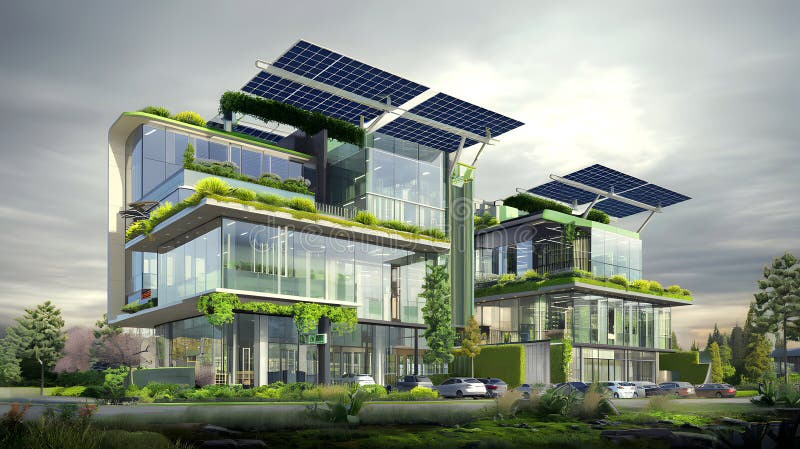
Stand in front of a mid-century suburban home during a heavy summer thunderstorm, and you will likely hear the familiar hum of an air conditioner straining against the grid, punctuated by the nervous flicker of kitchen lights. For decades, the ritual of powering a modern house meant accepting a brute-force dynamic: utility lines pumping unpredictable voltage into a passive, dumb metal breaker box, while clunky, blue-and-silver solar arrays stood bolted to the roof like unwanted mechanical patches. It was an arrangement built on compromise—a constant trade-off between architectural aesthetics and the pressing mandate to shrink a household carbon footprint.
Fast forward to the current standard of sustainable residential engineering, and that clumsy visual compromise has evaporated. The latest wave of green home improvements discards the bulky gadgets of the past in favor of invisible, performance-driven architecture. Homeowners no longer have to choose between a gorgeous roofline and radical energy independence. Instead, cutting-edge technologies are fusing structural building materials with high-output photovoltaic cells, while digital breaker boxes silently orchestrate the flow of kilowatts behind the drywall.
This transformation goes far beyond slapping a generic battery in the garage and calling it a day. Today’s residential energy landscape is a fully harmonized ecosystem where solar generation, electric vehicle charging, and home battery storage speak a single digital language. Yet, navigating this space requires looking past flashy marketing brochures and understanding the deep-level mechanics of panel-level intelligence and building-integrated photovoltaics. For any homeowner looking to future-proof their property, peeling back the layers of this integrated tech is no longer an optional luxury—it is the blueprint for financial insulation against rising utility rates.
The historical trajectory of residential solar and electrical design has followed a predictably clunky path. Early adopters accepted rack-mounted panels because the sheer novelty of generating green kilowatt-hours outweighed the aesthetic penalties. Meanwhile, the standard electrical panel remained a purely mechanical safety device, designed simply to trip a breaker before a wire melted. But as electric vehicles flooded driveways and home energy storage systems scaled up in capacity, these legacy electrical systems began showing catastrophic bottlenecks. A standard 200-amp panel simply cannot handle simultaneous Level 2 EV charging, heat pump operation, and solar backfeed without hitting thermal thresholds or requiring expensive, disruptive service upgrades.
Enter the era of integrated hardware. The modern approach treats the entire home envelope as a unified power plant. By moving away from add-on gadgets and leaning into invisible integration, engineers have redefined what a roof and a breaker box can do. Photovoltaics are now baked directly into standing-seam metal or architectural roof tiles, transforming the weatherproofing layer of the house into a distributed generation asset. Simultaneously, smart electrical panels have evolved from passive distribution blocks into intelligent command centers. These devices dynamically shed loads, prioritize essential circuits during blackouts, and communicate directly with grid demand-response signals, all without the homeowner lifting a finger.
The Architectural Renaissance of Building-Integrated Photovoltaics
For years, homeowner associations and historic preservation districts stood as rigid roadblocks against renewable energy adoption, armed with a single, undeniable argument: traditional solar panels look industrial and ruin the visual lines of classic architecture. Building-Integrated Photovoltaics, universally known as BIPV, completely upends this friction point. Instead of mounting a separate apparatus on top of existing shingles, BIPV systems replace standard roofing materials entirely. Slate-look solar tiles, terracotta-mimicking photovoltaic shingles, and integrated metal-pan roofs function simultaneously as waterproof cladding and electricity-generating generators.
The manufacturing science behind modern BIPV relies on high-efficiency monocrystalline silicon wafers encapsulated within durable polymer and tempered glass layers that match the light refraction and color profiles of traditional building materials. When installed correctly, an untrained eye standing at the curb cannot tell where the roof stops and the solar generator begins. This aesthetic stealth represents a massive leap forward for high-end residential real estate, where curb appeal directly dictates equity. Homeowners can now achieve net-zero energy status without turning their property into a commercial-grade solar farm lookalike.
Beyond sheer cosmetics, BIPV systems offer structural advantages that legacy rack-mounted arrays cannot match. Traditional panels sit several inches above the roof deck, creating an aerodynamic wind tunnel that can catch high gusts like a sail, occasionally compromising roof integrity or creating noise. BIPV tiles sit flush against the underlayment, minimizing wind uplift forces and eliminating the need to drive hundreds of lag bolts directly through waterproofing layers. Because the solar material is the roof, maintenance cycles for roof replacement and solar hardware replacement are synchronized, drastically lowering long-term lifecycle costs despite the higher initial capital expenditure.
However, specifying BIPV requires a level of architectural precision that goes far beyond standard solar quotes. Installers must account for precise roof pitch, thermal expansion rates, and specialized ventilation channels beneath the tiles to prevent efficiency losses from heat buildup. Silicon solar cells lose voltage output as their temperature climbs, making convective airflow beneath flush-mounted tiles a critical engineering priority. Understanding these thermal dynamics ensures that the hidden beauty of a BIPV roof does not come at the expense of suppressed electrical yield during peak summer heatwaves.
Smart Electrical Panels as the Central Nervous System
If BIPV represents the face of modern green technology, the smart electrical panel is its invisible brain. Traditional breaker boxes are fundamentally blind; they do not know whether a refrigerator compressor is failing or how much power the home office is drawing until a circuit overloads. A smart panel replaces standard mechanical breakers with digitally controlled relays, monitoring every individual branch circuit in real-time down to the second and the watt. This microscopic visibility allows homeowners to granularly track energy consumption per appliance via smartphone dashboards, identifying phantom loads and optimizing usage schedules to bypass high time-of-use utility rates.
The true genius of a smart panel emerges during grid instability or power outages. In a conventional backup setup, pairing a home battery with solar requires wiring a specialized "critical loads subpanel," which severely limits what appliances can run when the grid goes down. Homeowners are forced to choose between keeping the refrigerator cold or running the central heat pump, often leading to frustrating rewiring projects later. A smart panel eliminates the subpanel entirely by making every single breaker in the main box dynamically manageable.
During an outage, the intelligent panel instantly isolates the home from the grid and automatically sheds non-essential loads—such as pool pumps, EV chargers, and dryer outlets—while keeping life-safety systems, internet routers, and refrigerators humming. If battery state-of-charge drops, the software sheds secondary loads sequentially to stretch available reserves until sunrise. Furthermore, smart panels integrate seamlessly with bidirectional EV chargers, allowing a parked electric vehicle to act as a massive mobile backup battery that can power an entire household for days during an extended grid failure.
Installing a smart electrical panel is not a simple DIY afternoon swap; it requires a certified electrician who understands high-voltage safety protocols, software provisioning, and local utility interconnect agreements. Because these panels house complex microprocessors and communication gateways alongside heavy copper busbars, physical space requirements and heat dissipation must be carefully calculated during the retrofitting process. Yet, for homes transitioning toward all-electric heating, induction cooking, and dual-vehicle charging, upgrading to a smart panel is the foundational investment that makes the entire green ecosystem viable.
Step-by-Step Methodology for Designing an Integrated Home Energy Ecosystem
Transitioning a home from a passive energy consumer to an intelligent, self-sufficient microgrid requires a methodical sequencing of upgrades. Rushing out to buy batteries or solar tiles without a comprehensive energy audit often leads to oversized, mismatched equipment that fails to deliver a true return on investment.
- Step 1 (Comprehensive Energy Audit and Load Profiling): Hire an independent energy auditor or use smart plug monitors to analyze your home’s actual baseline electrical load, peak demand spikes, and thermal envelope inefficiencies before purchasing any hardware.
- Step 2 (Electrification and Efficiency Prioritization): Upgrade legacy fossil-fuel appliances—such as gas water heaters and furnaces—to high-efficiency heat pump alternatives, as reducing overall thermal demand makes subsequent solar and battery sizing significantly more cost-effective.
- Step 3 (Architectural and Structural Assessment for Generation): Evaluate your roof’s orientation, shading profile, and structural load capacity to determine whether traditional stealth-framed panels or a complete BIPV roof replacement best suits your aesthetic and financial goals.
- Step 4 (Core Infrastructure and Smart Panel Integration): Replace your legacy breaker box with a smart electrical panel to establish real-time circuit-level monitoring, dynamic load shedding, and future-proof capacity for high-draw appliances and EV charging.
- Step 5 (Storage Sizing and System Commissioning): Couple your generation and control layers with modular lithium iron phosphate (LiFePO4) battery storage, syncing the entire ecosystem via unified software to maximize self-consumption and automate grid backup protocols.
Common Pitfalls and Field-Tested Workarounds in Green Tech Adoption
Navigating the modern landscape of integrated energy tech is fraught with expensive marketing traps and technical mismatches. Avoiding these common missteps separates a high-performing resilient home from an expensive, malfunctioning headache.
- Pitfall 1 (Mismatched Hardware Ecosystems): Mixing proprietary solar inverters, third-party batteries, and standalone smart panels often leads to software communication blackouts and finger-pointing when warranties fail. Practitioner Workaround: Insist on a unified manufacturer ecosystem (such as fully integrated Tesla or Schneider-backed architectures) where every component is engineered to communicate natively on a single software bus.
- Pitfall 2 (Overlooking Local Utility Interconnection Delays): Assuming a smart panel or BIPV roof can be energized the day installation finishes without utility approval. Practitioner Workaround: File your utility interconnection application simultaneously with your structural permitting process, as utility review queues for smart grid-tied hardware frequently take several months.
- Pitfall 3 (Neglecting Future Amperage Needs): Installing a smart panel that matches current loads without factoring in future EV purchases or heat pump additions. Practitioner Workaround: Always specify a minimum 200-amp to 400-amp smart panel configuration with ample physical breaker slots to accommodate downstream electrification upgrades without requiring a second panel swap.
- Pitfall 4 (Ignoring Solar Thermal Derating on Flush Roofs): Failing to account for reduced photovoltaic efficiency due to poor airflow under flush-mounted BIPV tiles. Practitioner Workaround: Ensure your installer includes specialized elevated batten installation systems or ridge-vented air channels that allow continuous convective cooling beneath the solar skin.
- Pitfall 5 (Relying Solely on Automated Software Defaults): Accepting out-of-the-box software settings that may not align with your specific regional utility rate structures or backup priorities. Practitioner Workaround: Spend time post-installation manually configuring time-of-use thresholds, battery discharge reserves, and storm-watch overrides inside your smart panel application.
The Economic and Environmental Horizons of Integrated Infrastructure
The economic thesis for integrated green technology has matured far beyond altruistic environmentalism. In an economic environment marked by volatile fossil fuel pricing and aging utility infrastructure, investing in an integrated energy ecosystem functions as a powerful financial hedge. When a home generates its own power via BIPV, stores excess kilowatt-hours in modular batteries, and intelligently shifts heavy loads away from peak pricing windows using a smart panel, utility bills drop near zero for large portions of the year. Over a twenty-year horizon, this self-generation model insulates homeowners from the inevitable rate hikes driven by grid modernization costs passed down by regional power companies.
Furthermore, properties equipped with integrated energy panels and smart distribution hubs command a measurable valuation premium in real estate markets. Modern homebuyers—particularly tech-savvy millennials and Gen Z buyers entering prime purchasing years—increasingly prioritize turn-key resilience and low operational overhead. A home that can autonomously ride out a three-day grid blackout while maintaining climate control and internet connectivity offers an intangible peace of mind that traditional properties simply cannot match. Appraisers are beginning to factor these smart energy assets into formal property valuations, recognizing that hidden green tech is a permanent structural upgrade akin to a remodeled kitchen or a finished basement.
On an environmental level, shifting residential energy consumption toward localized microgrids relieves immense stress on regional transmission lines during extreme weather events. Traditional power generation relies heavily on peaker plants—dirty fossil-fuel generators brought online only during peak demand surges. By utilizing smart panels to flatten residential demand curves and discharge stored solar energy during those exact high-stress hours, homeowners directly participate in stabilizing the broader electrical grid. This decentralized model proves that sustainable architecture can be both radically personal and collectively impactful.
Actionable Recommendations for Homeowners Ready to Build
Embarking on an integrated green tech renovation requires discipline, careful budgeting, and a refusal to cut corners on core infrastructure. Approaching these projects with a strategic framework ensures long-term reliability and maximum financial return.
- Prioritize the Nervous System First: If budget constraints force a phased rollout, upgrade your electrical panel to a smart model before purchasing solar or batteries. A smart panel provides immediate efficiency insights and establishes the physical backbone required for future additions.
- Vet Your Contractors Rigorously: Do not hire a standard handyman or a generic roofer for BIPV and smart panel installations. Demand specialized credentials, manufacturer-certified training certificates, and proof of past local installations featuring integrated hardware.
- Audit Your Utility’s Rate Structures: Study your regional provider’s time-of-use (TOU) tariffs and net billing policies meticulously before sizing your battery storage capacity. Your system configuration should be custom-tailored to exploit the specific arbitrage opportunities unique to your utility provider.
- Design for Scalability: Always build redundancy into your electrical infrastructure. Ensure your conduit paths, main service disconnects, and physical wall space can accommodate future expansions, such as secondary battery modules or larger EV charging setups.
The evolution of residential architecture is steadily converging toward a singular, elegant reality: our homes are no longer passive boxes plugged into a fragile, distant grid. They are becoming intelligent, self-sustaining organisms capable of generating, storing, and distributing their own power invisibly and efficiently. By embracing building-integrated photovoltaics and smart electrical panels, homeowners step past the era of clunky add-on gadgets and enter a period where sustainability and aesthetic refinement merge seamlessly.
This transition marks a profound shift in how we interact with our living spaces. When your roof quietly harvests sunlight without altering its classic sightlines, and your breaker box invisibly manages your family’s energy security in the background, green technology ceases to be a chore or a political statement. It simply becomes good design. As we look toward an electrified future, the homes that weather the coming decades best will not be those shouting their sustainability from the rooftops, but those quietly mastering energy intelligence from within.