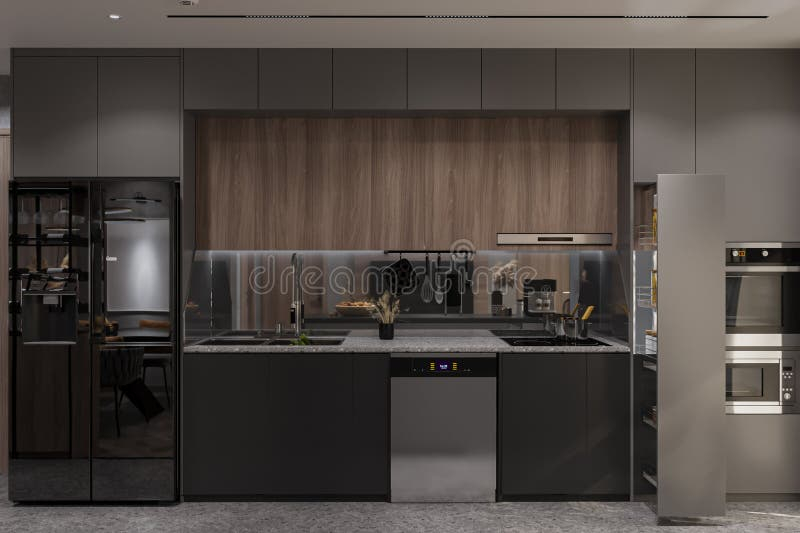
The flour on the edge of the maple counter isn’t a mess; it’s a mapping of yesterday’s sourdough loaf, kneaded impatiently by hands that have done the same for a decade. Somewhere beneath the south-facing window, a gouge in the wide-plank white oak flooring marks the afternoon a heavy cast-iron skillet slipped from a distracted grip, tumbling down like a lead weight. In a culture obsessed with factory-sealed perfection, pristine showrooms, and sterile quartz islands that look like they belong in a corporate boardroom, a quiet counter-revolution is taking root in ordinary houses. People are trading plasticized laminate and imperishable synthetic stones for surfaces that bruise, darken, scratch, and soften under the pressure of actual daily life.
For decades, the American kitchen became a battleground of high-gloss anxiety. Real estate culture taught us to treat our primary living spaces not as hearths, but as liquid equity portfolios optimized for immediate resale value. We installed sterile, monochromatic gray palettes and high-maintenance marble-look ceramics designed to look identical on day ten thousand as they did on day one. But a room engineered to resist living also resists loving. When a kitchen cannot show the scars of a spilled bottle of Chianti or the burn mark of a hot baking sheet, it remains an immaculate stranger. It is a museum exhibit rather than a home.
We have entered a distinct shift away from antiseptic perfection toward rooms that ask for our participation. The modern homeowner is looking backward to find a forward path, studying the domestic architecture of European farmhouses, turn-of-the-century tenements, and mid-century bungalows where materials were selected not for their imperviousness, but for their honesty. This is not about rustic pastiche or buying pre-distressed faux-antique cabinetry from a big-box catalog. It is about understanding the chemistry of materials—how copper oxidizes, how unlacquered brass turns a deep, chocolatey bronze where fingers grip the handles, and how end-grain butcher block drinks in mineral oil and lemon juice until it develops the dark, amber glow of an heirloom.
The Hierarchy of Materials and the Death of the Competitive Finish
The fastest way to date a kitchen remodel is to look at how many different high-drama surfaces are screaming for attention at the exact same moment. When a room features an intensely veined quartz waterfall island, a patterned cement tile backsplash, and distressed faux-reclaimed beams overhead, every single surface competes to announce its installation date. A truly timeless kitchen respects structural hierarchy. It relies on a quiet canvas where materials are allowed to do what they naturally do over time: age, shift, and settle into one another.
Hierarchy begins with structural restraint. When you choose a foundational element like cabinetry, the decision should prioritize utility and proportion over flash. Inlaid shaker profiles or simple flat-panel doors constructed from solid domestic hardwoods—such as white oak, hard maple, or quarter-sawn walnut—create a neutral architectural backbone. These woods don’t demand that you match your life to them; instead, they stretch to accommodate whatever era of family life you are currently navigating.
The secret to a space that patinas gracefully lies in selecting materials that possess living finishes. A living finish is an unsealed or untreated metallic or organic surface that reacts chemically with its environment—oxygen, oils from human skin, moisture, and acids. Unlacquered brass, raw copper, soapstone, and oil-rubbed bronze do not deteriorate; they evolve. When you touch a brass drawer pull five hundred times a year, the oils in your skin polish the high points to a brilliant gold while leaving the recesses dark and oxidized. That visual map of touch is something money simply cannot buy off a showroom floor.
The Psychology of the Lived-In Hearth and Sentimental Layering
A kitchen does not become soulful simply because you specified expensive marble. Soul is accumulated through the quiet accumulation of time, utility, and personal history. Interior designers and historic preservationists consistently note that the spaces we remember most fondly are those that layer functional utility with deeply personal, unexpected elements. This might mean hanging a copper stock pot inherited from a grandmother next to a modern cast-iron skillet, or mounting open pine shelving built from scrap lumber harvested during a garage renovation.
The psychological comfort of a kitchen stems from legibility and warmth. When a room feels approachable, people linger. They lean against the island during frantic weekday homework sessions; they pull up a stool at midnight to talk in the quiet dark. Achieving this requires stepping away from total symmetry. True timelessness often incorporates slight, deliberate asymmetries—a vintage work table used in place of a fitted island, a freestanding Welsh dresser acting as a pantry, or mismatched vintage Windsor chairs gathered around a scrubbed pine harvest table.
Furthermore, integrating sentimental objects anchors the room in reality. A kitchen shouldn’t look like a page out of a furniture catalog where even the fruit in the bowl is artificial. It should contain the well-thumbed paperback cookbook with grease-spattered pages of a favorite roast chicken recipe, a ceramic crock holding wooden spoons carved by an uncle, and a window sill crowded with mismatched terra-cotta pots nursing herbs. These are the details that turn a physical construction project into a domestic sanctuary.
A Field-Tested Methodology for Designing a Home That Ages Well
Building a kitchen that welcomes patina requires a disciplined approach to purchasing and installation. You must choose materials with a trajectory rather than an expiration date. Here is how to construct a functional framework for a space designed to grow more beautiful over the decades:
- Step 1 (Audit the Core Infrastructure): Focus your budget where replacement is agonizing—plumbing lines, ventilation power, and electrical layouts. Use simple, high-grade cabinet boxes with durable, solid wood faces that can be repainted or refinished down the road when tastes or lighting conditions shift.
- Step 2 (Select Honest Countertops): Skip synthetic, unyielding surfaces and consider soapstone, which develops a velvety dark patina when treated with mineral oil and easily shrugs off hot pans, or honed marble that embraces etching and staining as a record of family meals prepared.
- Step 3 (Commit to Living Hardware): Specify unlacquered brass, forged iron, or unsealed bronze for pulls, knobs, and faucets. Accept that they will spot, darken, and change color seasonally, creating a tactile archive of everyday use.
- Step 4 (Incorporate Vintage and Found Elements): Break up the monotony of fitted box cabinetry by integrating at least one freestanding vintage piece—such as a baker’s rack, an antique apothecary cabinet, or a custom-built island base made from reclaimed barn timber.
- Step 5 (Prioritize Task Lighting Over Ambient Glare): Ditch cold, overhead LED grid lighting in favor of warm, low-temperature under-cabinet lighting, adjustable wall sconces with milk glass shades, and pendant lights that cast a golden, inviting glow across your work surfaces.
Navigating Common Pitfalls When Pursuing Timeless Patina
The pursuit of an authentic, aged aesthetic is fraught with aesthetic traps. The most common error is falling for manufactured nostalgia—buying items that have been artificially distressed in a factory to look old. True patina cannot be faked with a wire brush and dark glaze; it must be earned through friction, friction, and time. When you introduce fake wear into a room, it immediately reads as a costume, stripping the space of its genuine dignity.
Another major misstep is underestimating the maintenance realities of living materials. Soapstone scratches easily; honed marble etches the moment an errant lemon wedge drops onto its surface; unlacquered brass develops water spots if left wet. If you are the type of homeowner who panics at the sight of a water ring on a wood table, a patina-driven kitchen will be a source of constant stress rather than joy. Honesty in design requires emotional readiness to let go of pristine perfection.
- Pitfall 1 (Buying Manufactured Distress): Avoid factory-distressed cabinetry or pre-scratched hardware. Workaround: Invest in raw, honest materials and let your own household’s daily chaos create the natural wear patterns organically over the years.
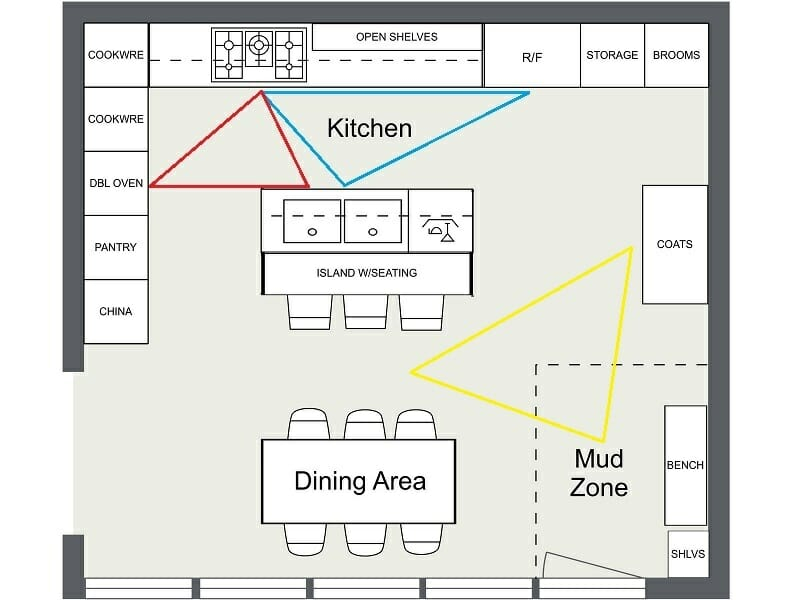
- Pitfall 2 (Over-complicating the Layout): Resist the temptation to pack every modern gadget and specialty pullout into the perimeter. Workaround: Stick to classic work triangles, deep drawers for pots, and open pantry shelving that forces simplicity and long-term utility.
- Pitfall 3 (Ignoring Water and Heat Physics): Placing delicate, unsealed wood right next to the primary sink basin invites rot. Workaround: Use durable integrated stone or undermount stainless steel directly around high-moisture zones, reserving wood counters for dry prep islands and baking stations.
- Pitfall 4 (Chasing Micro-Trends on Fixed Surfaces): Spending thousands on trendy tile or high-fashion colored appliances that will look dated in three years. Workaround: Keep expensive fixed surfaces neutral and classic; express your personal style through easily swappable elements like runner rugs, art, pottery, and textiles.
- Pitfall 5 (Fear of Maintenance): Rejecting natural stone or wood because you are afraid of staining. Workaround: Reframe maintenance—like oiling a butcher block or rubbing wax into soapstone—as a meditative domestic ritual rather than an annoying household chore.
The Economic and Environmental Case for Slow Design
In our current economic climate, the traditional model of tearing out a kitchen every twelve to fifteen years is no longer financially or ecologically sustainable. Fast-homeware follows the exact same destructive trajectory as fast-fashion: cheap particle board cabinets wrapped in vinyl thermofoil that delaminates under steam, countertops made of resin-heavy composites that cannot be repaired, and appliances designed with planned obsolescence built straight into their digital control boards.
Choosing materials that patina is an act of environmental defiance. Hardwood, natural stone, cast iron, and solid brass can be repaired, refinished, and recycled. If a solid white oak door gets gouged, you can sand it down and patch it. If an unlacquered brass faucet develops a sticky valve forty years from now, a plumber can rebuild the brass cartridge rather than forcing you to rip out the entire plumbing wall.
This approach shifts our financial perspective from short-term consumption to long-term stewardship. While an investment in high-end, honest materials may require a higher initial outlay, its lifespan stretches across multiple decades—often outliving the mortgage itself. When you build a room that grows more beautiful with use, you stop calculating its depreciation. You simply enjoy the dividends of a space that feels deeply, authentically yours.
Frameworks for Lifelong Maintenance and Gentle Stewardship
To keep a patina-rich kitchen functioning smoothly across decades, you must adopt a philosophy of stewardship rather than cleaning. Modern chemical cleaners strip away the natural protective barriers that organic materials build up over time. A harsh bleach-based spray will kill the deep, rich oxidation on a brass pull or strip the nourishing oils right out of a walnut countertop, forcing you to start the aging process all over again.
Instead, embrace gentle, traditional maintenance habits. Clean soapstone and wood counters with mild castile soap and warm water. Nourish butcher block and end-grain surfaces seasonally with food-grade mineral oil and beeswax blends. Allow cast-iron pans to build up their own glossy, non-stick polymer seasoning through heavy use and minimal soap.
- Key Item 1 (The Gentle Cleanser Protocol): Ditch abrasive chemical solvents in favor of simple dish soap, white vinegar solutions, and natural baking soda pastes to clean without stripping living finishes.
- Key Item 2 (Seasonal Conditioning Schedules): Establish a bi-annual ritual of treating wood countertops and cutting boards with food-safe oils to prevent cracking and enhance water resistance.
- Key Item 3 (Hardware Preservation): Clean metal pulls and faucets with a soft microfiber cloth dampened lightly with warm water; never use metal polish on unlacquered brass unless you want to erase years of earned character overnight.
- Key Item 4 (Embracing the Flaw): Train your eye to see an etching on marble or a dent in wood not as damage, but as a physical record of a specific meal shared with people you love.
A kitchen that patinas with memories does not happen by accident. It requires the courage to resist the sterile siren song of perfection and the patience to let a room reveal its character over years of dropped pans, spilled wine, and shared laughter. When you step back and look at a home built on honest materials, you realize it is essentially a physical archive of your family’s life.
The goal of home design isn’t to build a static monument that freezes time; it is to create a dynamic, welcoming stage where life can unfold without anxiety. By choosing substances that accept our scars, soften under our hands, and grow richer with every passing season, we stop fighting our homes and finally start living in them.