Ever stared at a spare room that’s barely big enough to swing a cat in and wondered if it’s even worth trying to make it comfortable? You’re not alone. We’ve all got that one awkward nook or converted closet that we desperately want to turn into a welcoming spot for friends and family, but the lack of square footage feels like a dealbreaker. It’s easy to think you need a mansion to offer hospitality, but honestly, some of the most memorable stays happen in the coziest, most thoughtfully designed corners.
The truth is, tiny rooms have a secret superpower: intimacy. While a massive suite can feel cold and impersonal, a small space forces you to focus on what really matters—comfort, warmth, and those little details that make a person feel cared for. In 2026, the design world is finally catching up to this reality, moving away from the idea that "small" means "compromised." Instead, we’re seeing a surge in clever, multi-functional solutions that prove you don’t need endless floor space to create a five-star experience.
So, how do you pull it off without breaking the bank or losing your mind during the renovation? It’s about working smarter, not harder. By leaning into vertical space, choosing furniture that pulls double duty, and layering textures like a pro, you can turn even the tiniest footprint into a retreat guests will rave about. Let’s dive into the specific strategies that are making waves this year, showing you exactly how to maximize every inch while keeping the vibe relaxed and inviting.
The Magic of Multi-Functional Furniture
Let’s be real: in a tiny guest room, every piece of furniture needs to earn its keep. If it only does one thing, it’s probably taking up too much valuable real estate. This is where the modern Murphy bed has become an absolute game-changer. Unlike the clunky, institutional-looking versions from decades past, today’s wall beds are sleek, stylish, and often come with built-in shelving or desks. Imagine a room that serves as a peaceful home office or yoga studio during the day, then transforms into a plush sleeping quarter at night with just a gentle pull. It’s like magic, but better, because it’s practical.
But it’s not just about the bed. Think about seating. A bulky armchair might look nice in a catalog, but in a 10×10 room, it’s a traffic hazard. Instead, opt for a storage ottoman that can serve as a footrest, extra seating, and a hidden spot for extra blankets. Or consider a daybed with trundle capabilities. During the day, it’s a chic sofa for reading; at night, it pulls out to accommodate two people comfortably. These pieces don’t just save space; they add versatility, allowing the room to adapt to whatever your guest needs might be.
Another trend gaining traction in 2026 is the use of nesting tables. Instead of one large nightstand that hogs floor space, use two smaller tables that can tuck under each other when not in use. When your guests arrive, you can pull them apart to create surface area for their phones, books, or water glasses. It’s a simple swap, but it makes the room feel less cluttered and more open. The key is to look for items that disappear or shrink when they aren’t actively being used, giving the illusion of more space than there actually is.
Vertical Thinking and Smart Storage
When you can’t build out, you have to build up. Vertical space is often the most underutilized asset in small bedrooms. Floor-to-ceiling shelves not only draw the eye upward, making the ceiling feel higher, but they also provide ample storage without eating into your precious floor plan. In 2026, we’re seeing a move towards open shelving mixed with closed cabinets. This allows you to display beautiful books or plants, adding personality, while hiding away the less attractive essentials like luggage or extra linens in closed compartments.
Hooks are another unsung hero of the tiny room. Instead of installing a bulky wardrobe that dominates the room, consider a series of elegant hooks on the back of the door or along an empty wall. This gives guests a place to hang coats, bags, or robes without requiring any floor space. It’s a small detail, but it makes a huge difference in how organized and spacious the room feels. Plus, it’s incredibly budget-friendly. You can find beautiful brass or matte black hooks that add a touch of luxury without the price tag of custom cabinetry.
Don’t forget about the space under the bed. If you’re using a platform bed or a standard frame, make sure there’s room for storage bins. Clear bins are great because you can see what’s inside, but fabric baskets with handles offer a softer, more textured look that fits well with the cozy aesthetic we’re aiming for. Use these for out-of-season clothes, extra pillows, or guest amenities. The goal is to keep surfaces clear. Clutter is the enemy of small spaces, so having designated hidden spots for everything ensures the room remains a serene sanctuary rather than a storage dump.
Lighting Layers for Depth and Warmth
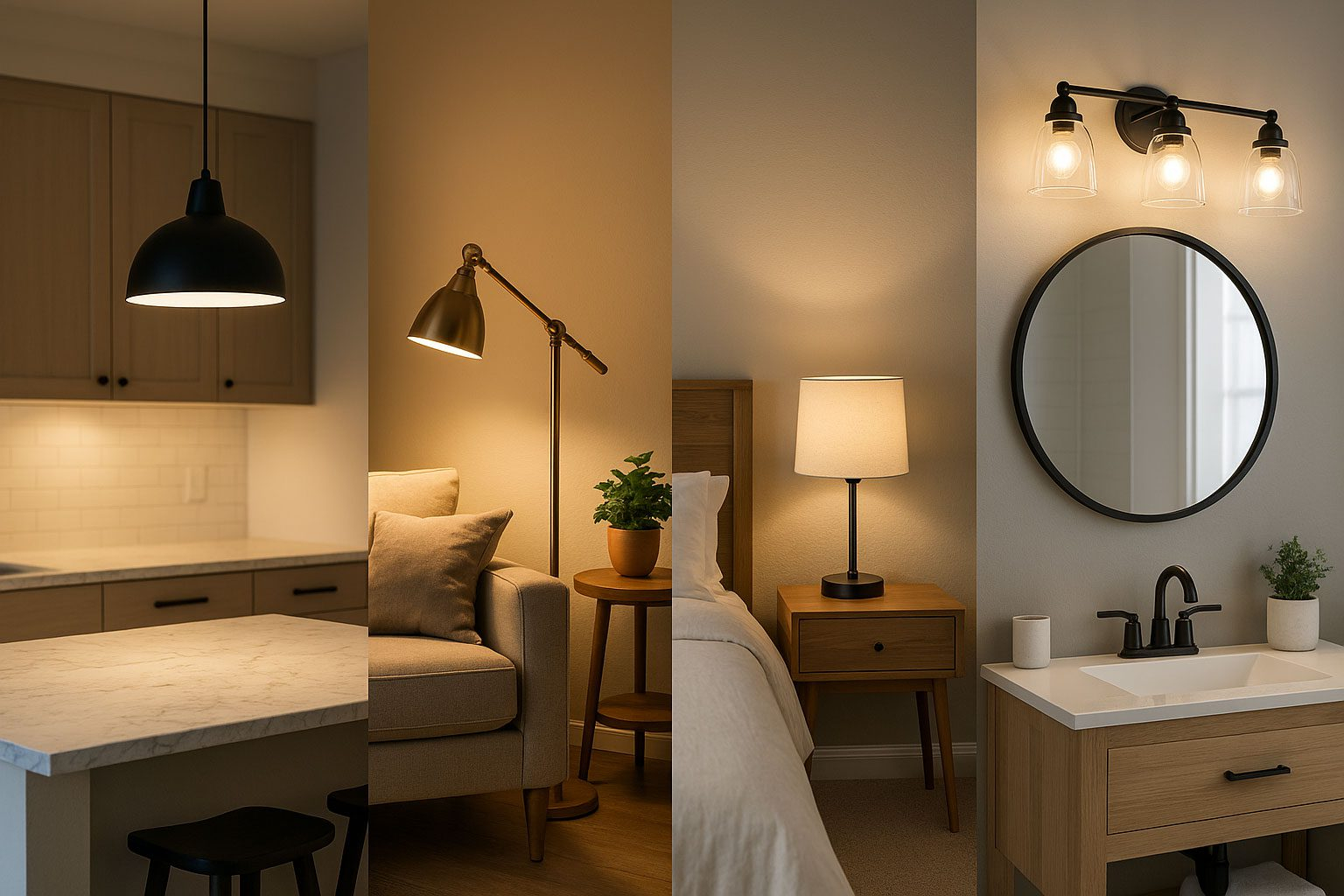
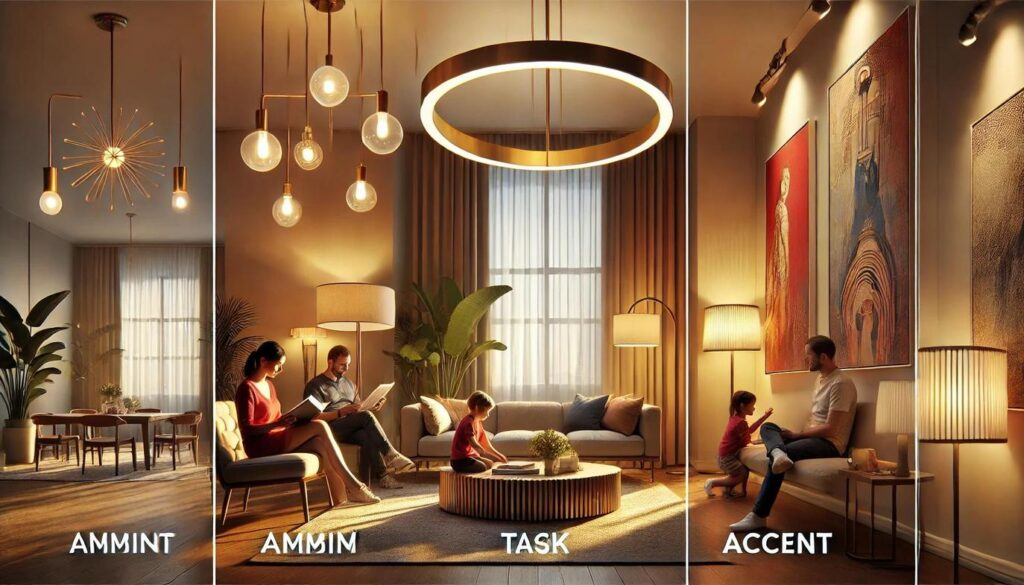
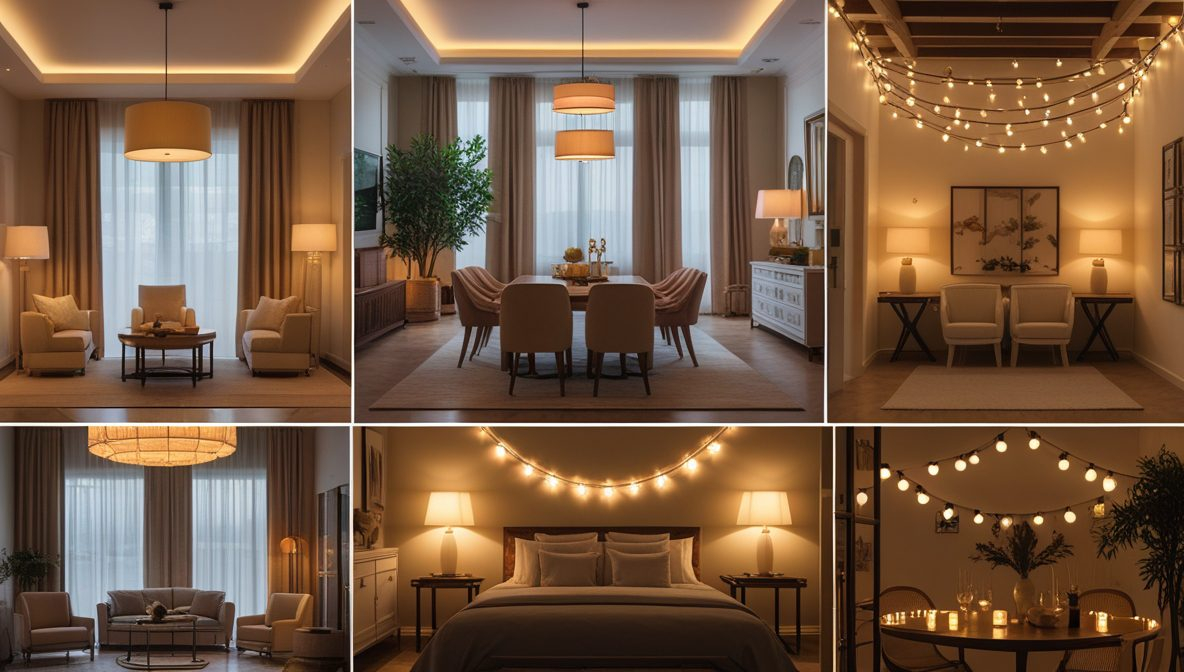
Lighting can make or break a small room. Relying on a single overhead fixture is a recipe for a flat, uninviting space that feels even smaller than it is. Instead, think in layers. Start with ambient lighting, which provides the overall glow. In 2026, LED strip lights installed behind headboards or along crown molding are popular because they wash the walls in soft light, creating depth and making the room feel larger. It’s a subtle effect, but it adds a sophisticated, hotel-like quality to the space.
Next, add task lighting. Every guest needs a place to read or charge their phone. Wall-mounted sconces are perfect for this because they don’t take up any nightstand space. If wiring is an issue, battery-operated puck lights or sleek plug-in lamps work just as well. The key is to position them at eye level when sitting or lying in bed, so they provide focused light without glaring. This creates intimate pools of light that make the room feel cozy and secure, especially at night when the main lights are off.
Finally, don’t underestimate the power of accent lighting. A small table lamp with a warm-toned bulb on a dresser or shelf can add a final touch of warmth. Consider using smart bulbs that allow you to adjust the color temperature. During the day, a cooler light can make the room feel airy and bright. In the evening, switching to a warm, amber hue signals that it’s time to relax and unwind. This flexibility allows you to change the mood of the room instantly, making it adaptable to different times of day and different guest preferences.
Texture Layering for Cozy Vibes
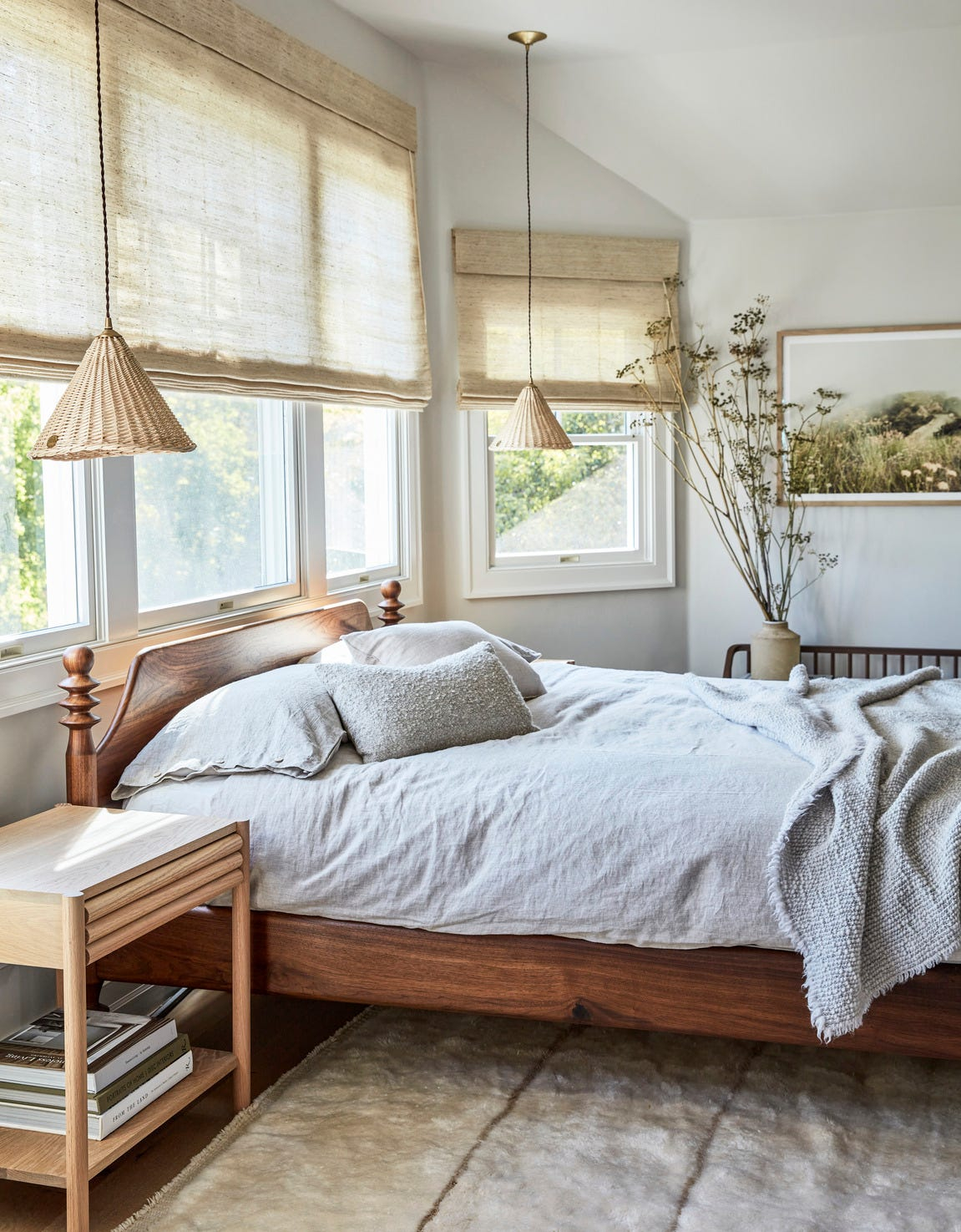
Creating a cozy vibe in a small space might sound like an oxymoron, right? Wrong. Tiny rooms actually lend themselves to coziness better than massive ones—you just need to lean into it rather than fight it. The secret weapon here is texture. When you layer different fabrics and materials, you add visual interest and tactile comfort that distracts from the limited square footage. Start with the bed, which is the focal point of the room. Invest in high-quality, plush bedding that practically begs people to dive in. Think crisp cotton sheets topped with a chunky knit throw or a faux fur blanket.
Mixing patterns and textures is key, but keep the color palette cohesive to avoid chaos. For example, pair a smooth velvet pillow with a rougher linen duvet and a soft wool rug. This contrast creates depth and richness, making the room feel curated and thoughtful. In 2026, natural materials are having a moment, so incorporating elements like wood, stone, or rattan can add warmth and organic beauty. A small rattan chair or a wooden tray on the bed can break up the softness and add a nice structural element.
Don’t forget the windows. Heavy curtains can make a small room feel cramped, so opt for sheer panels that let in natural light while still providing privacy. If you need blackout options for sleep, consider layered treatments with a lightweight sheer and a heavier drape that can be pulled back during the day. Adding a small rug, even if the room is carpeted, can define the sleeping area and add another layer of softness underfoot. It’s these little touches that make the room feel luxurious and cared for, turning a basic space into a genuine retreat.
Color Palettes That Expand Space
Color has a profound impact on how we perceive space. While white walls are a classic choice for making a room feel bigger, they can sometimes feel sterile or clinical. In 2026, we’re seeing a shift towards soft, earthy neutrals and muted tones that expand the space while adding warmth. Think sage green, warm beige, or soft terracotta. These colors reflect light well, keeping the room bright, but they also add a sense of calm and grounding that pure white lacks. They create a backdrop that feels inviting rather than empty.
If you’re feeling brave, consider an accent wall. Painting the wall behind the bed a slightly darker shade can create a focal point and add depth to the room. It draws the eye to the back of the room, making the space feel longer. Just be careful not to go too dark, as this can make the room feel cave-like. Stick to shades that are only a few tones darker than the rest of the walls. Alternatively, use wallpaper with a subtle pattern or texture. A grasscloth or linen-effect wallpaper can add incredible sophistication without overwhelming the senses.
Mirrors are another trick for expanding space visually. A large mirror opposite a window will bounce natural light around the room, making it feel twice as big and twice as bright. You can also use mirrored furniture, like a nightstand or dresser, to achieve a similar effect. The reflection breaks up the solid mass of the furniture, making it feel lighter and less imposing. Just ensure the mirror reflects something pleasant, like a plant or a piece of art, rather than a cluttered corner. It’s a simple design hack that delivers immediate results.
What separates a good guest room from a great one isn’t the size—it’s the thoughtfulness. Adding personal touches and hotel-inspired amenities shows your guests that you’ve considered their comfort and well-being. Start with the basics: a clean, fresh scent. Avoid heavy air fresheners, which can be overwhelming in a small space. Instead, opt for a subtle diffuser with essential oils like lavender or eucalyptus, or simply leave a small bouquet of fresh flowers on the nightstand. It’s a small gesture that makes a big impression.
Provide a dedicated spot for their belongings. A small tray on the dresser for keys and wallets, a few empty hangers in the closet, and a basket for dirty laundry show that you’ve thought about their daily routine. Include a charging station with multiple outlets or USB ports, because nobody wants to hunt for a plug in the middle of the night. In 2026, tech-integrated furniture is becoming more common, so consider a nightstand with built-in wireless charging pads to keep cords off the floor and out of sight.
Finally, curate a small welcome kit. A bottle of water, a few snacks, and a handwritten note go a long way in making guests feel welcomed. You might also include a guide to the local area with your favorite coffee shops and restaurants, or a list of Wi-Fi passwords and house rules. These small details transform the room from a place to sleep into a personalized experience. It’s about creating a sense of belonging, even if just for a night. When guests feel cared for, they won’t remember that the room was small; they’ll remember how good it felt to be there.
Wrapping it all up, designing a tiny guest bedroom in 2026 is less about fighting the constraints and more about embracing them. By choosing multi-functional furniture, utilizing vertical space, layering lighting and textures, and adding thoughtful personal touches, you can create a space that feels expansive, luxurious, and deeply welcoming. It’s not about the square footage; it’s about the soul you put into the room.
Remember, the goal isn’t to mimic a grand hotel suite, but to offer a genuine, comfortable haven. Your guests will appreciate the effort and creativity far more than they would miss the extra space. So, don’t be afraid to experiment with bold colors, unique textures, and clever storage solutions. With a bit of planning and a lot of heart, your tiny guest room can become the most beloved spot in your home.
At the end of the day, hospitality is about connection, not perfection. A small, cozy room invites intimacy and relaxation in a way that a large, empty space never could. So take a deep breath, trust your instincts, and start transforming that awkward nook into a masterpiece of comfort. Your future guests—and your own sense of pride—will thank you for it.