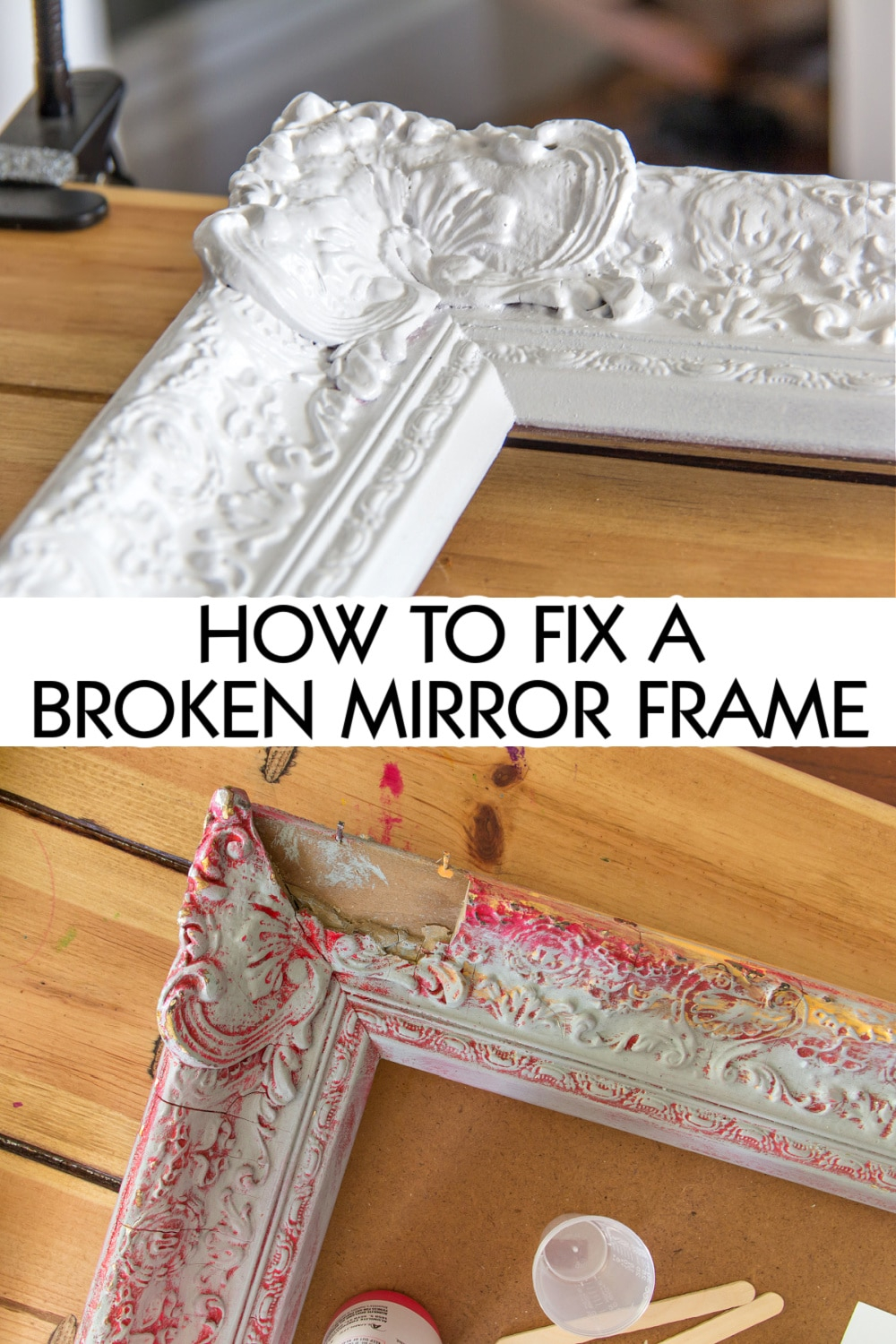
Ever spend hours meticulously checking your numbers, only to end up with a mirror that refuses to sit flush in its frame. It is one of those frustrating DIY moments that makes you question your entire afternoon. You followed the golden rule of carpentry. You measured twice, maybe even three times. Yet, the corners still gap and the glass rattles around like loose change.
We have all heard the old saying about measuring twice and cutting once. It sounds like foolproof advice passed down from generations of master builders. But anyone who has ever tried to craft a simple wooden border for a looking glass knows the truth. Numbers on a tape measure are only part of the puzzle. Wood has a mind of its own, and geometry can be surprisingly slippery when you bring saws and glue into the mix.
The Myth of the Perfect Right Angle
We assume our corners are square because our miter saw says it is set to forty five degrees. Factory settings drift over time, and a tiny microscopic shift throws off every single joint in the room. When you cut four pieces at what you think is a true right angle, those tiny errors accumulate. By the time you reach the final corner, the gap tells the whole story.
Wood also expands and contracts with the humidity in your workshop. A measurement taken on a damp Tuesday morning might look completely different by the time you do your assembly on a dry Thursday afternoon. Relying solely on numbers printed on a steel blade ignores the physical reality of the material you are working with.
The Hidden Twist in Your Stock
Lumber yards rarely sell perfectly flat boards, even if they look straight to the naked eye. A slight warp or twist along the length of your wood will ruin a mitered joint faster than a bad measurement. When you press warped pieces together, they fight each other under tension.
You might measure the outer edge with extreme precision, but if the face of the board has a slight cup in it, the frame will twist. This torsion makes it impossible for the glass to sit evenly. Checking for flat surfaces is just as vital as checking lengths.
The Blade Kerf Trap
Every time your saw blade passes through timber, it eats away a specific width of material known as the kerf. If you do not account for this missing wood during your layout phase, your subsequent cuts will slowly drift off target. It sounds basic, but it is easy to forget when you are focused entirely on the numbers written on your pencil marks.
Professional makers always factor the blade thickness into their cutting list before making the first stroke. Ignoring the kerf means your final piece ends up a fraction of an inch too short or long. That tiny discrepancy ruins the snug fit required to hold a heavy pane of glass safely.
Clamping Pressure Distortion
Applying too much force with bar clamps can actually bend your wood out of alignment during the glue up phase. You pull everything tight, step back to admire your work, and watch the corners creep open. Wood has natural elasticity, and squeezing it too hard makes it flex in unpredictable ways.
Uneven pressure from strap clamps will pull one side of the frame faster than the other. If one corner gets more tension than the rest, the whole square turns into a parallelogram. Gentle, even pressure always wins over brute strength.
Glass Expansion Allowances
Mirrors are heavy, and they are also surprisingly sensitive to temperature shifts in your home. If you build a frame with zero wiggle room because your measurements were too tight, the glass will eventually crack. Glass needs a microscopic cushion to expand safely without putting pressure on the wood joints.
Makers often forget to account for the thickness of the backing materials and mirror mastic. Neglecting this space means your glass sticks out past the rabbet. When that happens, hanging the finished piece securely becomes an impossible chore.
Your workbench might look flat, but is it truly level and square. If you build your frame on a surface that has a slight dip in the middle, your assembly will lock into that distorted shape as the glue dries. You can measure the wood parts a dozen times, but if your foundation is crooked, the final product inherits that flaw.
Checking your assembly area with a reliable builder level is a step many beginners skip. Taking ten seconds to verify your workbench saves hours of regret later. Good craftsmanship relies on checking your environment, not just your materials.
Building a sturdy mirror frame takes patience, observation, and a bit of intuition that goes far beyond standard arithmetic. Woodworking remains an art form precisely because materials refuse to follow strict mathematical rules all the time. Next time you tackle a frame project, look beyond the tape measure and pay attention to how the pieces actually fit together in the real world.