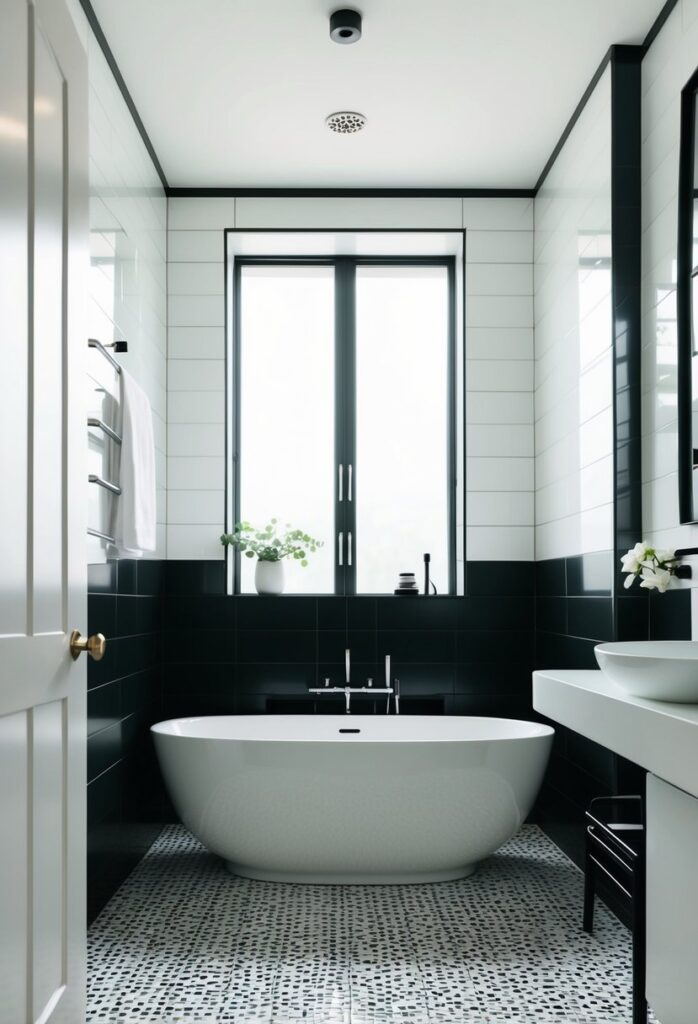
The morning light hits the unpolished Carrara marble of the vanity, catching the subtle gray veining before bouncing off unlacquered brass hardware that has already begun to develop a rich, living patina. There is no trace of the avocado green tubs of the 1970s, no aggressive neon LED strips, and no hyper-trendy geometric tiles that will scream "2021" five years from now. Instead, the room breathes. It feels like it has always been there, yet it functions with the modern precision required of a high-use domestic space.
Too many home renovations fall victim to the siren song of short-term social media aesthetics. We watch styles cycle at a breakneck speed, swapping out moody dark greens for minimalist micro-cement, only to realize that every micro-trend carries an expiration date stamped straight onto its installation cost. Remodeling a bathroom is an expensive, disruptive, and structurally permanent endeavor. Pulling up cement board, re-routing plumbing, and replacing custom vanities because a color palette aged like milk is a costly cycle that exhausts homeowners and drains bank accounts.
Achieving longevity in interior design requires stepping away from the churning engine of instant gratification. A truly enduring bathroom palette is not about playing it safe with boring whites; it is about building a foundation of architectural depth, tactile honesty, and balanced proportions. When you rely on historical precedent, material authenticity, and restrained color theory, you construct a sanctuary that feels effortlessly relevant year after year, refusing to bow to the fickle demands of seasonal decor.
The Architecture of Color: Why Restraint Outlasts Novelty
Color in a bathroom acts as an environmental psychological anchor. Step inside a room drenched in high-saturation turquoise or matte black from floor to ceiling, and the initial reaction might be dramatic or moody. Give it thirty-six months, however, and that same room begins to feel oppressive, dated, and inextricably tied to a very specific cultural moment. Enduring palettes rely heavily on the spectrum of warm neutrals, chalky off-whites, understated taupes, and nature-led stone tones that mimic the earth rather than a digital mood board.
The secret to avoiding a sterile, hospital-like feel without leaning on aggressive color trends lies in layering tonal variations. If every single surface is painted the exact same stark builder-grade white, the room feels flat and uninviting. Instead, a timeless space introduces subtle shifts in hue and reflectivity: creamy plaster walls, unglazed ceramic floor tiles, warm white oak cabinetry, and veined natural stone. These elements share a common chromatic family, allowing light to bounce and diffuse softly across different textures rather than crashing against harsh contrasts.
Color psychology also dictates how we experience a bathroom over decades. Mornings require clarity and calm; evenings demand decompression. Palettes rooted in nature—soft clay, limestone, slate gray, and warm linen—respond organically to changing daylight. They shift from crisp and bright at noon to golden and intimate under warm incandescent or filtered LED lighting. When your base palette mirrors the natural world, it bypasses trend cycles entirely because human biology never tires of organic equilibrium.
Material Authenticity and the Economics of Enduring Surfaces
The tactile reality of a bathroom dictates its perceived value and visual longevity much more than paint color alone. Synthetic materials that mimic stone or wood often carry visual tells that age poorly as manufacturing techniques evolve. When you walk into a turn-of-the-century townhouse or a historic European hotel, the materials that still take your breath away are authentic: cast iron, genuine marble, fireclay, unlacquered brass, and true porcelain. These surfaces do not hide what they are; they accept wear and turn it into character.
Natural stone requires understanding porosity and maintenance, but nothing replaces the depth of actual limestone or honed marble. If maintenance is a primary concern, porcelain tile engineered to authentically replicate stone textures offers a bulletproof alternative without sacrificing aesthetic weight. The key is avoiding high-gloss finishes that feel cheap and slip-hazard dangerous. Honed, tumbled, and matte finishes diffuse light evenly, masking minor water spots and daily wear far better than their shiny counterparts.
Hardware and fixtures serve as the jewelry of the bathroom, and this is where many renovations commit fatal errors. Plated chrome that chips to reveal cheap pot metal, or trendy matte black finishes that scratch and show hard water rings within a season, guarantee a dated look within years. True timelessness favors living finishes like unlacquered brass, brushed nickel, and polished chrome. These metals either age gracefully through oxidation or maintain a pristine, classic brilliance that has anchored high-end architecture for over a century.
Methodical Steps for Designing a Flawless, Future-Proof Palette
Building a lasting palette is an intentional sequence of decisions rather than an ad-hoc shopping trip. Every element must be weighed against its neighbors to ensure visual harmony that survives changing design fads.
- Step 1 (Establish the Fixed Architectural Base): Select your primary permanent surfaces first—flooring, wall tile, and built-in vanity structures. Opt for classic formats like 1×2-inch unglazed porcelain hex tiles, traditional subway tile with traditional grout lines, or large-format honed natural stone that will serve as a neutral canvas for decades.
- Step 2 (Select a Tonal Neutral Family): Choose a core color temperature for your walls and cabinetry. Decide whether your space leans warm (creams, warm taupes, clay-infused beiges) or cool (soft grays, crisp chalk whites), and commit to that temperature across all matte surfaces to prevent visual dissonance.
- Step 3 (Incorporate Organic Textures): Introduce warmth and contrast through tactile elements that do not rely on loud paint colors. Integrate natural wood vanities with visible grain, woven baskets, or hand-thrown ceramic accessories to break up hard stone and tile surfaces.
- Step 4 (Choose Living or Classic Metal Finishes): Standardize your hardware across faucets, shower trims, drawer pulls, and light fixtures. Stick to unlacquered brass, brushed nickel, or unpolished chrome to ensure the metalwork ages with dignity rather than peeling or looking dated.
- Step 5 (Layer Lighting for Emotional Flexibility): Design a three-tier lighting scheme incorporating ambient overheads, task-specific vanity sconces at eye level (never just top-down glare), and subtle low-level night lighting. Use warm color temperatures around 2700K to keep the space inviting.
Avoiding the Traps: Common Remodeling Pitfalls and How to Sidestep Them
Even well-intentioned renovators often fall into well-marketed traps that guarantee a dated bathroom within a handful of years. Recognizing these missteps before swinging a hammer saves thousands of dollars and endless frustration.
- Pitfall 1 (Chasing Hyper-Specific Accent Tiles): Installing high-contrast, trendy cement tiles in aggressive geometric patterns across the entire floor creates immediate visual fatigue. Workaround: Keep large surface areas classic and neutral; if you crave pattern, use it in easily swappable textiles like bath mats, art, or shower curtains.
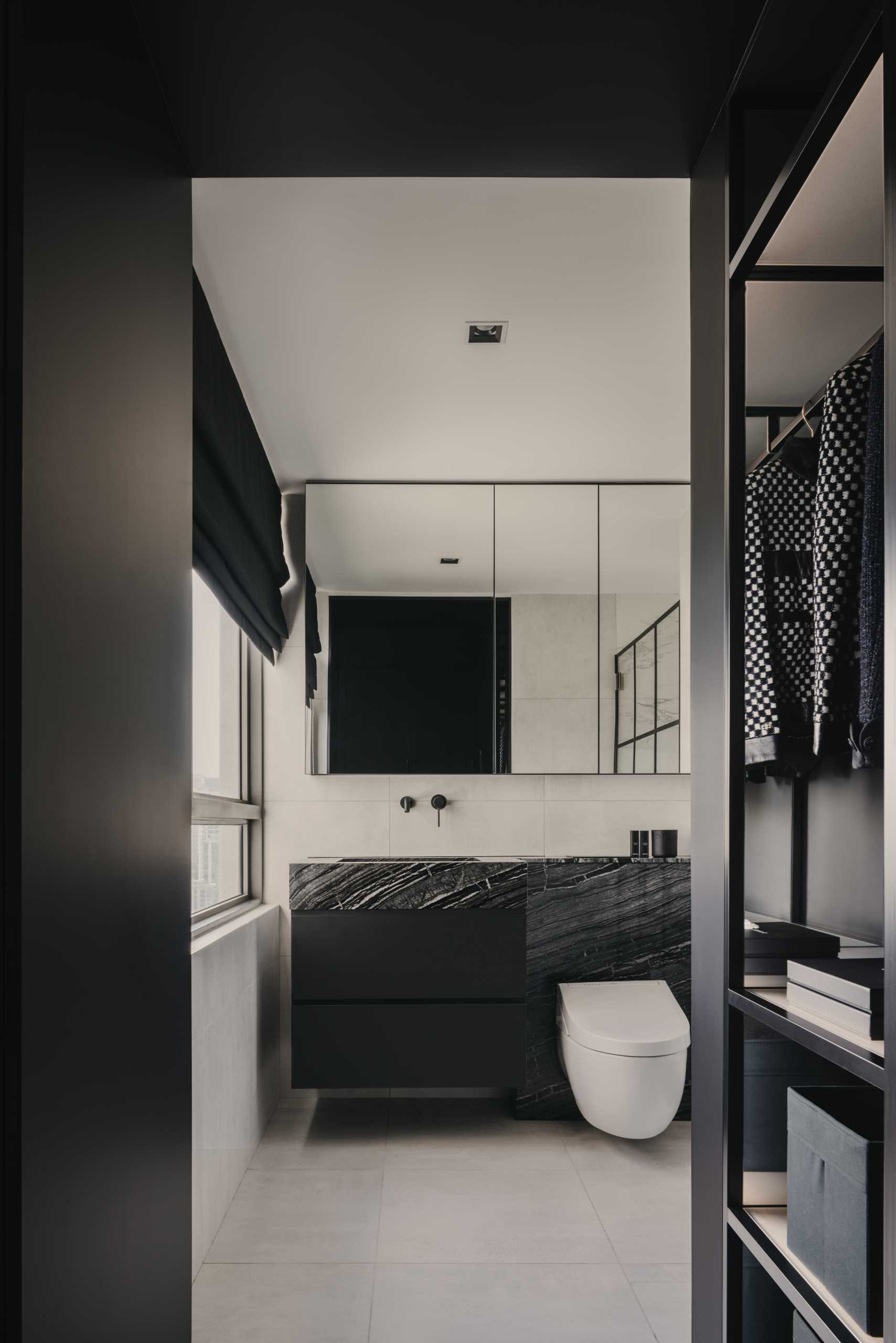
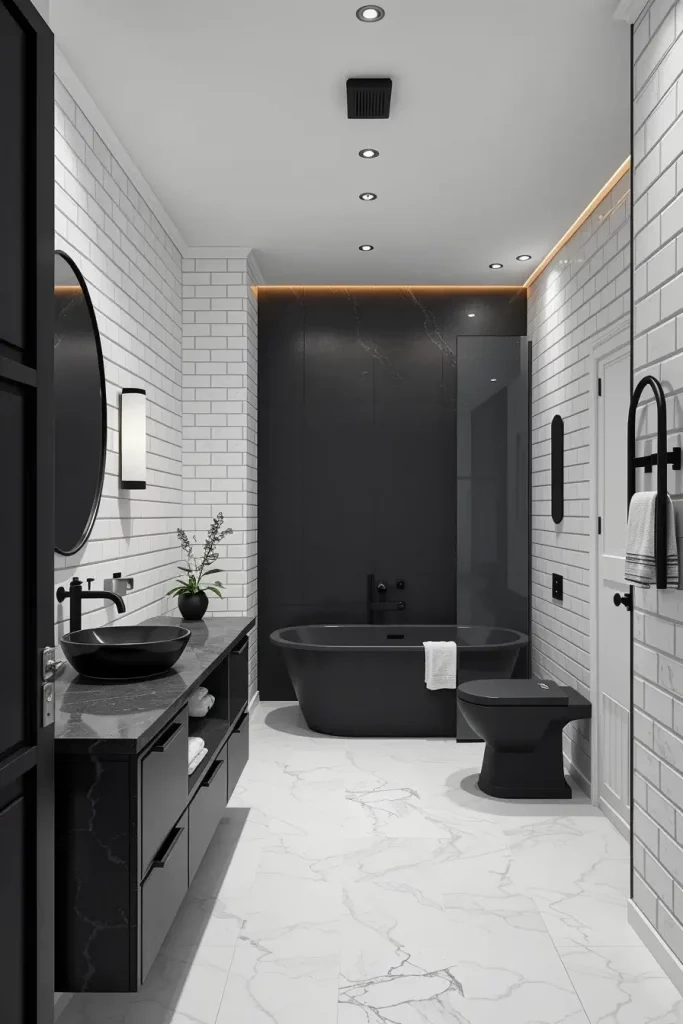
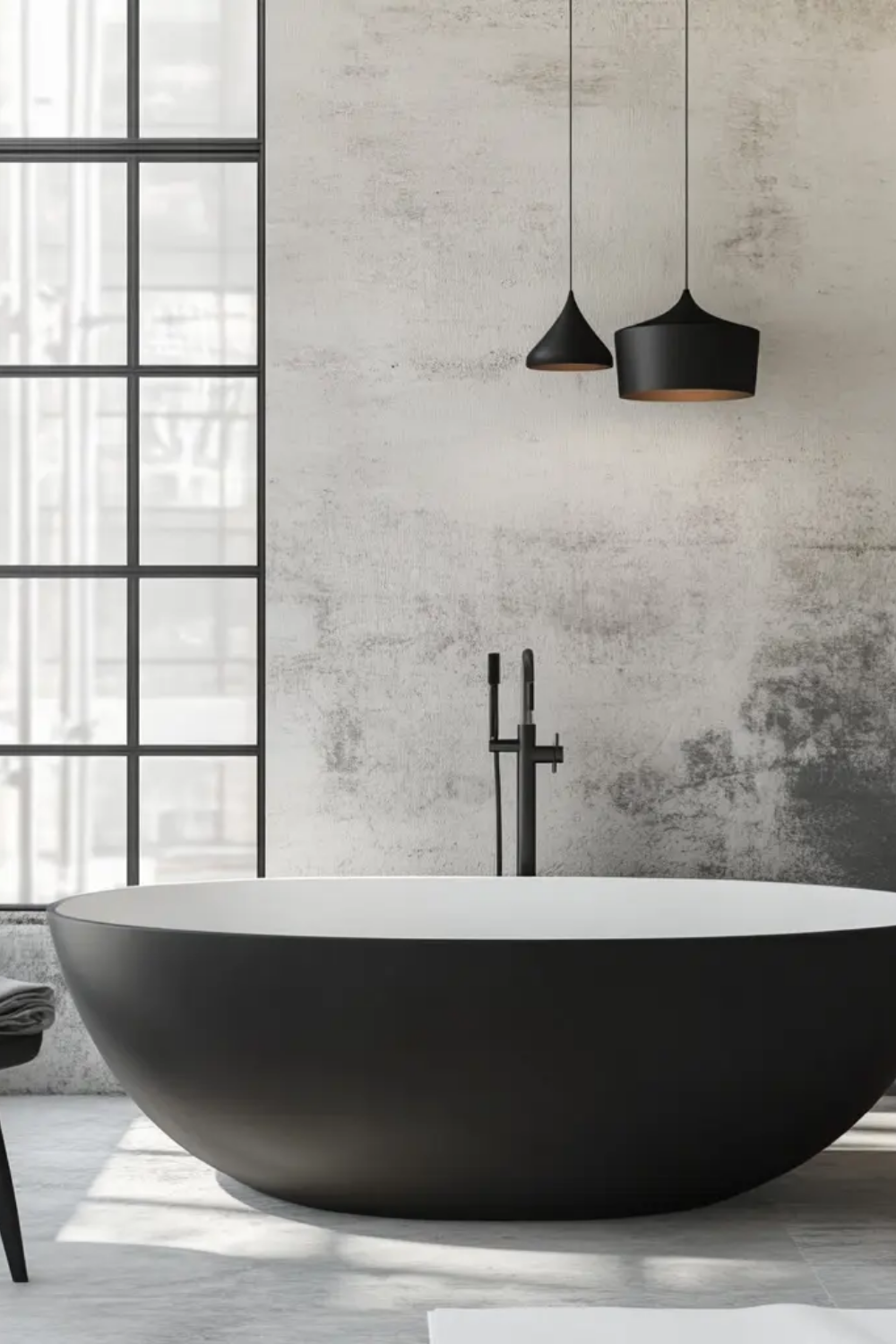
- Pitfall 2 (Over-Reliance on Matte Black Fixtures): While striking initially, heavy black hardware can feel aggressive and highlights mineral deposits and soap scum aggressively in hard-water regions. Workaround: Opt for brushed nickel or living brass, which naturally camouflage daily water marks and maintain long-term elegance.
- Pitfall 3 (Ignoring Scale and Proportions): Placing massive, oversized vanities in compact powder rooms or tiny mosaic tiles in sprawling master baths disrupts visual balance. Workaround: Match tile scale to room dimensions—larger formats expand small spaces visually while traditional scales anchor grand rooms.
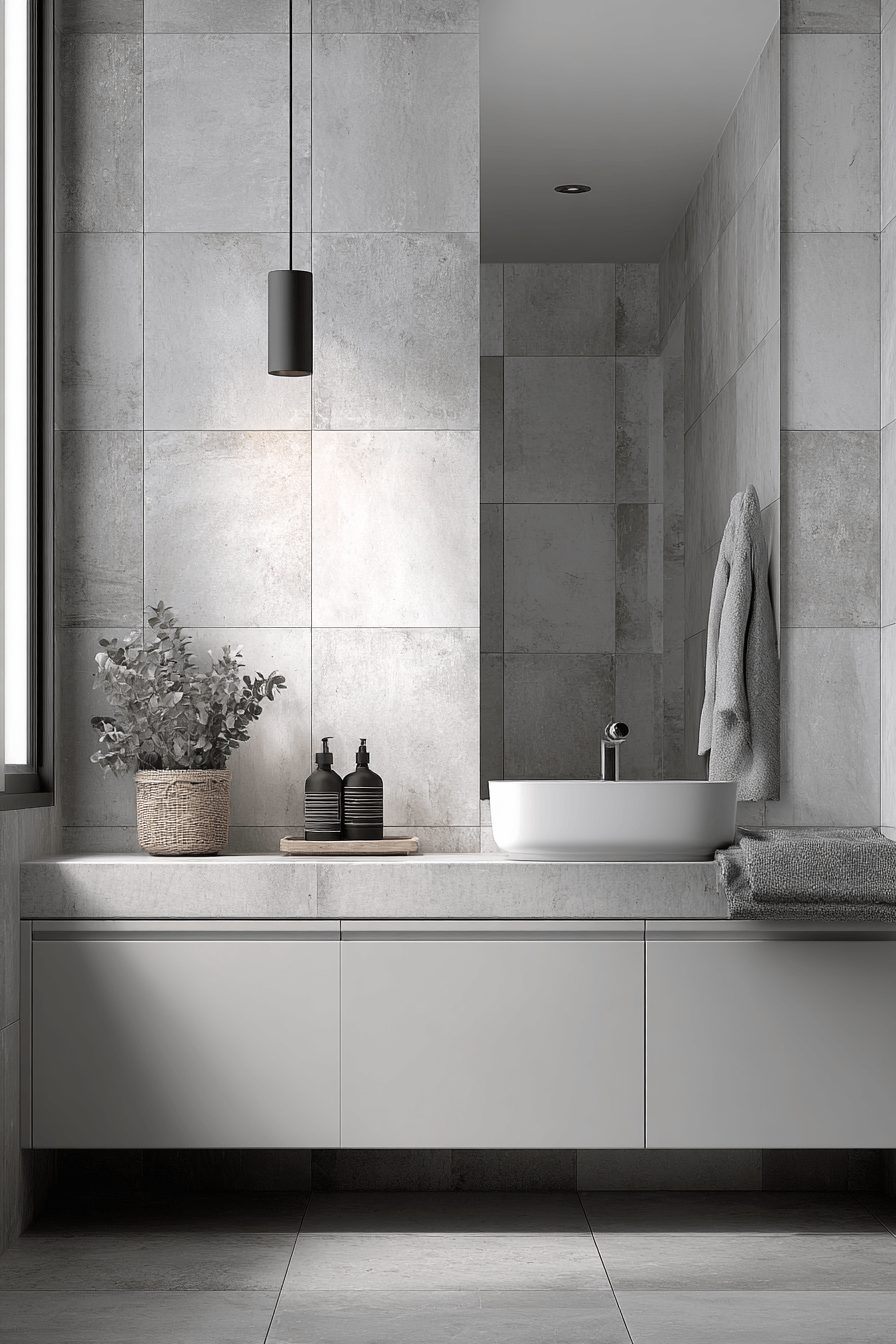
- Pitfall 4 (The All-Gray Monolithic Trap): Drenching walls, floors, and cabinetry in cool, flat gray creates a sterile, institutional environment devoid of human warmth. Workaround: Inject organic warmth through natural wood tones, textured linen fabrics, and varied stone undertones.
- Pitfall 5 (Over-Lighting with Harsh Cool LEDs): Using clinical 4000K+ daylight bulbs turns a relaxing bathroom into an operating room. Workaround: Insist on high Color Rendering Index (CRI 90+) bulbs at 2700K to render skin tones naturally and keep the atmosphere calm.
The Long-Term Economics and Environmental Ethics of Enduring Design
We live in a disposable culture where home improvement retail encourages complete gut-reno cycles every seven to ten years. This approach is not only financially draining; it is an environmental disaster. Landfills swell with discarded acrylic tubs, water-logged pressboard vanities, and out-of-style ceramic tiles that were manufactured for single-decade utility. Crafting a timeless bathroom palette is an inherently sustainable act. By investing in high-quality materials that improve with age, you reduce consumption and honor the craftsmanship of durability.
Economic sense aligns directly with aesthetic longevity. A bathroom finished in solid marble, heavy cast iron, and solid brass costs more upfront than a budget-friendly suite of flat-pack laminate and plastic-coated fixtures. However, when calculated across a thirty-year horizon, the durable option requires zero cosmetic overhauls. It merely requires cleaning, occasional resealing of stone, and perhaps a fresh coat of low-VOC paint on the walls every few years.
Furthermore, timeless design protects real estate equity. When the time comes to sell a home, prospective buyers can immediately spot a house that was flipped with cheap, trendy finishes versus one built with classic integrity. A neutral, high-end bathroom allows a new owner to project their own life onto the space without calculating the immediate five-figure expense of tearing out an overly specific, dated aesthetic. Enduring design is, at its core, a universal language of quality that resonates across generations.
Practical Frameworks for Personalizing Your Classic Sanctuary
A timeless palette should never feel like a sterile museum exhibit or a generic hotel room stripped of personality. The true mastery of enduring design lies in knowing where to maintain strict discipline and where to inject personal narrative.
Maintain absolute discipline on fixed architectural elements: the tile layout, tub shell, sink configuration, and core metal finishes. These are expensive and labor-intensive to alter. Conversely, treat your soft decor, mirrors, artwork, and wall color as a living canvas that can evolve as your personal tastes shift over the decades. A classic subway tile and marble floor can pivot seamlessly from traditional country charm to sleek transitional modernism simply by changing the framed art on the wall and the weave of the Turkish towels on the rack.
Consider introducing vintage or antique elements to instantly ground a newly renovated space in a sense of history. Sourcing an antique gilded mirror to hang above a clean-lined modern vanity, or utilizing an antique wooden dresser converted into a sink base, breaks the monotony of showroom-fresh perfection. These curated inconsistencies prevent a bathroom from feeling like it was ordered entirely from a single corporate catalog, infusing the room with a layered, lived-in soul that trend-driven designs can never manufacture.
Creating a bathroom that refuses to feel dated is an exercise in quiet confidence. It requires silencing the noise of social media feeds that demand constant novelty and instead listening to the quiet rhythms of material honesty, balanced proportion, and historical continuity. When you strip away the temporary gimmicks, you are left with a space that serves your daily rituals with grace, calm, and enduring beauty.
As you embark on your design journey, remember that perfection is not the goal; authenticity is. Choose materials that tell the truth, colors that respect the light of day, and fixtures built to outlast the trends of the decade. By doing so, you build more than just a functional room—you create a private sanctuary that will feel just as breathtaking twenty years from now as it does the morning you first step onto its floor.