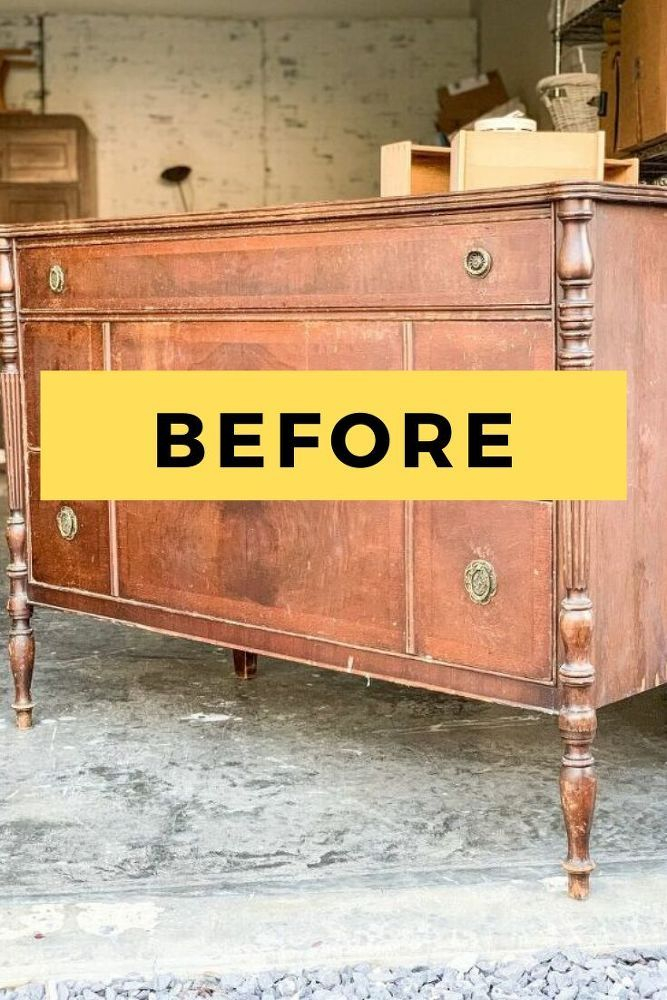
Ever walked into a thrift shop and felt overwhelmed by the sheer volume of stuff? It’s easy to see just junk. But look closer. Really look. That chipped vase? It has bones. That ugly lamp? It has potential. In 2026, the thrill isn’t just in the finding. It’s in the seeing. Seeing what something could be. We are living in a time where sustainability isn’t just a buzzword; it’s a lifestyle. And honestly, it’s cheaper than buying new. Much cheaper.
But here is the thing. Most people stop at the purchase. They bring home a dated wooden chair, paint it white, and call it a day. Sure, it’s better. But is it a statement? Probably not. A statement piece demands attention. It sparks conversation. It makes guests ask, "Where did you get that?" And when you say, "Oh, this old thing? I found it for five bucks," the look on their face is priceless. That is the magic we are chasing.
Transforming thrift store finds requires a shift in mindset. You have to stop seeing objects as they are and start seeing them as raw materials. It’s about vision. It’s about patience. And yeah, it’s about getting your hands dirty. This guide isn’t just about saving money. Although, let’s be real, saving money is a huge perk. It’s about creating a home that feels uniquely yours. A space that tells a story. Your story. So, grab a cup of coffee. Let’s dive into how you can turn trash into treasure.
Seeing Potential Where Others See Trash
The first step happens before you even pick up an item. It happens in your mind. When you walk into a secondhand store, you need to wear different glasses. Literally or figuratively. Ignore the scratches. Ignore the outdated fabric. Look at the shape. Look at the lines. Is the structure solid? Does it have good proportions? These are the things that matter. You can fix a scratch. You can’t fix bad proportions.
Take mirrors, for example. In 2026, oversized mirrors are still huge. But new ones cost a fortune. At the thrift store, you might find a massive, ornate frame with cracked glass. Most people walk right past it. Don’t. Buy it. The frame is the value. The glass is replaceable. With a bit of sanding and some gold leaf spray paint, that dusty brown frame becomes a glamorous focal point. It looks like it came from a high-end boutique in Paris. But it cost you twelve dollars.
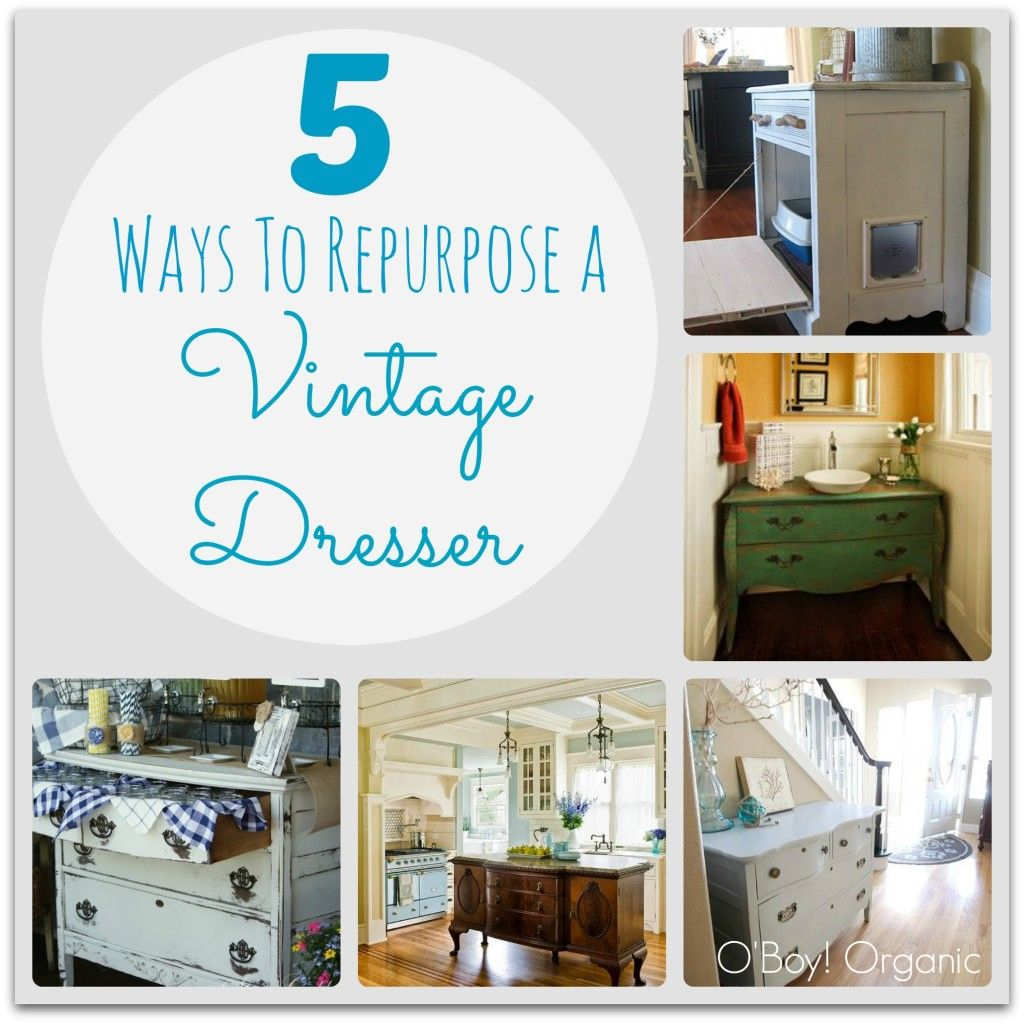
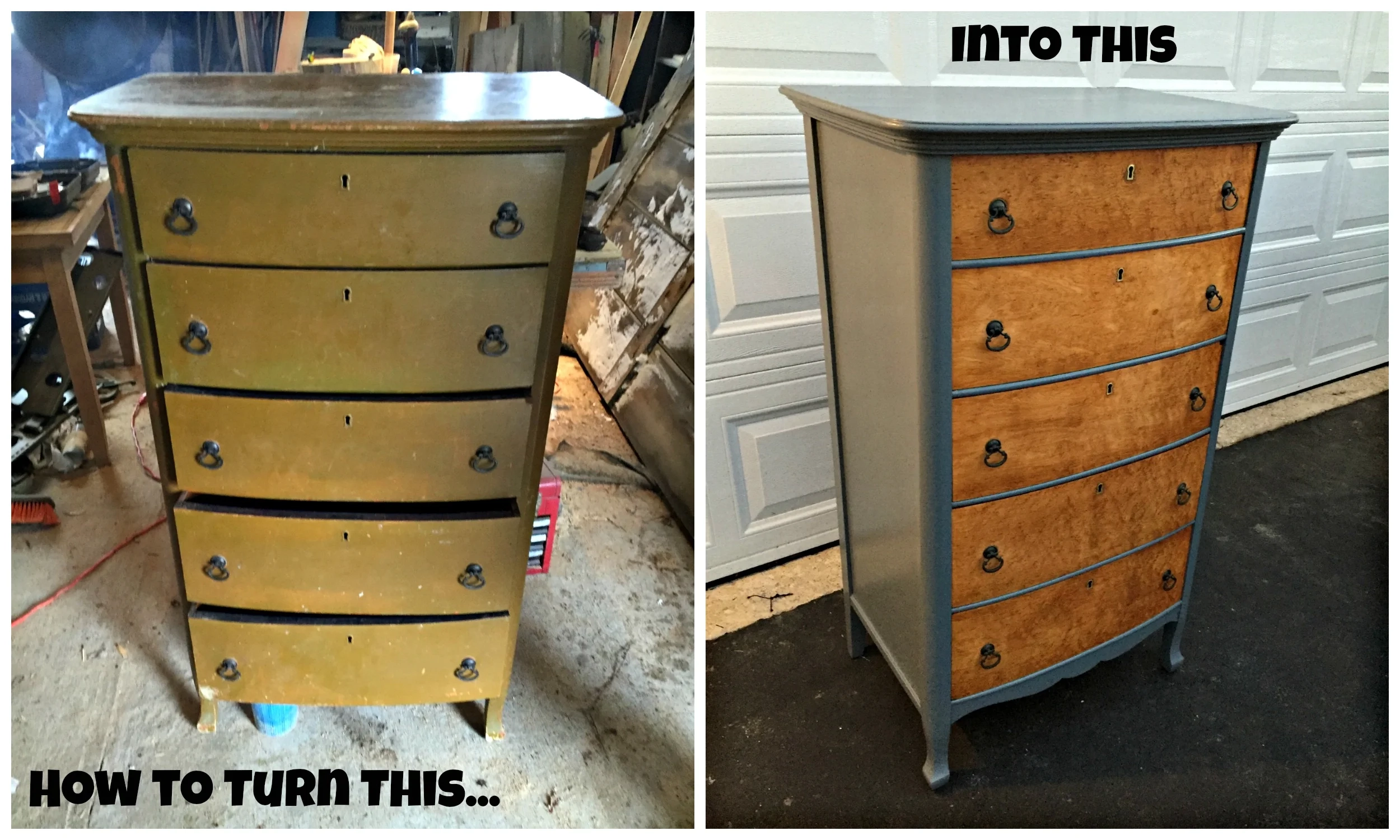
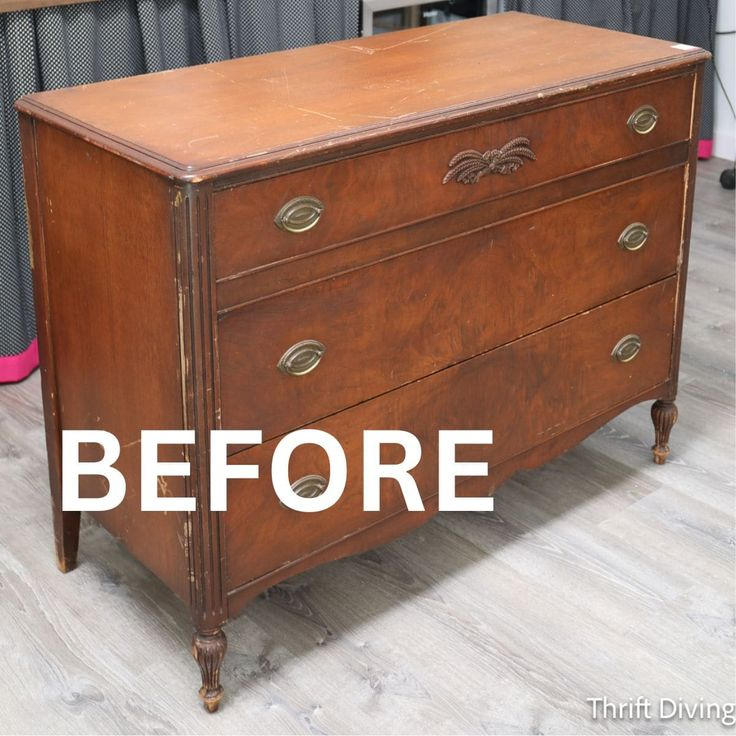
Another great candidate is solid wood furniture. Avoid particle board like the plague. It doesn’t hold up to transformation well. Look for heavy, sturdy pieces. Dressers with dovetail joints. Tables with thick legs. These items were built to last. They have weight. They have presence. Even if the finish is terrible, the underlying quality is there. You can strip it down. You can stain it. You can paint it. The result will feel substantial. It won’t feel flimsy. And that feeling of quality is what makes a piece a statement.
Don’t forget about textiles either. Old tapestries, wool blankets, or even worn-out leather jackets can be repurposed. Maybe that ugly rug has a beautiful pattern hidden under the dirt. Clean it. See what happens. Maybe those leather sleeves can become pillow covers. Keep an open mind. Ask yourself, "What if?" What if I cut this? What if I dye that? The possibilities are endless if you let your imagination run wild. It’s kinda liberating, actually.
The Power of Paint and Finish Techniques
Let’s talk about paint. It’s the most common tool in the upcycling toolkit. But it’s also the most misused. Slapping a coat of white latex on everything is boring. It’s safe. But it’s not exciting. In 2026, we are moving beyond flat colors. We are embracing texture. We are embracing depth. This is where technique matters more than the color itself.
Consider limewash. It’s been around for centuries, but it’s having a major moment right now. Limewash creates a cloudy, mottled effect that looks aged and sophisticated. It works beautifully on wood and brick. Imagine taking a plain, boxy bookshelf and applying a soft, earthy limewash. Suddenly, it looks like an antique find from a European estate. It adds character. It adds warmth. And it’s surprisingly easy to do. You just need the right paint and a specific brush technique.
Then there is the art of distressing. New furniture often looks too perfect. Too sterile. Distressing gives it history. You can use sandpaper to wear down edges. You can use a chain to create dents. You can even use steel wool and vinegar to age wood naturally. The goal isn’t to make it look broken. The goal is to make it look loved. Think about the furniture in your grandparents’ house. It had scars. It had marks. And that’s what made it charming. Embrace those imperfections.
For metal items, try patina solutions. Brass and copper develop a greenish-blue tarnish over time. You can speed up this process with household items like salt, vinegar, and ammonia. A shiny, cheap brass lamp can be transformed into a vintage-style fixture with a rich, aged patina. It looks expensive. It looks intentional. And it adds a layer of visual interest that plain paint just can’t achieve. Experimentation is key here. Test on small areas first. See what works. Don’t be afraid to mess up. Sometimes the mistakes lead to the best discoveries.
Hardware Swaps and Structural Tweaks
Sometimes, the biggest impact comes from the smallest changes. Hardware is the jewelry of furniture. It’s the detail that catches the eye. Yet, so many people overlook it. They keep the original knobs and pulls because they’re "fine." Fine is the enemy of fantastic. Swap them out. It’s one of the easiest and most effective ways to elevate a piece.
Go for contrast. If you have a dark wood dresser, try bright chrome or brushed nickel handles. If you have a painted white cabinet, try black matte knobs or antique brass bins. The contrast creates visual pop. It draws attention. You don’t need to spend a lot either. Online marketplaces and hardware stores have endless options. Look for unique shapes. Look for interesting textures. A simple ceramic knob can change the entire vibe of a drawer.
But don’t stop at hardware. Consider structural tweaks. Can you remove doors to create open shelving? Can you add legs to a bulky cabinet to make it feel lighter? Can you cut down a tall bookshelf to fit a specific nook? These changes require a bit more skill. You might need a saw. You might need a drill. But the payoff is huge. You are customizing the piece to fit your space perfectly. It stops being a generic item and starts being a bespoke creation.
Lighting fixtures are another area ripe for structural changes. An old chandelier can be rewired. You can swap out dated shades for modern linen ones. You can even spray paint the metal frame. A clunky, brass-heavy light from the 90s can become a sleek, minimalist statement piece with just a few adjustments. Just make sure you know what you’re doing with electricity. Or hire a pro for the wiring part. Safety first, always.
Textile Transformations and Upholstery Hacks
Fabric can make or break a piece. Old upholstery is often stained, faded, or just plain ugly. But the frame underneath is usually solid. Reupholstering sounds scary. It sounds expensive. But it doesn’t have to be. There are hacks that make it accessible for beginners. And the results can be stunning.
Start with simple pieces. Dining chairs are a great place to start. Remove the seat cushion. Cut a new piece of foam if needed. Wrap it in your chosen fabric. Staple it tight. Done. It takes maybe twenty minutes per chair. Choose a bold pattern or a rich velvet. Suddenly, your mismatched thrift store chairs look like a coordinated set from a designer showroom. It’s magic.
For larger pieces like sofas or armchairs, consider slipcovers. You don’t have to sew them from scratch. You can buy ready-made ones and tailor them with pins and safety pins. Or, use large throws and blankets to drape over the furniture. Tuck them in neatly. Add decorative pillows. It’s a temporary solution, but it works. It allows you to change the look seasonally without committing to permanent upholstery.
Don’t forget about non-upholstery textiles. Old curtains can become pillow covers. Sweaters can become cozy basket liners. Even denim jeans can be repurposed into durable tote bags or patchwork quilts. The key is to look for quality fabrics. Natural fibers like cotton, wool, and linen age better than synthetics. They feel nicer. They look richer. And they add a tactile element to your decor that plastic and metal just can’t match.
In 2026, mixing patterns is totally acceptable. Don’t be afraid to clash florals with stripes. Just keep the color palette consistent. This adds energy to the room. It shows confidence. It shows that you didn’t just buy a matching set from a catalog. You curated these pieces. You mixed them with intention. That’s what makes it stylish.
Creative Repurposing and Unexpected Uses
This is where the fun really begins. Repurposing means using an item for something other than its original intent. It requires creativity. It requires thinking outside the box. A ladder doesn’t have to be a ladder. A suitcase doesn’t have to hold clothes. A window frame doesn’t have to go in a wall.
Take ladders. Wooden ladders are everywhere in thrift stores. Lean one against a wall and use it as a blanket rack. Hang towels from the rungs in the bathroom. Use it as a plant stand. It adds vertical interest. It draws the eye up. It’s functional and decorative. Plus, it’s super cheap.
Suitcases are another classic. Stack them up to create a quirky side table. Open one up and line it with fabric to use as a storage bin. Mount them on the wall as shelves. They add a touch of nostalgia. They hint at travel and adventure. They’re conversation starters. Everyone has a story about a trip. The suitcase invites those stories.
Window frames can be turned into photo displays. Remove the glass. Paint the frame. Hang photos from wires strung across the opening. Or, use them as mirrors by attaching mirror tiles to the back. They work great as headboards too. Just prop them behind the bed. Add some fairy lights. It creates a dreamy, romantic vibe.
Think about kitchen items too. Colanders can become hanging planters. Teacups can become candles. Grater boxes can hold utensils. The possibilities are literally endless. Look at every object and ask, "What else could this be?" Let your curiosity guide you. Some ideas will fail. That’s okay. Learn from it. Try again. The process is part of the joy.
You’ve found the piece. You’ve transformed it. Now what? How you style and place it matters just as much as the makeover itself. A stunning piece in a cluttered corner gets lost. A simple piece in a spotlight shines. Context is everything.
Grouping is a powerful technique. Don’t scatter your thrifted finds randomly. Cluster them together. Create a vignette. Mix heights. Mix textures. Place a tall vase next to a stack of books. Add a small sculpture. Layer a framed print behind a candle. This creates depth. It creates visual interest. It guides the eye through the arrangement. It looks curated. It looks deliberate.
Lighting plays a huge role too. Highlight your statement pieces with directed light. Use a picture light above a painting. Use a spotlight on a sculptural chair. Light creates drama. It emphasizes form. It casts shadows that add mood. In the evening, this effect is even more pronounced. Your home transforms. It becomes atmospheric. It becomes inviting.
Balance is key. If you have a heavy, dark piece on one side of the room, balance it with something lighter on the other. Don’t cram all the visual weight into one corner. Spread it out. Let the room breathe. Leave negative space. Negative space allows the eye to rest. It allows the statement pieces to stand out. Less is often more.
Finally, trust your instincts. There are no strict rules. If you love it, it works. If it makes you happy, it’s right. Your home should reflect your personality. It should feel comfortable. It should feel like you. Don’t worry about trends. Trends fade. Style is eternal. Focus on what resonates with you. That authenticity is what truly makes a space beautiful.
So, go forth. Hunt. Create. Transform. The thrift store is waiting. And so is your new favorite piece of furniture. It’s probably sitting on a shelf right now, covered in dust, waiting for you to see its potential. Go find it. Give it a new life. And enjoy the journey. It’s worth every penny. And every effort.