Ever walked into a shoebox apartment and felt like you could breathe? It’s rare, right? Usually, small spaces feel cramped, dark, or just plain chaotic. But then there are those magical rooms that defy their square footage. They feel open. Inviting. Almost luxurious. You might think it’s about knocking down walls or buying expensive custom furniture. Often, it’s not. It’s about two things most people overlook: light and texture.
In 2026, the trend isn’t just about minimalism anymore. We’ve moved past the sterile, white-box era. Today’s top designers are mixing warmth with brightness. They’re using shadow as a tool, not an enemy. And they’re layering fabrics and finishes in ways that trick your eye into seeing depth where there is none. It’s a bit like magic, but it’s actually just really smart physics and psychology working together. Let’s dive into how the pros do it, so you can steal their secrets for your own cozy corner.
Chasing the Sun: Maximizing Natural Light
Natural light is the ultimate space expander. It washes out corners and makes walls recede. But what if your windows are tiny? Or facing a brick wall? Designers don’t just give up. They get strategic. First rule: never block the window. It sounds obvious, but so many people hang heavy drapes or pile books on the sill. In 2026, the go-to move is sheer, floor-to-ceiling linen curtains. They diffuse light softly without killing it. They add height too, drawing the eye up.
Another trick? Mirrors. But not just any mirror slap-dashed on a wall. Think placement. A large mirror opposite a window bounces light deep into the room. It creates a "fake window" effect. Some designers even use mirrored backsplashes in tiny kitchens or mirrored closet doors in bedrooms. It doubles the visual space instantly. Just be careful not to overdo it, or you’ll feel like you’re living in a funhouse. The goal is subtle expansion, not disorientation.
Don’t forget about glass partitions. If you have a studio or a small home with closed-off rooms, swapping solid doors for glass ones changes everything. Light flows through. Sightlines stay open. You get privacy without the cave-like feeling. It’s a huge shift in how small spaces feel, making them connected rather than compartmentalized.
Layering Light: The Artificial Glow Up
When the sun goes down, your lighting game needs to step up. One overhead light? That’s a no-go. It creates harsh shadows and makes the ceiling feel lower. Top designers swear by layered lighting. This means having three types: ambient, task, and accent. Ambient is your general glow. Task is for reading or cooking. Accent highlights art or textures.
In small spaces, wall sconces are a lifesaver. They free up floor and table space while washing walls with light. This "wall washing" technique makes surfaces look larger and more textured. Recessed lighting is another favorite, but it has to be placed carefully. Too close to the wall, and you get weird scalloping. Too far, and you lose the effect. Aim for about two to three feet from the wall for a smooth wash.
Warmth matters too. Cool white bulbs can feel clinical and cold, shrinking the space emotionally even if it looks bright. Stick to warm whites (around 2700K-3000K). They create a cozy, inviting atmosphere that makes you want to linger. Dimmers are non-negotiable. Being able to lower the lights at night transforms a small room from a functional box into a serene retreat. It’s all about control.
The Touch Factor: Why Texture Beats Color
Color gets all the attention, but texture is the secret weapon. In a small room, flat surfaces can feel boring and static. Texture adds depth without adding bulk. Think about it: a smooth white wall vs. a white wall with subtle plaster texture. The second one has character. It catches light differently. It feels alive.
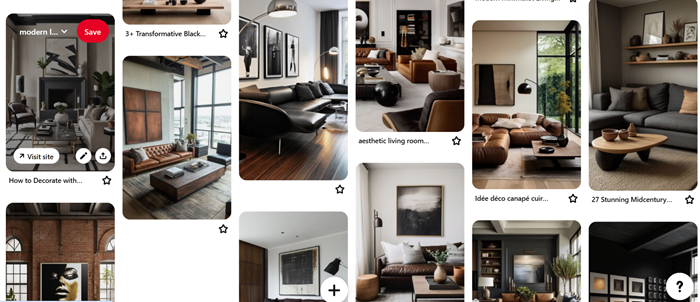
Designers in 2026 are loving "quiet luxury" textures. Think bouclé fabrics, raw wood grains, brushed metals, and natural stone. These materials reflect light in varied ways, creating micro-shadows that give the eye something to explore. It’s tactile. You want to reach out and touch it. This sensory engagement makes the space feel richer and more substantial, distracting from its small size.
Mixing matte and glossy finishes is another pro move. A matte sofa against a glossy lacquered side table creates contrast. It defines zones without using rugs or walls. It’s subtle but effective. Just keep the color palette consistent. If you go wild with both color and texture, it becomes chaotic. Pick one variable to play with. Since we’re talking texture, keep colors neutral or monochromatic to let the materials shine.
Seamless Flow: Connecting the Dots
Small spaces often suffer from choppy transitions. One room feels disconnected from the next. This breaks the illusion of space. Designers fix this by creating flow. Consistent flooring is key. Running the same wood or tile throughout connects areas visually. If you must change materials, do it subtly. Maybe a slight tone shift, not a hard break.
Open shelving helps too. Instead of bulky cabinets that block views, use open shelves. They keep sightlines clear. You can see through them, which makes the room feel deeper. Style them lightly though. Cluttered shelves just add visual noise. Keep it curated. A few books, a plant, a ceramic vase. That’s it.
Sliding doors are another hero. Pocket doors or barn doors save the swing space of traditional doors. That extra foot of floor space is precious in a tiny home. Plus, when open, they disappear into the wall, fully opening up the connection between rooms. It’s about removing barriers, both physical and visual. Every inch counts, so make sure nothing is blocking the view unnecessarily.
Smart Surfaces: Reflective and Translucent Tricks
Beyond mirrors, there are other ways to bounce light around. High-gloss paint on ceilings can make them feel higher. It’s risky if not done well, but in the right hands, it’s stunning. Metallic accents in decor—like brass lamp bases or copper vases—also catch and scatter light. They add sparkle without taking up space.
Translucent materials are underrated. Acrylic chairs, glass coffee tables, or lucite shelves. They’re "invisible" furniture. You get the function without the visual weight. Your eye passes right through them, keeping the space feeling airy. In 2026, these pieces are more durable and stylish than ever, moving away from the cheap plastic look of the past.
Even your choice of hardware matters. Polished nickel or chrome handles reflect light. Matte black absorbs it. Depending on your goal, choose wisely. In a dark room, go reflective. In a bright room, matte can ground the space. It’s the little details that add up to a cohesive, light-filled environment. Don’t ignore the knobs and pulls. They’re the jewelry of your home.
At the end of the day, a small space needs to feel like yours. Not a showroom. Designers emphasize curating over collecting. Pick a few meaningful items and give them space to breathe. A single large piece of art is better than ten small ones cluttering a wall. It creates a focal point and draws the eye, expanding the perceived scale.
Plants are essential. They add life, texture, and color. A tall fiddle leaf fig in a corner draws the eye up. Trailing pothos on a shelf softens hard edges. Greenery connects us to nature, which psychologically expands our sense of space. It’s calming. Just make sure you have enough light for them to thrive, or you’ll end up with sad, brown sticks.
Finally, keep surfaces clear. This is the hardest part for many of us. But clutter kills small spaces. It creates visual static. Use hidden storage. Ottomans with lids, beds with drawers, baskets under consoles. Hide the everyday mess. Show only what brings joy. When your space is calm, it feels bigger. It’s a mindset shift as much as a design one. Embrace the edit.
So, transforming a small space isn’t about magic. It’s about intention. It’s about letting light in, layering it wisely, and choosing textures that speak to you. It’s about keeping flow and removing barriers. And yes, it takes effort. But the payoff is a home that feels expansive, warm, and uniquely yours. Start with one change. Maybe swap a bulb. Add a mirror. Feel the difference. Then keep going. Your small space has big potential.