The alarm goes off at 6:30 AM, slicing through a room that feels less like a sanctuary and more like a storage locker for laundry baskets, discarded workout gear, and mismatched furniture collected from past apartments. For many couples, the bedroom becomes the default dumping ground of domestic life. You look across the mattress and realize your shared space hasn’t evolved to match who you are now. You want a restorative environment, a visual exhale at the end of a high-stress workday, but the sticker shock of contemporary interior design catalogues makes that dream feel entirely out of reach.
Yet, spending thousands of dollars on matched bedroom suites is rapidly falling out of favor. A quiet shift is happening in how partners approach their primary living space. Driven by economic realities and a growing fatigue with mass-produced, flat-pack homogeneity, duos are turning inward, relying on ingenuity, elbow grease, and strict fiscal discipline to reinvent their sleeping quarters. This isn’t about cutting corners; it’s about resourceful curation. By shifting focus from expensive retail items to architectural illusions, thrifted character, and textural contrast, couples are proving that spatial transformation has very little to do with the size of your wallet.
The master bedroom occupies a unique psychological footprint in a relationship. It is the command center of domestic intimacy, conflict resolution, and recovery. When that room is cluttered, visually jarring, or uninspired, it exerts a subtle, constant drag on daily well-being. Redesigning it on a shoestring budget forces a creative friction that traditional purchasing bypasses. Instead of clicking "add to cart" on a designer nightstand, you are sanding down a rescued crate, mixing custom paint tones from clearance mis-tints, or rethinking the vertical real estate of your walls. The constraints breed intimacy and collaboration, turning a weekend project into a shared creative endeavor that strengthens the domestic bond long before the first throw pillow is fluffed.
The Psychology of Shared Spatial Sanctuaries on a Budget
When two people merge their belongings, sleep styles, and aesthetic preferences into a single bedroom, friction is practically guaranteed. One partner might crave dark, cave-like minimalism for optimal circadian rest, while the other gravitates toward bright, eclectic maximalism. Redesigning on a strict budget demands that couples communicate intensely about what actually matters to them functionally. You cannot afford to buy your way out of a design disagreement. Instead, you must distill your collective space down to its absolute sensory essentials: lighting, touch, scent, and visual quiet.
Financial constraints act as a powerful filter against consumerist clutter. When every single dollar counts, you stop buying decorative objects that serve no purpose other than collecting dust. Every choice—from a $15 thrift store mirror to a $30 can of limewash paint—must pull its weight. This intentionality creates rooms that feel deeply personal rather than staged. Couples who navigate this process together learn to balance divergent tastes by anchoring the room in neutral, grounding textures and expressing personality through high-impact, low-cost micro-details like custom hardware, framed personal photography, or thrifted textiles.
Furthermore, physical environment directly dictates cortisol levels and sleep latency. Studies in environmental psychology consistently show that visual clutter increases anxiety, making it harder for couples to decompress together. When you redesign a bedroom on a shoestring, decluttering is always phase one, and it is entirely free. Stripping the room down to bare walls allows you to evaluate spatial flow with fresh eyes. You begin to notice awkward traffic bottlenecks, poor lighting angles, and underutilized vertical space that expensive furniture would have merely masked rather than fixed.
Architectural Illusions and High-Impact Paint Strategies
Paint remains the undisputed king of budget room transformations, but how couples are using it has shifted dramatically. Flat white walls are being replaced by moody, enveloping color drenching—where baseboards, crown molding, doors, and walls are painted the exact same rich, saturated hue. This technique blurs the hard architectural boundaries of small bedrooms, making compact spaces feel surprisingly intimate, intentional, and expensive. A single gallon of mis-tinted matte paint from the local hardware store, often priced under $15, can completely erase visual chaos and create a high-end boutique hotel atmosphere.
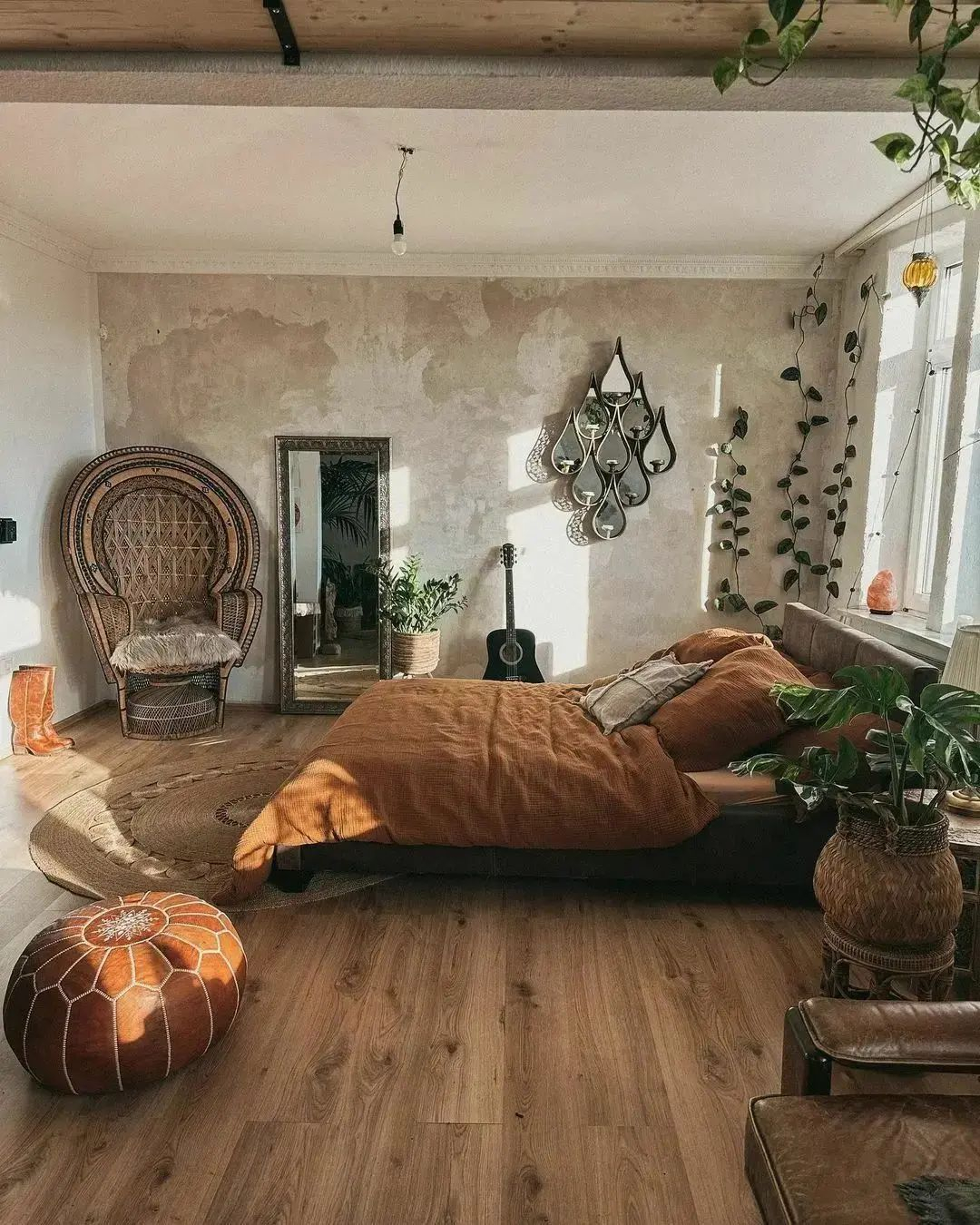
Beyond solid colors, DIY lime-wash and faux-plaster finishes have democratized artisanal wall textures. By mixing standard interior latex paint with baking soda or utilizing specialized application strokes with a wide brush, couples are replicating the look of Venetian plaster or ancient European masonry for the cost of a bag of baking soda and a cheap brush. This adds immediate tactile depth to a plain drywall bedroom, catching morning and evening light in dynamic, organic ways that flat paint simply cannot achieve.
Another budget-friendly architectural illusion gaining massive traction is the creation of faux wainscoting or picture-frame molding using inexpensive lattice strips of MDF or pine. By gluing and nailing lightweight wood trim directly onto plain drywall in geometric grids, couples can mimic historic architectural detail that usually costs thousands in custom carpentry. Painted out in a sophisticated tone like deep olive, charcoal, or warm putty, these simple strips instantly elevate builder-grade drywall into a bespoke, character-rich backdrop for a bed frame.
Sourcing, Upcycling, and Reimagining Furniture Without Retail Markup
The secondary market is a goldmine for couples willing to look past dated finishes and ugly hardware. Facebook Marketplace, estate sales, and roadside finds offer solid-wood dressers and nightstands built with joinery techniques that modern flat-pack furniture abandoned decades ago. A mid-century walnut dresser covered in water rings and scratches is not garbage; it is a blank canvas. With a palm sander, a few sheets of 120- and 220-grit sandpaper, and a matte polyurethane or natural beeswax finish, a discarded $30 piece of furniture can outshine a $1,200 retail equivalent.
Headboards are notoriously overpriced retail items, yet they dominate the visual weight of the bedroom. Couples are bypassing traditional retail options by building custom headboards using affordable raw materials. A sheet of birch plywood cut to scale, wrapped in foam and inexpensive canvas drop cloths, creates a sleek, hotel-style upholstered panel. Alternatively, salvaged wooden fence pickets, vertically mounted tongue-and-groove pine boards, or even a vintage folding screen mounted horizontally behind the mattress can anchor the bed with massive visual presence for less than $40 in total materials.
Hardware hacking is the ultimate insider secret for upgrading cheap or dated case goods. Standard dressers from big-box stores instantly transform when you replace builder-issued knobs with unlacquered brass pulls, leather loops, or matte black iron handles sourced from Etsy or specialty hardware discounters. By investing your limited budget in high-touch, high-visibility hardware details, you trick the eye into perceiving the entire furniture piece as custom-designed and bespoke.
Step-by-Step Practical Implementation Guide for a Weekend Makeover
Executing a bedroom overhaul on a shoestring budget requires military-style precision and a strict timeline so you don’t end up living in a construction zone for a month.
- Step 1 (The Great Purge and Spatial Audit): Remove everything from the bedroom. Strip the bed, empty the closets, and take out all furniture. Evaluate the empty room’s natural light flow and electrical outlet placements before deciding on furniture layout adjustments.
- Step 2 (Surface Preparation and Color Drenching): Patch all nail holes, scuff-sand glossy baseboards, and tape off trim. Apply your chosen paint color across walls, doors, and trim using the color-drenching method to maximize spatial illusion and hide architectural flaws.
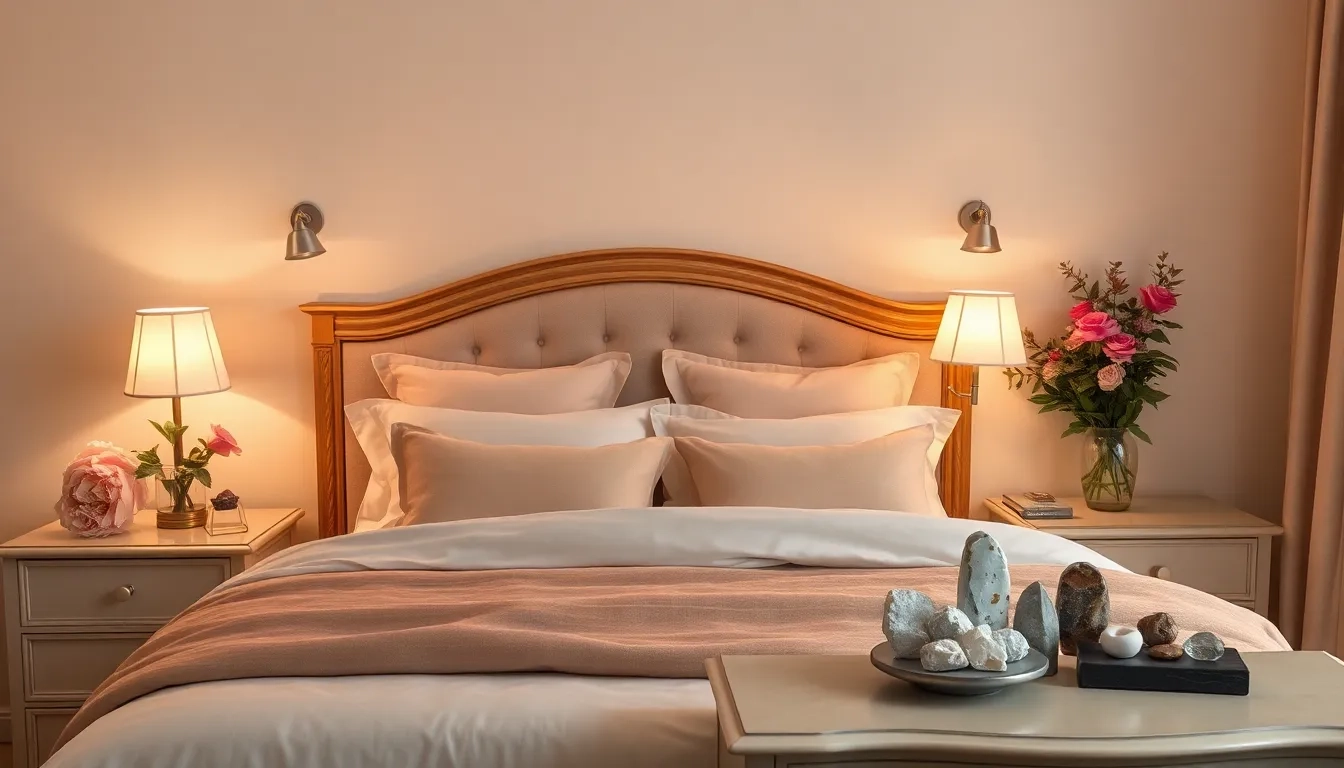
- Step 3 (Lighting Layer Overhaul): Eliminate harsh overhead ceiling lighting entirely. Install warm-bulb LED Edison vintage filament bulbs in existing fixtures, mount inexpensive plug-in wall sconces flanking the bed, and tuck a $10 warm white LED strip behind the headboard for indirect ambient glow.
- Step 4 (Textile and Bedding Layering): Keep mattress and pillows standard, but upgrade the tactile experience. Dye old cotton duvet covers using inexpensive fiber-reactive dye in an earthy tone, layer a thrifted wool blanket or quilt across the foot of the bed, and introduce linen-look cotton curtain panels hung close to the ceiling to maximize perceived window height.
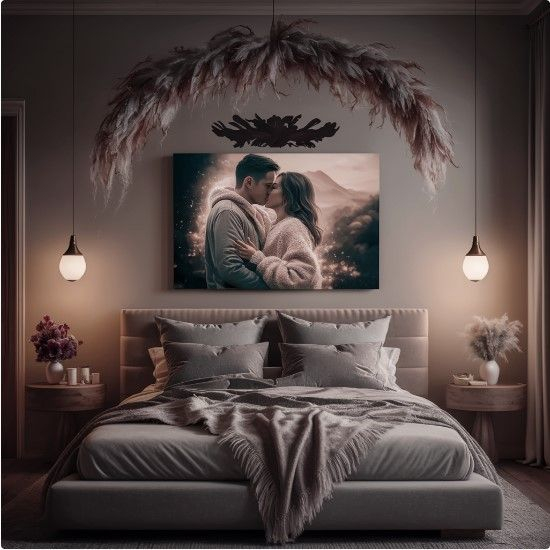
- Step 5 (Styling and Personal Curation): Bring back only the items that serve a daily functional or emotional purpose. Style nightstands with a single thrifted ceramic tray, a stack of books, and a glass water carafe. Hang framed personal art or black-and-white photography using inexpensive frames from discount stores.
Common Pitfalls and Field-Tested Workarounds for Budget Redesigns
Attempting a bedroom transformation on a shoestring budget brings specific traps that can derail your progress or leave the room looking cheap rather than chic.
- Pitfall 1 (Buying Too Many Small, Cheap Decor Items): Filling shelves and nightstands with dozens of inexpensive plastic or mass-produced trinkets creates immediate visual clutter. Workaround: Adopt a strict "fewer, larger" rule. Invest your small budget in one or two substantial focal points, such as a large thrifted mirror or an oversized piece of textile art, rather than fifty dollar-store nick-nacks.
- Pitfall 2 (Ignoring the Power of Light Temperature): Buying cheap daylight-white (5000K) LED bulbs that make a bedroom look like a dentist’s office or a hospital ward. Workaround: Strictly purchase warm-white bulbs between 2400K and 2700K. This mimics the warm, inviting glow of incandescent light and instantly softens budget paint jobs and furniture.
- Pitfall 3 (Rushing the Prep Work): Slapping paint over dirty walls or skipping wood sanding on thrifted furniture to save a few hours. Workaround: Accept that 70% of a successful DIY project is preparation. Spend double the time sanding, cleaning, and priming so the final finish looks professional and endures heavy daily use.
- Pitfall 4 (Hanging Curtains Too Low): Mounting curtain rods directly above the window frame, which chops the wall in half and makes low ceilings feel oppressive. Workaround: Hang your curtain rod 3 to 6 inches below the ceiling line (or crown molding) and wide of the window frame. This tricks the eye into perceiving expansive, floor-to-ceiling windows.
- Pitfall 5 (Neglecting Cord Management): Leaving tangled nests of phone chargers, lamp cords, and extension cords visible around the bed frame. Workaround: Use heavy-duty double-sided mounting tape to secure power strips to the back legs of nightstands, and use inexpensive adhesive cord clips to route wires cleanly out of sight.
The Long-Term Economic and Emotional Value of Slow, Resourceful Design
Fast furniture and rapid-cycle interior design trends have trained consumers to view home decor as disposable. When a trend shifts, entire rooms are tossed into dumpsters and replaced with the next aesthetic wave. Designing a bedroom on a shoestring budget using vintage, thrifted, and upcycled elements breaks this unsustainable cycle. It teaches couples to view materials through a lens of permanence and potential. A solid wood nightstand rescued in 2026 can be sanded and restained five times over a lifetime, adapting to changing personal tastes without requiring a single new purchase from a global supply chain.
From an economic perspective, keeping capital expenditures low frees up household cash for experiences, savings, or investments that matter far more to relational stability than a matching bedroom set. Yet, the emotional dividend is where the true value lies. A room assembled through joint labor—where one partner builds the headboard while the other handles the color-drenching and hardware swap—carries a narrative weight. Every time you walk into the room, you see tangible evidence of your collaborative problem-solving and shared vision.
This tactile engagement with your living environment also fosters mindfulness. When you spend an afternoon oiling an old walnut dresser or hand-washing vintage linen curtains, you develop an intimate relationship with the objects that surround your rest. You stop treating your bedroom as a passive hotel room and start treating it as a handcrafted cocoon. This shift in mindset alters how you enter the space at night; you step across the threshold not into a storage room of unresolved domestic tasks, but into a quiet, deliberate sanctuary built entirely by your own hands.
Actionable Recommendations and Frameworks for Success
To ensure your shoestring bedroom redesign goes off without a hitch, establishing a clear operational framework is essential. Treat your weekend project with the same seriousness you would a professional undertaking.
- The Rule of Three Textures: Ensure every space incorporates at least three distinct tactile surfaces—such as smooth painted drywall, rough woven linen or cotton, and raw or polished wood. This prevents monochromatic budget rooms from feeling flat or sterile.
- The Zero-Waste Budget Allocation: Divide your total budget into strict percentages: 40% for paint and surface treatments, 30% for lighting and electrical adjustments, 20% for hardware and structural fixes, and 10% for soft goods and textiles.
- The Scale and Proportion Test: Before purchasing any large thrifted furniture piece, tape out its exact dimensions on the floor using blue painter’s tape. Walk around it for 48 hours to ensure it does not compromise primary walking pathways around the bed.
- The Nightly Reset Habit: Establish a joint post-project protocol where nightstands are cleared of mugs, laptops, and papers every evening, preserving the hard-earned visual serenity of your budget-crafted sanctuary.
The modern master bedroom does not require a luxury budget to achieve emotional resonance and aesthetic depth. By stripping away the pressure to buy matching retail suites, couples open up a landscape of creative agency that mass-market interiors can never replicate. The dents, the custom-mixed paint tones, the rescued wood, and the hand-finished hardware tell a story that money cannot buy. They tell the story of two people carving out a shared physical haven from the noise of the outside world, using ingenuity as their primary currency.
As you embark on your own bedroom redesign, remember that perfection is the enemy of intimacy. A slightly uneven paint stroke or a nightstand with a subtle, repaired scratch holds infinitely more character than a flawless, sterile showroom display. Lean into the imperfections, communicate through the design compromises, and enjoy the physical and mental rewards of a space built entirely on resourcefulness, patience, and mutual care. Your sleeping quarters are waiting to be reclaimed—one thoughtful, budget-conscious decision at a time.