Ever walked into a kitchen that felt less like a cold cooking lab and more like a warm hug. In a world full of sleek, sterile countertops and shiny new appliances, there is a growing movement in 2026 toward spaces that feel real, lived-in, and deeply comforting. We spend so much time prepping meals and chatting around the counter, so why shouldn’t our kitchens reflect a bit of soul?
Bringing a grounded feeling into the heart of your home does not require a massive budget or a team of contractors. Instead, it is all about mixing materials that feel good to touch with items that tell a story. By intentionally blending cozy, tactile elements with clever upcycled goods, you can craft a cooking area that feels incredibly welcoming.
The Power of Touch: Why Textures Matter
Texture is the secret ingredient that prevents a room from feeling flat or cold. When we talk about warm textures in a cooking area, we are looking at things like rough-sawn wood, woven baskets, tumbled stone, and soft linens. These elements catch the light beautifully and instantly make a space feel more relaxed.
Think about how a smooth plastic stool feels compared to a sturdy wooden seat with a visible grain. The wood wins every time because it connects us to nature. You can easily introduce these touches by swapping out basic items. Try using thick terracotta saucers for your herbs or hanging linen dish towels from iron hooks.
Finding Beauty in the Old: The Charm of Upcycling
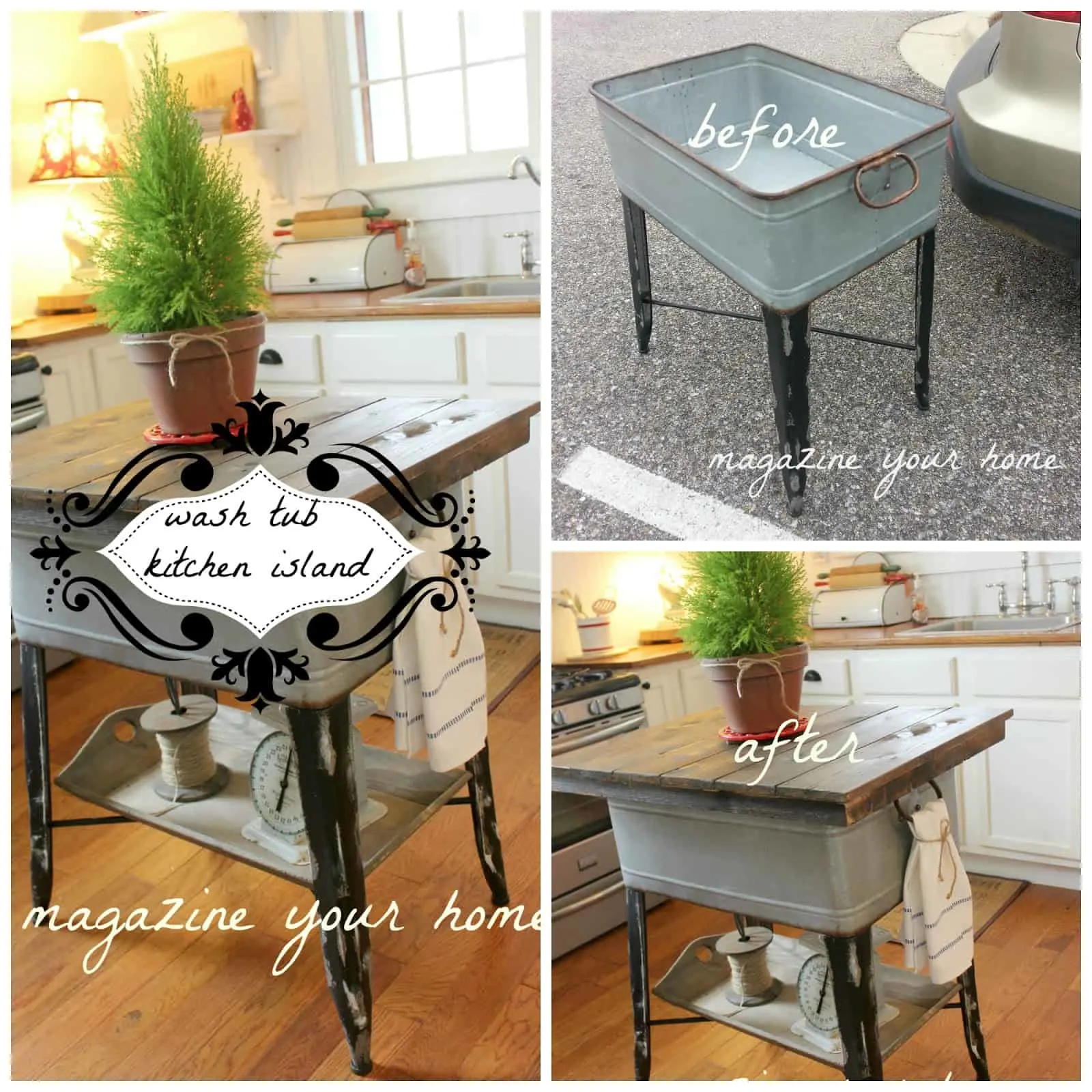
Upcycling is not just about saving money; it is about saving character. When you repurpose an old object, you give it a second life and bring a one-of-a-kind vibe to your home. It prevents great materials from ending up in landfills, which is a massive win for the planet.
Look around local thrift shops, estate sales, or even your grandparents’ attic. An old wooden ladder can become a brilliant pot rack when suspended from the ceiling. Vintage glass jars can be cleaned up to hold your flour, sugar, and pasta right on the counter. It adds instant personality that you simply cannot buy brand new from a big box store.
Balancing the Hard and the Soft
Kitchens are naturally full of hard surfaces—think metal appliances, tile backsplashes, and stone countertops. To ground the space, you need to balance that coldness with softer materials. This contrast is exactly what makes a room feel balanced and thoughtfully designed.
An easy way to do this is by placing a runner rug made of natural fibers, like jute or sisal, right along your main prep area. It softens the look of hard floors and feels great underfoot. Just ensure it has a non-slip backing so you stay safe while chopping veggies. You can also use cork trivets on the counters to break up long stretches of stone or laminate.
Smart Ways to Repurpose Old Furniture
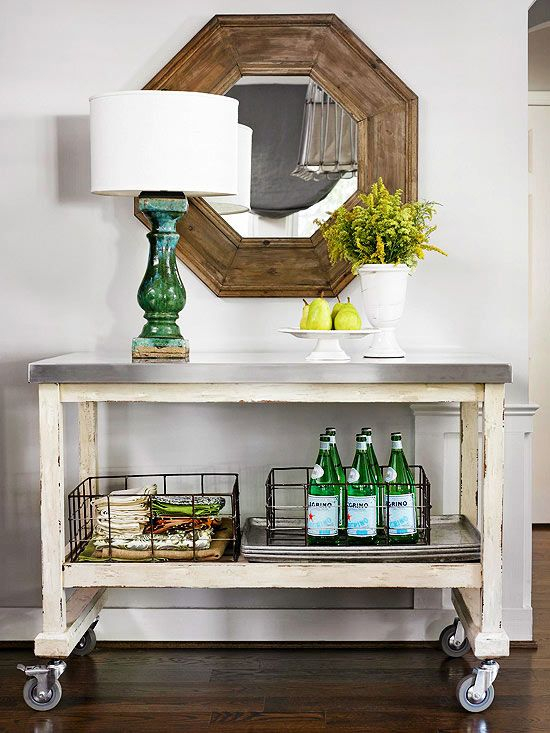
Who says kitchen storage has to come from a cabinet catalog. Some of the most stunning kitchens utilize freestanding, old furniture pieces instead of standard built-ins. It breaks up the monotony and gives the room a cozy, farmhouse or eclectic feel.
For example, an old dining table can have its legs shortened to become a wonderful center island. A weathered bookshelf can be repainted with non-toxic paint and used to display your favorite cookbooks and mismatched ceramic mugs. Don’t be afraid if the wood has a few dings or scratches; those little imperfections are exactly what give the piece its charm.
Bringing Nature Inside
A truly grounded room always has a connection to the outdoors. Beyond just plants, this means using raw, earthy materials that look like they came straight from the earth. When you pair these natural elements with your upcycled decor, the magic really happens.
Consider installing a couple of thick shelves made from reclaimed scaffolding boards or fallen trees. You can use these to show off your potted herbs, which look gorgeous and taste great in your dinner. Clay pots, stone mortar and pestles, and beeswax wraps instead of plastic wrap all contribute to this organic, down-to-earth environment.
Lighting the Space for Cozy Vibes
You can have the most beautiful decor in the world, but if your lighting is harsh and blue, the room will still feel like a hospital. Warmth is heavily influenced by how you light the space, especially in the evenings when the cooking is done and you want to wind down.
Ditch the bright overhead bulbs when you are not actively slicing things. Instead, look for unique ways to add accent lighting. You can upcycle vintage tin cans by punching tiny holes in them to create beautiful pendant lights. Alternatively, place a small, vintage lamp with a warm LED bulb on an open shelf to cast a gentle, amber glow across the room.
At the end of the day, creating a grounded cooking area is a slow journey. It is not about buying an entire room’s worth of stuff in one weekend. True style comes together over time as you find pieces that truly speak to you and your lifestyle.
Every time you look at a shelf you put up yourself or a jar you saved from the recycling bin, you will feel a sense of pride. Your kitchen becomes a reflection of your creativity and your care for the environment. So, start small, keep your eyes open for hidden treasures, and enjoy the process of building a space that nurtures your soul.