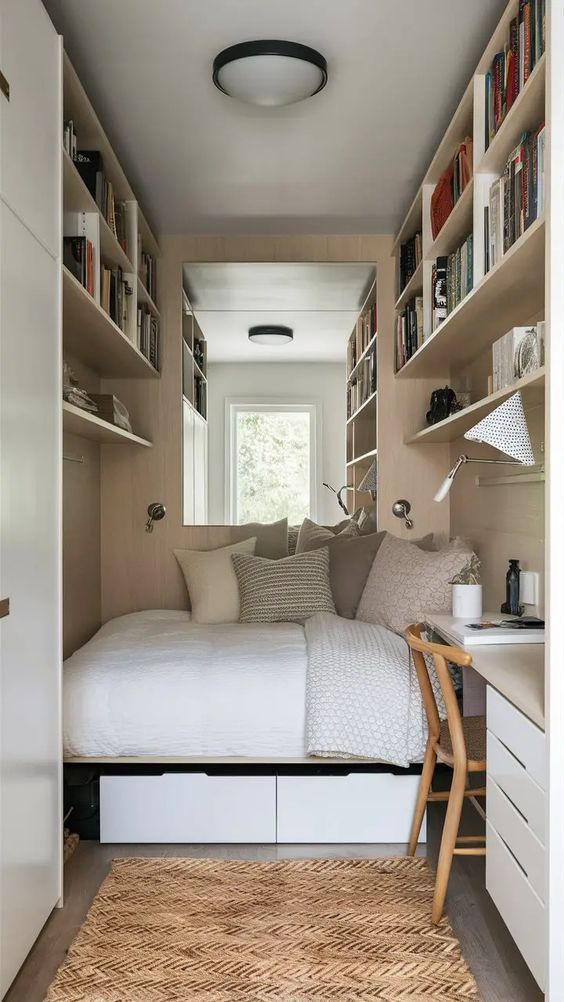
The sunlight hits the beige laminate flooring of your living room at an unforgiving four o’clock angle, casting an uncompromising glare across walls painted in that ubiquitous, spirit-crushing landlord special: "Accessible Beige." You have lived here for three weeks, surrounded by cardboard boxes that smell of newsprint and tape, and the space feels less like a home and more like an extended hotel stay. You want velvet, brass, matte black accents, and walls that tell a story. You want a home that reflects your actual taste rather than a generic property manager’s calculated bet on what the lowest common denominator will find acceptable.
Yet, the lease agreement sits on your kitchen counter like a legal monolith. It warns of withheld security deposits for unauthorized paint, drill holes deeper than a quarter-inch, and any modifications to the original fixtures. In the past, this meant resigning yourself to a life of sterile white boxes and furniture shoved haphazardly against perimeter walls. But the contemporary design ecosystem has evolved past the false dichotomy between permanent renovation and aesthetic surrender. Today’s rental market demands a clever middle ground where sophisticated design meets absolute reversibility.
Achieving a high-end, custom-tailored interior while bound by a lease requires a shift in how you think about your physical environment. Instead of viewing walls as concrete boundaries, you treat them as temporary canvases. Instead of cursing outdated 1990s brass light fixtures or popcorn ceilings, you layer over them with creative lighting strategies and textile manipulations. This guide breaks down twenty-nine practical, design-forward methodologies to systematically strip away the generic rental aesthetic and replace it with a space of striking modern personality.
Rewriting the Visual Narrative Through Temporary Surface Transformations
The fastest way to eradicate the sterile rental look is to disrupt the flat, uniform planes of your walls, floors, and doors. Standard drywall and flat latex paint absorb light rather than playing with it, resulting in a dull, uninspired atmosphere. By introducing temporary surface treatments, you alter the optical dimensions of a room entirely without picking up a roller of permanent paint.
Peel-and-stick technology has matured dramatically over the past few years. We have moved far beyond the flimsy, shiny contact papers of the past into heavy-duty, matte-finish vinyls and woven fabric wallpapers that mimic high-end grasscloth, Venetian plaster, and limewash. Applying these products requires patience, a sharp utility knife, and a smoothing squeegee, but the payoff is instantaneous architectural weight. When you prepare to move out, the material peels away cleanly with a little heat from a standard hair dryer, leaving the original paint completely unblemished.
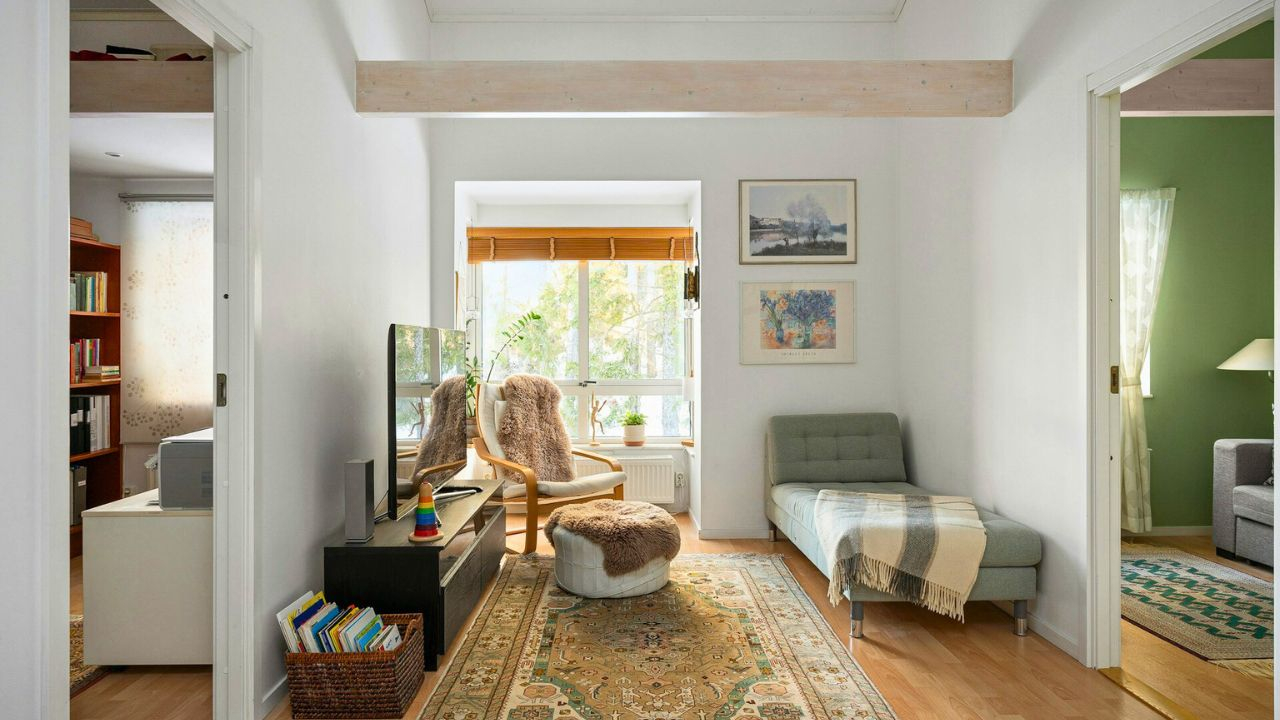
Beyond walls, look down at your floors. Rental flooring is notorious for being durable, cheap, and deeply unappealing. Interlocking peel-and-stick vinyl floor tiles or temporary foam-backed linoleum rolls can completely mask ugly kitchen or bathroom linoleum. In living spaces and bedrooms, the strategic layering of rugs—placing a large, neutral jute rug as a base and layering a smaller, high-pile vintage or geometric rug on top—creates instant visual depth. This breaks up the monotonous plane of wall-to-wall carpeting or scarred hardwood without a single nail.
Cabinet faces and interior doors also offer prime real estate for surface interventions. Standard hollow-core flush doors scream "apartment building." You can upgrade them by applying lightweight polyurethane molding strips affixed with double-sided mounting tape, painted beforehand with your custom color. Once taped in a classic picture-frame panel design, a flat door instantly gains traditional or transitional character. When your lease ends, the tape pops off, and a dab of spackle restores the door to its original state.
Engineering Atmosphere with Layered, Deceptive Lighting
Landlord-installed lighting is universally offensive. The standard flush-mount dome light—affectionately known in design circles as the "boob light"—casts an unflattering, omnidirectional glare that flattens every texture in the room. To give an apartment modern personality, you must completely bypass the overhead switches and engineer your own micro-climates of illumination at eye level and below.
The core principle of advanced rental lighting is the elimination of single-source overhead glare. Instead, deploy a minimum of three lighting zones per room: ambient, task, and accent. Swap out harsh LED or fluorescent bulbs for warm-temperature LEDs hovering around 2200K to 2700K. This Kelvin range mimics the golden glow of incandescent bulbs and instantly warms up cold white walls.
For rooms lacking overhead wiring where you want a dramatic pendant or dining table fixture, employ the clever "swag lamp trick." Hang a stylish corded pendant from a heavy-duty ceiling hook, route the cord along the ceiling using discreet clear adhesive cord clips, and plug it into a nearby wall outlet managed by a remote-controlled or smart wall tap. You get the high-end look of hardwired architectural lighting with zero electrical modifications.
Sconces do not require drilling or electrical work anymore, either. Battery-operated puck lights inserted into vintage or modern wall sconces mounted securely with heavy-duty command strips provide gorgeous accent lighting flanking a bed or a sofa. Combine these with floor uplights tucked behind large indoor plants to cast dramatic shadows up the walls, shifting the eye away from cheap baseboards and toward vertical space.
Upgrading Architectural Hardware and Surface Fixtures
One of the most potent secrets of interior styling is that human beings judge the quality of a space based on tactile touchpoints. Door handles, cabinet pulls, faucet heads, and switch plates are the jewelry of an apartment. Landlords universally install the cheapest, shiniest brushed nickel or polished brass hardware available.
Swapping these out takes minutes and yields dramatic psychological returns. Unscrew the basic oak or white cabinet knobs in your kitchen and replace them with unlacquered brass pulls, matte black bars, or chunky ceramic knobs. Store the original hardware in a labeled plastic bag at the back of your pantry, and simply reinstall them on move-out day. The same goes for interior door handles and bathroom vanity faucets. (If you swap a faucet, keep a bucket and pipe wrench handy, and always turn off the water shut-off valves first.)
Light switch plates and electrical outlet covers are another missed opportunity. Trade standard glossy plastic builder-grade covers for brushed bronze, matte porcelain, wood grain, or polished nickel plates. They cost only a few dollars each but inject an immediate custom-designed feel into hallways and bedrooms.
Even bathroom upgrades are surprisingly accessible. If your rental features a dated, water-spewing plastic showerhead, unscrew it with an adjustable wrench, wrap the threads in plumber’s tape, and screw on a sleek, matte black rainfall showerhead. Keep the original in your closet, and enjoy a spa-like shower experience for the duration of your lease without altering a single pipe.
Curating Vertical Space and Illusionary Architectural Depth
Renters often suffer from the fear of empty space, leading to either total neglect of walls or a chaotic scatter of tiny picture frames hung haphazardly at eye level. Modernity demands intentionality, scale, and dramatic volume. If your apartment has standard eight-foot ceilings, your design challenge is to trick the human eye into perceiving vertical grandeur.
Floor-to-ceiling curtain panels are the ultimate cheat code for architectural presence. Never hang curtain rods directly at the top of the window frame; instead, mount the rod just a few inches below the crown molding or ceiling line, extending the rod at least six inches past the window frame on both sides. Hang extra-long linen or velvet drapery panels that graze the floor. This single adjustment tricks the brain into registering the windows as massive, arched architectural elements while drawing the ceiling upward.
When hanging art, abandon the urge to use tiny frames that get lost on vast expanses of wall. Group smaller pieces into tight, cohesive gallery walls anchored by one oversized statement piece. To protect your security deposit, utilize heavy-duty picture hanging strips rated for up to twenty pounds, or invest in a freestanding picture ledge leaned against the wall. Leaping ledges allow you to layer framed prints, small sculptures, and trailing vines without driving a single nail into the drywall.
Mirrors are your primary tool for multiplying light and expanding square footage. Lean a massive, full-length arched mirror against a living room wall opposite a window. It reflects natural light deeper into the room, breaks up the flat drywall plane, and provides an instant focal point that anchors your furniture layout.
Elevating Soft Furnishings and Textiles for Tactile Luxury
When structural and architectural modifications are restricted by lease clauses, soft furnishings become your primary instruments of design transformation. Texture is the secret language of expensive-looking interiors. A room filled exclusively with smooth plastic, flat cotton, and manufactured wood will always feel temporary and flat.
Introduce tactile diversity by mixing heavy materials: chunky wool bouclé accent chairs, raw linen throw pillows, distressed leather poufs, and woven rattan side tables. In the bedroom, ditch the standard comforter set in favor of relaxed-linen duvet covers with raw edges, layered with a waffle-weave coverlet and velvet Euro shams.
Upholstery offers another layer of customization. If your rental came furnished with a sofa that offends your aesthetic sensibilities, do not despair. High-end, custom-fit stretch slipcovers made from textured jacquard or heavy cotton duck can completely alter the silhouette and colorway of a tired piece of furniture. Pair the slipcovered sofa with architectural throw blankets draped casually over the chaise to break up solid color blocks.
Window treatments beyond the living room deserve equal attention. If your bedroom windows feature cheap vertical plastic blinds, slide them out of their tracks and store them safely in a closet. Replace them with bamboo Roman shades mounted inside the window frame using tension brackets, layered with blackout linen drapes outside the frame. The play of natural woven wood against soft fabric instantly elevates the bedroom from a sterile box to a boutique hotel suite.
Integrating Functional Greenery and Organic Elements
Nature is the ultimate antidote to corporate apartment building sterility. Bringing living organisms into a rental creates a dynamic, breathing contrast to synthetic drywall, laminate flooring, and metal doorframes. However, plant styling in an apartment requires strategy; you cannot simply scatter plastic pots across the floor and hope for the best.
Vary the scale and elevation of your botanical displays. Use tall statement plants like a Ficus Lyrata (Fiddle Leaf Fig), a Strelitzia (Bird of Paradise), or a multi-stemmed Dracaena tucked into heavy ceramic or terracotta planters placed inside chic woven seagrass baskets. These massive green anchors draw the eye upward and fill awkward, empty corners where furniture placement makes no sense.
For verticality without floor footprint, utilize tension-pole plant stands that wedge securely between the floor and ceiling without screws, or ceiling hooks anchored by heavy-duty toggle bolts (which patch easily with a dime-sized dab of spatch formula upon move-out). Cascade trailing pothos, heartleaf philodendrons, or string-of-pearls from high bookshelves or macramé plant hangers near windows.
Do not overlook lighting requirements. If your apartment faces north or lacks abundant natural sunlight, invest in full-spectrum LED grow bulbs disguised as chic floor or desk lamps. Your fiddle leaf fig will thrive, and you will introduce a warm, biological focal point that softens the rigid geometry of rental architecture.
Step-by-Step Practical Implementation Guide
Transforming a rental apartment without losing your security deposit is a tactical operation. Rushing in with a hammer and a credit card is the fastest way to damage walls and create visual clutter. Follow this systematic, five-phase blueprint to execute your apartment transformation with precision and confidence.
- Step 1 (The Architectural Audit & Measurement Phase): Walk through your empty or newly acquired apartment with a tape measure, a notebook, and a keen eye. Document every outlet location, window dimension, floor type, and glaring design offense. Map out your furniture layout on digital grid paper before buying a single item, ensuring your scale matches the physical proportions of the rooms.
- Step 2 (The Surface Correction & Foundation Phase): Address the largest visual planes first before adding furniture. Install peel-and-stick wallpaper accent walls, lay down modular peel-and-stick floor tiles in kitchens or entryways, and swap out builder-grade light switch plates. Establish your neutral foundation and lighting baseline before introducing personal decor.
- Step 3 (Hardware & Fixture Upgrading Phase): Tackle the tactile touchpoints. Remove and store all original cabinet knobs, drawer pulls, and bathroom hardware in labeled bags. Install your chosen modern replacements (unlacquered brass, matte black, or brushed bronze). Swap out harsh overhead flush mounts for plug-in swag pendants and strategic table lamps.
- Step 4 (Vertical Framing & Textile Layering Phase): Hang your floor-to-ceiling drapery panels, position large-scale mirrors against focal walls, and anchor your seating areas with layered rugs. Introduce high-pile textiles, bouclé textures, and linen bedding to absorb sound and create physical warmth throughout the living spaces.
- Step 5 (Botanical Integration & Final Styling Phase): Complete the transformation by placing statement floor plants, trailing vines, and curated tabletop vignettes (books, ceramics, sculptural candles). Step back, assess the sightlines from every room angle, and adjust ambient lighting levels to create the desired mood.
Common Pitfalls and Field-Tested Workarounds
Even experienced designers stumble when navigating the constraints of rental properties. Being overly enthusiastic with temporary products can sometimes result in unexpected property damage or visual chaos. Understanding these common pitfalls saves your security deposit and your sanity.
- Pitfall 1 (Using Low-Quality Adhesive Products on Fragile Paint): Cheap peel-and-stick wallpapers or mounting tape can bond too aggressively to cheap landlord latex paint, ripping the paper surface of the drywall upon removal. Practitioner Workaround: Always test a small hidden square of wallpaper or tape in a closet for 48 hours. If the paint shows signs of bubbling or peeling when removed, prep the wall first with a light coat of clear removable wallpaper primer or use heavy-duty damage-free mounting strips specifically rated for delicate surfaces.
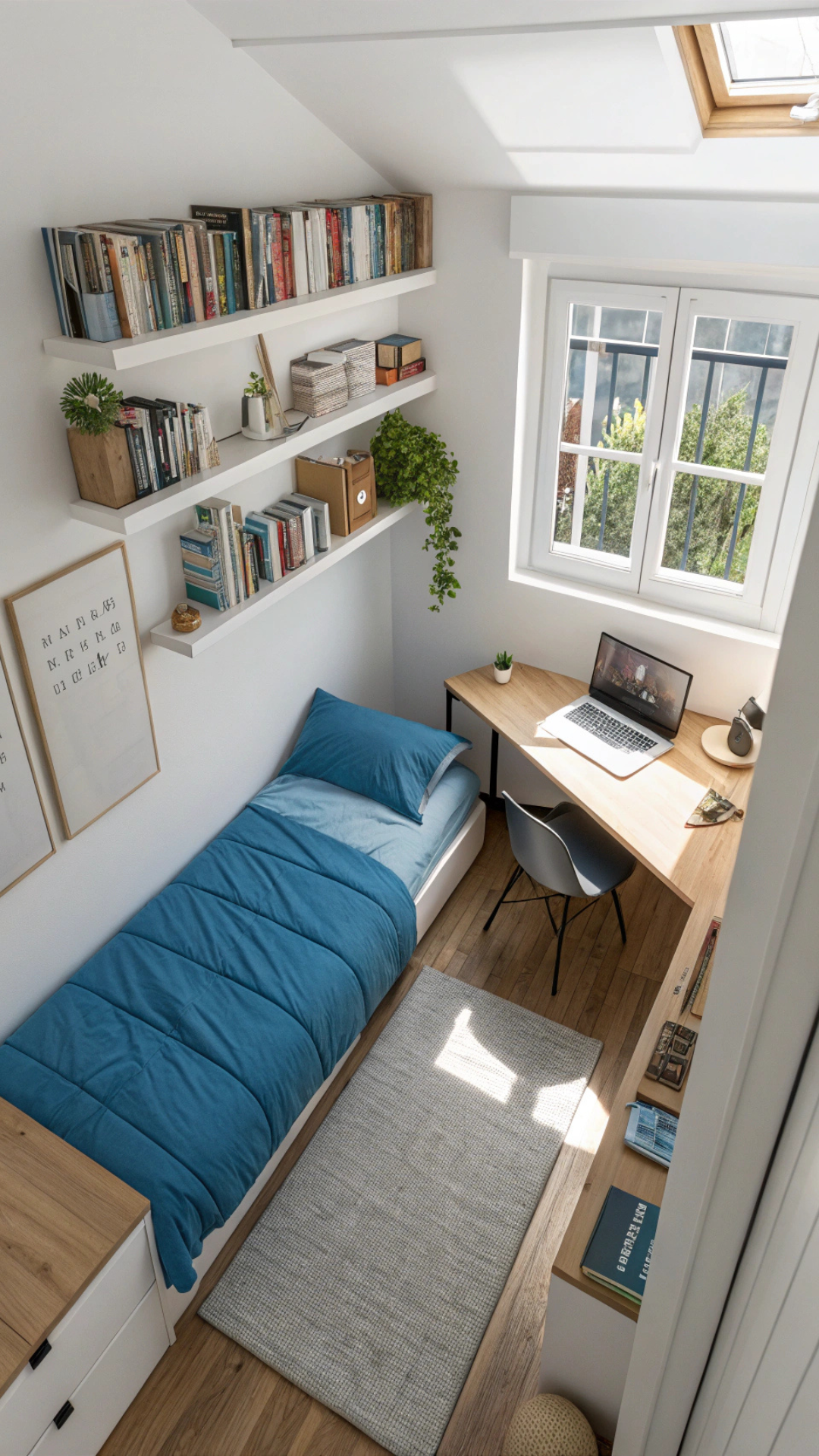
- Pitfall 2 (Overcrowding Small Rooms with Oversized Furniture): Trying to force a massive sectional sofa into a compact urban apartment kills flow and makes the space feel claustrophobic. Practitioner Workaround: Opt for modular, low-profile furniture with exposed legs. Exposed legs allow light to travel underneath the furniture pieces, tricking the eye into perceiving more floor area and maintaining an airy, modern aesthetic.
- Pitfall 3 (Ignoring Cord Management for Plug-In Lighting): Relying on multiple plug-in wall sconces and swag lamps creates a chaotic tangle of black and white electrical cords snaking down your walls. Practitioner Workaround: Invest in paintable plastic cord cover channels or fabric-wrapped cord sleeves that match your wall color or wallpaper. Run cords neatly along baseboards or vertical corners to maintain a clean, professional architectural finish.
- Pitfall 4 (Hanging Heavy Art with Inadequate Sticky Hooks): Relying on standard plastic adhesive hooks for heavy framed mirrors or large canvas art often results in midnight crashing sounds and damaged drywall. Practitioner Workaround: Respect weight limits religiously. For items over ten pounds, use professional-grade mechanical wall hangers designed to leave only micro-pinholes (such as Hercules hooks or metal multi-nail picture hangers), which can be patched seamlessly with a dab of toothpaste or spackle upon departure.
- Pitfall 5 (Creating Visual Monotony Through Neutral Overload): Sticking strictly to safe "beige-on-beige" or "all-white" minimalist palettes can make a rental look unfinished and sterile rather than modern. Practitioner Workaround: Introduce a sophisticated color narrative through intentional accent tones—such as terracotta, olive green, ochre, or midnight indigo—anchored through ceramics, throw pillows, and art while maintaining a neutral, calming base.
Holistic Perspectives on Temporary Interior Architecture
The modern movement toward rental personalization reflects a profound cultural shift in how we inhabit space. For generations, home ownership was viewed as the sole prerequisite for emotional investment in physical surroundings. Renting was treated as a temporary holding pattern—a waiting room for real life. Today, economic realities and lifestyle preferences mean millions of people spend decades renting urban apartments. Waiting until you own a mortgage-backed single-family home to curate a beautiful, soul-nourishing environment is no longer a viable psychological strategy.
This reality has catalyzed a renaissance in temporary interior architecture. Manufacturers now engineer products specifically designed for the discerning renter: damage-free hanging systems, modular kitchens that require no plumbing alterations, smart lighting systems that require zero wiring, and renter-friendly textiles that pack flat for the next move. This democratization of high-end design proves that personal style is not tethered to property deeds.
Furthermore, approaching your apartment with a renter’s mindset fosters a unique kind of design discipline. When you cannot rely on permanent structural crutches like crown molding, hardwood floor refinishing, or wall demolition, you must rely entirely on proportion, color theory, texture, and lighting. This constraint forces you to become a more intentional, creative curator of your environment. You learn that a room’s power lies not in how much you alter its skeleton, but in how thoughtfully you dress its skin.
Actionable Recommendations and Key Takeaways
To ensure your apartment transformation is successful, structured, and entirely deposit-safe, keep these high-impact guidelines front and center:
- Prioritize Lighting Above All Else: Eliminate harsh overhead builder fixtures immediately by deploying warm-bulb table lamps, floor uplights, and plug-in swag pendants to instantly elevate mood and mask architectural flaws.
- Treat Walls as Temporary Canvases: Utilize high-end matte peel-and-stick wallpaper, heavy-duty picture hanging strips, and leaning picture ledges to inject color, pattern, and art without driving destructive nails or screws.
- Upgrade the Hardware Details: Swap out generic builder cabinet pulls, door knobs, and light switch plates with custom finishes like unlacquered brass or matte black; store originals safely for your move-out inspection.
- Lengthen Your Visual Windows: Mount curtain rods just beneath the ceiling line and let floor-to-ceiling linen drapery panels trick the eye into perceiving grand, architectural window proportions.
- Layer Textures and Botanicals: Counteract the synthetic flatness of rental finishes by mixing wool, bouclé, leather, and linen soft furnishings with large statement plants and organic greenery.
Your rental apartment is not a temporary waiting room; it is the physical theater of your daily life right now. Every morning you wake up to the quality of light in your bedroom, and every evening you unwind against the backdrop of your living room walls. Investing thought, creativity, and care into this space is an act of self-respect.
You do not need a sledgehammer, a contractor, or a deed to craft a home that feels breathtakingly modern, deeply personal, and completely yours. By working cleverly within the boundaries of your lease, you transform constraints into a creative framework. Take the first step today: unscrew that offensive cabinet knob, hang that floor-to-ceiling curtain rod, and reclaim your space with confidence.