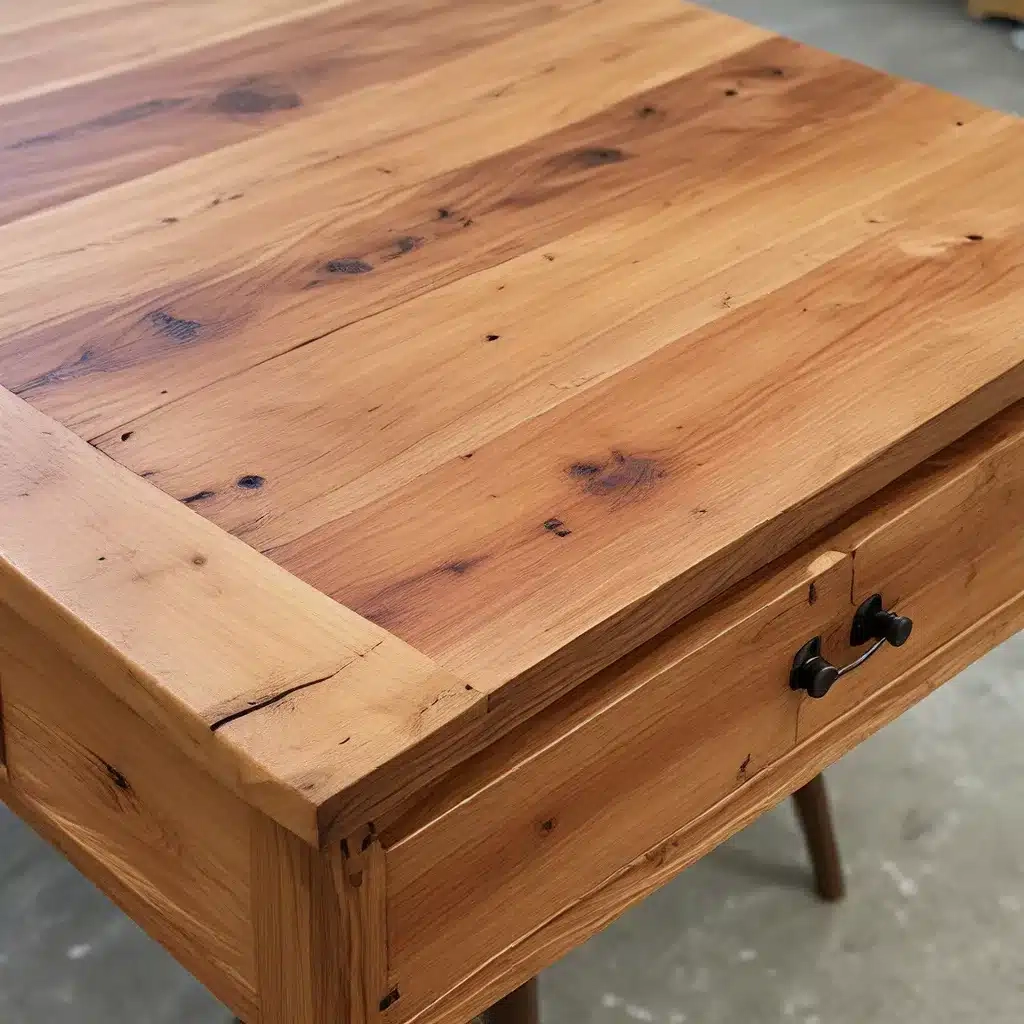
Picture this. You spend months carefully picking out the most gorgeous walnut slab. You sand it down until it feels like silk and apply three coats of hand-rubbed finish. It looks like a masterpiece sitting right in the middle of your dining room. Then winter hits, the heater turns on, and suddenly you wake up to a loud pop in the middle of the night. You walk out to find a gaping split right down the center of your pride and joy. Heartbreaking right.
Every woodworker eventually learns this hard lesson. Wood is never truly dead. Even after it is cut down, dried, and turned into furniture, it keeps reacting to the world around it. As we move through 2026, the fundamental science of how trees handle moisture remains completely unchanged. Understanding this natural behavior is the single most important step if you want to build heirloom-quality pieces that actually last.
Why Wood Never Stops Breathing
Trees are basically giant bundles of tiny straws. When a tree is alive, these straws pump water all the way from the roots up to the leaves. Once the tree is harvested and milled into lumber, those empty straws still love to soak up moisture from the air or release it when things get dry.
This constant soaking and drying means your table top is always expanding and shrinking. In humid summer months, the wood swells up as it absorbs water vapor. When winter arrives and indoor heating dries out the air, that same board gives up its moisture and shrinks. If you lock that board down so tight it cannot move, something has to give. Usually, that something is a nasty crack.
The Tricky Rule of Directional Shrinkage
Here is where many beginners get tripped up. Wood does not move equally in all directions. Scientists call this anisotropic behavior, but let us just translate that to mean wood moves mostly across its grain, and hardly at all along its length.
Imagine a long oak board. If it is six feet long, that length will stay pretty much six feet long forever. But the width of that board can change by a quarter inch or even more depending on the season. If you build a frame around the ends of a tabletop—called breadboard ends—without leaving room for the middle to slide, you are asking for trouble. The sides want to get wider while the ends stay fixed, creating a recipe for disaster.
Mastering Moisture Content and Acclimation
Before you even make your first cut, you need to think about moisture content. Lumberyards measure how wet or dry wood is using a percentage scale. For indoor furniture, you generally want your wood sitting right around six to eight percent moisture.
Never bring raw lumber straight from an unheated outdoor shed into your house and start gluing it up. Give it a few weeks to breathe in the room where it will actually live. This process is called acclimation. Letting the wood get used to the local humidity levels stops it from suffering massive shock later on.
- Always check boards with a digital moisture meter.
- Stack lumber with small stickers between them so air can flow freely.
- Give solid wood at least two to three weeks to settle into your workshop environment.
Smart Joinery That Lets Wood Move
The secret to a crack-free table is not stopping wood movement. That is impossible. The real trick is building joints that let the wood slide around while keeping everything sturdy.
Think about how you attach a heavy tabletop to the apron underneath. If you drive a rigid screw straight through a pocket hole into the bottom of a wide solid wood top, you are pinning it down. Instead, use slotted metal fasteners, figure-eight clips, or simple wood buttons riding inside grooves. These little hardware tricks anchor the top down vertically while letting it float horizontally as it breathes.
- Avoid driving screws straight up through tight holes into broad tabletops.
- Use sliding dovetails or slotted holes for breadboard ends.
- Remember that plywood does not move like solid wood, so your strategy depends entirely on your materials.
The Role of Finishes in Slowing Down the Breath
Can a really good finish stop wood movement completely. Not quite. Many people think a thick layer of epoxy or polyurethane seals the wood forever, but water vapor is sneaky. It still finds its way in and out, just at a much slower pace.
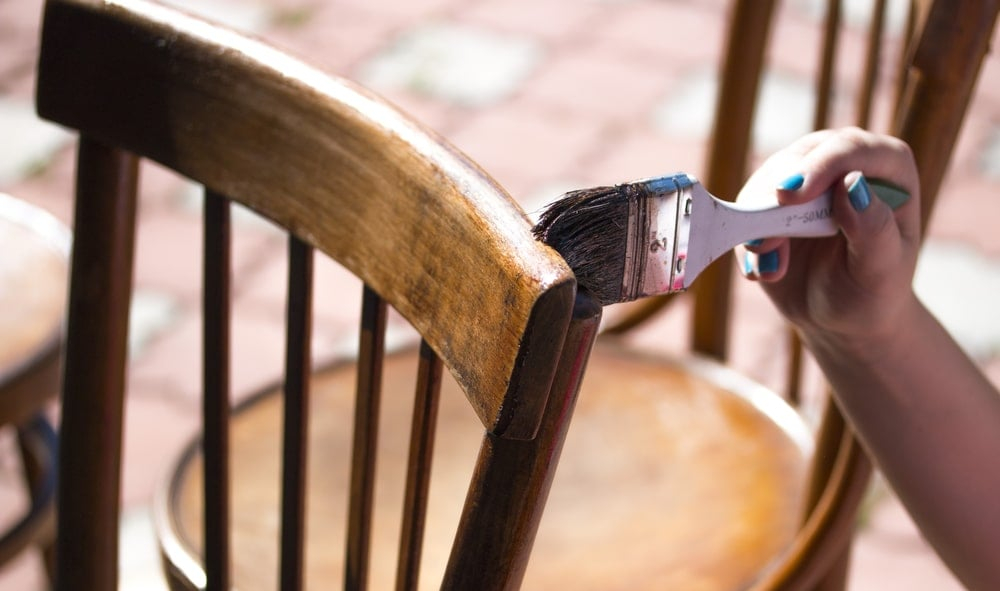
What a good finish actually does is act like a slow-release brake. Instead of the wood swelling up instantly during a sudden summer rainstorm, a well-applied finish slows the absorption rate way down. This gives the wood time to adjust gradually without tearing itself apart. Make sure you finish the bottom side of your table just as carefully as the top so moisture enters and exits evenly from both sides.
Real-World Examples of What Goes Wrong
Let us look at a classic mistake. Someone builds a beautiful cabinet with solid wood sides and a solid wood door inset tightly into a face frame. Summer comes, the humidity spikes, and the door swells up so badly it refuses to open. Or consider the opposite winter problem where a wide panel glued directly to solid legs splits right down the glue lines because the apron held the edges in a death grip.
Recognizing these classic failure points helps you spot trouble before you make your first sawdust. Whenever you join two pieces of wood together, just pause and ask yourself a simple question. If this piece gets wider tomorrow, where is it going to go. If the answer is nowhere, redesign your joint.
Building with solid wood is one of the most rewarding crafts out there. There is nothing quite like gathering around a handcrafted dining table that you built with your own two hands. By respecting the natural habits of timber instead of fighting them, you ensure your work stays strong through decades of family dinners.
Keep your moisture levels right, use clever joinery that allows for a little wiggle room, and never lock a wide board down on all four corners. Master these simple concepts, and your handmade tables will proudly stand through every seasonal shift without ever cracking under pressure.