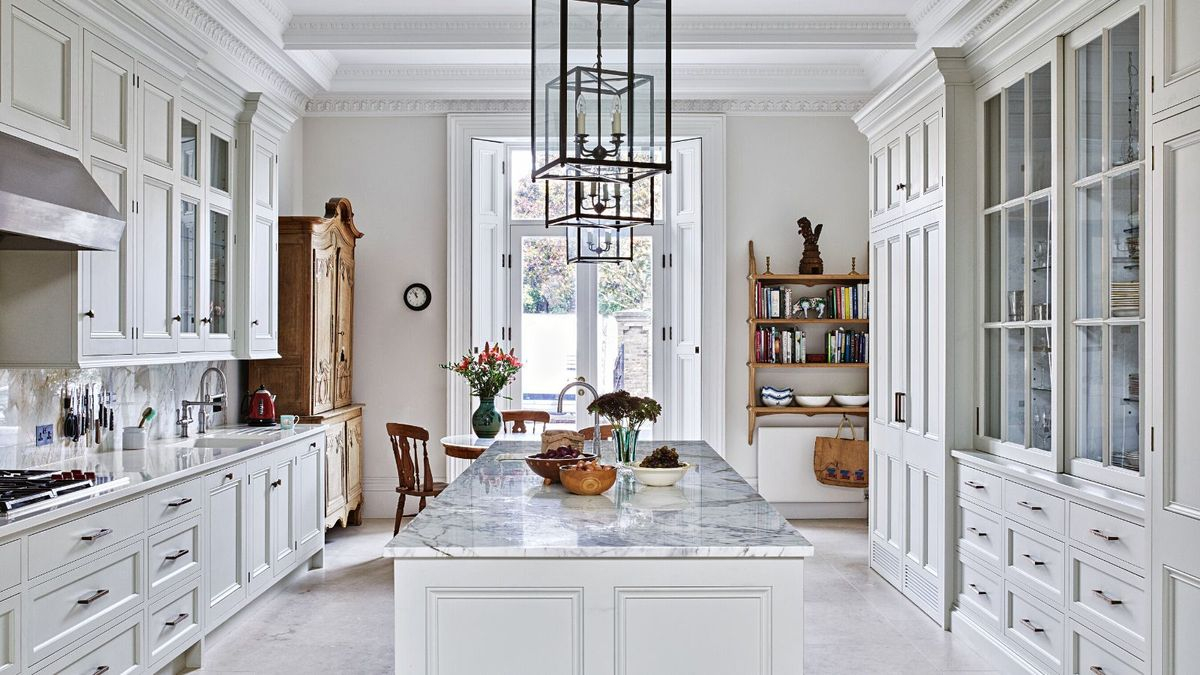
You know that feeling. You walk into a furniture store, and everything is perfect. The pillows are fluffed at precise forty-five-degree angles. The coffee table has exactly one book on it, placed just so. It’s beautiful, sure. But it feels like no one actually lives there. Like if you sat down, you’d get in trouble. Now look at your own living room. Does it feel a bit too much like that showroom? Maybe you’ve spent months curating pieces, chasing a specific aesthetic you saw online, only to realize the space feels cold. Empty. Not in a minimalist way, but in a soulless way.
We’ve all been there. In 2026, with high-definition virtual staging and AI-generated interior mockups flooding our feeds, the pressure to have a "perfect" home is higher than ever. But here’s the truth: perfection is boring. And frankly, it’s exhausting to maintain. A home isn’t a museum exhibit. It’s where you spill coffee, kick off your shoes, and curl up after a long day. The goal isn’t to create a backdrop for Instagram; it’s to create a sanctuary for your actual life. So, how do we bridge the gap between stylish design and genuine comfort? How do we keep the good taste without losing the warmth?
It starts with letting go of the idea that every item needs to match or serve a purely functional purpose. It’s about embracing the messy, beautiful reality of being human. This article isn’t about throwing out your nice things. It’s about softening the edges. It’s about adding layers that tell your story. We’re going to dive into the specific, actionable ways you can break up those rigid lines and inject some personality into your space. Let’s make your living room feel like yours again.
Embrace the Beauty of Imperfection
The first step to killing the showroom vibe is to stop trying to be perfect. Showrooms rely on symmetry and pristine conditions. Real life relies on chaos and comfort. One of the easiest ways to soften a room is through texture. Think about the surfaces around you. If everything is smooth—glass tables, leather sofas, polished wood floors—it’s going to feel clinical. You need contrast. You need things that invite touch.
Consider adding a chunky knit throw blanket draped casually over the arm of your sofa. Not folded neatly. Just tossed there like you might grab it later. Add a sheepskin rug over your existing carpet or hardwood. These elements add visual weight and tactile warmth. They signal to anyone entering the room that it’s okay to relax. In 2026, we’re seeing a huge shift towards "biophilic" textures—materials that mimic nature. Think raw linen, unpolished stone, and woven rattan. These materials have irregularities. They aren’t uniform. And that’s exactly why they work.
Don’t be afraid of wear and tear, either. That slight fade on the velvet cushion? It shows the sun hits that spot in the afternoon. The scratch on the wooden coffee table? That’s from when you moved in and bumped it. These aren’t flaws; they’re proof of life. When you decorate, choose items that age well. Leather that develops a patina. Wood that darkens with time. Avoid anything that looks like it will fall apart if you look at it wrong. You want pieces that gain character, not lose value. It’s about shifting your mindset from "preserving" to "living."
Layer Lighting for Mood, Not Just Visibility
Showrooms are brightly lit. Every corner is illuminated to ensure you see the product clearly. But homes? Homes need shadows. They need pools of light and dark areas. If you rely solely on overhead recessed lighting or a single central fixture, your room will feel flat and sterile. It’s harsh. It highlights dust and imperfections rather than creating atmosphere. The fix is simple: layer your lighting.
Start with ambient light, which is your general illumination. Then, add task lighting for reading or working. Finally, and most importantly, add accent lighting. This is where the magic happens. Use floor lamps with warm-toned bulbs (aim for 2700K or lower) to create cozy corners. Place table lamps on side tables at different heights. The variation in height creates a rhythm for the eye to follow. It breaks up the horizontal lines of your furniture. In recent years, smart lighting has made this easier, allowing you to dim lights based on the time of day. Use that feature. Dim those lights down in the evening. Let the room breathe.
Also, consider the placement. Don’t just put lights in the corners. Try placing a lamp behind a plant to cast interesting shadows on the wall. Or use a picture light above a piece of art you love. This draws attention to what matters to you, not just what fills the space. The goal is to create intimacy. When the light is low and warm, people naturally speak softer and relax more. It changes the energy of the room entirely. It stops feeling like a stage and starts feeling like a hug.
Curate, Don’t Coordinate
One of the biggest mistakes people make is buying entire furniture sets. The matching sofa, loveseat, and armchair in the same fabric. It’s easy. It’s safe. But it’s also incredibly boring. It screams "catalog." To avoid this, you need to curate your pieces as if you collected them over time. Even if you bought them all last week, arrange them so they look like they have history.
Mix eras and styles. Pair a mid-century modern chair with a rustic industrial coffee table. Combine a sleek, contemporary sofa with vintage wooden side tables. The contrast creates tension and interest. It makes the eye move around the room. If everything matches, the eye glides over it without stopping. When things clash slightly, in a harmonious way, it engages the brain. It asks questions. "Where did that come from?" "How do those work together?"
This applies to decor too. Don’t buy the three-piece vase set from the big box store. Instead, pick up a unique ceramic bowl from a local market. Frame a postcard from a trip you took ten years ago. Display a collection of rocks you found on hikes. These items have stories. And stories are what make a home feel lived-in. In 2026, there’s a growing appreciation for "maximalism lite"—not clutter, but a thoughtful abundance of personal items. It’s about displaying what you love, not what matches. If you love books, stack them. Don’t hide them. If you love music, leave your guitar on a stand. Let your hobbies be part of the decor.
Bring the Outside In (For Real)
Plants are the ultimate anti-showroom weapon. Showrooms often use fake plants because they don’t require maintenance. But fake plants, unless they are incredibly high-end, often look dusty and sad. Real plants bring life. Literally. They change. They grow. They drop leaves. They require care. This interaction adds a layer of humanity to the space.
But don’t just stick a small succulent on a shelf and call it a day. Go big. Use large floor plants like Fiddle Leaf Figs, Monsteras, or Olive Trees to fill empty corners. They add vertical interest and soften the hard lines of walls and windows. Mix sizes and types. Hang some trailing pothos from a high shelf. Cluster smaller pots on a side table. The key is variety. A single plant can look like an afterthought. A group of plants looks like a choice.
Also, consider other natural elements. Wood, stone, wool, cotton. The more natural materials you introduce, the warmer the room feels. Synthetic materials tend to reflect light in a harsh, plastic way. Natural materials absorb light and feel softer to the touch. In 2026, sustainability is a major focus, so choosing second-hand wooden furniture or organic textiles not only helps the planet but also adds unique character that mass-produced items lack. Each piece has a previous life. You can feel that depth. It grounds the room.
Break the Symmetry
Symmetry is pleasing to the eye, but too much of it feels formal and stiff. Showrooms love symmetry because it’s orderly. It’s easy to photograph. But homes are organic. They flow. To avoid the sterile look, you need to embrace asymmetry. This doesn’t mean making a mess. It means balancing visual weight without mirroring everything.
Look at your seating arrangement. Do you have two identical end tables flanking your sofa? Try swapping one for a small stack of books or a sculptural stool. Do you have two identical lamps? Keep them, but change the shades or place them on surfaces of different heights. Hang art in a gallery wall style rather than centering one large piece. Let the arrangement drift. It should feel effortless.
Think about the flow of traffic too. Showrooms have clear, wide pathways. Homes have obstacles. A basket here, a chair angled slightly there. These small disruptions slow you down. They make you navigate the space with intention. It creates nooks and crannies. A reading nook by the window doesn’t need to be perfectly centered. It just needs to be comfortable. By breaking symmetry, you create dynamic energy. The room feels active, not static. It invites exploration. You discover new details each time you walk through. That’s the sign of a well-loved space.
At the end of the day, if your living room isn’t comfortable, it’s failed. Showroom furniture is often firm and upright to maintain its shape. Real living room furniture should sink. It should invite you to sprawl. Don’t sacrifice comfort for the sake of a clean line. If a chair looks amazing but hurts your back after ten minutes, it doesn’t belong in your home. It belongs in a museum.
Test everything. Sit on the sofa. Curl up in the chair. Put your feet up. Does it work? Add plenty of cushions, but vary their sizes and textures. Don’t just use the ones that came with the sofa. Mix in some oversized floor pillows for casual seating. Make sure there are surfaces within reach for your drink, your phone, your book. Convenience is key to comfort. If you have to get up to reach the remote, the design is fighting against your lifestyle.
In 2026, we’re seeing a return to "soft living." Curved furniture, plush fabrics, and enveloping shapes are trending. This isn’t just a fad; it’s a response to a stressful world. We want our homes to be soft places to land. So, prioritize how things feel over how they look. Choose a rug that feels good under your bare feet. Choose curtains that block the light effectively for movie nights. Choose a sofa that’s deep enough for a nap. When comfort is the priority, the room naturally becomes more inviting. It stops being a display and starts being a home. And honestly, that’s the only metric that matters.
So, take a breath. Look around your living room. What feels stiff? What feels untouchable? Start small. Throw a blanket over that perfect chair. Move a lamp to a darker corner. Add a plant that needs watering. Let go of the need for it to look like a magazine spread. Magazines don’t live in those houses. You do. And your life, with all its beautiful imperfections, is the best decoration you have. Embrace it.