Ever walked into a room that looked amazing in a magazine, but felt completely cold and uninviting in real life. Or maybe you’ve tried to spruce up your own living area, only to end up with a space that feels either totally chaotic or incredibly boring. We have all been there. It is easy to get overwhelmed by all the design rules out there, especially when you are trying to make your home look put-together yet cozy.
The secret to a beautiful, comfortable space isn’t spending a fortune on high-end designer pieces. It is actually much simpler than that: it’s all about finding the right balance between color and texture. When you get these two elements working together, your home instantly feels warmer, more stylish, and incredibly welcoming. Let us break down how to do this in a way that is fun, easy, and completely stress-free.
Start with a Easy Color Foundation
Before you run out and buy ten different throw pillows, you need to establish a solid base. Think of your room as a canvas. If you start throwing random colors everywhere, things will get messy fast. Instead, pick a simple palette of three colors: one dominant neutral color for the walls or large furniture, a secondary color that supports it, and a tiny splash of an accent color to keep things interesting.
For instance, you might choose a soft beige for your walls, a warm terracotta for your chairs, and small touches of forest green in your decor. Keeping your color palette limited gives your eyes a place to rest. It also makes the next step—adding texture—much easier because you do not have to worry about colors clashing while you play with different materials.
Layer Textures to Keep Monochromatic Rooms Alive
If you prefer a very clean, neutral look, you might worry that your room will look flat or boring. This is where texture becomes your absolute best friend. When you aren’t using a lot of different colors to create interest, you have to rely on how things feel to the touch and how they catch the light.
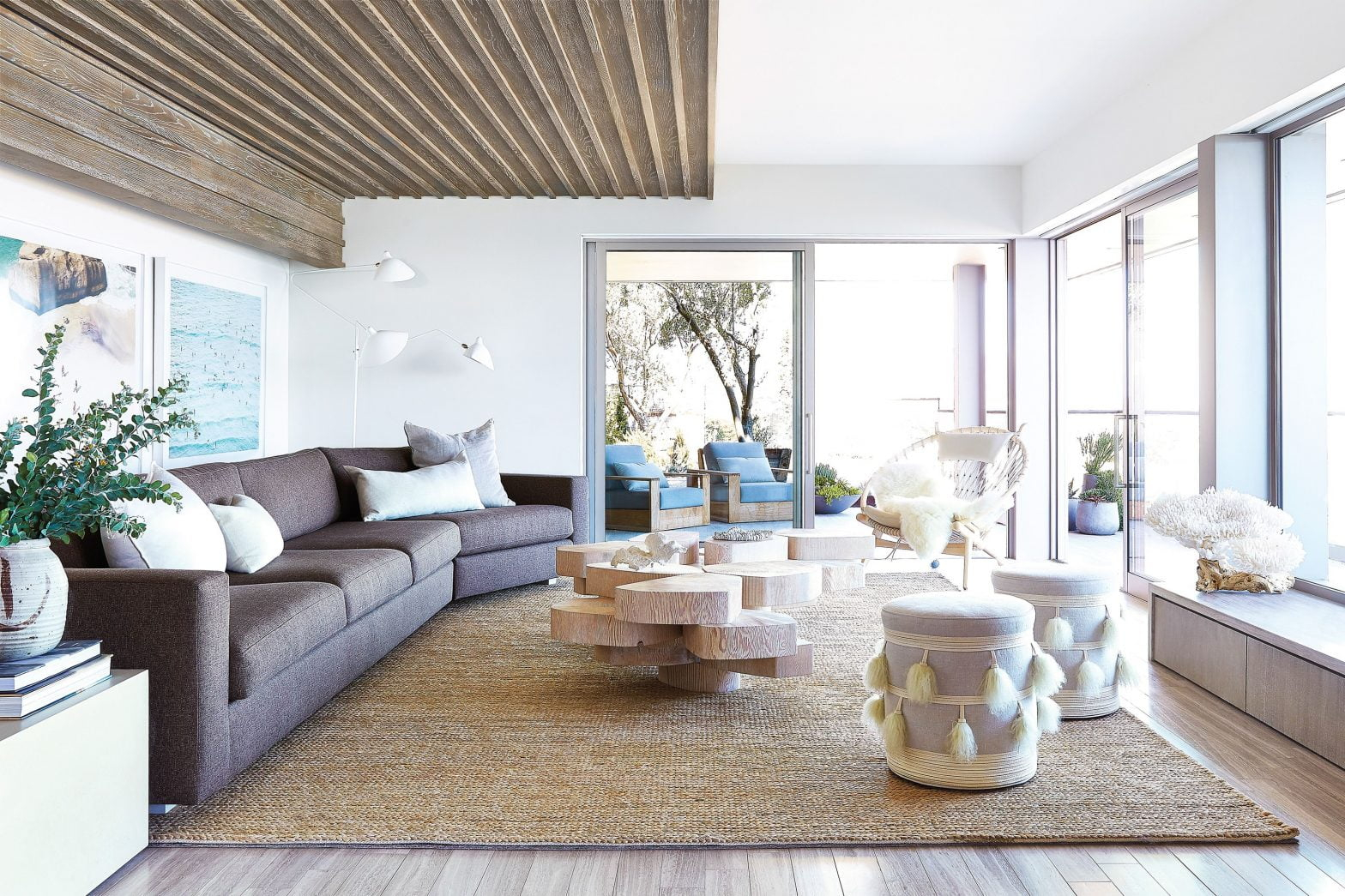
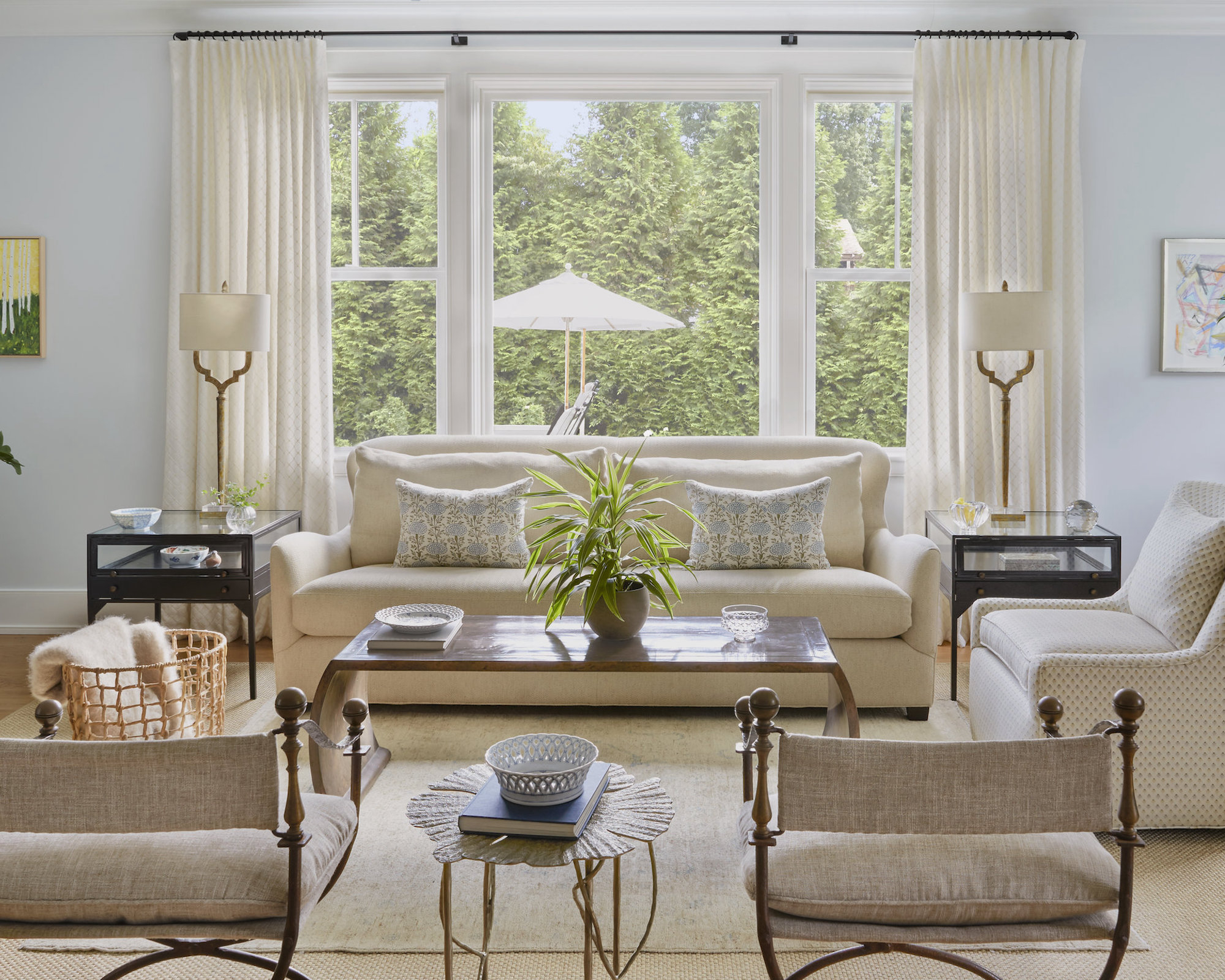
Imagine a living room where everything is a shade of cream. If every surface is smooth cotton, the room feels like a sterile clinic. But if you swap in a chunky knit blanket, a woven jute rug, a sleek leather chair, and some rough-hewn wooden shelves, suddenly that cream room feels incredibly luxurious and deep. Mixing rough with smooth and shiny with matte keeps a single-color room feeling vibrant and alive.
The Rule of Contrasts: High Color, Low Texture
A great rule of thumb to keep from getting overwhelmed is the rule of opposites. If you love bold, bright colors, you should try to keep your textures relatively simple. Vibrant colors already draw a lot of attention, so if you pair them with super busy textures, the room can start to feel loud and chaotic.
If you have a bright royal blue velvet sofa, let that be the star of the show. You do not need to pile it high with heavily patterned, shaggy pillows. Instead, pair it with smoother fabrics like linen or cotton in solid, neutral tones. This lets the beautiful color of the sofa shine without making the entire room feel like a circus.
Bring the Outdoors Inside for Instant Balance
When you are feeling stuck on how to mix elements, look out the window. Nature is the ultimate master of balancing color and texture. Think about a forest path: you have the rough bark of the trees, the soft moss, the smooth stones, and the gentle green leaves. It all works together beautifully because it is balanced.
You can easily bring this vibe into your own home. Add a wooden coffee table with a visible grain, some woven rattan baskets for storage, and a few leafy green plants. Not only do plants add a beautiful splash of natural color, but their leaves also introduce a fresh, organic texture that softens the hard edges of televisions and bookshelves.
Use Lighting to Play Up Your Textural Details
You can have the most beautiful fabrics in the world, but if your room is poorly lit, no one will notice them. Lighting is the magic ingredient that brings textures to life. Harsh overhead lighting flattens everything, making your beautiful knits and wood grains disappear into the shadows.
Instead, try to use layered lighting. Place a floor lamp next to your favorite reading chair, put a small table lamp on a side console, and use candles for a warm glow in the evening. When light hits a textured surface from the side rather than from directly above, it creates gentle shadows that make the material look richer and much more inviting.
Start Small and Trust Your Gut
At the end of the day, your home should reflect who you are and how you live. You don’t need to redesign your entire house in one weekend. In fact, the best homes are those that are put together slowly over time.
Start by changing out a few small things, like adding a textured throw blanket to your existing couch or swapping out a couple of picture frames. Walk into the room, see how it feels, and adjust as you go. Trust your instincts—if a space feels good to sit in, then you’ve got the balance just right.
Balancing color and texture doesn’t require a degree in interior design or a massive budget. By sticking to a simple color scheme, layering different materials, and using contrast to your advantage, you can transform any room into a cozy haven. Remember to look to nature for inspiration and use soft lighting to show off your hard work.
Don’t be afraid to experiment and make a few mistakes along the way. Home styling should be a fun process of discovery, not a source of stress. So grab a cozy blanket, light a candle, and enjoy the process of making your space truly your own.