Have you ever stood in an old, creaky house and wondered what lies behind those plaster walls. It is a tempting dream: buying a home with character, ripping out the outdated stuff, and leaving a sleek, strong skeleton ready for the 21st century. But what actually happens when you strip a traditional house down to its modern bones?
It is a journey that is equal parts thrilling and terrifying. In 2026, more homeowners than ever are choosing to remodel rather than build from scratch, wanting to keep the neighborhood soul while getting a house that actually functions for modern life. Let us pull back the drywall and look at what this process really looks like.
The Shock of the Reveal
When you first tear down the plaster and lath, you are basically taking a time machine back to when the house was built. You might find sturdy, old-growth timber that is tough as iron, but you are also going to find some pretty wild historical hacks.
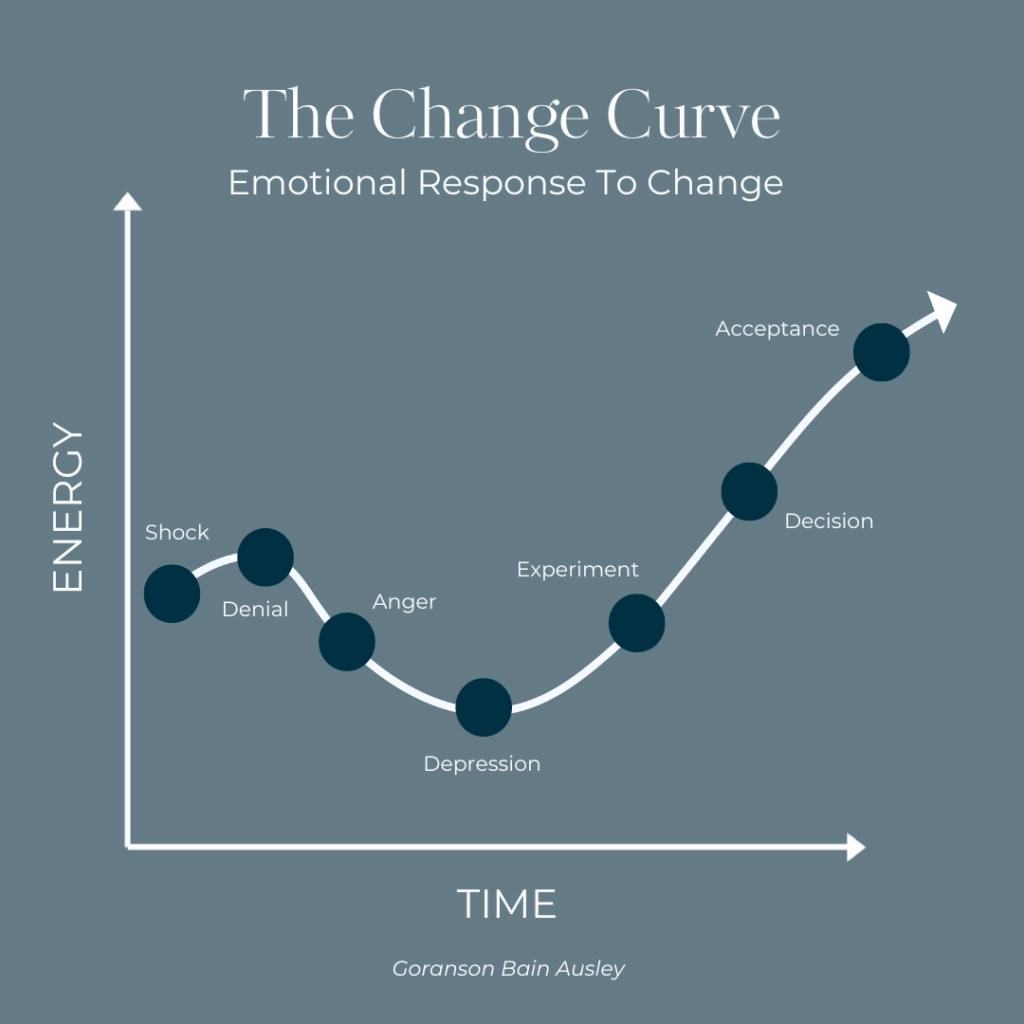
It is common to discover balloon framing where walls have no fire stops, or old wiring that looks like a hazard waiting to happen. The initial demolition phase is always a bit of a roller coaster. One day you are marveling at the craftsmanship of the 1920s, and the next you are realizing none of your corners are actually square.
Upgrading the Invisible Essentials
Once the house is stripped bare, the very first thing to tackle is what we call the "nervous system" and "arteries" of the home. This means the wiring, plumbing, and HVAC systems. In a traditional house, these were often squeezed into tiny spaces or retrofitted clumsily over decades.
With open walls, you can finally run modern Romex wire, PEX plumbing pipes, and proper ductwork. This is the stage where you turn a drafty, unevenly heated relic into a comfortable haven. It is not the prettiest part of the job, but it is the most important for daily comfort.
Structuring for Open Concept Living
Traditional homes were designed with lots of small, closed-off rooms to keep heat from escaping. Today, we want light and open spaces. Stripping a house down allows you to see which walls are holding up the roof and which ones are just partition walls.
Replacing load-bearing walls with heavy steel or engineered wood beams lets you open up the floor plan. Suddenly, the kitchen, dining room, and living room flow together. You get to keep the beautiful exterior shape of the house while completely rewriting how you live inside it.
The Insulation Revolution
Old houses are notoriously drafty because they were built to "breathe" rather than trap air. When you strip the walls down, you get a golden opportunity to fix this. You can seal up all the gaps and pack the walls with high-quality insulation.
Many builders in 2026 use spray foam or rockwool to create a tight thermal envelope. This keeps your home warm in the winter and cool in the summer without sending your utility bills through the roof. It is like putting a modern, high-tech winter coat on an old friend.
Bridging the Old and the New
The real magic happens when you start putting the house back together. The goal for most people is not to erase the history, but to honor it. You can pair clean, modern drywall and minimalist fixtures with exposed original ceiling beams or a restored brick chimney.
This contrast creates a home with a unique personality that you just can’t buy in a brand-new subdivision. It is about finding a balance between clean, functional spaces and the warm, textured soul of the original structure.
Navigating the Unexpected Costs
We have to talk about the budget, because stripping a house always brings surprises. You might find hidden water damage, termite history, or structural sagging that needs immediate attention. These "while we are in here" moments can add up fast.
Experts usually recommend keeping a contingency fund of at least twenty percent when doing this kind of deep renovation. It pays to be flexible and patient. When you expect the unexpected, the bumps in the road do not feel quite as devastating.
In the end, stripping a traditional house down to its bones is about more than just a fancy renovation. It is about preservation and adaptation. You are saving a piece of history from being torn down, while making it livable for decades to come.
It is a lot of hard work, dusty days, and tough decisions. But when you finally sit in a space that has the character of the past and the comfort of the present, every single scraped knuckle feels worth it.