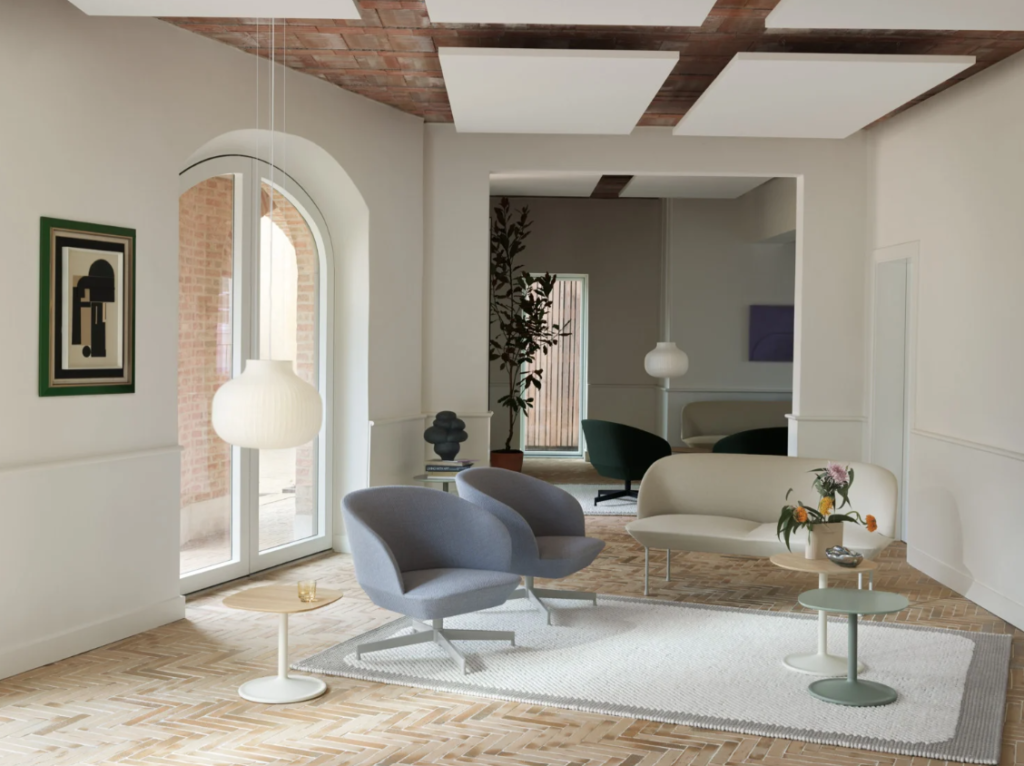
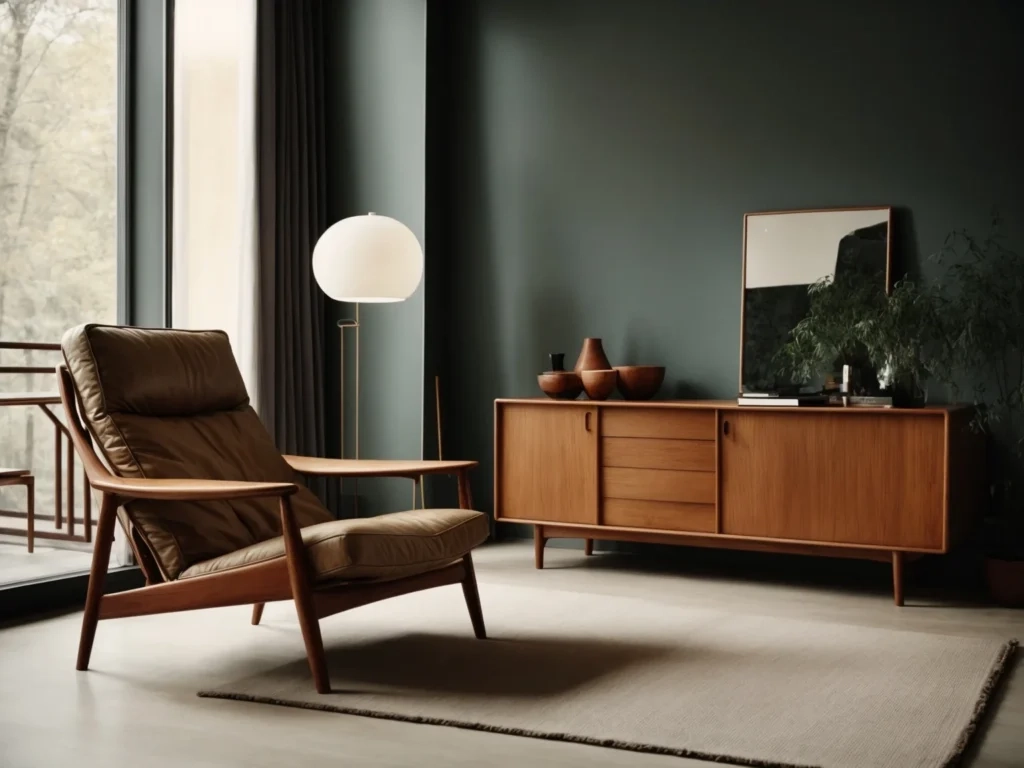
If you type "Scandinavian design" into a search bar, you are instantly flooded with images of pristine, snow-white rooms, ultra-expensive minimalist chairs, and homes that look like nobody actually lives there. It looks beautiful, sure. But does it feel like home.
For years, we have been told that Nordic style is all about emptiness, stark white walls, and buying fewer things. But if you actually travel to Copenhagen, Stockholm, or Oslo today in 2026, you will quickly realize that we have gotten it all wrong. True Scandinavian design isn’t about creating a perfect museum; it is about creating a better everyday life for everyone.
The Myth of the Sterile White Room
Let’s bust the biggest myth right out of the gate. Nordic homes are not cold, sterile boxes. In fact, because winters in Scandinavia are incredibly long, dark, and brutal, people there do not want to live in a freezing white void.
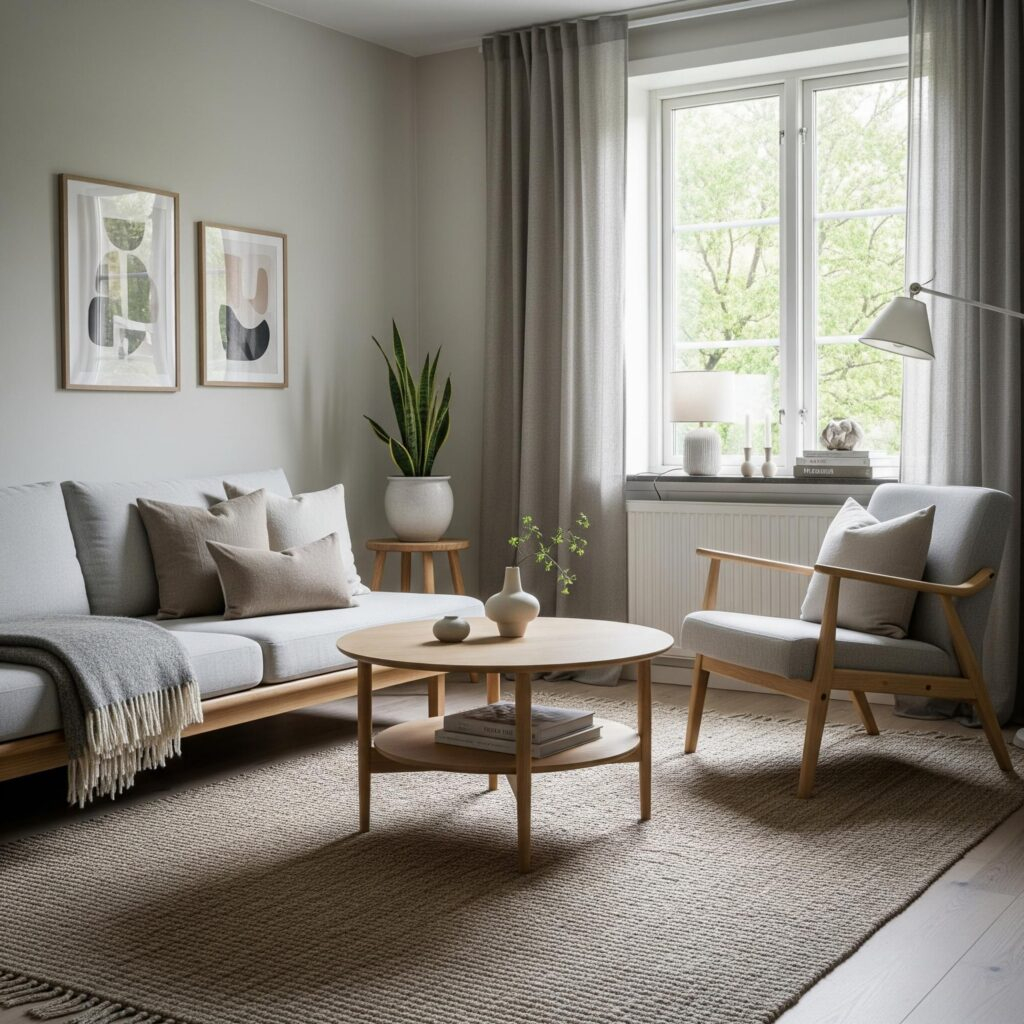
Instead, they use warm tones, earthy colors, and heaps of textures to combat the gloom outside. Think soft wool blankets, rich wooden floors, and clay pottery. The white walls we see on social media are usually just a blank canvas meant to catch whatever precious sunlight peeks through the window during the day, not a rule that says you cannot own colorful things.
It is All About Lagom and Hygge
You have probably heard these words tossed around in lifestyle magazines, but they are the literal foundation of how Nordic people design their spaces. Hygge is the Danish art of coziness, but it is less about buying expensive candles and more about creating a warm atmosphere where you can relax with friends.
Then there is lagom, a Swedish word that roughly translates to "not too little, not too much, just enough." In design, this means every piece of furniture has a clear purpose. You won’t find a room packed with useless knick-knacks, but you also won’t find an empty room where you are afraid to sit down. It is all about balance.
Democratic Design for the Many
A massive part of the philosophy that people often miss is that good design shouldn’t just be for rich people. In the mid-20th century, Nordic designers made a conscious choice to create beautiful, functional items that everyday families could actually afford.
This idea of "democratic design" changed everything. It means that an everyday object—like a simple water pitcher or a wooden stool—deserves to be beautiful and well-made. When you walk into a Nordic home, the most stunning piece of furniture might just be a simple, mass-produced chair that has lasted for three generations.
Nature is the Ultimate Blueprint
Scandinavian designers have a deep, almost spiritual connection to the great outdoors. Because the natural landscape is so breathtaking, people want to bring that peace inside their homes.
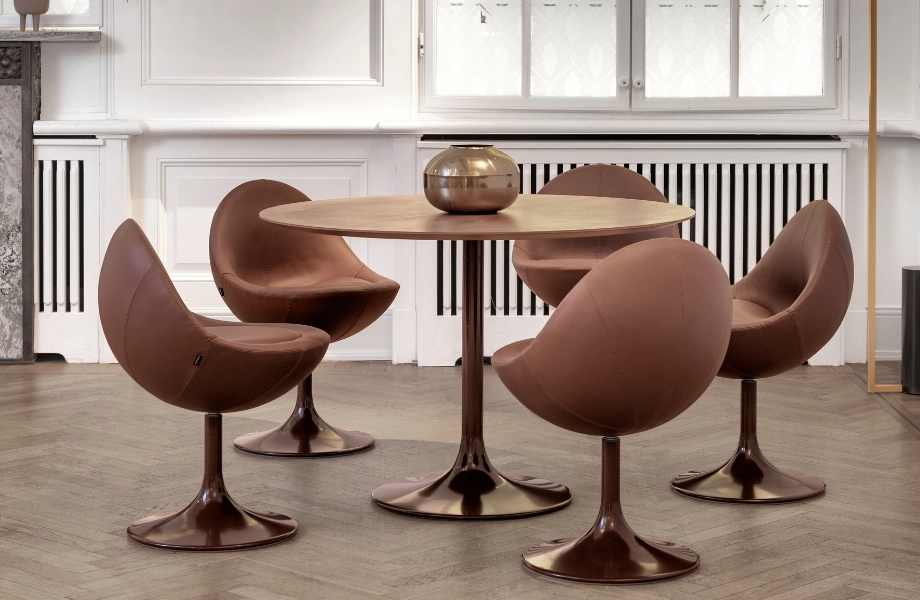
This is why you see so much raw timber, stone, and leather in their furniture. They don’t coat wood in thick, shiny plastic lacquer; they leave it matte so you can feel the grain. Lately, in 2026, this has evolved into "biophilic design," where homes are built around indoor gardens and massive windows that blur the line between inside and outside.
Built to Last, Not to Toss
We live in a world of fast fashion and disposable furniture, but the true Scandinavian philosophy stands firmly against that throwaway culture. When a Nordic designer creates something, they expect it to be passed down to your kids.
They focus on incredible craftsmanship and sturdy materials that age beautifully over time. A leather couch isn’t ruined when it gets a few scratches; it gains character. This focus on durability is why vintage Scandinavian pieces from the 1950s are still highly sought after and used in modern homes today. It is sustainability in its truest form.
Form Follows Function, But With Feeling
You might have heard the old design phrase "form follows function." It means an object should be designed based on what it is supposed to do, rather than just looking pretty. Scandinavian design takes this rule very seriously, but they add a dash of human emotion to it.
A lamp shouldn’t just light up a room; it should cast a soft, warm glow that makes you feel safe and relaxed after a hard day at work. A dining table shouldn’t just hold plates; it should be wide and inviting enough to host long, loud dinners with family. The function isn’t just mechanical—it is emotional.
If you want to bring this vibe into your own space, stop worrying about making everything look perfect or buying a bunch of matching white furniture. Start by looking at what you already own and keeping the things that genuinely serve a purpose or bring you joy.
Focus on lighting first—swap out harsh, bright overhead bulbs for multiple small lamps with warm light to create a cozy feeling. Bring in natural elements like a few potted plants, a linen tablecloth, or a simple wooden bowl. Most importantly, design your home for living, not for taking pictures.
Ultimately, peeling back the layers of Scandinavian design reveals that it is not a rigid style guide at all. It is a philosophy about slowing down, appreciating the simple things, and respecting both nature and the people we share our spaces with. When we look past the stark white walls, we find a way of living that is deeply connected, sustainable, and beautifully human.