Have you ever walked into a room that looked absolutely stunning, like something straight out of a luxury magazine, only to sit down and realize the sofa feels like a brick? Or maybe you have tried to cook in a kitchen where the layout forces you to walk a marathon just to reach the fridge. It is a common frustration. For years, we have been told that we have to choose between a gorgeous home and a practical one. But it is 2026, and the old rulebook has been thrown out out the window.
The truth is, you do not have to live in a sterile, boring museum just to keep things clean, nor do you have to endure uncomfortable furniture for the sake of "high design." The most successful spaces—the ones that make you feel truly at peace—strike a delicate balance. They blend visual beauty with the messy, unpredictable reality of daily life. Let’s dive into how you can achieve this harmony in your own home without losing your mind or your savings account.
Understanding the Great Design Dilemma
At some point, we have all fallen for the trap of buying something purely because it looked pretty. Maybe it was an intricate, light-colored rug for a hallway that gets tons of foot traffic, or a sleek glass coffee table that instantly shows every single fingerprint. This struggle between form and function has puzzled people for decades. When we skew too far toward pure utility, our homes can end up feeling cold and uninspiring. On the flip side, chasing pure aesthetics usually leads to a space that feels too fragile to actually live in.
The goal isn’t to let one side win over the other. Instead, it is about finding that sweet spot where a piece of furniture or a room layout serves your family’s actual habits while still looking incredible. When you start planning a room, you have to look at the context of your daily life. Who lives here. Do you have pets or messy toddlers? Do you host big dinner parties, or do you prefer quiet nights in? Answering these questions honestly is the first step toward real design harmony.
Starting with Smart Storage Solutions
One of the biggest secrets to keeping a home looking beautiful is managing the inevitable clutter. No matter how gorgeous your color scheme is, a pile of shoes by the door or a counter buried in mail will ruin the vibe. This is where smart, versatile furniture options come to save the day. Think of things like storage ottomans, media consoles with hidden shelving, and custom built-ins that utilize vertical space.
Instead of buying a standard bookshelf that lets everything sit out in the open, look for pieces that combine open shelving with closed cabinets. That way, you can display your favorite art and books at eye level while hiding the messy paperwork and electronics down below. It keeps the visual noise to a minimum, which instantly makes a room feel more upscale and relaxed.
Choosing Materials That Fight Back
We can’t talk about practicality without talking about fabrics and surfaces. In the past, luxury interiors relied heavily on delicate silks and high-maintenance stones that required constant worrying. Thankfully, textile technology in 2026 has advanced massively. You can now find performance fabrics that look and feel like high-end linen or velvet but are completely resistant to stains, spills, and pet claws.
When selecting materials for high-use areas like the living room or kitchen, always prioritize durability alongside texture. Quartz countertops, for example, can give you the beautiful veining of marble without the constant fear of staining it with lemon juice or red wine. Using these clever alternatives allows you to breathe easy and actually enjoy your space instead of constantly policing your guests.
The Power of Strategic Lighting and Color
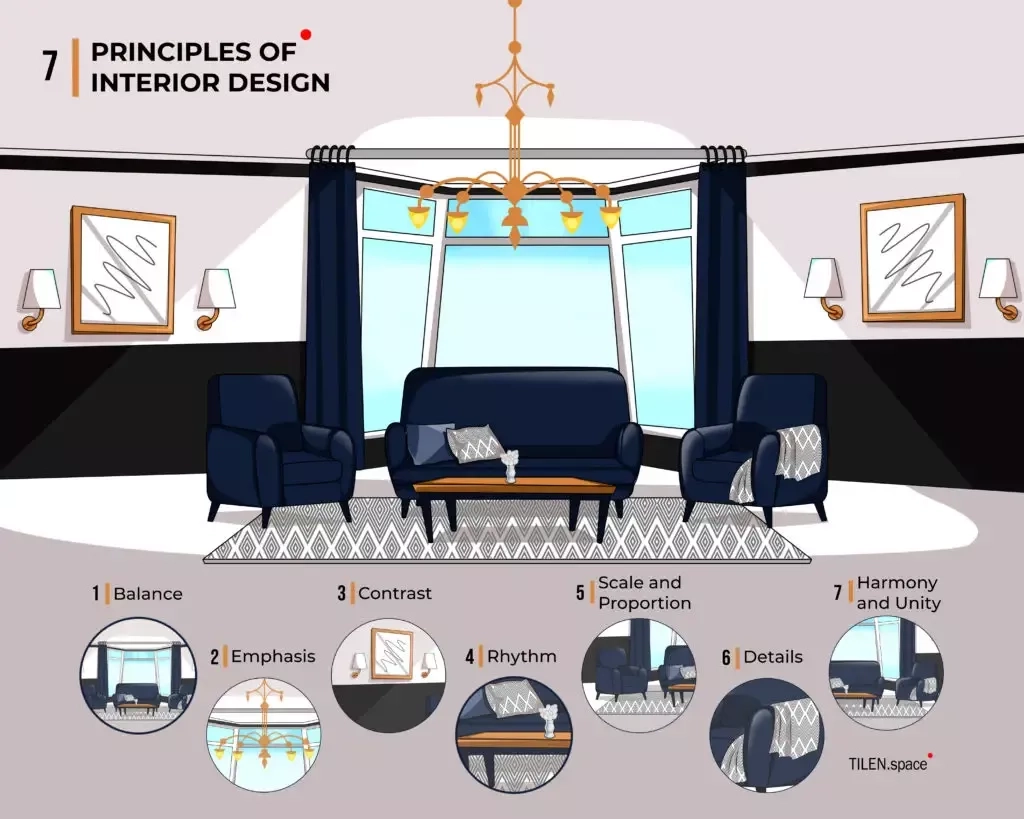
Lighting is often an afterthought, but it plays a massive role in how a room functions and how it feels. A single, bright overhead light can make a beautiful room feel like a doctor’s office. To fix this, you want to layer your lighting. This means combining ambient light (like ceiling fixtures) with task lighting (like reading lamps) and accent lighting to highlight artwork.
Color and texture work hand in hand with light to create a mood. Lighter colors can make a tiny, cramped room feel spacious and efficient, while darker tones bring warmth to a large, chilly space. By pairing the right paint colors with varied textures—like a chunky knit blanket over a smooth leather chair—you create visual depth without adding physical clutter.
Embracing a Minimalist but Warm Approach
A lot of people hear the word "minimalism" and picture a stark, white box with nowhere to sit. But a modern, practical approach to minimalism is actually much friendlier. It is simply about removing the things that don’t serve a purpose or bring you joy, leaving room for the things that do. It is about choosing quality over quantity every single time.
Instead of filling a room with cheap accent pieces that just collect dust, invest in a few meaningful items that make a statement. A singular, beautiful wooden dining table can act as the anchor for your whole dining room, eliminating the need for a bunch of extra decorations. This approach makes cleaning a breeze and gives your eyes a nice place to rest.
Real Examples of Form Meeting Function
Let’s look at how this plays out in real life. Take the classic entryway dilemma. Instead of a flimsy decorative table that gets buried under keys and bags, a functional setup includes a sturdy bench with shoe storage underneath, a couple of elegant wall hooks, and a beautiful ceramic bowl to catch your keys. It looks intentional and stylish, but it solves a daily problem.
Another great example is the modern home office. With so many people working from home nowadays, we need spaces that transition from productive workspaces to relaxing areas at night. A sleek wall desk that folds up when the workday is done, paired with a stylish ergonomic chair that doesn’t look like a giant piece of plastic, allows your living room to remain a living room.
At the end of the day, creating a home that balances beauty and practicality is a deeply personal journey. There is no one-size-fits-all formula because everyone uses their spaces differently. The key is to stop designing for some imaginary, perfect version of yourself and start designing for the life you actually live.
- Prioritize your absolute non-negotiable needs before looking at aesthetic styles.
- Test furniture out in person whenever possible to ensure it feels as good as it looks.
- Don’t rush the process; let your home evolve naturally as your needs change.
When you stop treating functionality and aesthetics like enemies, you unlock the ability to create something truly magical. A home should be a haven for relaxation, a place to entertain, and a space that works with you, not against you. By making intentional choices around storage, materials, and layout, you can easily achieve a stunning home that stands up to the tests of daily life.