Ever wonder why you toss and turn even though your mattress is brand new. We spend a third of our lives in bed, yet we rarely think about how the layout of our room affects our brains before we drift off. It turns out, your brain is constantly scanning your environment for safety, even when you think you are totally relaxed.
The way we set up our sleeping quarters tells our subconscious mind whether it’s okay to let guard down. In 2026, more people than ever are realizing that good sleep isn’t just about buying an expensive pillow. It’s about creating a visual sanctuary that tricks your nervous system into total peace.
The Primitive Brain and Your Sanctuary
Our minds are still wired like our ancient ancestors. When you walk into a bedroom, your subconscious immediately checks for threats. If your bed is floating in the middle of a room or facing away from the door, you might feel a strange, subtle sense of anxiety. This is what psychologists call the "prospect and refuge" theory. We want to see what is coming while feeling completely protected from behind.
That is where the physical structure of your bed comes into play. Without a solid anchoring point, your brain feels exposed. It sounds a bit dramatic, but think about it—have you ever felt truly cozy sleeping on a mattress right in the middle of an empty room? Probably not. You need a backstop.
Enter the Custom Headboard: More Than Just Decor
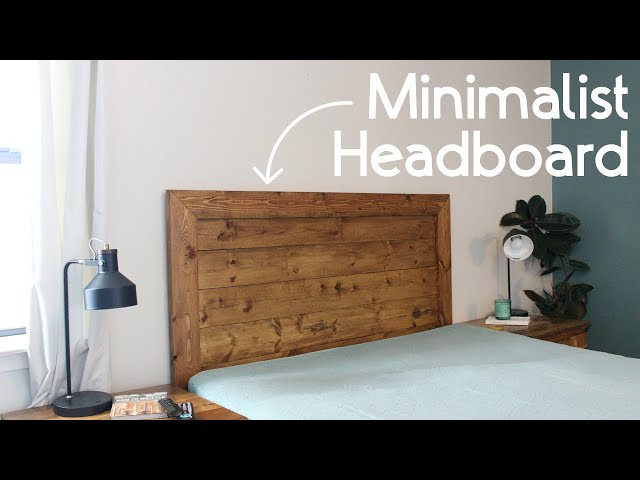
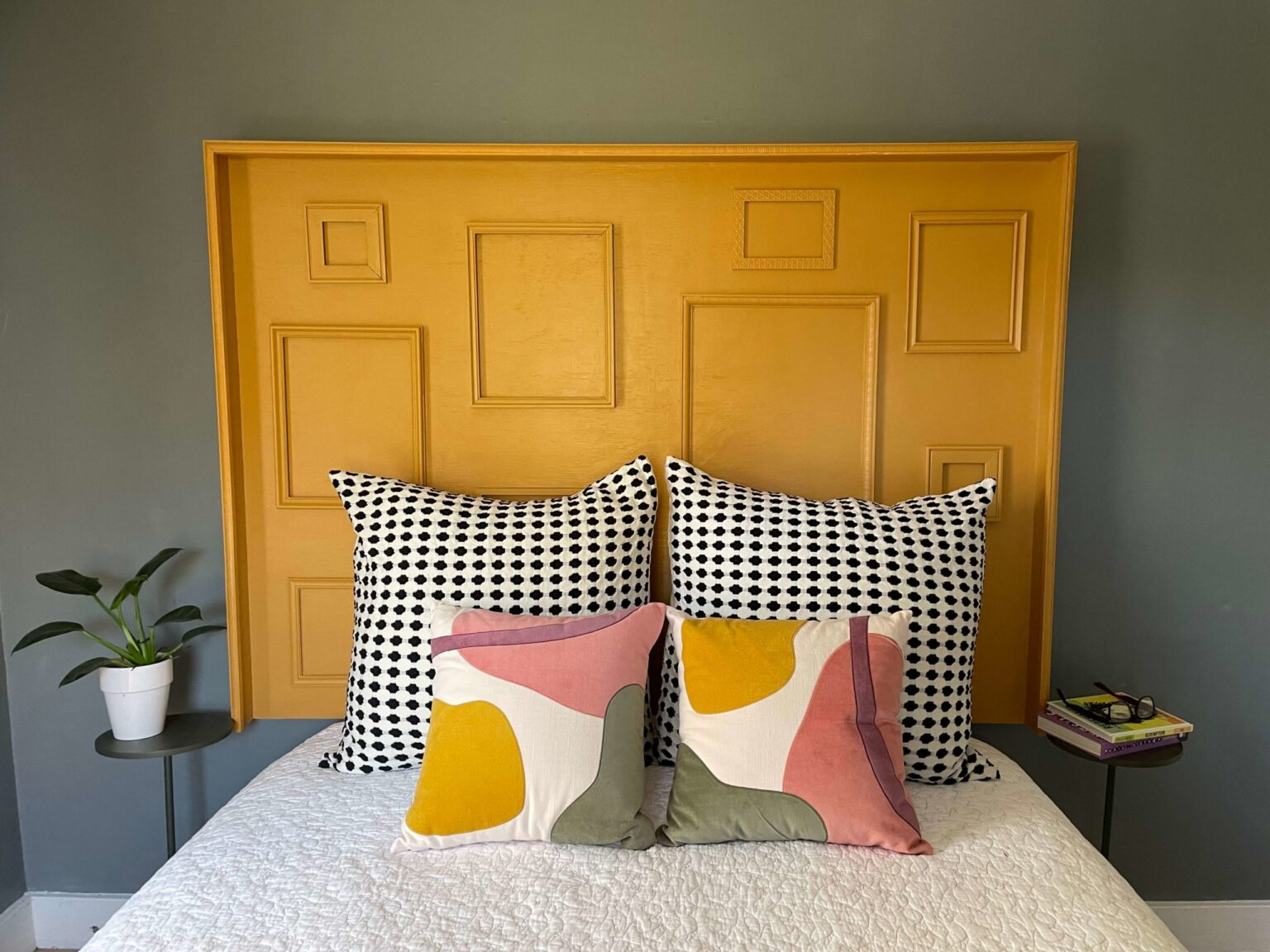
A custom headboard isn’t just something pretty to look at. It acts as a psychological shield. When you have a sturdy, tailored piece framing your head, it gives a deep sense of security. It tells your brain that your back is covered, literally.
Many people think headboards are just for holding up pillows, but they actually absorb sound and anchor the bed visually. When you customize it, you choose the exact height, fabric, and thickness that makes you feel enclosed and safe. It creates a defined "sleep zone" that separates your rest from the chaos of the rest of the day.
Textures, Fabrics, and Lowering Stress levels
Let’s talk about touch. The materials you choose for your bedroom setup have a direct line to your nervous system. Soft, plush fabrics like velvet or textured linen can actually lower your heart rate just by looking at them. Hard, cold metal bars do the opposite—they feel clinical and rigid.
- Velvet and Bouclé: These create a cozy cocooning effect that absorbs sound waves.
- Washed Linen: Offers a grounded, earthy feel that reduces visual tension.
- Padded Leather: Gives a sense of structure and permanence.
When you customize these elements, you are picking the exact sensory triggers that tell your body it is time to wind down. It is like a warm hug for your environment.
The Mistake of the Minimalist "Floating" Bed
Lately, there has been a trend of ultra-minimalist bedrooms where beds don’t have any headboard at all. While it looks clean in pictures, many folks find they can’t sleep right in these spaces. The pillows slip behind the mattress, the wall gets smudged, and the bed feels like it’s just drifting in space.
Psychologically, this lack of boundary makes the room feel temporary, like a hotel room you are checking out of tomorrow. A custom piece grounds the entire room layout, creating an intentional focal point that commands rest.
Color Psychology in the Snooze Zone
The colors surrounding your head affect your morning mood and evening wind-down. Bright, energetic colors keep your brain alert, while muted, earthy tones do the heavy lifting for relaxation. When designing a custom backrest, picking the right shade is crucial.
Deep blues, sage greens, and warm terracotta shades are huge in 2026 because they mimic nature. They lower blood pressure and help your eyes rest. Avoiding stark whites or jarring brights right above your eyes helps prevent your brain from staying in "daytime mode."
Practical Tips for Designing for Better Rest
If you are ready to fix your sleep setup, you don’t need a total remodel. Start small by looking at your bed alignment. Make sure your head is against a solid wall, and try to invest in a headboard that rises at least two to three feet above your mattress.
- Choose soft, matte fabrics instead of shiny materials that reflect light.
- Ensure the piece is bolted tightly so it doesn’t squeak when you move.
- Pick colors that match your favorite season to evoke happy memories.
Taking control of these tiny details gives you a sense of agency over your environment, which in itself reduces stress before bedtime.
At the end of the day, your bedroom should be the one place where the world can’t touch you. By understanding the psychology behind your furniture choices, you can design a space that actively helps you heal overnight.
Investing in a custom headboard is really just investing in your own peace of mind. It bridges the gap between functional furniture and emotional comfort. Next time you lie down, take a look around—is your room truly helping you rest, or is it keeping you awake.