We’ve all felt it. That low-level hum of exhaustion after scrolling through another endless feed. The blue light glare that leaves our eyes tired but our minds strangely empty. It’s no wonder that in 2026, something fundamental is shifting. We aren’t just looking for hobbies anymore; we’re hunting for anchors. Real, tangible things we can hold, touch, and shape with our own two hands.
Michaels, the crafting giant, recently dropped their annual Creativity Trend Report, and the findings are pretty striking. They’ve declared 2026 the "Year of Creative Living" in the analog era. This isn’t just marketing fluff. The data shows a genuine, widespread pivot away from screen time toward self-discovery through skill-building. People are swapping passive consumption for active creation. It’s less about making the perfect Instagram post and more about the quiet joy of getting lost in a project.
This shift is philosophical as much as it is practical. Crafting has evolved from a casual pastime into an essential part of daily routine. Think of it like your morning coffee or evening skincare ritual. It’s non-negotiable self-care. As we navigate an increasingly automated world, these hands-on activities help us reclaim our time and our identity. Let’s dive into what this looks like on the ground.
The Rise of Analog Rituals
The biggest takeaway from the recent reports is the sheer volume of people turning to analog hobbies. We’re talking about activities that require zero wifi and maximum focus. Junk journaling, for instance, has exploded in popularity. It’s messy, it’s personal, and it doesn’t demand perfection. You’re just gluing down ticket stubs, writing thoughts, and layering textures. It’s a physical record of your life, not a digital one.
Vision boards are also having a major moment. But these aren’t the glossy cutouts from magazines of yesteryear. Today’s vision boards are deeply introspective tools for self-discovery. People are using them to map out intentions rather than just material goals. It’s about connecting with what you actually want, not what algorithms tell you to want. The act of cutting, arranging, and pasting forces a slowness that scrolling never allows.
This trend speaks to a deeper need for tangible connection. In a world where so much of our interaction is mediated by screens, touching paper, feeling the weight of scissors, and smelling the glue provides a sensory grounding. It’s a reminder that we are physical beings living in a physical world. The data suggests this isn’t a fleeting fad but a corrective measure against digital fatigue.
Skill-Building as Self-Care
Another key insight is the move toward skill-building. People aren’t just crafting to kill time; they’re crafting to learn. There’s a profound satisfaction in mastering a new technique, whether it’s knitting a complex cable pattern or learning to throw a pot on a wheel. This focus on competence builds confidence in a way that passive entertainment simply can’t.
The report highlights that consumers are viewing these skills as essential parts of their wellness routines. Just as you might stretch to care for your body, you might knit to care for your mind. The repetitive motions of many crafts induce a state of flow, lowering stress and anxiety. It’s meditation with a product at the end. This reframing of crafting as health-focused is a significant shift from previous years.
Moreover, these skills offer a sense of agency. When you can fix a torn shirt, build a shelf, or create a gift from scratch, you feel less dependent on external systems. You become more self-reliant. This empowerment is a huge driver for the current surge in DIY projects. It’s not just about saving money; it’s about proving to yourself that you can create value with your own hands.
The Gifting Revolution
One of the most heartwarming trends identified by Michaels is the shift in gifting. Handmade gifts are seeing a sharp rise in popularity. People are moving away from mass-produced items toward personalized, handcrafted presents. This change reflects a desire for deeper connection in our relationships. A handmade item carries the weight of time and thoughtfulness that a store-bought gadget rarely does.
This isn’t just about the recipient either. The giver benefits from the creative process. Choosing materials, designing the item, and putting in the hours creates a emotional investment in the gift. It transforms giving from a transaction into an expression of love. The data shows that people are willing to spend more time and effort on gifts because the emotional return is higher.
We’re seeing a move toward "experience gifts" too, but with a crafty twist. Instead of just buying a voucher, people are creating kits for their loved ones. Imagine gifting a box with all the supplies needed to start embroidery, along with a handwritten note. It’s an invitation to share in the joy of creation. This trend strengthens bonds and encourages others to join the analog movement.
Reclaiming Identity in an Automated World
In an era where AI can write emails and generate images, human creativity feels more precious than ever. The Michaels report points out that consumers are turning to hands-on hobbies to reclaim their identity. When machines do so much for us, doing something manually becomes an act of defiance. It’s a way to say, "I am here, and I can make this."
This reclamation is particularly strong among younger generations who have grown up digital natives. They are seeking balance. By engaging in crafts, they carve out spaces where their unique human touch is evident. No two hand-thrown mugs are alike. No two knitted scarves have the exact same tension. These imperfections are features, not bugs. They prove human involvement.
The data suggests this is also about mental clarity. In a world of constant notifications and automated responses, crafting offers a break. It requires presence. You can’t half-knit or half-paint. You have to be there. This mindfulness helps people reconnect with themselves, away from the curated personas they maintain online. It’s authentic self-expression in its purest form.
Top 8 Trends Shaping the Year
So, what exactly are people making? Michaels identified eight specific trends driving this shift. While the full list is extensive, some standouts include junk journaling, vision boarding, and various forms of textile arts. These activities are accessible yet deep enough to provide long-term engagement. They don’t require expensive equipment, just curiosity and time.
Other trends likely include sustainable crafting practices, such as upcycling old materials. With environmental concerns top of mind, people are finding creative ways to give new life to old objects. This aligns with the broader theme of intentional living. It’s not just about making new things; it’s about respecting resources and reducing waste.
Community aspects are also crucial. While the act is often solitary, the sharing of results brings people together. Online forums and local workshops are buzzing with activity. People are eager to share tips, troubleshoot problems, and celebrate successes. This sense of belonging reinforces the habit. It turns a private hobby into a shared cultural movement.
Integrating these practices into daily life doesn’t require a complete overhaul. Start small. Dedicate fifteen minutes a day to a simple craft. Keep a journal by your bed. Learn one new stitch. The goal isn’t productivity; it’s presence. Allow yourself to be bad at it initially. The learning curve is part of the joy.
Create a dedicated space, even if it’s just a corner of a table. Having your supplies visible and accessible removes friction. When the tools are ready, you’re more likely to pick them up. Make it easy to start. Remove the barriers that keep you scrolling instead of creating.
Remember, this is about ritual, not result. The value lies in the doing, not the done. If you finish a project, great. If you don’t, that’s fine too. The time spent was still yours. It was time invested in yourself, in your hands, and in your peace of mind. That’s the real gift of the analog era.
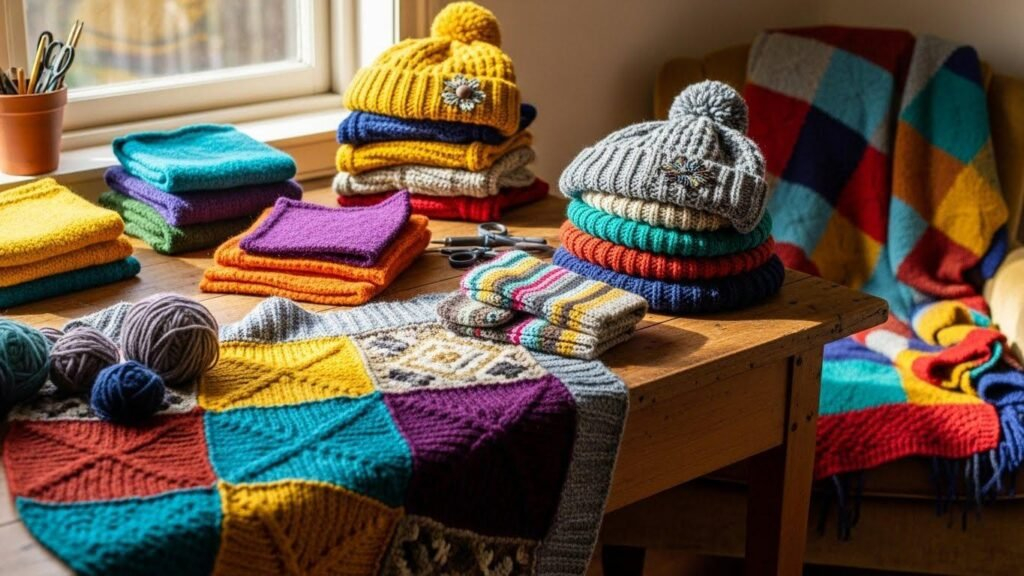
As we move further into 2026, the message from the data is clear. We are hungry for realness. We crave the tactile, the slow, and the handmade. Crafting offers a pathway back to ourselves. It’s a gentle rebellion against the rush of modern life. So pick up those scissors. Grab that yarn. Your hands are waiting to remind you who you are.