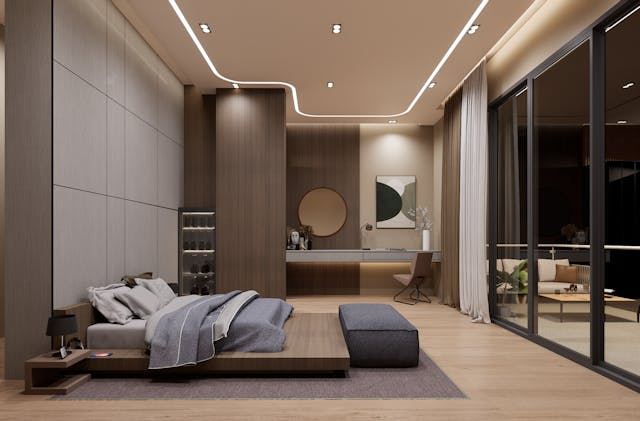
Ever walked into a tiny bedroom and instantly felt like the walls were closing in on you. It’s a common feeling in 2026, where urban apartments seem to get smaller by the minute but our stress levels keep climbing. We often blame the square footage, but what if the real culprit is actually how high your bed sits off the floor.
There is a fascinating shift happening in interior design that has less to do with aesthetics and much more to do with our brains. By simply lowering the height of our furniture, we can radically alter how we experience space. It’s a design trick rooted in environmental psychology, and it is changing how we rest.
The Visual Horizon and Brain Comfort
Our brains are constantly scanning our surroundings to judge safety and comfort. When you walk into a room packed with tall, bulky wardrobes and a massive bed frame, your vertical line of sight is blocked. This baseline clutter signals to your mind that the environment is confined and restrictive.
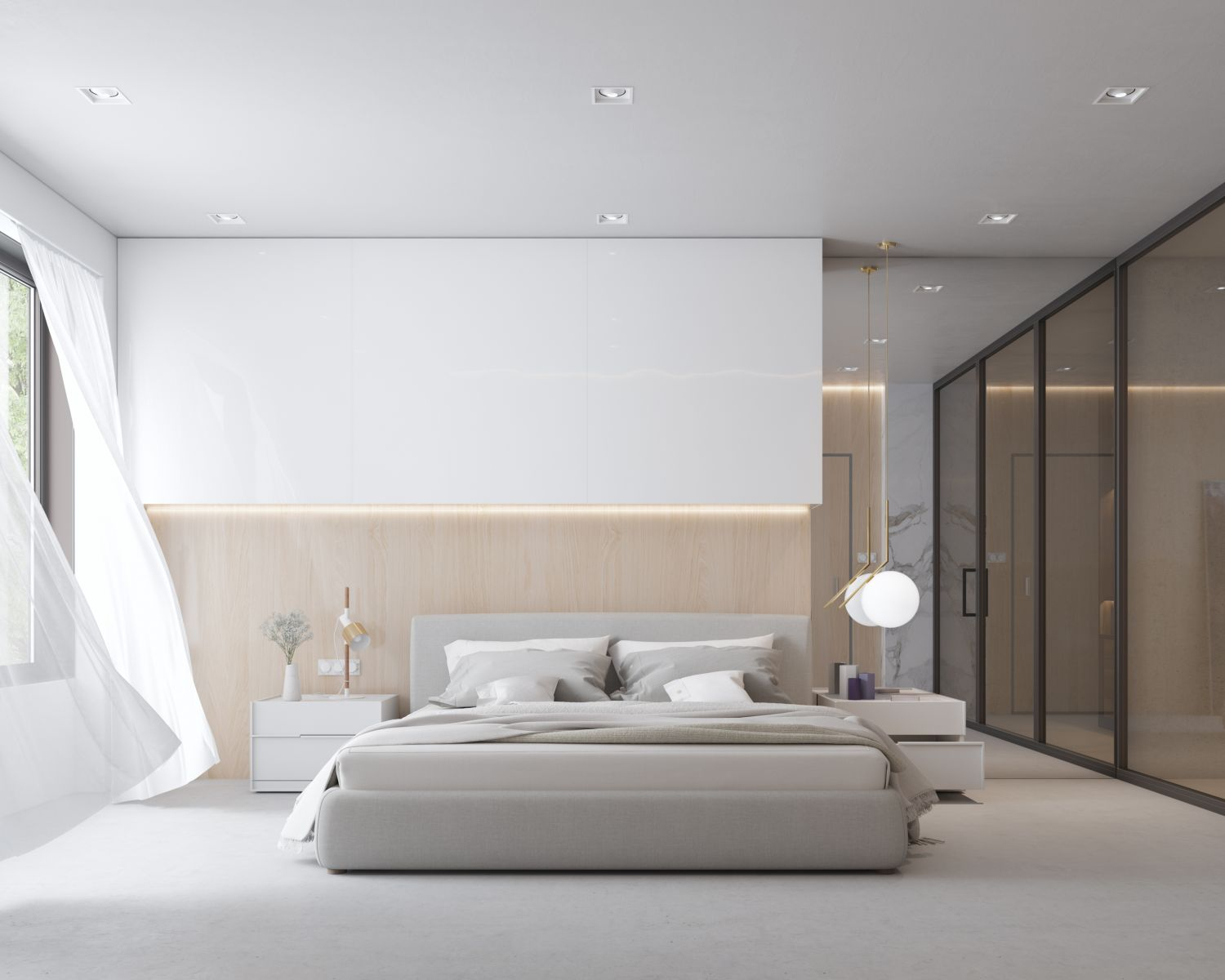
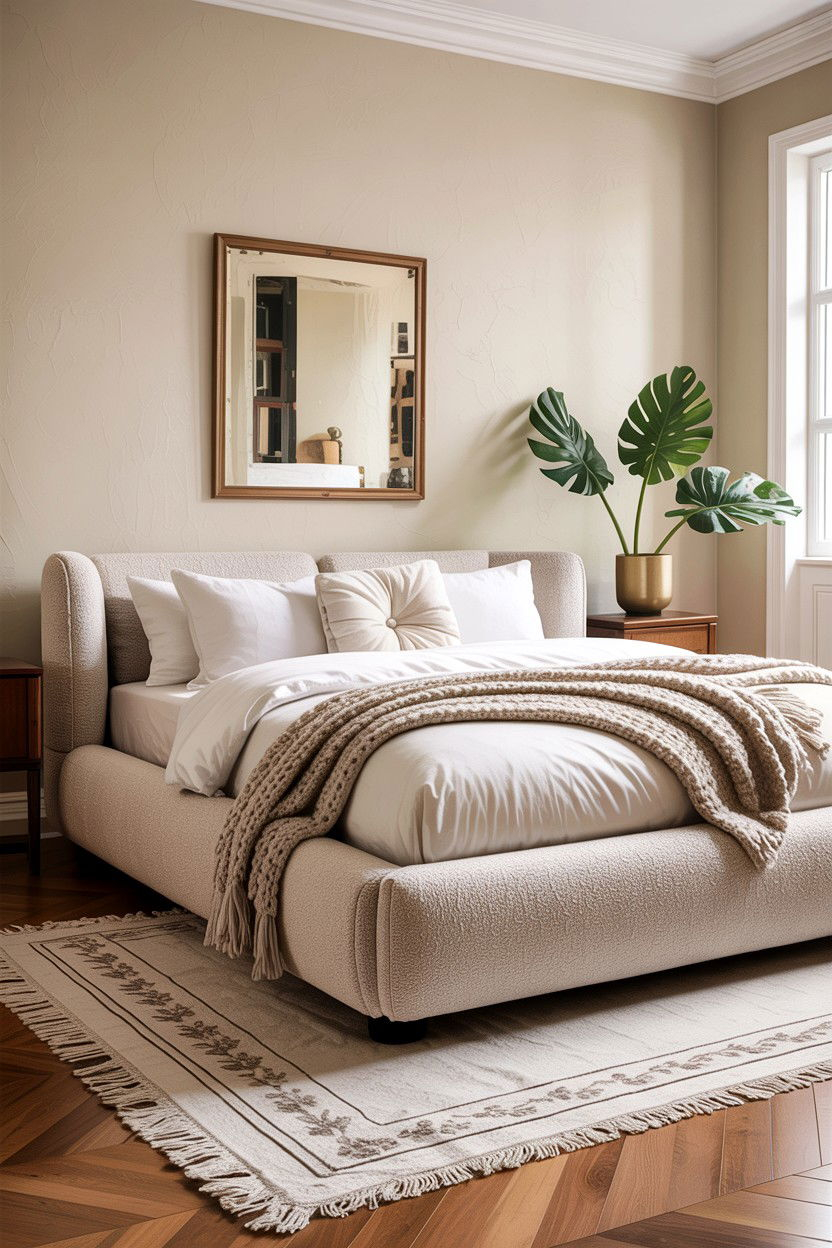
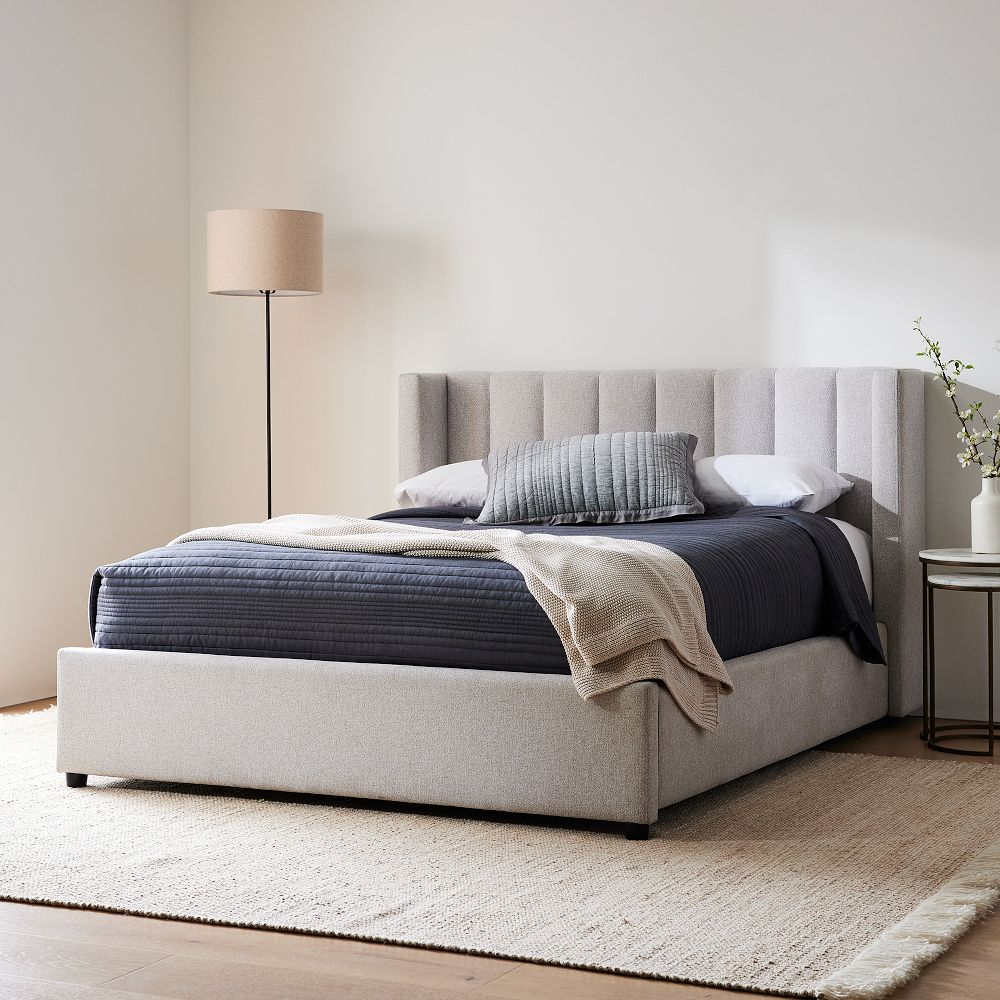
By switching to low-profile furniture—like platform beds that sit just inches off the rugs—you instantly open up the top half of the room. This creates an uninterrupted visual plane. When your eyes can track across a room without bumping into heavy wooden barriers, your nervous system naturally begins to wind down.
The Illusion of Vertical Abundance
It’s simple math, really. If you can’t expand your room outward, you have to expand it upward. Tall furniture cuts off the distance between the top of your mattress and the ceiling, making the room feel like a tight box.
When you drop the bed, seating, and nightstands closer to the earth, you artificially extend that overhead distance. Suddenly, a standard eight-foot ceiling feels much loftier. That extra breathing room above your head gives the impression of airiness, even if the actual footprint of the room hasn’t changed a single inch.
Grounding Effects and Emotional Security
There is an ancient, cozy comfort to being close to the floor. Think about how kids love building blanket forts or sitting on thick rugs. Culturally, minimalist low-profile setups have been utilized for centuries in Japanese design because they promote a sense of stability.
Psychologically, sleeping closer to the ground can trigger a subconscious feeling of safety and being grounded. It removes the precarious, floating feeling that high beds sometimes bring. For people dealing with daily anxiety, this subtle shift in sleeping height can noticeably improve sleep quality.
Decluttering by Functional Default
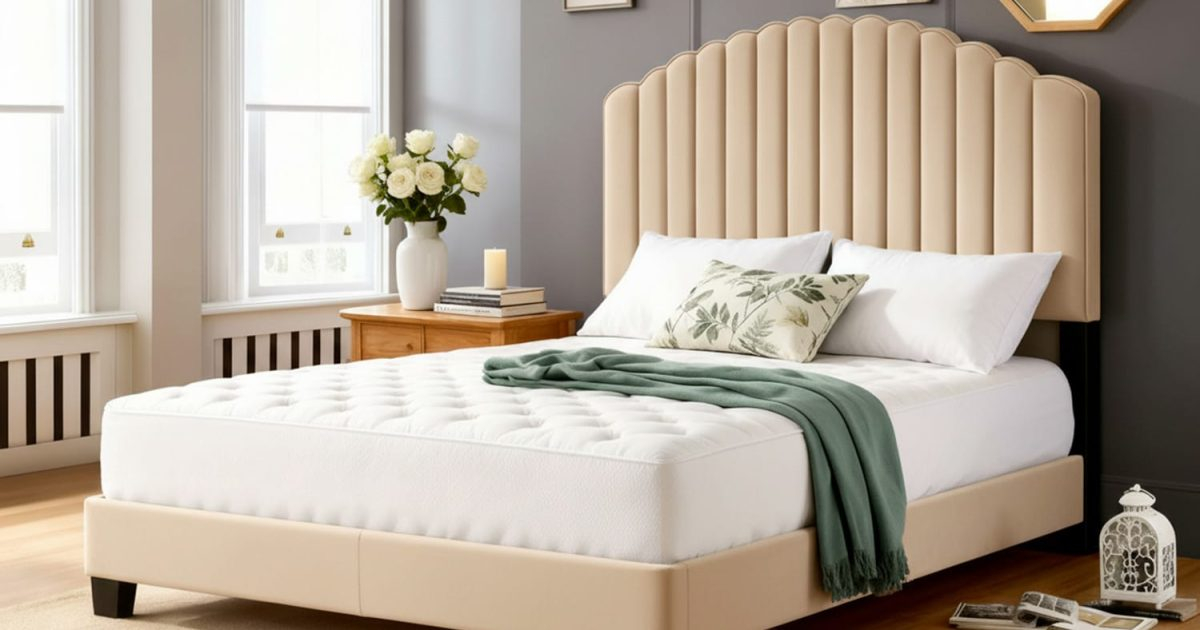
Here is a practical reality: high beds with deep frames invite us to hoard things underneath them. Old suitcases, seasonal clothes, and random boxes get shoved out of sight, creating an energetic weight beneath where we sleep.
Low-profile beds completely eliminate that temptation because there is simply no space for hidden junk. It forces you to embrace a more intentional lifestyle. When you remove the hidden clutter, you remove the mental weight attached to it, leading to a much cleaner headspace.
Maximizing Natural Daylight
Small bedrooms often suffer from a lack of natural light, especially if they only have one small window. Large, towering furniture pieces act like blockers, casting deep shadows across the floor and walls and making the space feel gloomy.
Low-slung furniture allows sunlight to pour deeply into the room without obstruction. Light reflects off the open walls and moves freely across the floorboards. A bright room always feels bigger and more inviting than a dark one, and keeping your furniture low maximizes every single ray of sun you get.
Creating a True Sanctuary Mindset
Your bedroom should be a recovery zone, not an extension of your busy day. When every piece of furniture is low to the ground, the room takes on a relaxed, lounge-like vibe. It signals to your brain that this is a place for winding down, meditating, and relaxing.
Imagine stepping down into a cozy den rather than climbing up into a formal structure. This shift in movement changes your physical relationship with the room, turning a cramped sleeping space into an intentional, peaceful sanctuary.
Embracing low-profile living isn’t about sacrificing style or settling for less. It is a smart, psychological strategy to reclaim your spatial freedom when square footage is tight. By lowering your visual horizon, you invite more light, air, and mental peace into your private world.
Ultimately, the way we arrange our homes shapes the way we think and feel. If your bedroom currently feels more suffocating than soothing, try looking down. Lowering your furniture might just be the quickest way to elevate your mood and find the breathing room you have been searching for.