Have you ever looked around your living room and wondered why your sofa faces a giant TV instead of a fireplace, or why your kitchen doesn’t have a door. For centuries, our houses were built like puzzles, with tiny, closed-off rooms designed to hide cooking smells and keep the heat in. Fast forward to 2026, and we are knocking down walls, polishing raw concrete floors, and proudly hanging bare lightbulbs from the ceiling.
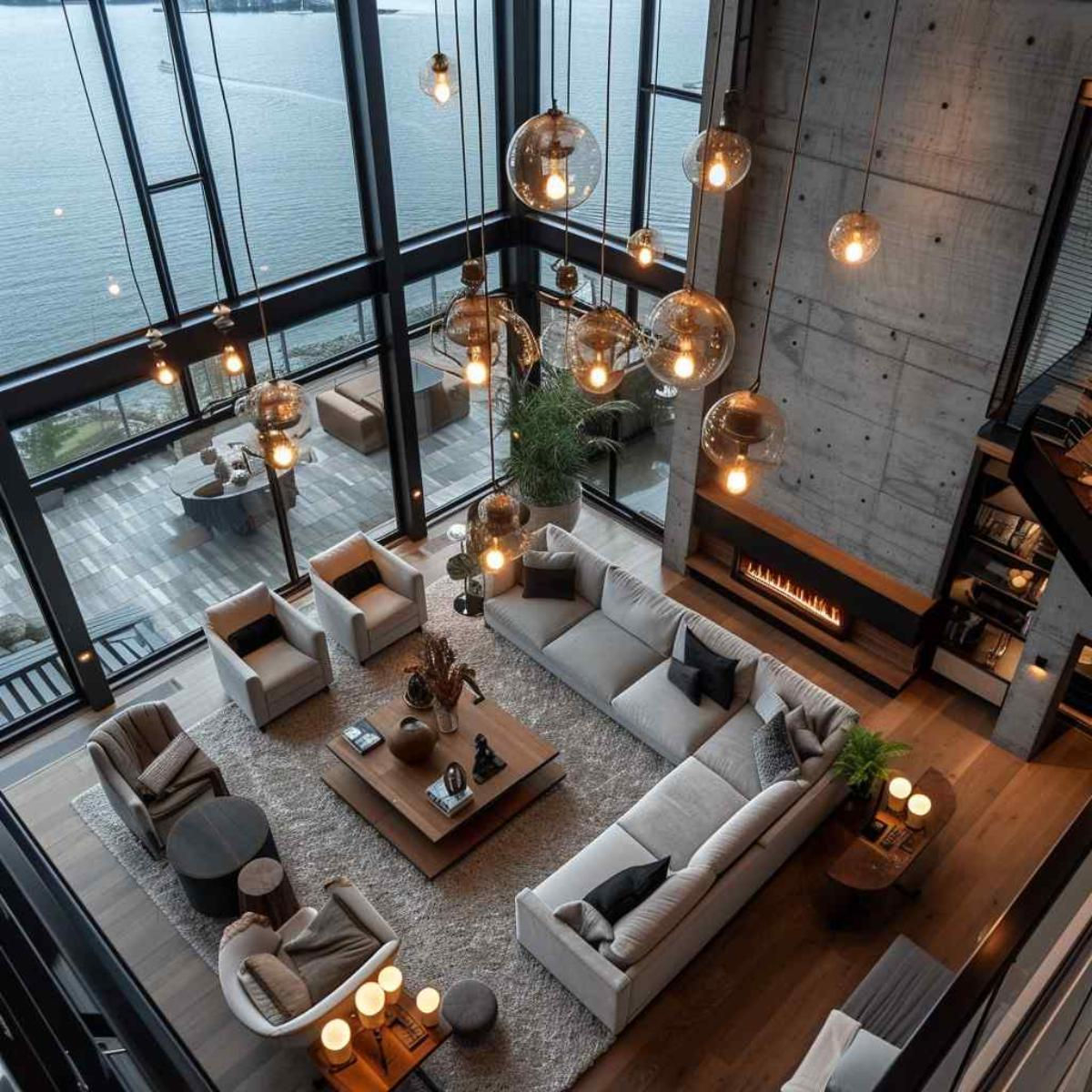
It is a massive shift in how we think about comfort. We used to show off our wealth with heavy velvet drapes and complicated wooden carvings. Today, luxury means having a massive open floor plan, giant windows that let the sun pour in, and materials that look like they were salvaged from an old factory. How did we get here. Let’s take a walk through the timeline of how our living spaces completely transformed.
The Era of Closed Doors and Formal Spaces
Go back a few generations, and houses were all about structure and rules. Traditional layouts were divided into strict, room-by-room setups. You had a formal dining room only used for holidays, a parlor for greeting guests, and a kitchen hidden away at the back because cooking was seen as messy work.
These homes prioritized privacy and elegance. Thick walls separated family members, and heavy carpets muffled every footstep. It was a beautiful way to live, but it was also incredibly stiff. You couldn’t just lounge around in the formal living room without feeling like you needed to sit up straight.
Industrial Materials Change the Game
As the mid-20th century rolled around, new building techniques and materials started trickling into residential construction. Steel beams and stronger concrete meant architects didn’t need as many internal walls to hold up the roof.
Suddenly, houses could breathe. Windows got bigger, ceilings got higher, and the relationship between the indoors and the outside world completely changed. People started realizing that a home didn’t have to feel like a fortress to feel safe and cozy.
The Massive Rise of the Open Floor Plan
By the time the late 1990s and early 2000s hit, the open concept layout became the ultimate goal for home buyers. Parents wanted to watch their toddlers while making dinner, and hosts wanted to chat with guests while prepping appetizers in the kitchen.
This layout completely redefined family life. The kitchen became the absolute center of the universe, turning into a massive social hub rather than an isolated workspace. Walls came tumbling down everywhere, creating bright, light-filled modern spaces where life could happen all at once.
Factories Turn Into Living Spaces
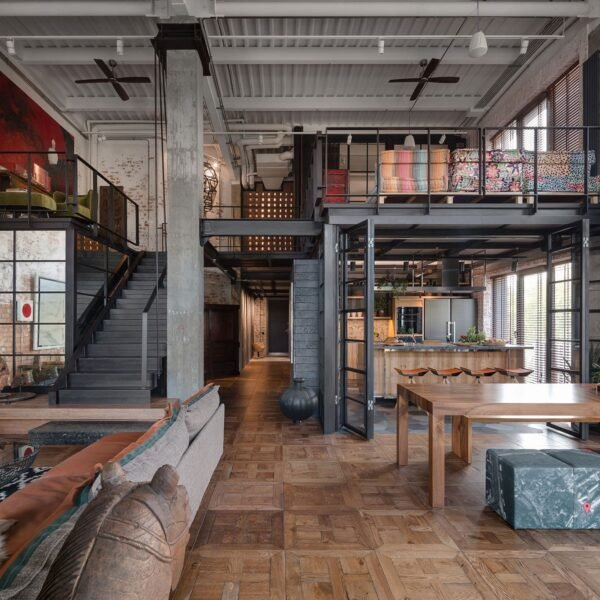
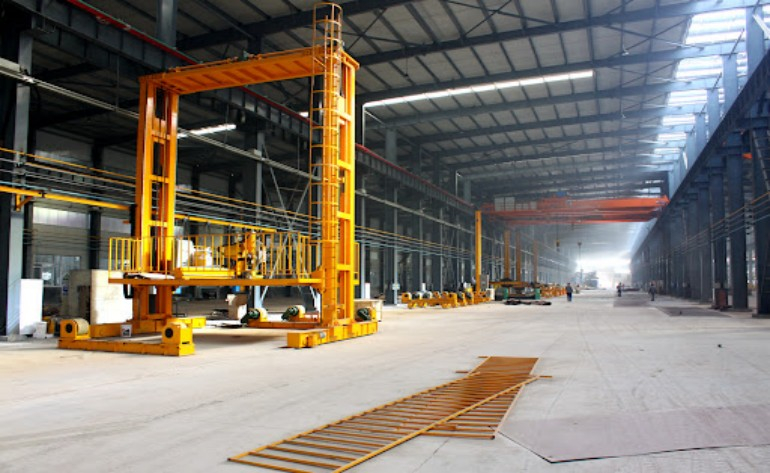
While suburban homes were opening up, a totally different movement was brewing in big cities. Artists and creatives started moving into abandoned warehouses and old factories. They couldn’t afford traditional apartments, so they turned these massive industrial spaces into studios and homes.
This was the birth of the raw urban aesthetic. Instead of covering up structural elements, people started celebrating them. Exposed plumbing pipes, rough concrete pillars, and massive grid-style steel windows became highly desirable design features instead of things you tried to hide behind drywall.
Defining the Modern Industrial Style
Today, you don’t even have to live in a converted warehouse to get that city vibe. The industrial look has gone completely mainstream. People are intentionally bringing rugged elements into brand new suburban homes.
To nail this look, designers mix hard textures with soft ones. Think about a sleek leather sofa sitting against a rough, unfinished brick wall, or a smooth wooden dining table paired with matte black metal chairs. It is all about creating a balance between cold, industrial items and warm, welcoming accents.
Embracing Imperfection and Smart Living
As we move through 2026, home design is focusing heavily on sustainability and authenticity. People are tired of mass-produced plastic furniture that breaks in a year. Instead, they want materials with a story, like reclaimed wood from old barns or recycled metal fixtures.
At the same time, we are blending this rugged look with smart tech. Hidden charging stations, automated lighting, and energy-efficient appliances are woven seamlessly into these raw spaces. It turns out you can enjoy a minimalist, industrial vibe without sacrificing any of the tech comforts of the modern world.
So, what does this mean for your own space. You don’t have to pick a side. The coolest homes today actually blend elements from both worlds to create something unique.
- Mix textures: Pair a plush, elegant rug with a sleek concrete coffee table.
- Warm up the metal: If you have lots of black iron fixtures, bring in warm wood tones to balance the coldness.
- Keep it functional: Choose furniture that looks great but is durable enough for everyday life.
Ultimately, the way our homes have changed shows that we value freedom and connection over formal rules. We traded the stiff elegance of the past for open, honest spaces that let us live exactly how we want. Whether you love a bit of traditional charm or dream of a raw urban loft, the best home is simply the one that feels like you.