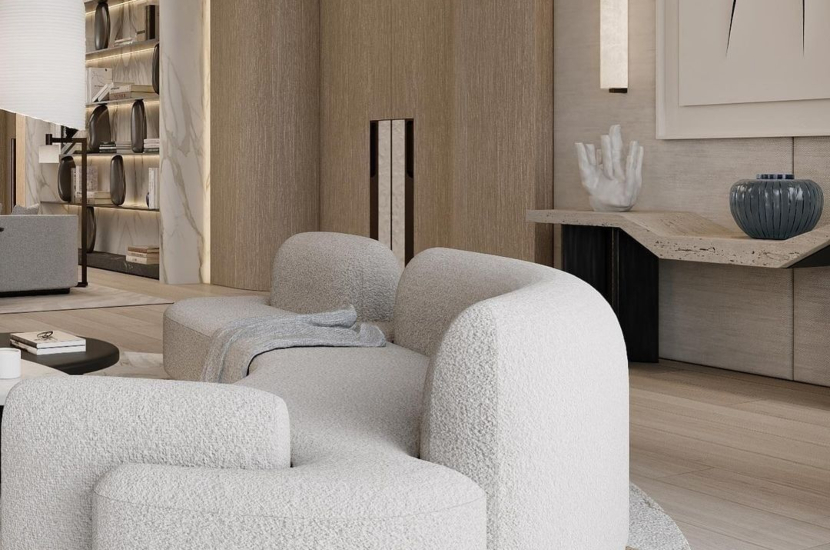
Ever walked into a room that looked perfect but felt cold? You know the type. Everything matches. The pillows are fluffed just so. There isn’t a single wrinkle in sight. It’s beautiful, sure. But it doesn’t invite you to sit down. It doesn’t ask you to stay. That’s the trap of modern design. We get so caught up in clean lines and minimalist aesthetics that we forget humans are messy, tactile creatures. We crave touch. We crave warmth.
The secret to fixing this isn’t buying more stuff. It’s about how you layer what you already have. Texture is the unsung hero of interior design. It’s the difference between a house and a home. In 2026, the trend isn’t about sterile perfection anymore. People are tired of showrooms. They want spaces that tell their story. They want rooms that feel like a hug. This guide will show you how to mix materials, fabrics, and finishes to create depth without the clutter. Let’s make your space feel real again.
Why Smooth Surfaces Feel Cold
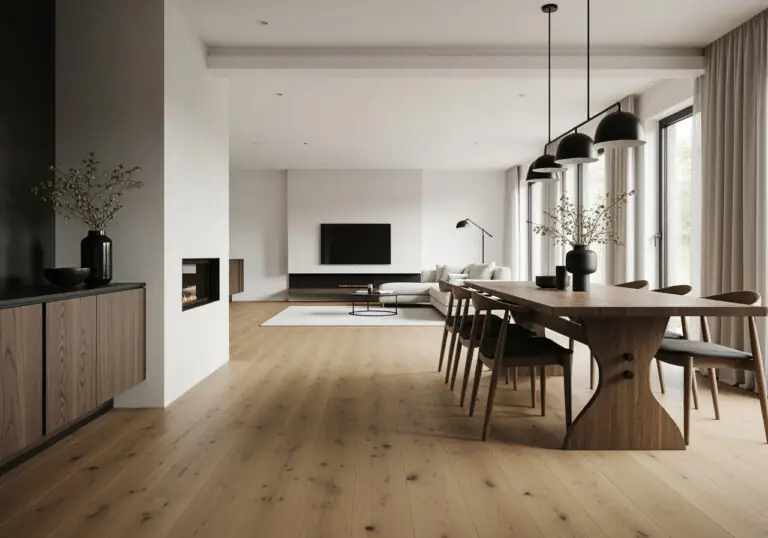
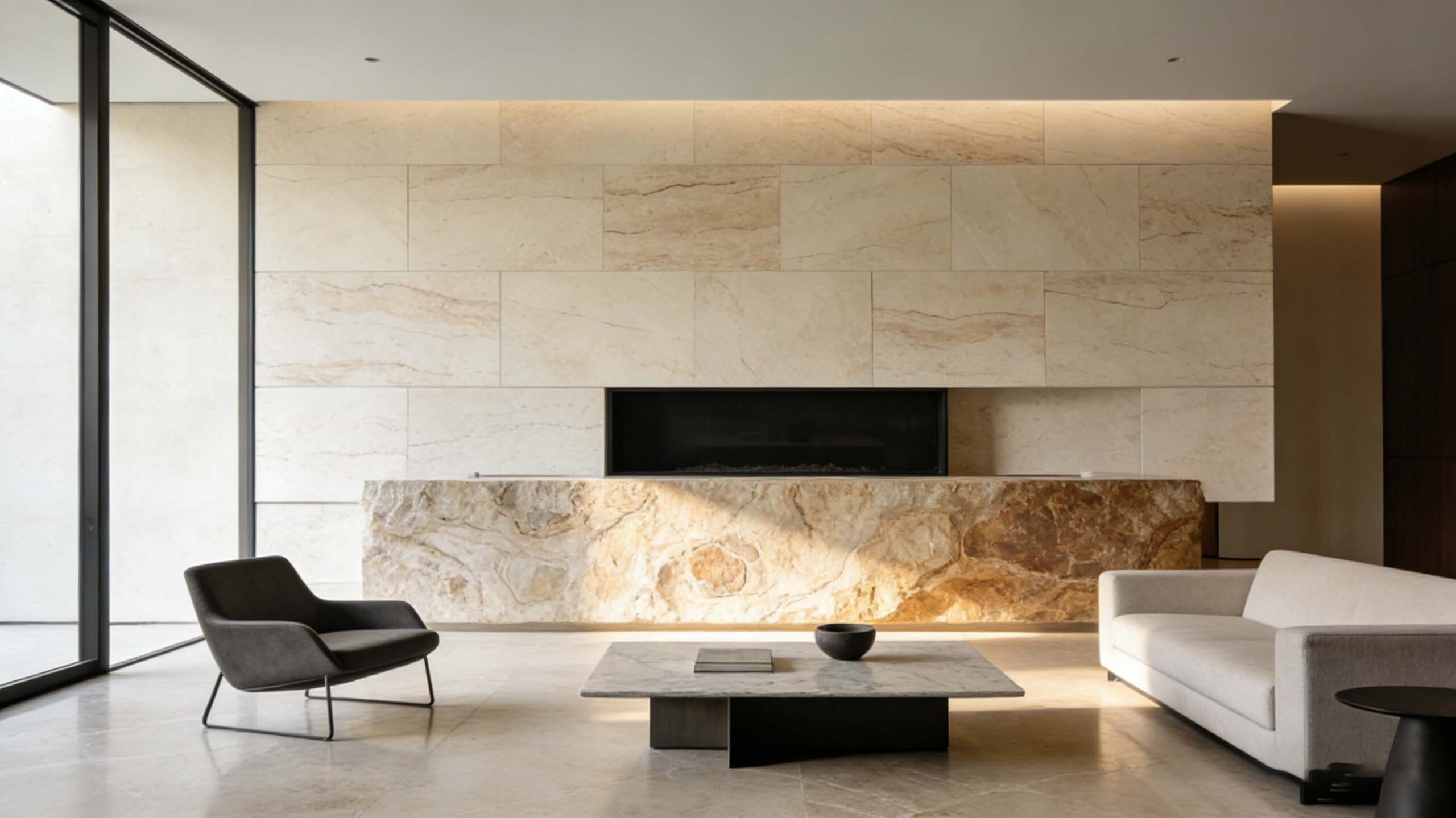
Modern architecture loves smoothness. Think about it. Glass windows, polished concrete floors, sleek metal fixtures. These materials are stunning. They reflect light beautifully. But they are also hard and unyielding. When a room is dominated by these surfaces, it feels distant. It lacks soul. Our brains interpret smooth, hard surfaces as clinical. It’s why hospitals feel the way they do. You don’t want your living room to feel like a waiting area.
Texture adds friction. Not literal friction that hurts, but visual interest. It slows the eye down. When you look at a woven rug or a nubby wool throw, your brain registers complexity. It signals comfort. It suggests history. A smooth leather chair is nice. But a leather chair with a few creases, paired with a chunky knit blanket, tells a story of evenings spent reading. It invites touch. Without texture, a room is just a box. With texture, it becomes a experience.
Consider the acoustic side too. Hard surfaces bounce sound. They make a room echo. Soft textures absorb noise. They quiet the space. This creates a sense of intimacy. In open-plan homes, which are still huge in 2026, this is crucial. You need soft elements to break up the vastness. Rugs, curtains, and upholstered furniture act as sound sponges. They make the air feel thicker, warmer. It’s a subtle shift, but you feel it immediately when you walk in.
The Foundation: Start with the Floor
Everything starts from the ground up. Literally. If your floors are hard wood, tile, or concrete, you need to soften them. This is non-negotiable for a lived-in feel. But please, skip the thin, synthetic mats. They look cheap and feel worse. Go for natural fibers. Jute, sisal, wool, or cotton. These materials have irregularities. No two strands are exactly alike. That variation is what makes them interesting.
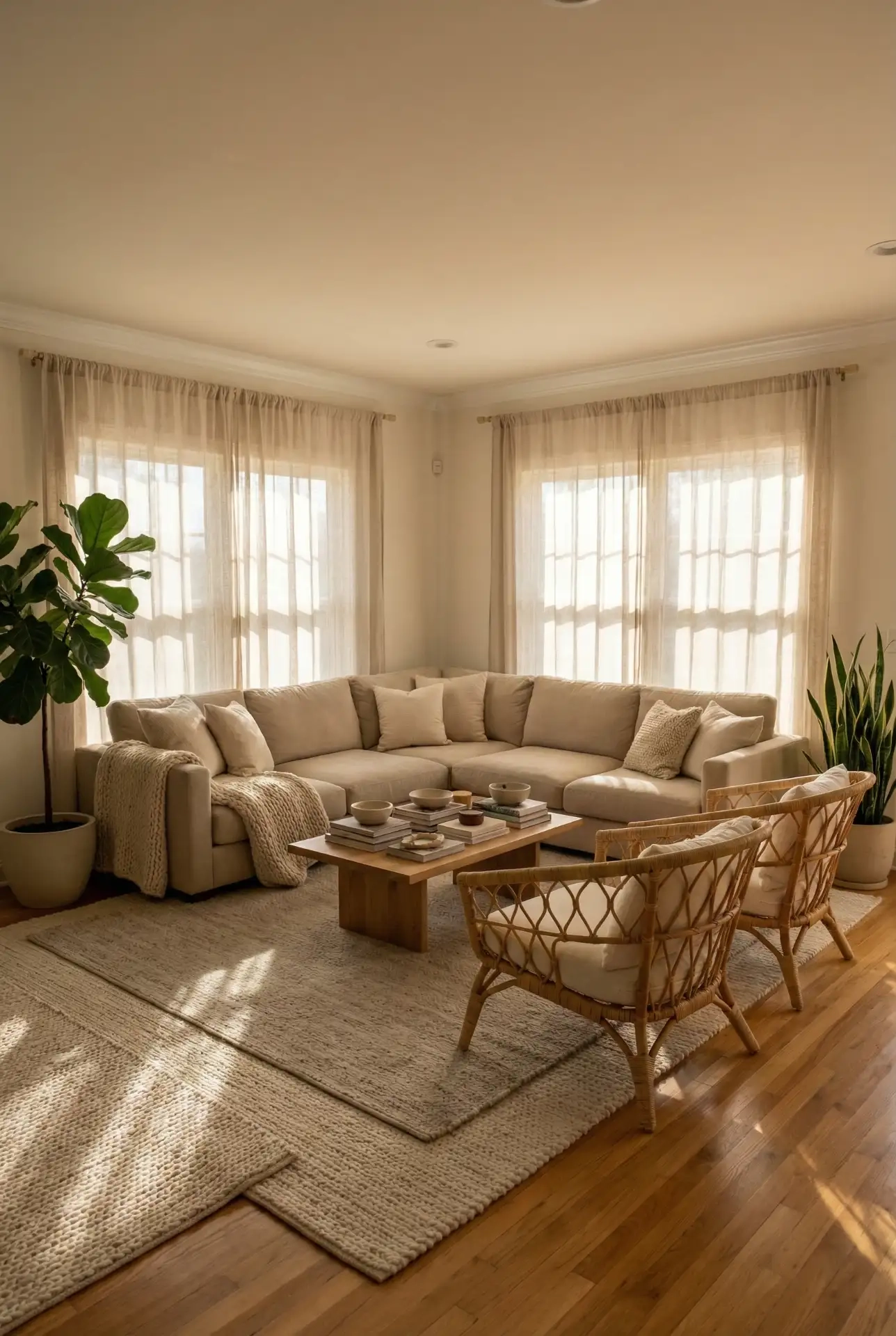
Layering rugs is a pro move that’s easier than it sounds. Start with a large, neutral base rug. Something durable like jute or a flat-weave wool. This defines the space. Then, place a smaller, softer rug on top. Maybe a vintage Persian piece or a shaggy Moroccan style. Offset them slightly. Don’t center them perfectly. The asymmetry feels casual. It looks like you just threw it there because it looked good. That’s the vibe we’re going for.
Pay attention to the pile height. Mixing high pile with low pile creates contrast. Your feet will thank you. Imagine walking across a smooth floor onto a plush rug. It’s a sensory delight. Also, consider the edges. Fringed edges add movement. They break up the rigid lines of modern furniture. If you have pets, worry not. Many natural fibers are surprisingly tough. Plus, a little wear and tear just adds to the charm. Remember, perfection is boring.
Furniture: Mixing Hard and Soft
Your furniture pieces are the anchors of the room. In modern design, these are often boxy and structured. That’s fine. But if every piece is hard, the room feels stiff. You need to balance the hard with the soft. If you have a sleek wooden dining table, pair it with chairs that have upholstered seats. Or vice versa. A soft, curved sofa needs a solid, wooden coffee table to ground it. Contrast is key.
Think about the materials themselves. Wood brings warmth. Metal brings edge. Stone brings weight. Fabric brings comfort. Try to include at least three different material types in every major seating area. For example, a linen sofa (fabric), a marble side table (stone), and a brass lamp (metal). This trio creates a rich visual tapestry. It keeps the eye moving. It prevents any one element from dominating.
Don’t be afraid of imperfections in your furniture. A wooden table with visible grain and knots has character. A leather sofa that shows signs of use is inviting. In 2026, we celebrate the patina. It proves the object has lived. If your furniture is brand new and pristine, distress it slightly with accessories. Drape a worn throw over the arm. Stack some old books on the shelf. These small acts break the "newness" and make the piece feel integrated into your life.
Textiles: The Power of Pillows and Throws
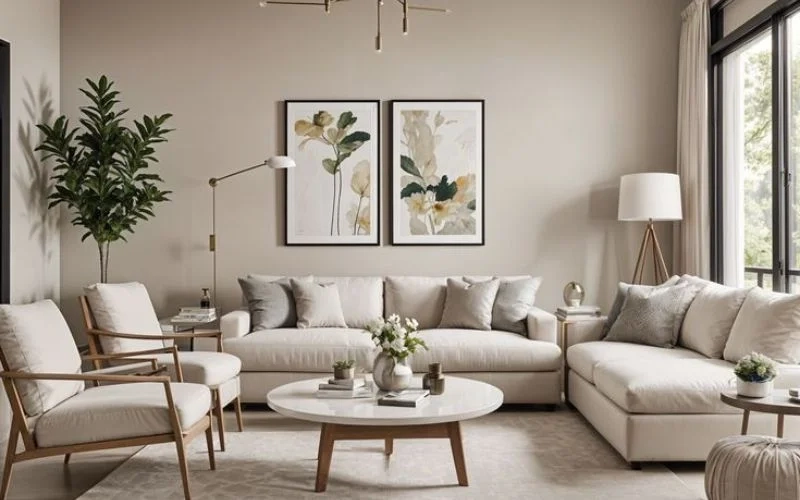
This is where most people go wrong. They buy matching pillow sets. Please don’t. Matching sets scream "catalog." Instead, collect pillows over time. Mix patterns, scales, and textures. A velvet pillow next to a linen one creates immediate depth. Velvet catches the light. Linen absorbs it. The interplay is magical. Use odd numbers. Three or five pillows look more natural than two or four.
Throws are the easiest way to add instant coziness. Keep them accessible. Draped casually over the back of a sofa or the foot of a bed. Choose materials that beg to be touched. Chunky knits, faux fur, or lightweight cashmere. The goal is tactile temptation. You want guests to reach out and stroke the fabric. It’s a subconscious cue that says "relax."
Color plays a role here too. Stick to a cohesive palette, but vary the tones. If your room is neutral, use textures to add interest instead of bright colors. A cream wool throw, a beige linen pillow, and a tan leather accent. The monochrome look relies entirely on texture to avoid looking flat. If you do use color, let the texture mute it. A dusty blue velvet feels softer and more sophisticated than a bright blue cotton. It’s all about nuance.
Walls and Windows: Framing the Space
Walls are often an afterthought. We paint them white and forget them. Big mistake. Walls are huge surfaces. They offer a massive opportunity for texture. Consider wallpaper with a subtle grasscloth texture. Or limewash paint. Limewash has a cloudy, mottled appearance that changes with the light. It feels ancient and earthy. It breaks up the monotony of flat paint. It’s very popular in 2026 for adding soul to modern boxes.
Artwork adds texture too. A canvas with thick impasto paint strokes has physical depth. A woven tapestry brings softness to a hard wall. Even the frame matters. A rustic wood frame contrasts nicely with a modern print. Don’t hang everything at eye level in a straight line. Create a gallery wall that feels collected. Mix mirrors with art. Mirrors reflect the other textures in the room, doubling their impact.
Windows dressings are crucial for softening light. Sheer linen curtains diffuse sunlight. They make the light glow rather than glare. They billow in the breeze, adding movement. Heavy velvet drapes add drama and insulation. Layering sheers with heavier drapes gives you flexibility. You can control the mood of the room with a simple pull of a cord. Avoid plastic blinds if you can. They feel temporary and cheap. Natural wood shutters or woven shades are much warmer alternatives.
A room isn’t finished until you add the small stuff. The objects. The knick-knacks. The things that have no function other than bringing joy. This is where the "lived-in" feeling really cements itself. Display items that have texture. A ceramic vase with a rough glaze. A basket woven from seagrass. A stack of leather-bound books. These items add micro-textures that reward close inspection.
Avoid buying decor sets. Buy things you love. Travel souvenirs, heirlooms, finds from flea markets. Each item should have a story. When someone asks about that weird stone on your shelf, you get to tell a tale. That connection is what makes a home feel authentic. Group items in threes. Vary their heights and materials. A smooth glass object next to a rough wooden box next to a metallic bowl. The contrast makes each piece stand out.
Plants are the ultimate texture. They are alive. They change. Their leaves have veins and shapes that no manufactured item can replicate. A large fiddle leaf fig adds a sculptural element. Trailing pothos adds softness to a high shelf. Flowers in a vase bring ephemeral beauty. Don’t neglect the pots either. Terracotta breathes. Glazed ceramic shines. Concrete feels industrial. The pot is part of the display. Treat it with care.
So, there you have it. Layering textures isn’t about following strict rules. It’s about listening to your senses. It’s about creating a space that feels good to be in. Start with the floors. Build up with furniture. Soften with textiles. Frame with walls and windows. Finish with personal objects. Keep it imperfect. Keep it real. Your home should be a reflection of you, not a showroom. Embrace the wrinkles. Love the wear. Let your home breathe. It’s okay if it’s a bit messsy sometimes. That’s life.