It is 2:15 in the afternoon. You are staring at your computer screen, and your brain feels like mashed potatoes. You’ve had your second coffee, stretched your legs, and yet that wall of exhaustion is hitting you hard. Sound familiar? For millions of us working from home in 2026, this daily battle with mental fatigue is a frustrating reality.
But what if the secret weapon to beating that slump isn’t in your mug, but on your walls. More and more remote workers are realizing that the paint colors surrounding their desks have a massive impact on how tired their brains get by lunchtime. It turns out, environmental psychology isn’t just for corporate high-rises anymore.
The Science of Visual Fatigue at Home
When you work in a corporate office, commercial designers have usually figured out the lighting and color schemes to keep people awake. At home, we often just set up a desk in a spare bedroom with whatever beige or gray paint was already there. That is a huge mistake for your energy levels.
Staring at bland, low-contrast walls all day actually forces your eyes and your brain to work harder to focus. This triggers something called visual fatigue, which quickly turns into overall mental exhaustion. By picking colors that naturally stimulate or soothe the human brain, we can stop that drain before it starts.
Sage Green: The Ultimate Brain Restorer
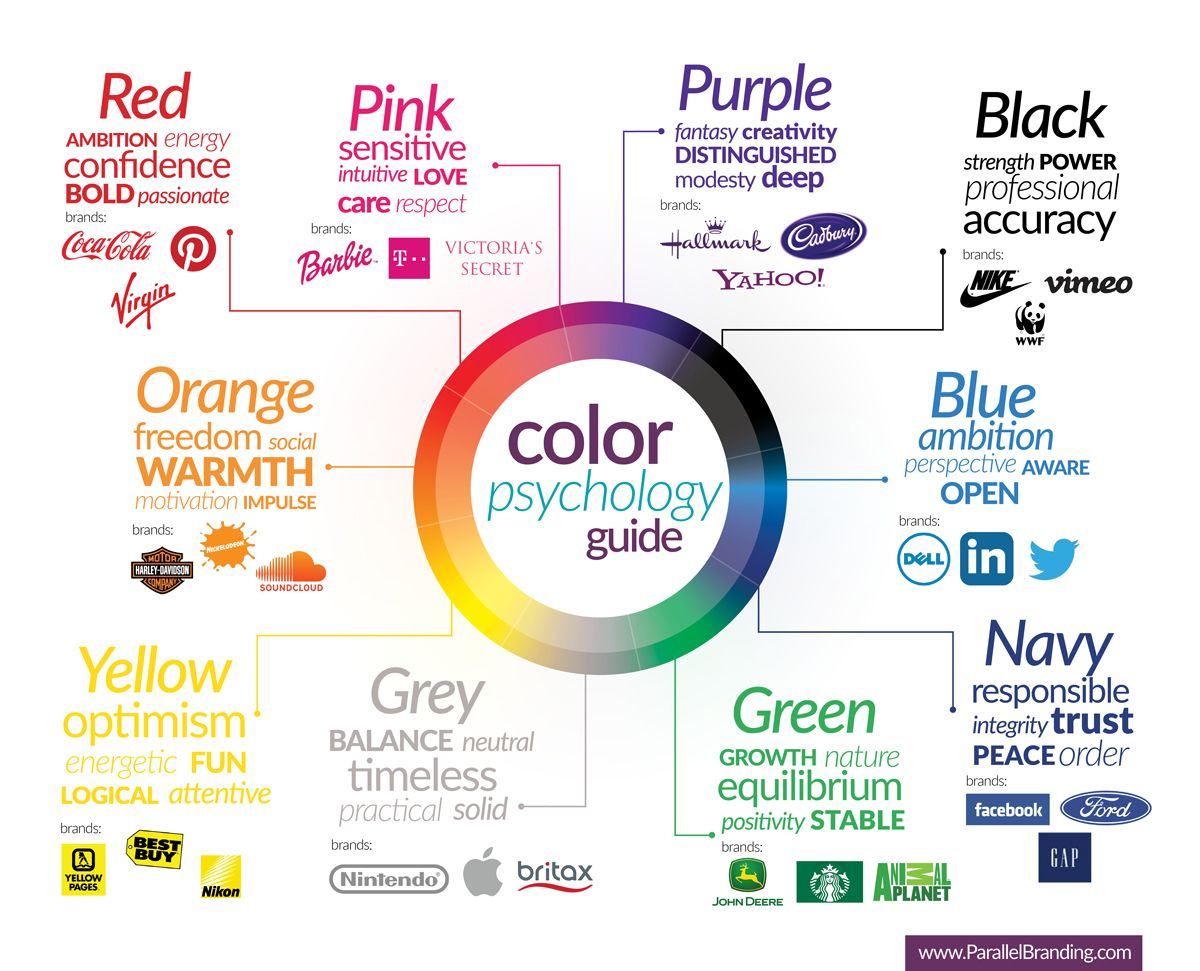
If you ask color therapists which shade is winning the WFH wars this year, it’s sage green. Green sits right in the middle of the color spectrum, which means our eyes require absolutely zero adaptation to process it. It is incredibly restful for your optic nerve.
Workers who paint their main focal wall a soft sage report that they can focus for longer stretches without getting those classic afternoon headaches. It brings a bit of the outdoors inside, trickling down into a lower heart rate and a calmer, more sustained focus.
Soft Blues for Intense Mental Processing
Are you someone who deals with heavy data, coding, or intense writing all day long? Then soft, cool blues might be your best bet against the midday crash. Blue has been proven to lower blood pressure and slow down a racing mind.
But be careful not to go too dark or too cold, or you might end up feeling a bit sluggish. A light, airy sky blue or a soft teal keeps your mind clear and structured. It acts like a quiet background hum that filters out the mental noise.
Terracotta and Warm Earth Tones for Creative Energy
On the flip side, some people get fatigued because their environment is completely lifeless. If your job involves a lot of brainstorming or creative problem-solving, cold colors might actually drain your tank. That is why warm earth tones like terracotta and soft peach are booming right now.
These shades provide a gentle, non-aggressive form of stimulation. They give your eyes a warm place to rest when you look away from your screen, giving you a tiny dose of dopamine without overloading your senses like a bright red or vibrant orange would do.
The Danger of Stark White and Muddy Grays
Many remote professionals assume that a clean, stark white room is the best way to stay organized and sharp. In reality, bright white walls reflect too much light, creating an uncomfortable glare that causes major eye strain by midday. It’s like working inside a hospital lab.
Similarly, the "millennial gray" trend that dominated the last decade is a major culprit for mental fatigue. Muddy, lifeless grays reduce visual stimulation so much that they can induce feelings of lethargy and sadness, making it twice as hard to stay motivated when 3 PM rolls around.
Look, not everyone has the time or permission from their landlord to repaint an entire room this weekend. Luckily, you don’t have to change every square inch to get the psychological benefits. You just need to alter your main line of sight.
You can get great results by painting just an accent wall directly behind your monitor. If that’s still too much work, try adding large art prints dominated by greens or blues, or use a colorful desk mat. Even changing your desktop wallpaper to these energy-saving shades can help your eyes relax.
To wrap it all up, fighting off the afternoon slump isn’t just about downing espresso or fixing your sleep schedule. The visual environment you sit in for eight hours a day plays a massive role in how fresh your brain stays.
By swapping out sterile whites or depressing grays for restoratve greens, calming blues, or warm earth tones, you give your mind the support it needs. Take a look at your workspace today—is your wall color helping you thrive, or is it just making you tired.