Ever walked into a friend’s apartment and thought, "Wait, this place is tiny? It feels huge!"? You’re not imagining it. There’s actual science behind why some small rooms breathe while others suffocate. And the best part? You don’t need a contractor or a massive budget to pull it off. In 2026, with housing prices still climbing and urban spaces getting tighter, mastering the art of visual expansion isn’t just a nice-to-have skill. It’s essential for sanity.
We’ve all been there. Staring at four walls that seem to be closing in, wondering where to put the couch without blocking the walkway. Maybe you’re working from home now more than ever, squeezing a desk into the corner, making the space feel even more cramped. But here’s the secret: size is relative. Perception is everything. With the right mix of light, color, furniture choices, and a few clever optical illusions, you can trick the eye into seeing double the square footage. Let’s dive into how to make that happen, using strategies that are fresh, effective, and totally doable right now.
The Power of Light and Reflection
Light is your cheapest and most powerful tool. Seriously. If your room feels like a cave, no amount of rearranging will fix it until you address the lighting situation. Natural light is king, so start by stripping your windows bare or swapping heavy drapes for sheer, light-filtering curtains. In 2026, smart glass technology has become more accessible, allowing you to control privacy without sacrificing brightness. But if you’re renting or on a budget, just keep those windows clean and unobstructed. Let the sun do the work.
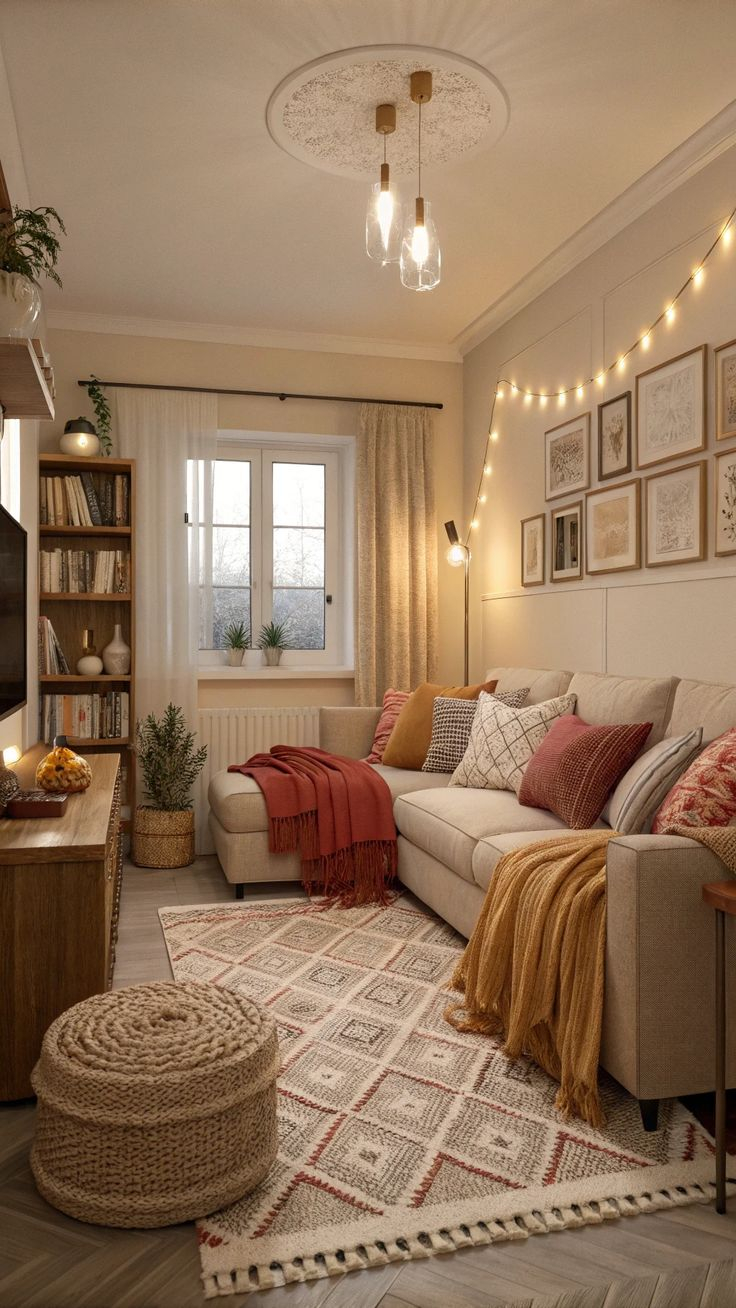
When the sun goes down, layer your artificial lighting. A single overhead bulb casts harsh shadows that make corners disappear and walls feel closer. Instead, use multiple sources. Floor lamps, table lamps, and even LED strips behind shelves create depth. This technique, called ambient lighting, pushes the boundaries of the room outward. And don’t forget mirrors. They aren’t just for checking your hair. Placing a large mirror opposite a window bounces light around the room, effectively doubling the visual space. Try leaning a floor-length mirror against a wall instead of hanging it; it feels more casual and creates a stunning vertical line that draws the eye up.
It’s also worth noting that the color temperature of your bulbs matters. Warm white (around 2700K-3000K) feels cozy but can sometimes make small spaces feel enclosed if it’s too dim. Daylight bulbs (5000K+) are crisp and open up the room, but can feel clinical. Aim for a neutral white (3500K-4000K) for a balanced, airy feel that mimics natural daylight without the sterility. Mix and match to find what works for your vibe.
Color Strategies That Open Up Walls
We’ve heard it a million times: paint it white. And sure, white works. It reflects light and recedes visually. But in 2026, we’re moving beyond sterile whites. The trend is toward "warm neutrals" and monochromatic schemes. Think creamy off-whites, soft greiges, and pale taupes. These colors have enough pigment to feel welcoming but are light enough to keep the space feeling open. The key is continuity. When your walls, trim, and ceiling are similar shades, the eye doesn’t stop at the edges. It glides over them, creating a seamless envelope that feels larger than its parts.
If you’re craving color, go for it, but be strategic. Painting an accent wall in a dark color can actually add depth if done correctly. It creates a focal point that draws the eye back, making the room feel deeper. Just keep the other three walls light. Another trick? Paint your ceiling the same color as your walls, or even slightly lighter. This eliminates the "box" effect and makes the ceiling feel higher. High-gloss or semi-gloss paint on ceilings can also reflect light downward, adding to the sense of volume.
Don’t ignore the power of tone-on-tone decor. When your sofa, rug, and curtains are in the same color family, you reduce visual clutter. The eye isn’t jumping from bright red to deep blue to neon green. It flows smoothly. This doesn’t mean everything has to match perfectly. Texture is your friend here. A chunky knit throw on a smooth linen sofa adds interest without breaking the color harmony. It’s about creating a cohesive look that doesn’t chop up the space into tiny, busy fragments.
Furniture That Floats and Breathes
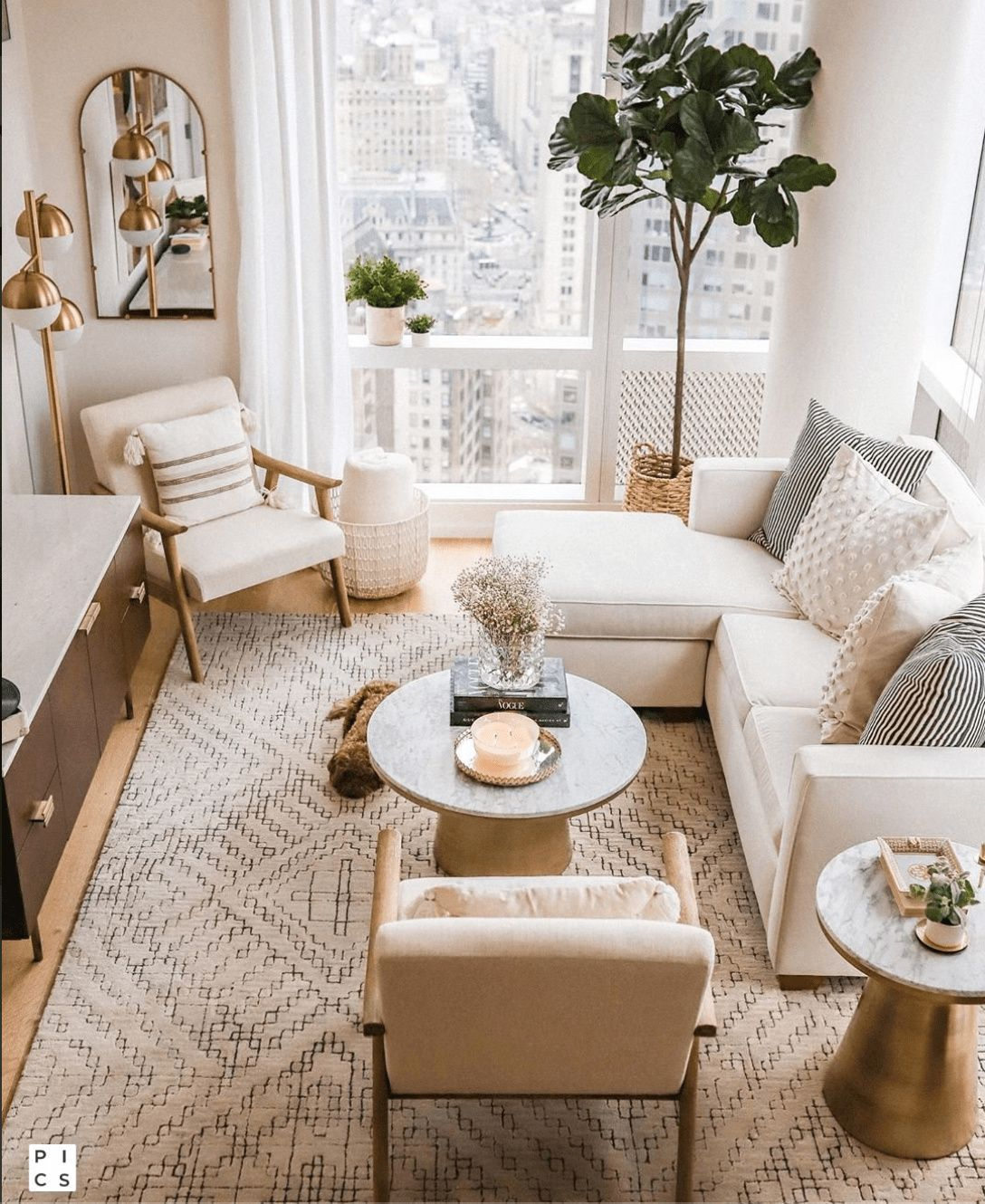
Big, bulky furniture is the enemy of small spaces. But that doesn’t mean you have to sit on milk crates. The goal is to choose pieces that feel light and airy. Look for sofas with raised legs. Seeing the floor continue underneath the furniture tricks the brain into thinking there’s more floor space available. Avoid skirted sofas or blocky sectionals that sit directly on the ground. They visually anchor the room and make it feel smaller. Glass or acrylic tables are another classic trick. They serve their function without blocking sightlines, making the room feel less cluttered.
Scale is crucial. A common mistake is buying tiny furniture for a small room, thinking it will save space. Actually, one or two well-proportioned pieces often work better than several small ones. A single large rug defines the seating area and grounds the space, whereas multiple small rugs can make the floor look chaotic and fragmented. In 2026, modular furniture is huge. Pieces that can be reconfigured allow you to adapt the layout to your needs, keeping the flow flexible. If you need extra seating, opt for stools or ottomans that can tuck under tables when not in use.
Arrangement matters just as much as selection. Pushing all your furniture against the walls might seem logical, but it often creates a dead zone in the middle and makes the room feel like a waiting area. Pull your sofa a few inches off the wall. Create conversation groups that float in the space. Ensure there are clear pathways for movement. If you have to squeeze past the coffee table, it’s too big or poorly placed. Keep traffic lanes open and unobstructed. This sense of flow is vital for making a small room feel expansive.
Vertical Space and Smart Storage
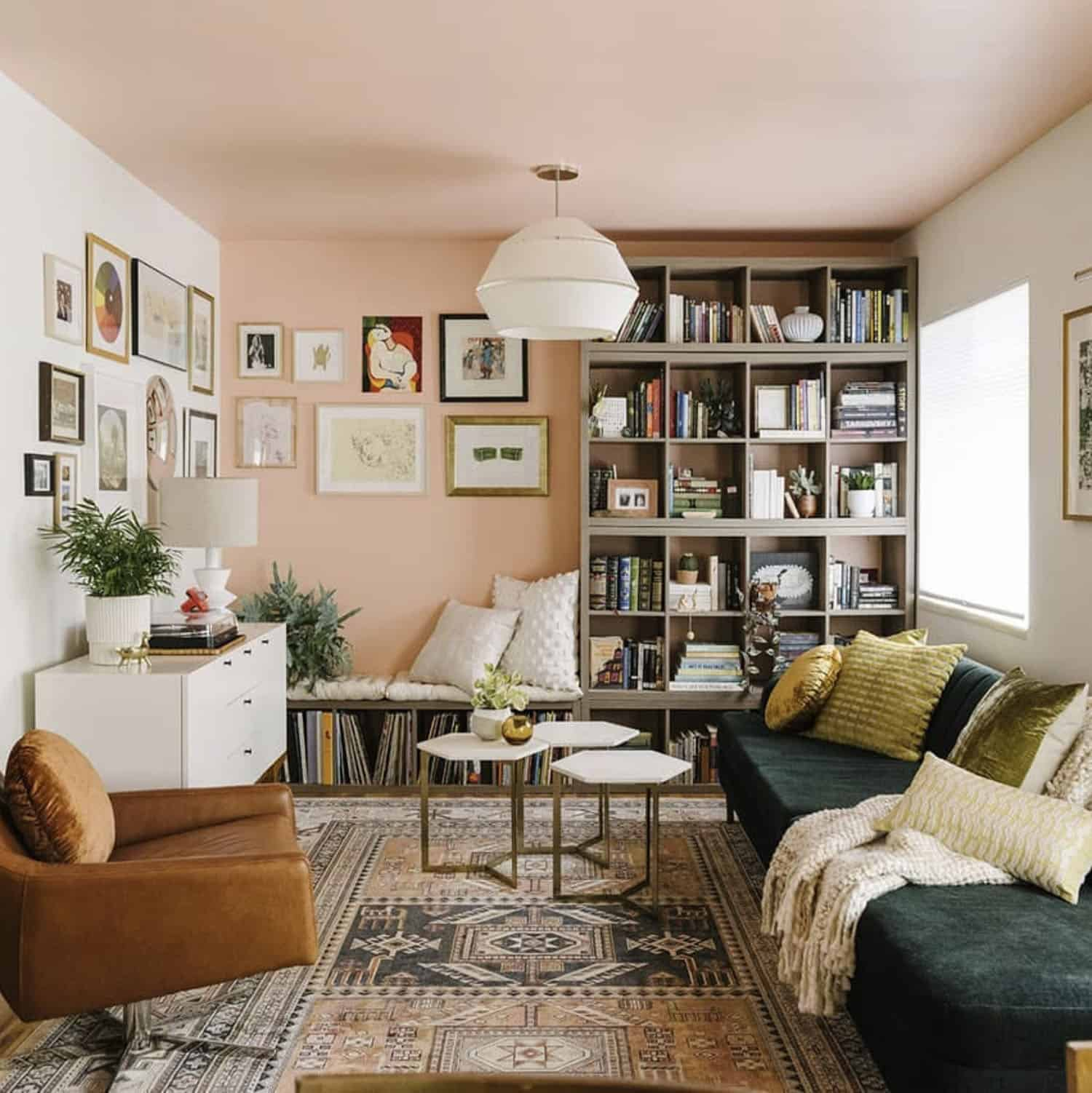
When you can’t go out, go up. Vertical space is vastly underutilized in most small living rooms. Tall bookshelves that reach the ceiling draw the eye upward, emphasizing height rather than limited floor area. Use the top shelves for items you rarely need, keeping the lower shelves tidy and accessible. Floating shelves are another great option. They provide storage without the visual weight of bulky cabinets. Just don’t overload them. Curate what you display. Clutter on high shelves still reads as clutter.
Storage needs to be invisible or integrated. In 2026, multi-functional furniture is smarter than ever. Ottomans with hidden compartments, coffee tables with lift-top storage, and media consoles with closed cabinets help keep everyday items out of sight. The rule of thumb: if you can see it, it takes up visual space. Baskets and bins are your allies here. Toss remotes, magazines, and toys into stylish containers that match your decor. A tidy room always feels bigger than a messy one, no matter the square footage.
Consider the walls themselves. Hang art higher than you think. Standard advice says to hang art at eye level, but in a small room with low ceilings, hanging pieces slightly higher can create the illusion of height. Use vertical lines in your decor too. Striped rugs, tall plants, or floor-to-ceiling curtains all lead the eye up. Even your curtain rod should be mounted close to the ceiling, not just above the window frame. This simple tweak makes windows look taller and rooms feel grander. It’s a small detail with a big payoff.
Decluttering with Purpose and Mindfulness
Decluttering isn’t just about throwing things away. It’s about curating your life. In a small space, every object needs to earn its keep. Ask yourself: Does this bring me joy? Do I use it regularly? Is it beautiful? If the answer is no, let it go. But be realistic. You don’t need to live like a monk. The goal is intentional living. Keep surfaces clear. Coffee tables, side tables, and mantels should have breathing room. A few carefully chosen decorative objects are more impactful than a dozen knick-knacks fighting for attention.
Digital clutter affects physical space too. In 2026, many of us have more tech than ever. Cables, chargers, and devices can quickly take over a small room. Invest in cable management solutions. Hide wires behind furniture or use sleek organizers. Choose tech that blends in. Slim-profile TVs, wireless speakers, and minimalist charging stations reduce visual noise. A clean, tech-integrated space feels calmer and more open. It’s about reducing the cognitive load. When your eyes aren’t darting around trying to process visual chaos, the room feels serene and spacious.
Adopt a "one in, one out" policy. For every new item you bring into your living room, remove an old one. This prevents gradual accumulation. Regularly reassess your space. Seasons change, and so do your needs. What worked in winter might feel stifling in summer. Rotate decor items to keep the space feeling fresh without adding more stuff. Minimalism isn’t about having nothing; it’s about having exactly what you need and love, arranged in a way that lets each piece shine.
Nature has a way of expanding our perspective. Incorporating biophilic design elements—connecting with nature indoors—can make a small room feel less confined. Plants are the easiest way to do this. They add life, color, and texture without taking up much visual weight. Choose vertical plants like snake plants or fiddle leaf figs that grow upward. Hanging planters free up floor space entirely. In 2026, low-maintenance, air-purifying plants are trending, perfect for busy lifestyles. Just don’t overdo it. A jungle vibe can feel cramped if there’s no room to move.
Natural materials also help. Wood, stone, rattan, and linen bring warmth and organic texture. They connect the indoors with the outdoors, creating a sense of continuity. A jute rug, a wooden coffee table, or linen cushions can soften the hard edges of a small room. These materials age beautifully and add character without feeling heavy. Avoid too much plastic or synthetic materials, which can feel cold and cheap in a small space. Natural textures invite touch and create a sensory experience that distracts from the room’s dimensions.
Finally, consider views. If you have a window with a nice view, highlight it. Keep the area around it clear. If your view is less than ideal, create one. A large piece of landscape art or a mural can simulate depth. Mirrors reflecting greenery from outside can also blur the line between inside and out. The goal is to create a connection to the wider world, reminding your brain that there’s space beyond the four walls. It’s a psychological trick, but it works wonders for feeling less boxed in.
Making your small living room feel twice as big isn’t about magic. It’s about mindfulness. It’s about understanding how light, color, and space interact. It’s about choosing pieces that serve you without overwhelming you. In 2026, we’re learning to live smarter, not just bigger. You don’t need a mansion to feel spacious. You just need to work with what you have, creatively and intentionally. So take a look around. What’s one small change you can make today? Move a mirror? Swap a lamp? Clear off that coffee table? Start there. Your room—and your mind—will thank you.