Ever walked into a room and felt like the walls were closing in? You know the spot. That one corner near the hallway entrance or the nook under the stairs that seems to swallow light whole. It’s frustrating. You’ve tried adding lamps, painting it white, maybe even leaving the curtains wide open, but that shadow just won’t budge. It feels heavy. Stagnant. Like the energy in your home hits a dead end there.
But what if the fix wasn’t more electricity or a costly remodel? What if it was just a piece of glass? Mirrors are often treated as afterthoughts—something you check your hair in before leaving the house. Yet, when placed with intention, they become powerful tools for architectural illusion. They don’t just reflect; they multiply. In 2026, interior designers are moving away from massive, ornate statement pieces and leaning into strategic, simple placements that do the heavy lifting for us. Let’s talk about how you can steal back those dark corners using nothing but reflection and a bit of clever thinking.
The Physics of Perception
Before we start hanging things on walls, it helps to understand why this works. It’s not magic, though it feels like it. Light behaves in predictable ways. When it hits a matte surface, like a painted wall or a fabric sofa, it gets absorbed. The energy dissipates. But when it hits a mirror, it bounces. This reflection sends photons back into the room, effectively doubling the light source if positioned correctly.
Think of a mirror as a window that looks back into your own space. If you place it opposite a window, you aren’t just seeing the view; you’re pulling that natural daylight deeper into the room. This is crucial for dark corners because shadows thrive where light doesn’t reach. By redirecting existing light, you fill those voids. It’s about efficiency. Why buy a brighter bulb when you can use the sun you already have? Recent studies in environmental psychology suggest that well-lit spaces reduce stress and improve mood, making this more than just an aesthetic choice. It’s a wellness hack.
The key is angle. A mirror flat against a wall reflects what’s directly in front of it. But tilt it slightly, or place it perpendicular to a light source, and you change the trajectory of the beam. You’re essentially playing billiards with sunlight. If you can visualize the path of the light entering your room, you can predict where the mirror needs to sit to bounce that glow into the shadowy recess. It takes a little experimentation, but the payoff is immediate.
Strategic Placement for Maximum Impact
So, where do you actually put these things? The most common mistake is placing a mirror where it reflects a blank wall or a cluttered mess. That just doubles the problem. Instead, look for your primary light sources. Is there a window nearby? A skylight? Even a really good floor lamp counts. Position the mirror so it catches that light and throws it toward the dark area.
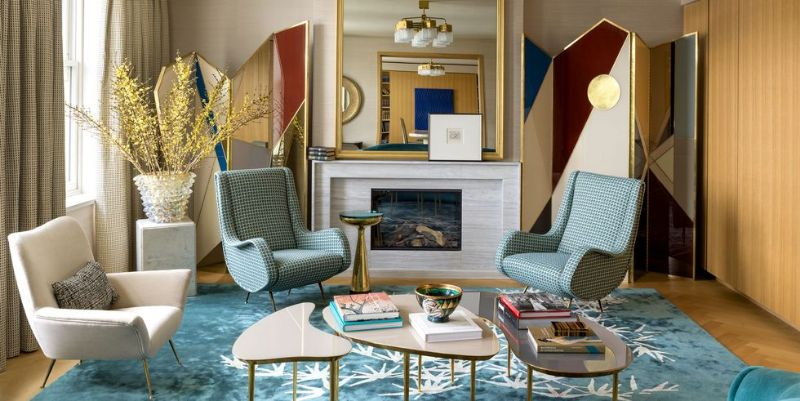
For a corner specifically, try the "corner wedge" technique. Instead of a flat rectangular mirror, use a triangular or angled piece that fits snugly into the 90-degree angle of the room. This creates an infinity effect, making the corner feel like it extends further than it does. It breaks up the hard lines of the architecture. If you don’t have a custom piece, two standard mirrors joined at an angle work just as well. Tape them together temporarily to test the vibe before committing to hardware.
Another trick is height. Most people hang mirrors at eye level, which is fine for vanity purposes. But for lighting? Go higher. Place the top edge of the mirror near the ceiling line. This draws the eye upward and reflects the upper portion of the room, which is often brighter because it’s closer to ceiling fixtures or windows. It makes the ceiling feel taller and the space more airy. Just ensure it’s secure. Nobody wants a falling hazard.
Choosing the Right Frame and Style
Not all mirrors are created equal. The frame matters almost as much as the glass. In a dark corner, a heavy, dark wood frame might absorb too much light, defeating the purpose. Opt for lighter materials. Metals like brushed gold, silver, or chrome reflect ambient light themselves. White-washed wood or frameless options keep the focus on the reflection rather than the border.
Size is also critical. A tiny mirror in a large dark corner will look lost. It needs to be substantial enough to make a difference. Think bold. A large floor mirror leaned against the wall can be more effective than a small hung one because it captures more of the room’s volume. It acts as a portal. In 2026, sustainable materials are huge, so look for reclaimed wood frames or recycled glass. It adds character and aligns with modern values.
Consider the shape too. Round mirrors soften harsh corners. If your room has lots of sharp angles and boxy furniture, a circular mirror introduces flow. It mimics the organic shapes found in nature, which our brains find calming. Oval mirrors are great for narrow spaces, elongating the view. Don’t be afraid to mix styles. An industrial metal frame can look stunning next to a vintage velvet chair. Contrast creates interest.
DIY Solutions on a Budget
You don’t need to spend a fortune to get results. Some of the best mirror hacks are the cheapest. Visit thrift stores or flea markets. Old windows with the glass intact can be cleaned up and used as rustic mirrors. If the silvering is gone, you can have them re-silvered or use mirror film. Speaking of which, adhesive mirror tiles are a game-changer for renters. They’re lightweight, easy to remove, and can be cut to fit weird shapes.
Create a mosaic. Buy several small, inexpensive square mirrors and arrange them in a grid or a scattered pattern on the wall. This breaks up the reflection into multiple points of light, creating a shimmering effect that’s dynamic and fun. It’s less formal than a single large piece and adds texture. Use strong double-sided mounting tape designed for heavy items to keep them safe.
Another idea: repurpose old cabinet doors. If you have glass-fronted cabinets lying around, remove the backing and replace it with mirror board. Hang them vertically. Instant depth. Or, take a large piece of plywood, cover it with mirror acrylic sheets (which are safer and lighter than glass), and lean it against the wall. Paint the edges for a finished look. The possibilities are endless when you stop thinking of mirrors as fixed objects and start seeing them as modular design elements.
Avoiding Common Pitfalls
While mirrors are powerful, they can backfire. The biggest issue is reflecting something ugly. Check what’s in the reflection before you finalize the spot. Does it show a pile of laundry? A messy desk? A blank, depressing wall? If so, move it. You want to reflect beauty, light, or greenery. A plant in the reflection brings life to the corner. A piece of art adds color.
Glare is another concern. If you position a mirror directly opposite a bright window without considering the angle, you might create a blinding hotspot. This can be uncomfortable for eyes and wash out screens if you’re working nearby. Test it at different times of day. Morning light is softer; afternoon sun is harsher. Adjust the tilt to diffuse the beam rather than focusing it like a laser.
Safety cannot be overstated. Dark corners are often high-traffic areas or places where people might stumble. Ensure your mirrors are securely anchored. Use proper wall anchors for drywall. If you have kids or pets, consider tempered glass or acrylic alternatives. Shattered glass in a dark corner is a nightmare to clean up and dangerous. Also, avoid placing mirrors where they might startle someone. Walking around a corner and seeing a sudden movement (your own reflection) can be jarring if not expected.
A dirty mirror defeats the purpose. Dust and smudges scatter light instead of reflecting it clearly, making the space look murky rather than bright. Keep your mirrors clean. Use a microfiber cloth and a vinegar-water solution for a streak-free shine. Avoid harsh chemicals that can damage the silvering over time. Regular maintenance ensures the light stays crisp and the illusion holds.
Reassess seasonally. As the sun’s path changes throughout the year, the way light enters your room shifts. A spot that worked in summer might be less effective in winter. Be willing to tweak the angle or swap the mirror’s location. Interior design isn’t static; it’s a living practice. Listen to how the room feels. If the corner still feels heavy, try adding a small LED strip behind the mirror for a backlight effect. This creates a halo of light that separates the mirror from the wall, enhancing the depth perception.
Finally, trust your instincts. Design rules are guidelines, not laws. If a placement feels right to you, it probably is. The goal is to create a space that feels good to inhabit. Mirrors are just tools to help you achieve that. Experiment. Move things around. Live with it for a few days. You’ll learn what works for your specific light conditions and lifestyle.
Transforming a dark corner doesn’t require a contractor or a huge budget. It requires observation and a bit of creativity. By understanding how light moves and using mirrors to guide it, you can open up your home in ways that feel almost magical. The shadows retreat, the space breathes, and suddenly, that forgotten nook becomes a favorite spot. Give it a try this weekend. Your home—and your mood—will thank you.