We all know that feeling. You walk into your bedroom after a long, draining day, and instead of feeling relief, you feel… cluttered. Maybe it’s the pile of laundry on the chair, or the harsh glare of overhead lights, or just the general sense that this room is a storage unit for clothes rather than a place for rest. It’s frustrating, isn’t it? Your bedroom should be the one place where the world stops spinning. It should be your anchor. But somewhere along the way, many of us lost the plot. We prioritized trends over tranquility. We filled spaces with stuff instead of soul.
Creating a calming master bedroom retreat isn’t about spending a fortune on luxury linens or hiring a high-end designer, though those things can help. It’s about intention. It’s about understanding how your environment affects your nervous system. In 2026, the conversation around home design has shifted dramatically. It’s no longer just about aesthetics; it’s about wellness. People are realizing that sleep is the foundation of health, and the room where we sleep plays a huge role in that. So, how do we fix it? How do we turn a chaotic space into a sanctuary? Let’s dive into the proven principles that actually work.
The Foundation: Layout and Flow for Mental Clarity
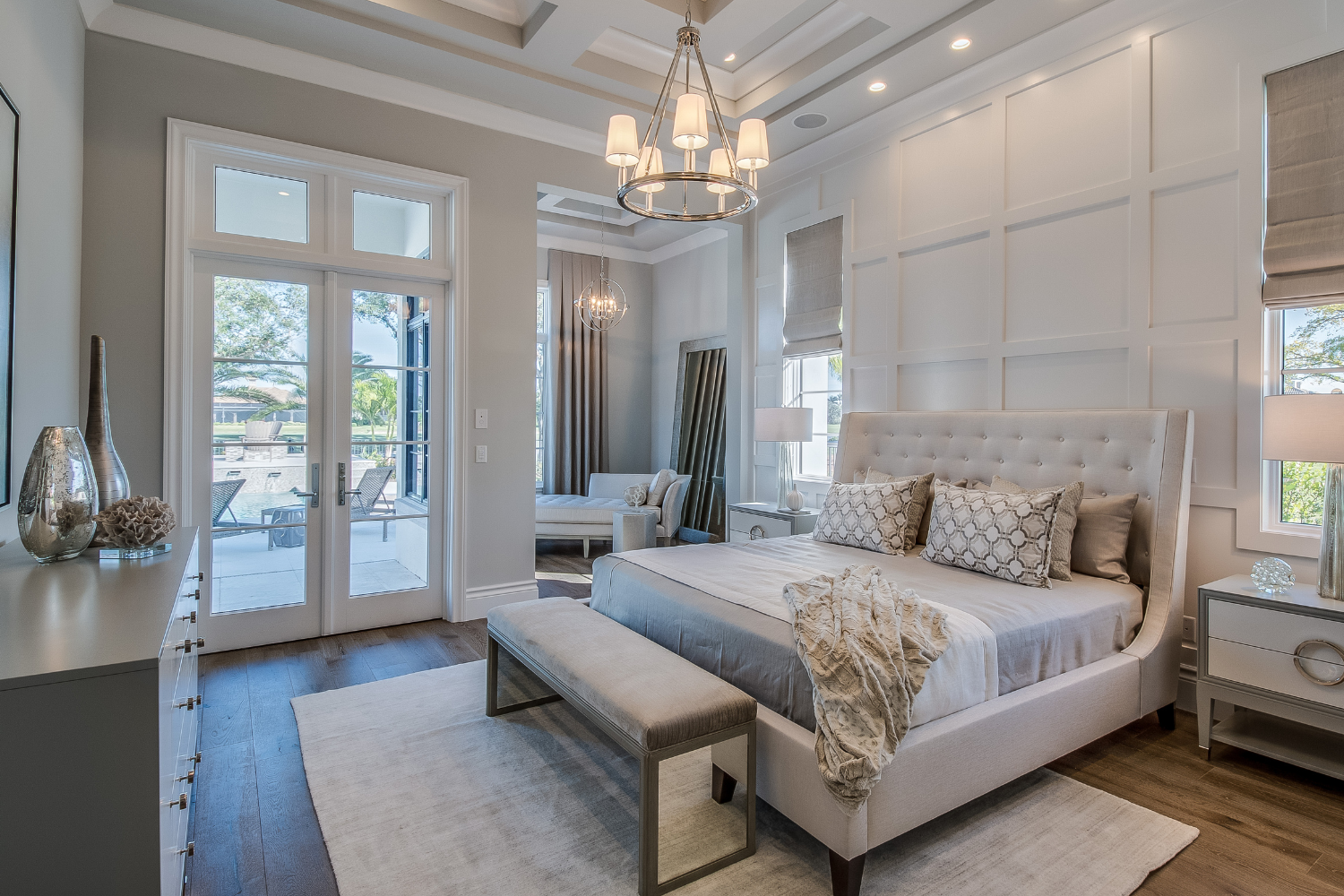
Before you pick out a single pillow or paint chip, you need to look at the bones of the room. Interior designers like Nichole Schulze from Cutlerschulze emphasize that a restful space starts with a well-thought-out layout. It sounds basic, but if your bed is crammed into a corner or facing a busy street window, your brain never fully switches off. The goal is to create a sense of safety and ease. Think about the "command position." This is a concept from Feng Shui, but it makes practical sense too. You want to be able to see the door from your bed, but not be directly in line with it. This subtle positioning reduces subconscious anxiety.
Clear pathways are essential. If you’re tripping over shoes or bumping into nightstands, your body stays in a state of low-level alertness. Try to keep the area around your bed open and uncluttered. This doesn’t mean you need a massive room; even in smaller spaces, pulling furniture away from walls slightly can create a feeling of airiness. Remove anything that doesn’t serve the purpose of rest or relaxation. That desk in the corner? If it’s covered in work papers, it’s a stress trigger. Can it be moved? Covered? Or better yet, removed entirely? The flow of the room should guide you gently toward the bed, not distract you from it.
Also, consider the visual weight of your furniture. Heavy, dark pieces can make a room feel cramped and oppressive. If you have bulky dressers, try balancing them with lighter elements, like a mirror or a piece of art with plenty of negative space. The idea is to let your eyes rest. When you enter the room, your gaze shouldn’t dart around trying to process too much information. It should land softly. A balanced layout creates a subconscious sigh of relief. It tells your brain, "You can let go now."
Color Psychology: Choosing Hues That Soothe the Soul
Color is perhaps the most powerful tool in your design toolkit. It hits you emotionally before you even realize it. For a calming retreat, the rule of thumb is soft, neutral, and nature-inspired. Think of the colors you see when you’re truly relaxed: the pale blue of a morning sky, the warm beige of sand, the muted green of eucalyptus leaves. Shades like cream, soft grey, and muted pastels work wonders to create an atmosphere that encourages unwinding. These tones reflect light gently, avoiding the harsh contrasts that can stimulate the mind.
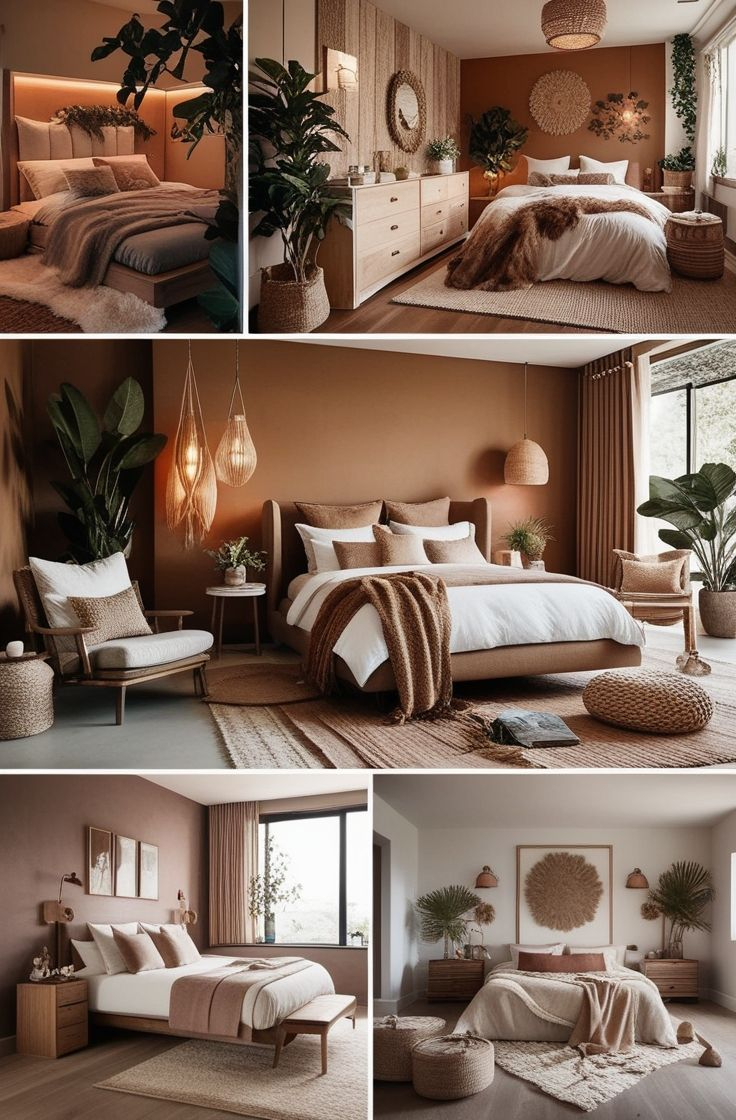
But don’t be afraid to go deeper if it suits your personality. Some people find deep navy or charcoal incredibly cocooning. The key is saturation. Avoid bright, primary colors. They are energizing, which is great for a playroom or office, but terrible for sleep. In 2026, we’re seeing a rise in "earth tone" palettes—terracotta, olive, and stone. These colors ground us. They connect us to the natural world, which is inherently calming. If you love white, go for warm whites with yellow or red undertones, rather than stark, clinical blues. Stark white can feel cold and sterile, like a hospital. Warm white feels like a hug.
Test your colors in different lights. Paint swatches look completely different at noon than they do at 8 PM. Since you’ll be spending most of your time in the room during the evening and early morning, make sure the color feels right then. And remember, you don’t have to paint every wall. An accent wall behind the bed can add depth without overwhelming the space. Just keep it subtle. The goal is for the color to fade into the background, supporting your rest rather than demanding your attention.
Lighting Layers: Setting the Mood for Rest
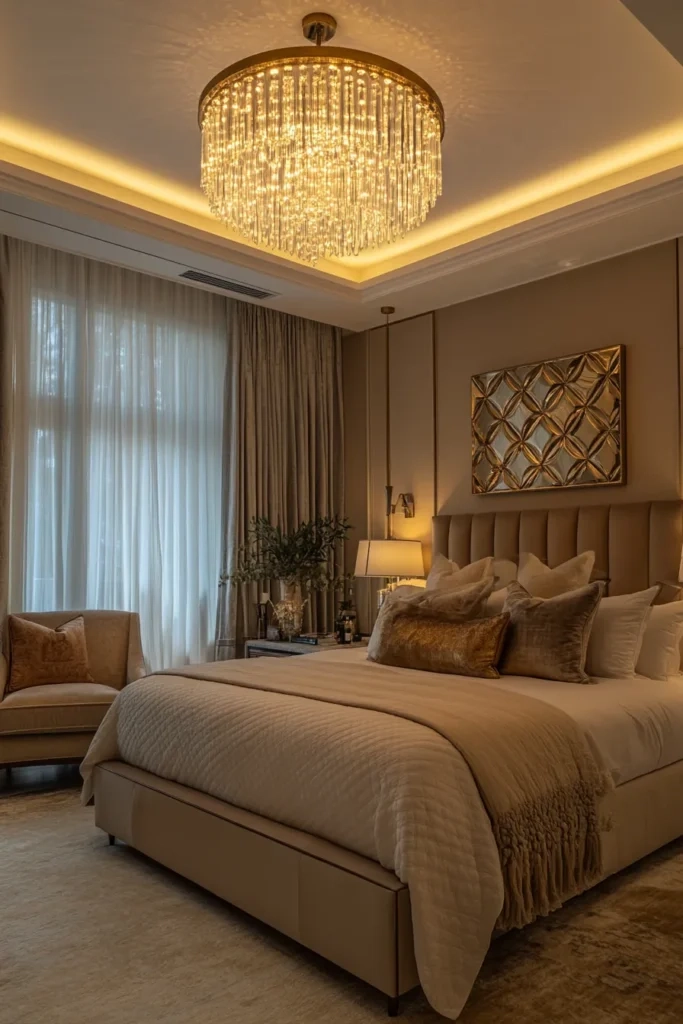
Lighting can make or break a bedroom. Harsh, overhead lighting is the enemy of relaxation. It mimics daylight, telling your brain it’s time to be awake. To create a true retreat, you need layers. Start with ambient lighting, which provides a soft, general glow. This could be recessed lights on a dimmer or a central fixture with a fabric shade that diffuses the light. But the real magic happens with task and accent lighting. Bedside lamps are non-negotiable. They allow you to read or wind down without illuminating the entire room.
Choose bulbs with a warm color temperature, around 2700K to 3000K. This mimics the warm glow of sunset or candlelight. Avoid cool white or daylight bulbs in the bedroom at all costs. They suppress melatonin production, making it harder to fall asleep. Dimmers are your best friend. Being able to lower the lights as the evening progresses signals to your body that it’s time to slow down. It’s a simple change with a profound effect.
Don’t forget about natural light during the day. Blackout curtains are great for sleep, but during the day, let the sunshine in. Natural light regulates your circadian rhythm, helping you feel more alert during the day and tired at night. Use sheer curtains to soften harsh sunlight while still letting it through. And please, banish the blue light. TVs, phones, and tablets emit blue light that disrupts sleep. Create a screen-free zone. If you must have a TV, hide it in a cabinet or cover it with art when not in use. The bedroom is for rest, not entertainment.
Texture and Touch: The Importance of Tactile Comfort
We often focus on what we see, but what we feel is just as important. A calming bedroom engages the sense of touch. Think about the difference between sliding into crisp, cool cotton sheets versus rough, synthetic blends. Invest in quality bedding. High thread count cotton, linen, or bamboo feels luxurious against the skin and helps regulate temperature. Layering is key here. Start with a fitted sheet, add a flat sheet, then a duvet or comforter, and finish with a throw blanket at the foot of the bed. This layering adds visual depth and physical coziness.
Rugs play a huge role too. Stepping onto a cold, hard floor first thing in the morning is jarring. A plush rug underfoot adds warmth and softness. It also absorbs sound, making the room quieter. Silence is golden when you’re trying to relax. Look for natural fibers like wool or jute. They add texture and earthiness to the space. Don’t forget about pillows. Mix sizes and textures. A combination of standard sleeping pillows and decorative shams in velvet, knit, or linen creates an inviting look that begs you to sink in.
Window treatments matter as well. Heavy drapes not only block light but also add a sense of luxury and softness to the walls. They muffle outside noise, creating a buffer between you and the world. Even if you don’t close them often, their presence adds weight and calm to the room. Touch is primal. When your environment feels good to touch, your body relaxes. It’s a simple biological response. So, prioritize fabrics that feel good. Scratchy tags, stiff sheets, or cheap synthetics will keep you on edge, even if you don’t consciously notice why.
Bringing the Outdoors In: Nature as a Design Element
Humans have an innate connection to nature. It’s called biophilia. Studies show that being around natural elements lowers stress, reduces blood pressure, and improves mood. You don’t need a forest in your bedroom to reap these benefits. Simple additions can make a big difference. Plants are the easiest way to bring life into a space. Snake plants, pothos, and peace lilies are low-maintenance and thrive in indoor conditions. They also improve air quality, which is a bonus for better sleep.
If you’re not a plant person, that’s okay. You can still incorporate natural materials. Wood, stone, rattan, and clay add organic texture and warmth. A wooden headboard, a stone vase, or a rattan basket for storage can ground the space. These materials age beautifully, developing a patina over time that adds character. They remind us of the natural world, which operates on a slower, more rhythmic pace than our modern lives.
Artwork can also reflect nature. Choose images of landscapes, forests, or oceans. Avoid chaotic or aggressive imagery. You want art that invites contemplation, not stimulation. Even the view from your window matters. If you have a nice view, frame it. If not, create a focal point that draws the eye outward. Mirrors can help bounce light and create a sense of expanded space, mimicking the openness of nature. The goal is to blur the lines between inside and outside, creating a seamless flow that feels expansive and free.
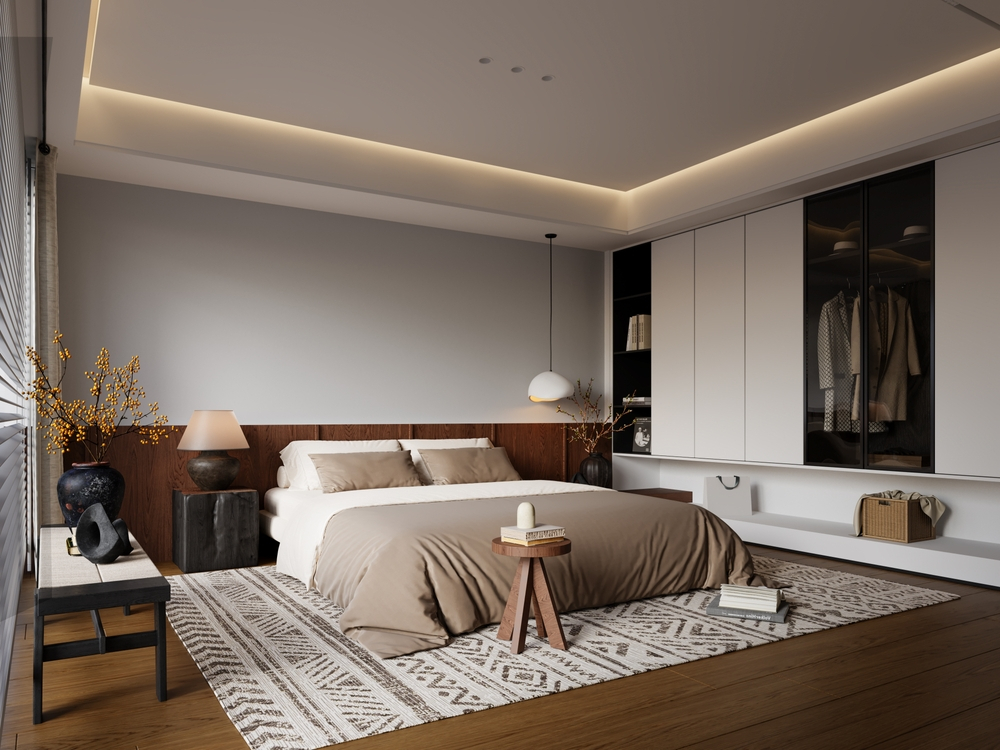
Finally, a calming bedroom is a clutter-free bedroom. Clutter is visual noise. It competes for your attention and raises cortisol levels. Be ruthless. If it doesn’t bring you joy or serve a purpose, let it go. This doesn’t mean your room has to be minimalist or sterile. It means everything in the room should have a home. Storage solutions are crucial. Use under-bed storage, built-in closets, or stylish baskets to keep essentials out of sight. A clear surface equals a clear mind.
But don’t strip the room of personality. A sanctuary should feel like you. Add personal touches that evoke positive memories. A framed photo of a loved one, a souvenir from a favorite trip, or a piece of handmade pottery. These items add soul to the space. Just be selective. Too many personal items can become clutter. Choose a few meaningful pieces and display them prominently. This creates a sense of intimacy and comfort.
In 2026, the trend is towards "curated minimalism." It’s not about having less for the sake of it; it’s about having enough of the right things. It’s about quality over quantity. Ask yourself: Does this item help me relax? Does it make me happy? If the answer is no, it doesn’t belong in your sanctuary. Your bedroom is a reflection of your inner state. By curating it with care, you’re not just decorating a room; you’re cultivating peace. It’s a daily practice, not a one-time project. And honestly? It’s worth every bit of effort.
Creating a calming master bedroom retreat is a journey, not a destination. It’s about listening to your needs and responding with intention. Start small. Change the lightbulbs. Clear off the nightstand. Add a plant. See how it feels. Adjust as you go. There’s no right or wrong way to create peace, only what works for you. So take a deep breath. Look around your room. What’s one thing you can change today to make it more serene? Your future self, well-rested and rejuvenated, will thank you.