Ever walked into a hotel suite and felt that immediate sense of calm wash over you? The crisp linens, the perfect lighting, the way everything just sits right. It feels expensive. It feels curated. And then you go home to your own room, look at the mismatched nightstands and the sad, flat pillowcases, and wonder if you’ll ever achieve that same vibe without winning the lottery. Here’s the secret: you don’t need a lottery win. You just need to stop buying furniture and start styling what you have.
In 2026, the interior design world has shifted away from the "fast furniture" cycle that dominated the early twenties. People are tired of things breaking after six months. They want soul. They want character. But they also have budgets that haven’t quite caught up with inflation. This creates a unique challenge. How do you make a space feel rich when your wallet is feeling thin? It’s not about the price tag on the headboard. It’s about the intention behind the throw blanket. It’s about knowing where to splurge (hint: it’s usually not where you think) and where to save with confidence.
Let’s be real for a second. Most of us aren’t going to knock down walls or install custom millwork this year. That’s fine. The magic of a high-end look lies in the details. It’s in the way light hits a textured wall. It’s in the height of your curtains. It’s in the layers. This guide isn’t about telling you to go out and buy a new bed. It’s about looking at your current space with fresh eyes and using smart, often free, styling tricks to elevate it. We’re talking about visual weight, color theory, and the psychological impact of clutter. Ready to trick the eye? Let’s dive in.
The Power of Paint and Texture Walls
Paint is the single most cost-effective tool in your arsenal. But in 2026, it’s not just about slapping a coat of white on four walls. The trend has moved toward "color drenching" and textured finishes that add depth without the cost of wallpaper or paneling. When you paint your walls, trim, and even the ceiling the same shade, you blur the boundaries of the room. This makes small bedrooms feel larger and more cohesive. It creates a enveloping hug rather than a boxy container. Choose a matte or eggshell finish for walls to hide imperfections, but don’t be afraid to use a semi-gloss on the trim for a subtle contrast that catches the light.
Texture is the other half of this equation. Flat walls can feel sterile and cheap. Adding texture doesn’t require a contractor. Consider using joint compound to create simple, organic patterns like limewash effects or subtle arches above the bed. There are countless tutorials online that show you how to use a trowel and some pre-mixed mud to create a high-end plaster look for under fifty dollars. This adds shadow and interest. When light hits these uneven surfaces, it creates micro-shadows that change throughout the day. This dynamic quality is something you see in luxury hotels, and it costs almost nothing but elbow grease.
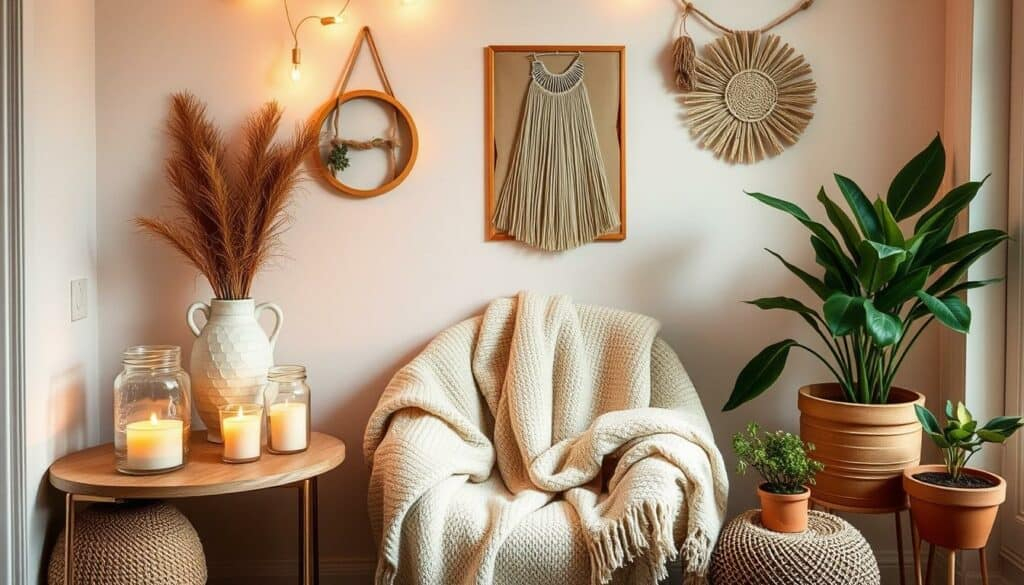
If you’re renting or just not ready to commit to textured walls, think about temporary solutions that mimic this effect. Large-scale woven tapestries or macramé hangings can break up large blank spaces. But here’s the key: scale matters. A tiny piece of art on a huge wall looks cheap and lost. Go big. Find a vintage quilt, a large scarf, or even a shower curtain with a beautiful textile pattern and hang it as a headboard backdrop. This adds softness and acoustic dampening, making the room feel quieter and more serene. It’s a styling hack that screams "custom design" but costs a fraction of the price.
Lighting Layers and Fixture Hacks
Lighting is often the biggest mistake people make in budget bedrooms. They rely on a single overhead light, which casts harsh shadows and makes everything look flat and uninviting. Luxury is all about layers. You need ambient light, task light, and accent light. In 2026, LED technology has made it easier and cheaper to create these layers without rewiring your house. Start by banning the "big light." If you have a ceiling fixture, swap the bulb for a warm, dimmable LED (2700K or lower). Better yet, cover the fixture with a paper lantern or a fabric shade to diffuse the light softly.
Next, add bedside lighting that isn’t just functional but sculptural. You don’t need expensive designer lamps. Thrift stores are goldmines for ceramic bases that just need a quick clean and a new cord kit. Or, use wall sconces. Plug-in sconces have come a long way. They mount easily with adhesive strips or simple screws and provide that symmetrical, high-end hotel look. Position them at eye level when you’re sitting in bed. This draws the eye up and makes the ceiling feel higher. Use bulbs with a low wattage equivalent to keep the glow intimate.
Don’t forget the corners. Dark corners make a room feel smaller and unfinished. Place a floor lamp with an upward-facing shade in a corner to bounce light off the ceiling. This creates a soft, ambient glow that fills the room. You can also use LED strip lights behind the headboard or under the bed frame for a subtle, modern accent. The key is to avoid direct, harsh light. Everything should feel like it’s glowing from within. Test your lighting at night. If you can see sharp shadows on your face, it’s too harsh. Soften it with shades, dimmers, or by bouncing light off walls and ceilings.
Textile Layering and Bedding Mastery
The bed is the focal point of the bedroom. If it looks messy or cheap, the whole room suffers. But you don’t need thousand-dollar Egyptian cotton sheets to make it look luxurious. The secret is in the layering and the materials. Start with crisp, white or neutral sheets. Cotton percale or linen blends are best because they have a natural texture and matte finish that looks more expensive than shiny synthetics. Iron them if you can, or at least smooth them out thoroughly. Wrinkles can look chic if they’re linen, but sloppy if they’re polyester.
Add a duvet or comforter that is slightly larger than your bed. This allows it to drape over the sides, creating a plush, inviting look. Fold it back to reveal the sheets underneath. This exposes the layers and adds visual interest. Then, add a throw blanket at the foot of the bed. Choose a material with texture, like chunky knit wool, faux fur, or velvet. Drape it casually, not perfectly folded. The goal is lived-in luxury, not a showroom display.
Pillows are where many people go wrong. Too many pillows look cluttered. Too few look sparse. Aim for a balanced arrangement. Two standard sleeping pillows in the back, two Euro shams (large square pillows) against the headboard, and one or two decorative lumbar or square pillows in front. Mix textures here. If your sheets are smooth, use a velvet pillow. If your duvet is textured, use a silk or satin pillow. Stick to a cohesive color palette, usually neutrals with one or two accent colors pulled from the rest of the room. This creates a curated, intentional look that feels high-end.
Furniture Placement and Visual Flow
How you arrange your furniture changes how the room feels. In small bedrooms, it’s tempting to push everything against the walls to maximize floor space. But this often creates a "bowling alley" effect that feels impersonal and cold. Instead, try floating your bed. If space allows, pull it away from the wall slightly. This creates a sense of importance and allows you to style the space behind it with a console table or artwork. It breaks the boxy feel of the room.
Symmetry is a powerful tool for creating a sense of order and calm. Flanking the bed with matching nightstands (or even just matching lamps on different tables) creates a balanced, harmonious look. If you can’t afford matching nightstands, paint them the same color. This unifies them visually. Ensure there’s enough walking space around the bed. Cluttered pathways make a room feel chaotic and small. Clear the floors as much as possible. Visual clutter is just as draining as physical clutter.
Consider the view from the door. What’s the first thing you see? It should be something beautiful, not a pile of laundry or a blank wall. Arrange your furniture to guide the eye toward a focal point, like a window with nice views or a piece of art. If your room is awkwardly shaped, use rugs to define zones. A large rug under the bed anchors the space. Make sure it’s big enough that your feet land on it when you get out of bed. This tactile experience of softness underfoot adds to the feeling of luxury.
Art, Mirrors, and Personal Curation
Art doesn’t have to be expensive to be impactful. In fact, some of the most stylish rooms feature eclectic mixes of thrifted finds, personal photos, and prints. The key is framing. Cheap art in expensive-looking frames looks high-end. Expensive art in cheap frames looks… cheap. Invest in good frames. You can find them at thrift stores and spray paint them a uniform color like black, white, or brass for a cohesive look. Matting is also crucial. A wide mat makes a small print look significant and gives it breathing room.
Mirrors are magic. They reflect light and double the visual space. A large mirror opposite a window bounces natural light around the room, making it feel brighter and airier. You don’t need a fancy antique mirror. A simple, large leaner mirror propped against the wall works wonders. Just ensure it’s secure. Grouping smaller mirrors together can also create a striking focal point. Think of them as sculptural elements, not just functional items.
Personal curation is what makes a room feel unique and expensive. Mass-produced decor lacks soul. Display items that have meaning to you. A collection of vintage books, a souvenir from a trip, a handmade pottery piece. These items tell a story. Arrange them in groups of three or five for visual balance. Edit ruthlessly. Less is more. A few well-chosen items on a shelf look better than a shelf crammed with knick-knacks. Leave negative space. Let the eye rest. This intentional editing is a hallmark of high-end design.
Finally, the most expensive-looking rooms are often the simplest. Clutter is the enemy of luxury. It creates visual noise and stress. In 2026, the minimalist trend has evolved into "warm minimalism." It’s not about having nothing; it’s about having only what you love and use. Start by clearing surfaces. Nightstands, dressers, and shelves should be mostly clear. Keep only a few essential items: a lamp, a book, a glass of water. Hide the rest. Use baskets, boxes, or drawers to store clutter out of sight.
Cables and cords are a major source of visual clutter. Use cable management clips, sleeves, or boxes to hide them. A tangle of wires behind your TV or nightstand instantly cheapens the look. Take the time to organize them. It’s a small detail that makes a huge difference. Also, consider the visual weight of your items. Heavy, dark objects should be placed lower in the room to ground the space. Lighter, airy items can go higher. This creates a sense of stability and calm.
Regular maintenance is key. A luxury room stays luxury because it’s kept tidy. Make your bed every morning. It takes two minutes and sets the tone for the day. Put clothes away immediately. Don’t let laundry pile up. These habits create a environment that feels respectful and cared for. When you enter a clean, organized space, your brain relaxes. You feel safer, calmer, and more rested. That feeling is the ultimate luxury. And it’s free. It just requires intention and consistency. So start small. Pick one surface to clear today. Notice how it feels. Then move to the next. Your bedroom will transform, not just in look, but in feel.
Creating a bedroom that feels expensive on a budget isn’t about deception. It’s about understanding the principles of design and applying them with creativity and care. It’s about valuing texture over trend, light over brightness, and meaning over mass-production. By focusing on paint, lighting, textiles, layout, curation, and clutter, you can create a sanctuary that rivals any five-star hotel. And the best part? It’s uniquely yours. It reflects your taste, your history, and your values. So don’t wait for the perfect budget. Start with what you have. Look at your space with new eyes. And remember, luxury is a feeling, not a price tag.