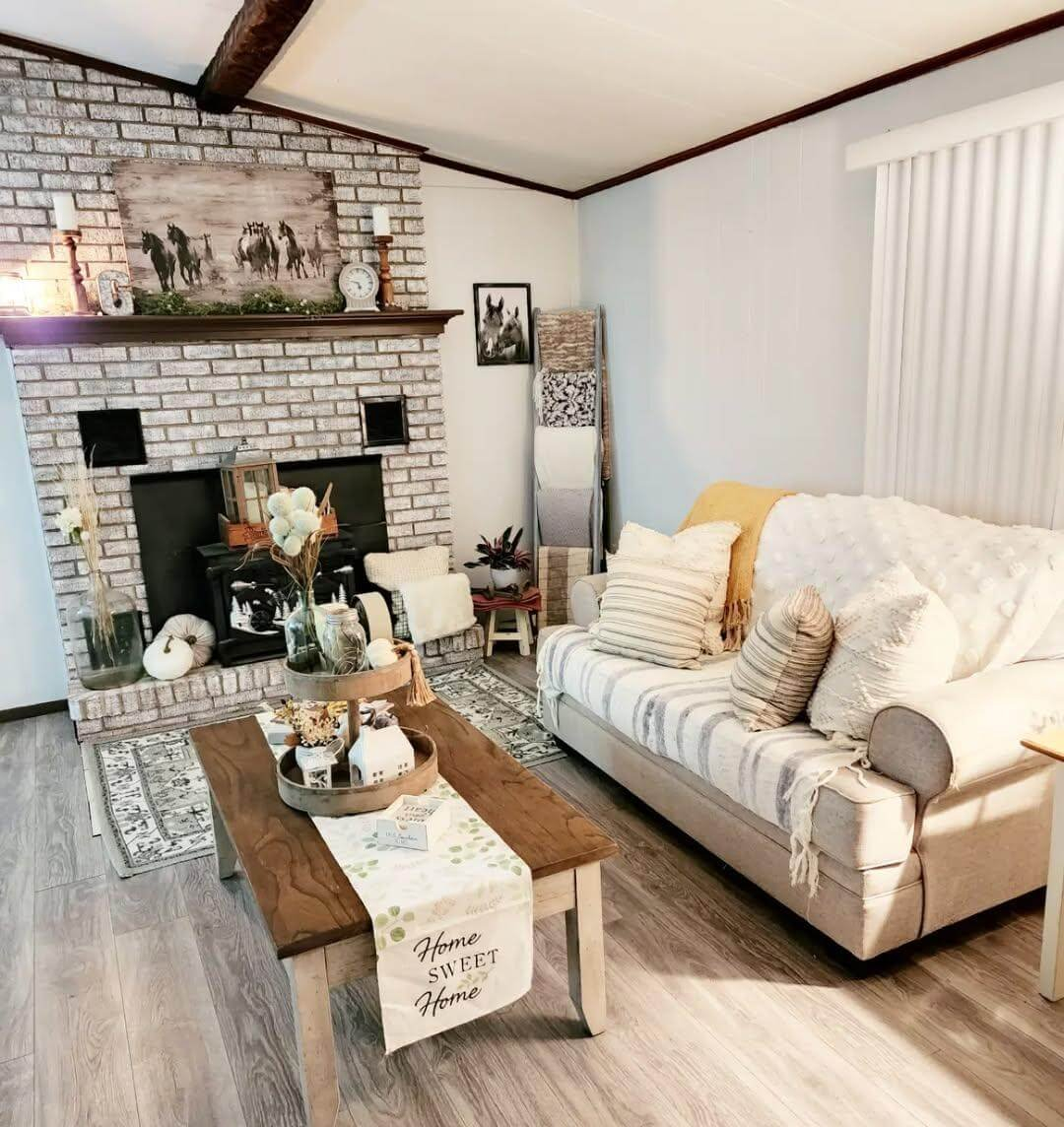
We’ve all seen it. You walk into a friend’s house or scroll through social media, and you’re hit with a wall of shiplap. Everywhere. Maybe there’s a distressed wooden sign hanging crookedly that says "Gather" in cursive script. Or perhaps the coffee table is made from what looks like an old barn door, complete with rusted nails and splinters. It feels heavy. It feels dated. And honestly? It feels a bit like a theme park ride rather than a home.
The modern farmhouse trend had its moment, sure. But by 2026, the vibe has shifted. We aren’t trying to recreate a 19th-century pioneer cabin anymore. We want warmth, yes. We want character, absolutely. But we also want airiness, light, and a sense of calm. The secret isn’t adding more rustic bits; it’s knowing exactly when to stop. It’s about editing. It’s about letting the space breathe. If you feel like your living room is shouting "rustic" at you instead of whispering "welcome," you might be overdoing it. Let’s fix that.
The Trap of Too Much Texture
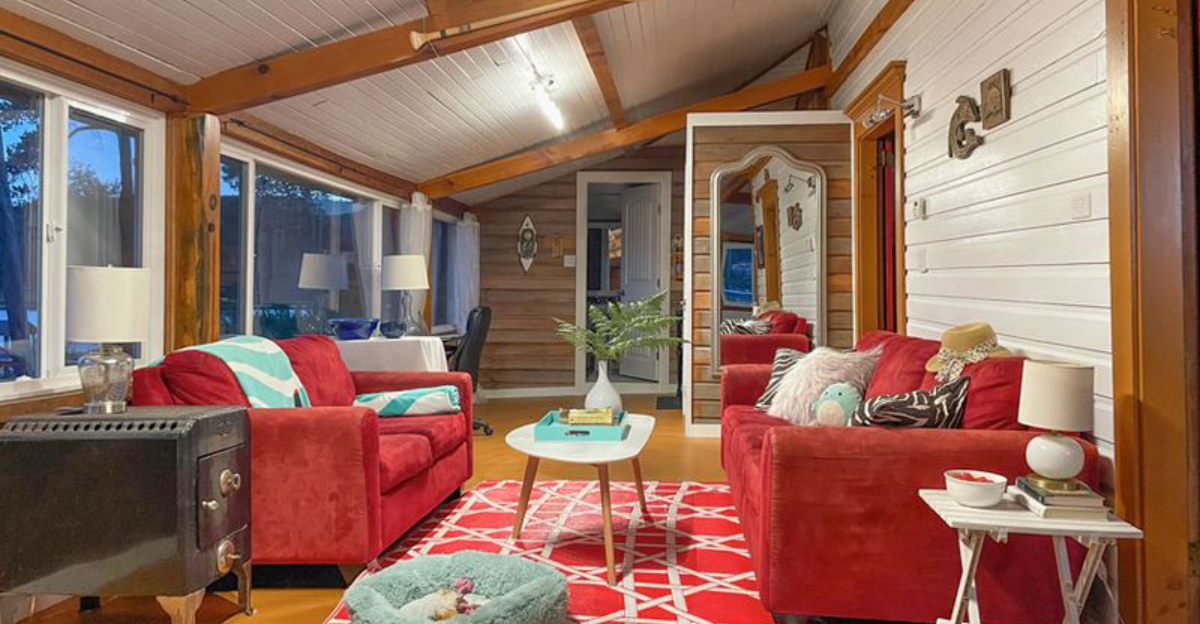
It starts innocently enough. You find a beautiful reclaimed wood beam and think, "This will add so much character." Then you see a vintage metal lantern and think, "That matches perfectly." Before you know it, every surface is covered in rough-hewn timber, burlap, and galvanized steel. The problem isn’t the materials themselves; it’s the density. When every single item in a room fights for attention with heavy textures, the eye has nowhere to rest. It creates visual noise.
Think of texture like spice in cooking. A pinch of cumin elevates the dish. A handful ruins it. In interior design, smooth surfaces are just as important as rough ones. If you have a chunky, knotty wood dining table, pair it with sleek, upholstered chairs in a soft linen or velvet. If your floors are wide-plank oak with plenty of grain, keep the rugs simple and low-pile. The contrast is what makes the rustic elements pop. Without that balance, the room just feels muddy and cluttered.
Experts note that too many rough textures and earthy tones can create a sense of heaviness in a space. You don’t want your living room to feel like a log cabin unless you actually live in the woods. The goal is sophistication, not simulation. By limiting your rustic textures to one or two key pieces per room, you allow those items to shine as statement features rather than getting lost in a sea of sameness.
Shiplap Is Not a Personality Trait
Let’s talk about the elephant in the room: shiplap. For a few years, it seemed like you couldn’t buy a house without it being slapped on every vertical surface. Walls, ceilings, even kitchen islands. But here’s the truth—shiplap is just a type of siding. It’s not a design strategy. When you cover an entire room in white horizontal planks, you aren’t creating depth; you’re creating a flat, repetitive pattern that can actually make a room feel smaller and more boxed in.
In 2026, the trend is moving toward painted drywall with interesting architectural details, or perhaps one single accent wall if you really love the look. But even then, consider alternatives. Vertical paneling can heighten a ceiling. Beadboard adds charm without the bulk of shiplap. Or, skip the wood entirely and use paint color to define spaces. A warm, creamy white or a soft greige can provide that cozy farmhouse feel without the physical clutter of extra woodwork.
If you already have shiplap and feel stuck with it, don’t panic. You can paint it the same color as the trim to make it recede visually. Or, break it up with large-scale art or mirrors that reflect light and distract the eye from the repetitive lines. The key is to treat it as a background element, not the main event. Your personality should come through in your books, your art, and your collections, not through the walls themselves.
The Signage Overload
There was a time when "Farmhouse Style" meant buying mass-produced signs with witty quotes about wine, laundry, or family rules. "Wine Not?" "Laundry Today or Naked Tomorrow." We get it. You have a sense of humor. But these items rarely age well. They tend to look cheap, and they date your home instantly. Plus, they often clash with the serene, timeless aesthetic we’re aiming for.
Instead of literal signs, opt for abstract art or photography that evokes a feeling. A black-and-white landscape photo of a rural scene captures the essence of farmhouse life without being cheesy. A vintage botanical print adds history and elegance. If you must have text, choose something meaningful to you personally, framed beautifully, rather than a generic store-bought plaque. Better yet, let your objects speak. A stack of old hardcover books on a shelf tells a story. A collection of ceramic pitchers shows an eye for form.
This shift away from cluttered, sign-heavy interiors is a major part of the modern rustic makeover happening right now. People are choosing cleaner lines and thoughtful textures over novelty items. It’s about curating a space that feels lived-in and authentic, not like a catalog page from 2018. Fewer, better accessories make a bigger impact than a dozen small, meaningless trinkets.
Balancing Old and New
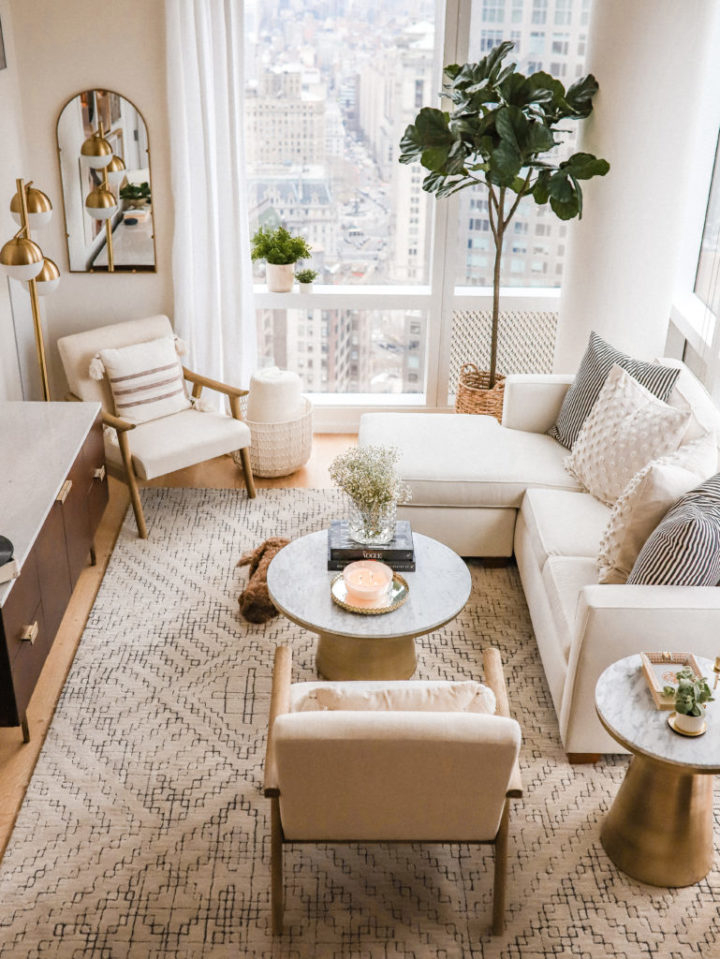
The magic of modern farmhouse lies in the word "modern." It’s a hybrid style. If you only focus on the "farmhouse" part, you end up with a museum exhibit. You need the clean, crisp lines of contemporary design to anchor the rustic elements. This means incorporating furniture with simple silhouettes, minimalist lighting fixtures, and uncluttered surfaces.
For example, pair a rustic, distressed wood console table with a sleek, modern mirror above it. Use industrial-style black metal lighting, but keep the shapes geometric and simple. Choose sofas with clean lines and neutral fabrics, then throw a chunky knit blanket over the arm for that touch of coziness. The juxtaposition is what creates interest. It keeps the space feeling fresh and current, preventing it from slipping into kitschy territory.
Ignoring scale and proportion is another common pitfall. Oversized rustic furniture can overwhelm a room, especially if the other pieces are also bulky. Keep proportions in check. If you have a large, heavy wooden dining table, use chairs with lighter visual weight, like those with open backs or slender legs. This balance ensures the room feels airy and inviting, not cramped and cavernous. It’s about harmony between the old and the new, the rough and the smooth.
Color Palette Nuances
We often associate farmhouse style with stark white and gray. While these are classic neutrals, relying on them exclusively can make a space feel cold and sterile, ironically defeating the purpose of a "cozy" home. In 2026, we’re seeing a move toward warmer, richer neutrals. Think creams, beiges, taupes, and soft greens. These colors provide a warmer backdrop that complements wood tones better than cool grays do.
Don’t be afraid to introduce pattern, either. One of the fastest ways to update a dated farmhouse look is to add textiles with subtle prints. Gingham, stripes, or floral motifs in muted tones can bring a soft, feminine layer to staunch modern spaces. This doesn’t mean going wild with bright colors; it means adding depth and visual interest through fabric. Curtains, pillows, and rugs are easy places to experiment.
Earthy tones are making a comeback, but they’re being used more strategically. Instead of painting every wall brown, try a deep olive green on an accent wall or incorporate terracotta pots and clay vases. These touches connect the interior to the natural world outside, reinforcing the farmhouse connection to the land without feeling forced. The goal is a palette that feels grounded and calming, not monotonous.
Lighting can make or break the vibe. Avoid overly ornate, rustic chandeliers that look like they belong in a medieval castle. Instead, look for fixtures that blend materials. A black metal frame with glass globes offers that industrial-farmhouse edge but remains sleek and modern. Pendant lights over a kitchen island should be simple and functional, perhaps with a matte black finish or brushed brass for warmth.
Hardware is another small detail with a big impact. Swapping out cabinet knobs and drawer pulls can refresh a kitchen instantly. Black matte hardware is still popular, but mixed metals are gaining traction. Try pairing black faucets with brass cabinet handles for a layered, curated look. Just remember to keep it consistent within each zone. Don’t mix five different finishes in one small bathroom; pick two and stick with them.
These finishing touches tie the design together. They show attention to detail without screaming for attention. When you get the lighting and hardware right, the space feels effortless. It feels like it evolved naturally over time, rather than being bought in a single weekend shopping spree. It’s the difference between a house that looks decorated and a home that feels lived-in.
So, where does this leave us? It leaves us with permission to edit. To take a step back and look at our spaces with fresh eyes. Ask yourself: Does this item add value, or just volume? Is this texture enhancing the room, or overwhelming it? The modern farmhouse style of 2026 is less about adhering to a strict set of rules and more about creating a sanctuary that reflects your personal taste while remaining timeless.
It’s okay to love wood. It’s okay to love vintage finds. But love them selectively. Choose the pieces that truly speak to you and let go of the rest. Clear off the shelves. Paint over the excessive shiplap if it’s bothering you. Swap the cheesy signs for art that inspires you. Your home should be a reflection of who you are, not a replica of a trend that peaked years ago.
Ultimately, a well-designed space feels calm. It invites you to sit down, relax, and stay awhile. It doesn’t distract you with visual clutter or dated gimmicks. By stopping the overuse of rustic elements, you open up room for what really matters: comfort, connection, and genuine style. And isn’t that what home is all about?