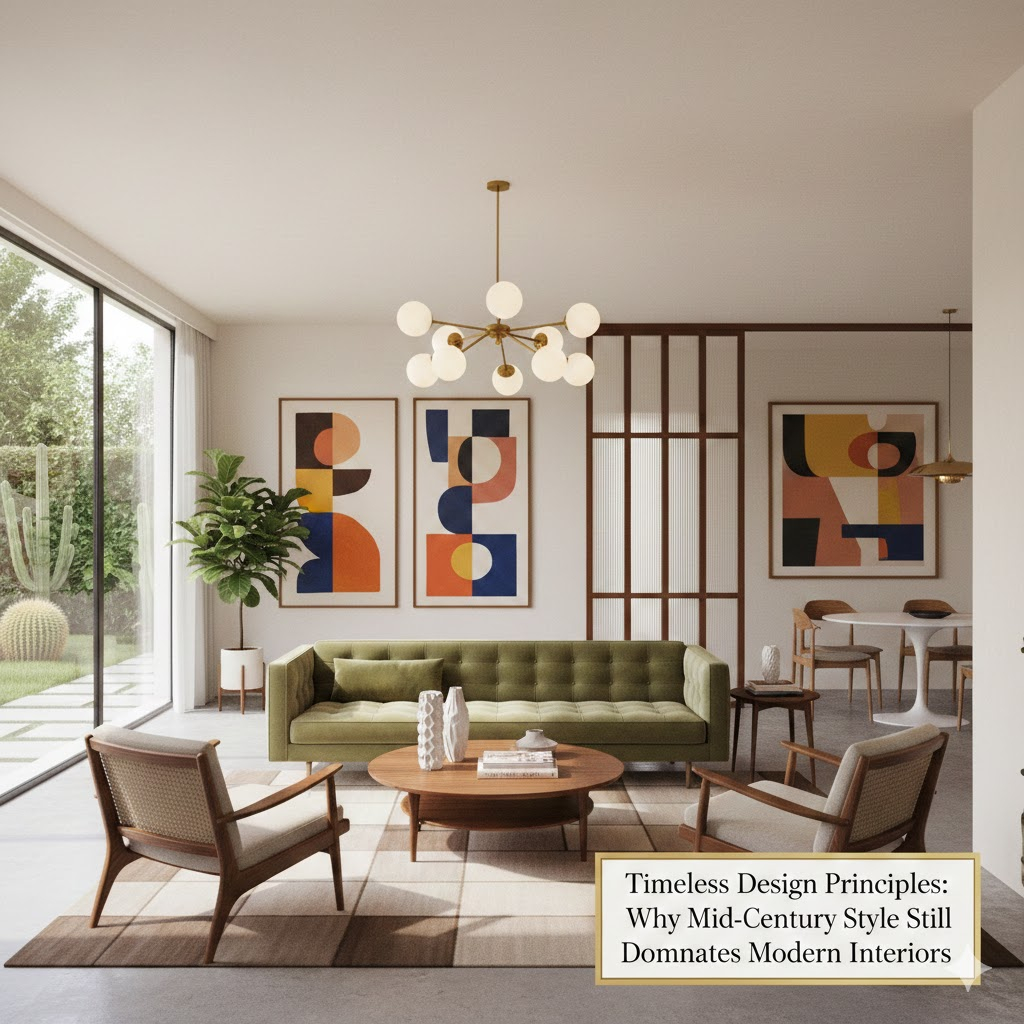
You know that feeling when you walk into a room and it just… feels right? It’s not about the price tag on the sofa or the brand name on the rug. It’s something deeper. A sense of calm, maybe. Or a spark of joy. In 2026, we are finally moving away from the sterile, perfect Instagram aesthetics that dominated the early twenties. We are embracing messiness. We are embracing life. If you have been staring at your beige walls wondering why they feel so cold, you are not alone. The shift is real. And it is happening right now.
This year is all about commitment. Commitment to color. Commitment to texture. Commitment to making your home actually look like you live there. Designers are calling it the end of "safe" choices. No more hiding behind neutral palettes because you are afraid of making a mistake. Mistakes are where the magic happens. Whether you are renting a tiny studio or owning a sprawling suburban house, the principles remain the same. Your space should breathe. It should move with you. Let’s dive into how you can transform any room by mastering the concepts that are defining 2026.
Embracing Warmth and Personality Over Cool Minimalism
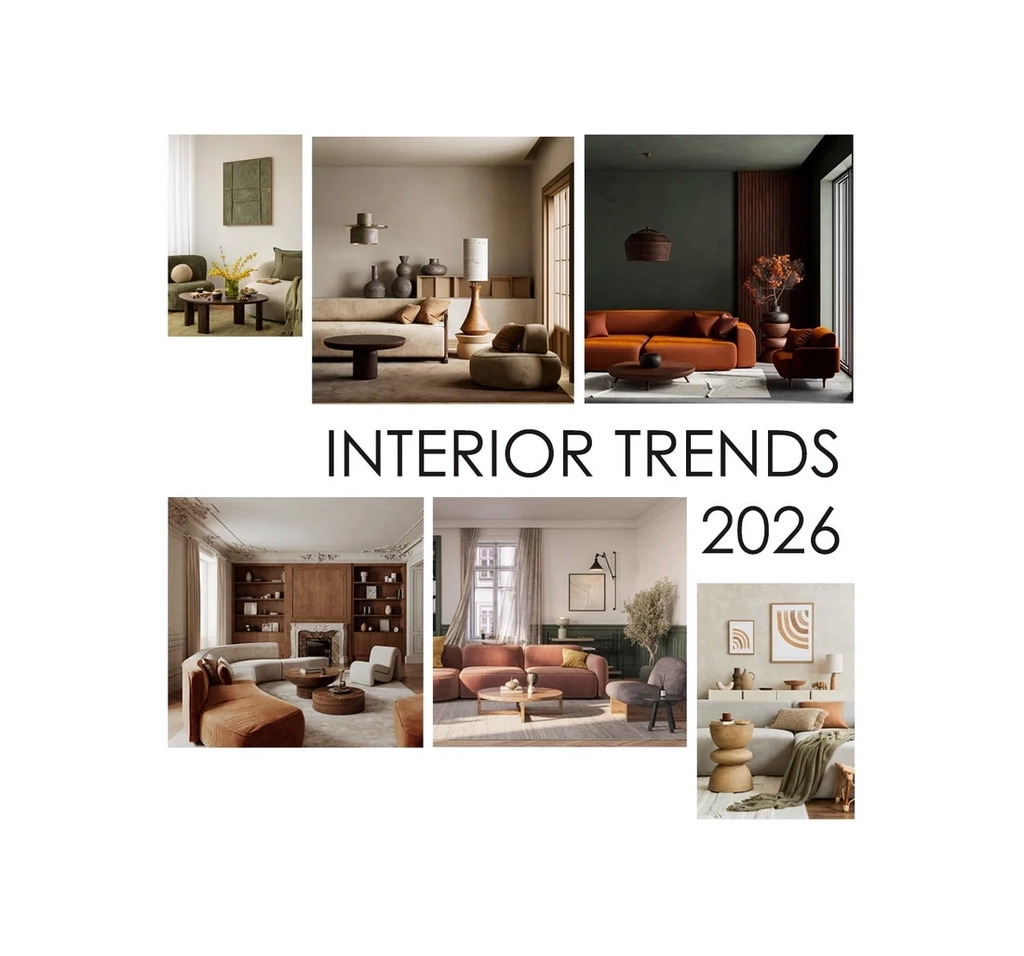
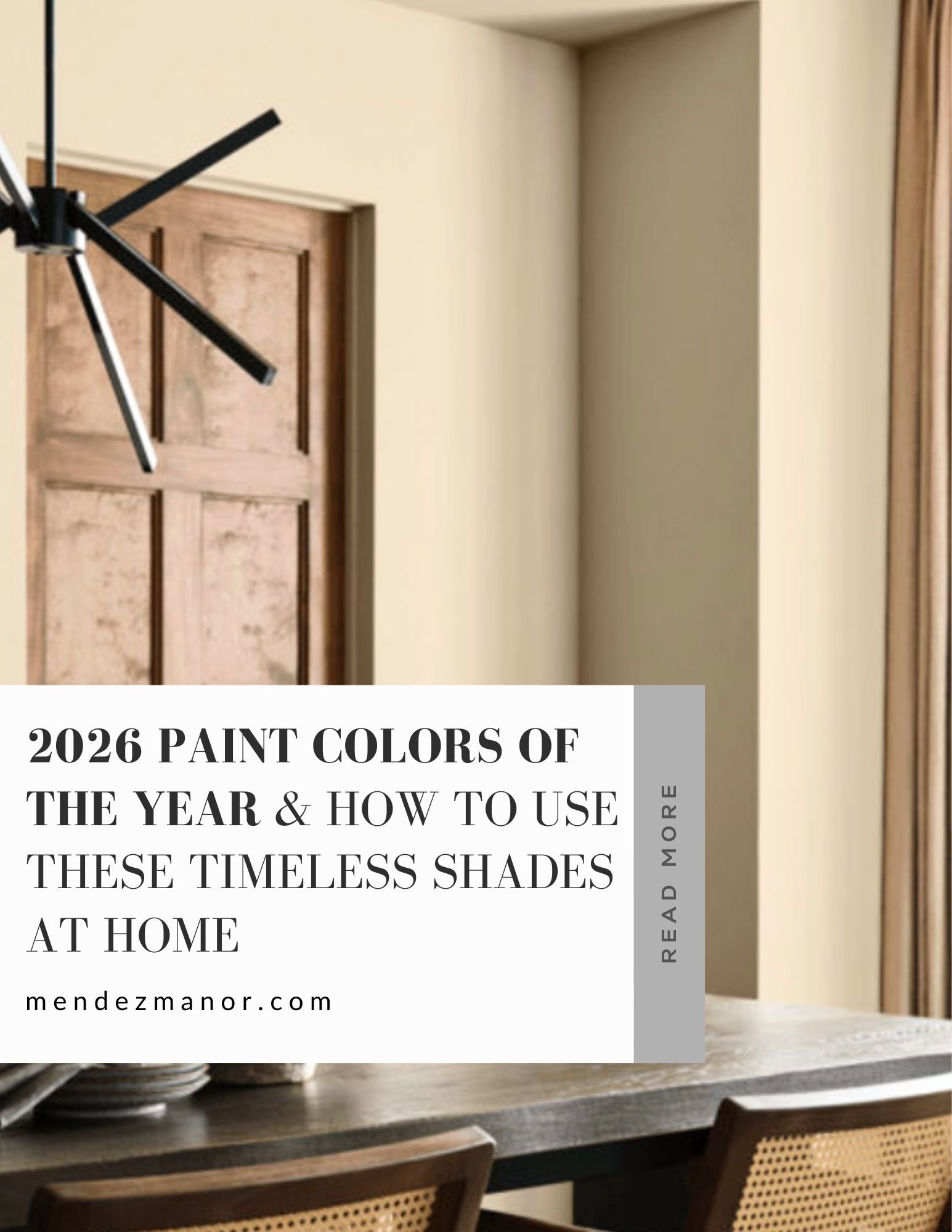
Remember when everything was gray? Or stark white? Those days are officially over. In 2026, the design world has fully committed to warmth. Ashley Rose Walsh, an interior designer at Mojo Stumer Associates, noted that if last year was about rediscovering personality, this year is about going all in. We are seeing a massive shift from cool tones to warm, inviting hues. Think terracotta, deep ochre, and creamy whites instead of clinical brights. It is less about looking perfect and more about feeling good.
This doesn’t mean you need to paint every wall red. It starts with layering. Start with your base neutrals but choose ones with yellow or red undertones. Swap out cool-toned lighting for warmer bulbs (2700K or lower). Add textiles that invite touch—chunky knits, velvet cushions, linen throws. The goal is to create a cocoon. When you walk in, you should feel hugged by the room. It is a psychological shift as much as a visual one. We spend so much time online, in cold digital spaces. Our homes need to be the antidote.
Practical tip? Look at your current room. Is it feeling flat? Add a warm wood tone. Maybe a mid-century side table or a bamboo basket. Wood brings immediate warmth. Combine it with soft fabrics. Don’t worry about matching perfectly. In fact, don’t match. Let the textures fight a little bit. That tension creates interest. That is where the personality lives. You are not decorating for a magazine shoot. You are decorating for a Tuesday night when you are tired and just want to sink into a chair that feels like a cloud.
Biophilic Integration and Regenerative Design
Nature isn’t just a trend anymore; it is a necessity. But in 2026, we are moving beyond just putting a potted plant in the corner. We are talking about biophilic integration. This means designing spaces that mimic natural systems. It is about bringing the outside in, yes, but also making the inside feel like part of the outside. Architects and designers are focusing on regenerative design—spaces that actually improve our well-being and even the environment.
How does this look in a regular apartment? It starts with light. Maximize natural light wherever possible. Use sheer curtains that diffuse sunlight rather than blocking it. If you have dark corners, use mirrors strategically to bounce light around. Then, look at materials. Choose stone, clay, cork, and untreated wood. These materials age beautifully. They change with time, just like nature does. A leather couch gets softer. A wooden table gets scratches that tell a story. Embrace that.
Water features are also making a comeback, but in subtle ways. A small tabletop fountain can add a soothing sound element. Sound is a huge part of biophilic design. The sound of rain, wind, or flowing water lowers stress levels. If that is too much, try wind chimes near a window. Or just open the window. Let the actual sounds of your neighborhood in. Connect with your local environment. Grow herbs on your windowsill. Not just for cooking, but for the scent. The smell of basil or mint changes the air quality and your mood. It is simple, effective, and deeply grounding.
The Rise of Homespun and Lived-In Interiors
Vogue recently highlighted the rise of "homespun" interiors. This is the antithesis of the showroom look. It is about items that look handmade, heirloom, or slightly worn. It is the aesthetic of comfort. Think grandmother’s crochet blanket draped over a modern sofa. It is mixing high and low, old and new. The key is authenticity. People can spot fake distressing from a mile away. So, don’t buy furniture that looks artificially aged. Buy second-hand. Find pieces with real history.
This approach is also sustainable. By choosing vintage or antique pieces, you are keeping items out of landfills. You are reducing the demand for fast furniture. In 2026, sustainability is not just a buzzword; it is a default setting for thoughtful design. When you buy a vintage chair, you are buying a unique piece that no one else has. It adds character to your room that mass-produced items simply cannot replicate. Plus, older furniture was often built to last. Solid wood frames. Real joinery. It is quality that stands the test of time.
How do you start? Go to a local flea market or estate sale. Look for one standout piece. A weird lamp. A colorful vase. A sturdy wooden bench. Build your room around that piece. Let it be the anchor. Then, add modern elements to balance it out. Maybe a sleek, contemporary floor lamp next to a rustic wooden table. The contrast is what makes it exciting. It shows intention. It shows that you curated this space, you didn’t just click "add to cart" on a whole room set. It takes more effort, sure. But the result is a home that feels truly yours.
Bold Art and Maximalist Expressions
Minimalism had its run. Now, it is time for maximalism. But not the chaotic, cluttered kind. Thoughtful maximalism. This is about using art and color to express who you are. Vogue pointed out that "really big art" is a key trend for 2026. Why hang a tiny print above a large sofa? Go big. Let art dominate a wall. It becomes a focal point. It sets the tone for the entire room. If you cannot afford a large original painting, frame a collection of smaller prints together to create a gallery wall that fills the space.
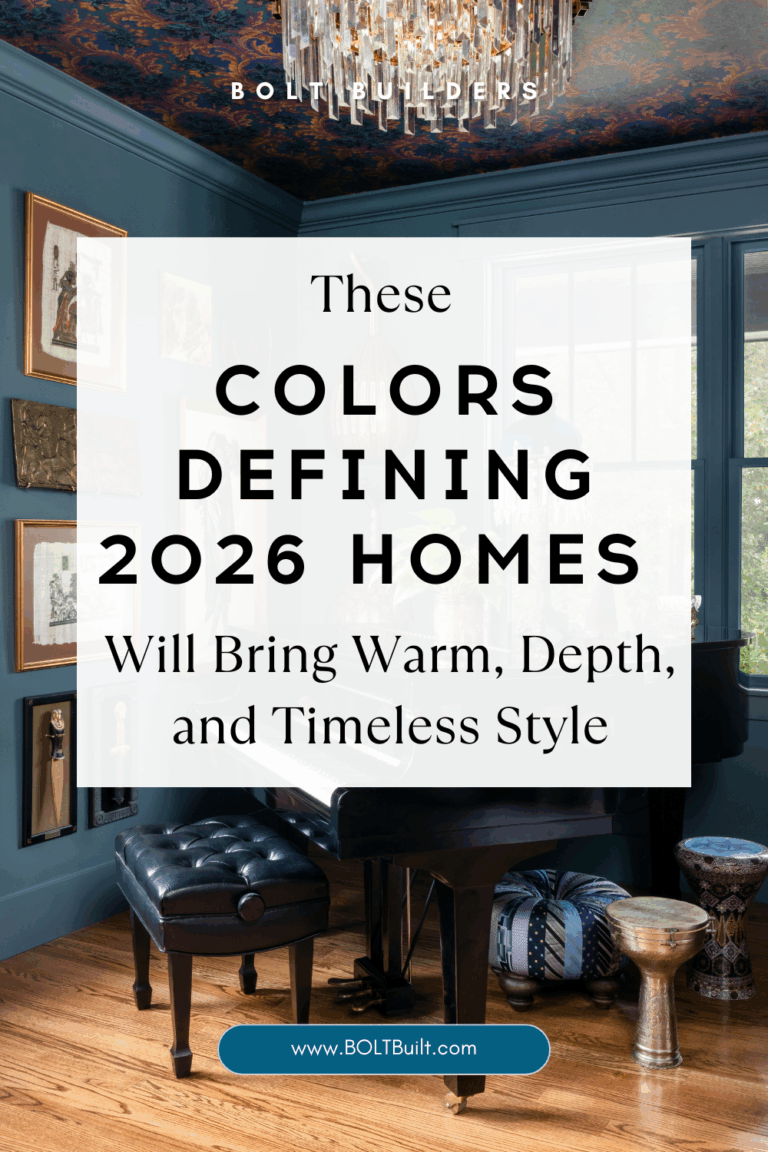
Color is back, too. Not just as accents, but as main characters. Paint your ceiling. Paint your trim. Paint the inside of your bookshelves. Color affects mood. Blue calms. Yellow energizes. Green balances. Use color intentionally. If you are nervous, start with a half-wall. Or paint just the door. Dip your toe in. You might find that you love the drama it adds. Dark, moody colors are particularly popular for creating cozy, intimate spaces. A navy blue bedroom can feel incredibly restful.
Don’t be afraid to mix patterns. Stripes with florals. Geometrics with abstracts. The trick is to keep a common color thread. If all the patterns share one or two colors, they will harmonize. It creates visual interest. It keeps the eye moving. It prevents the room from feeling static. Life is not static. Your home shouldn’t be either. Let your walls speak. Let your floors surprise you. A patterned rug can transform a boring room instantly. It anchors the seating area and adds a layer of complexity. Play with it. Have fun. Design is supposed to be enjoyable.
Flexible Space Planning and Adaptive Living
Our lives are changing. We work from home more. We exercise at home. We entertain differently. Fixed rooms with single purposes are becoming obsolete. In 2026, flexible space planning is essential. This means designing rooms that can adapt to different needs throughout the day. A living room that becomes a home office. A dining table that serves as a craft station. It is about versatility. It is about making the most of every square foot.
Furniture choice is critical here. Look for pieces that are lightweight and easy to move. Nesting tables. Stackable chairs. Sofas with modular components. Avoid heavy, bulky items that lock a room into one configuration. Use rugs to define zones within a larger space. A rug under the desk area signals "work mode." A rug under the sofa signals "relax mode." Lighting plays a role too. Task lighting for work. Ambient lighting for relaxation. Layer your lighting so you can change the mood instantly.
Storage is another key component. Clutter kills flexibility. If a room is full of stuff, you cannot change its function. Invest in smart storage solutions. Baskets. Shelves with doors. Under-bed storage. Keep surfaces clear. This allows the space to breathe and adapt. When you need to yoga in the living room, you can just roll up the rug and move the coffee table. It takes five minutes. But it requires a mindset shift. You have to be willing to tidy up. You have to be intentional about what you keep. Less stuff equals more freedom. It is a liberating concept.
Sustainability is woven into all the previous points, but it deserves its own focus. In 2026, conscious choices are non-negotiable. This goes beyond buying vintage. It is about choosing materials that are good for the planet. Low-VOC paints. Natural fibers like cotton, wool, and linen. Avoid synthetic plastics where possible. They shed microplastics and off-gas chemicals. Read labels. Ask questions. Support brands that are transparent about their supply chains.
Energy efficiency is also part of design. LED lighting is standard now, but think bigger. Insulate your windows. Use thermal curtains. These small changes reduce your carbon footprint and save money on bills. It is a win-win. Consider the lifecycle of your purchases. Will this item last ten years? Twenty? Or will it end up in a landfill in two? Choose quality over quantity. Buy less, but buy better. It is a slower approach, but it is more rewarding.
Repair instead of replace. Learn to fix a loose chair leg. Reupholster a cushion. There is a growing community of makers and fixers online. Tap into that knowledge. It empowers you. It connects you to your objects. When you repair something, you value it more. You take care of it. This creates a deeper relationship with your home. It is not just a container for your stuff. It is a reflection of your values. It is a statement about how you want to live in the world. And that is beautiful. It is meaningful. It is real.
So, where do you start? Pick one room. Pick one concept. Maybe it is adding a warm wood tone. Maybe it is hanging a big piece of art. Maybe it is clearing out clutter to create flexibility. Do not try to do everything at once. Design is a journey. It evolves. Just like you. 2026 is the year to let go of perfection. Embrace the imperfect. Embrace the human. Your home is your sanctuary. Make it warm. Make it wild. Make it yours.