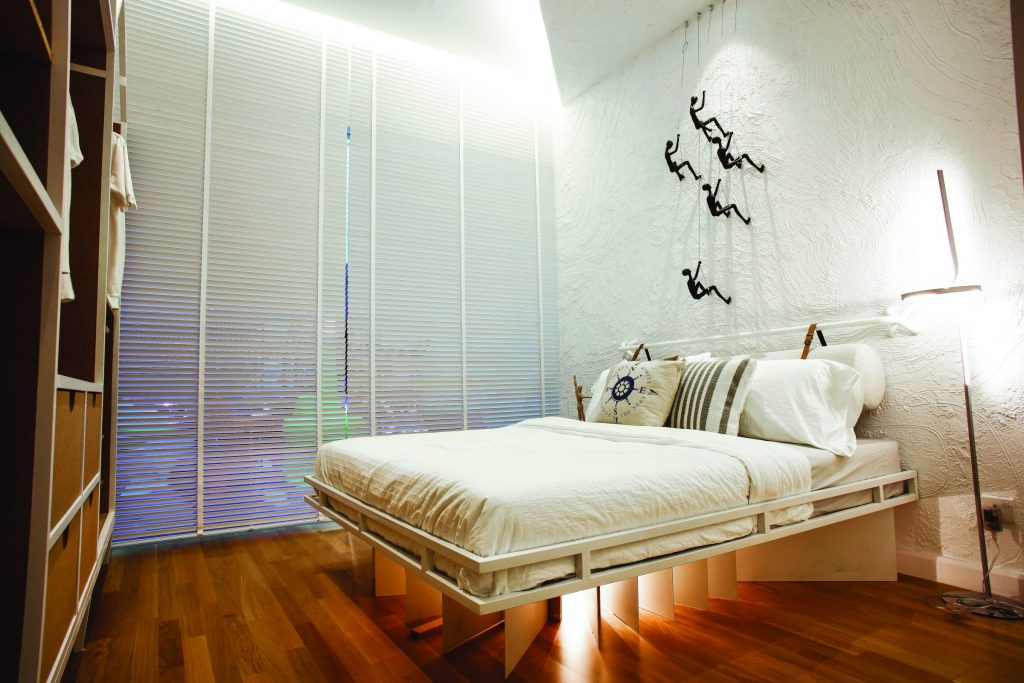
Ever walked into a bedroom that just felt… right? You couldn’t quite put your finger on it, but your shoulders dropped an inch, your breathing slowed, and you instantly wanted to kick off your shoes and stay awhile. That’s not magic. It’s intention. In 2026, the way we think about our sleeping spaces has shifted dramatically. We aren’t just decorating rooms anymore; we are curating experiences of rest. The chaotic, fast-paced world outside our windows has made the bedroom the ultimate refuge, and designers know that getting this space wrong isn’t just an aesthetic failure—it’s a wellness one.
Gone are the days when a matching bed set and a rug were enough to call it a day. Today, the stakes are higher. We are seeing a move away from the sterile, hotel-like minimalism of the early 2020s toward something far more tactile, warm, and frankly, human. But with so many trends shouting for attention—from maximalist explosions of color to the quiet luxury of organic textures—how do you know what actually matters? What are the foundational principles that hold a room together when the trends fade? After speaking with countless practitioners and observing the shifts in homes across the globe, five clear rules have emerged. These aren’t rigid laws meant to stifle your creativity. They are the guardrails that keep your sanctuary safe, sound, and soulful.
Rule 1: Prioritize Tactile Layering Over Visual Clutter
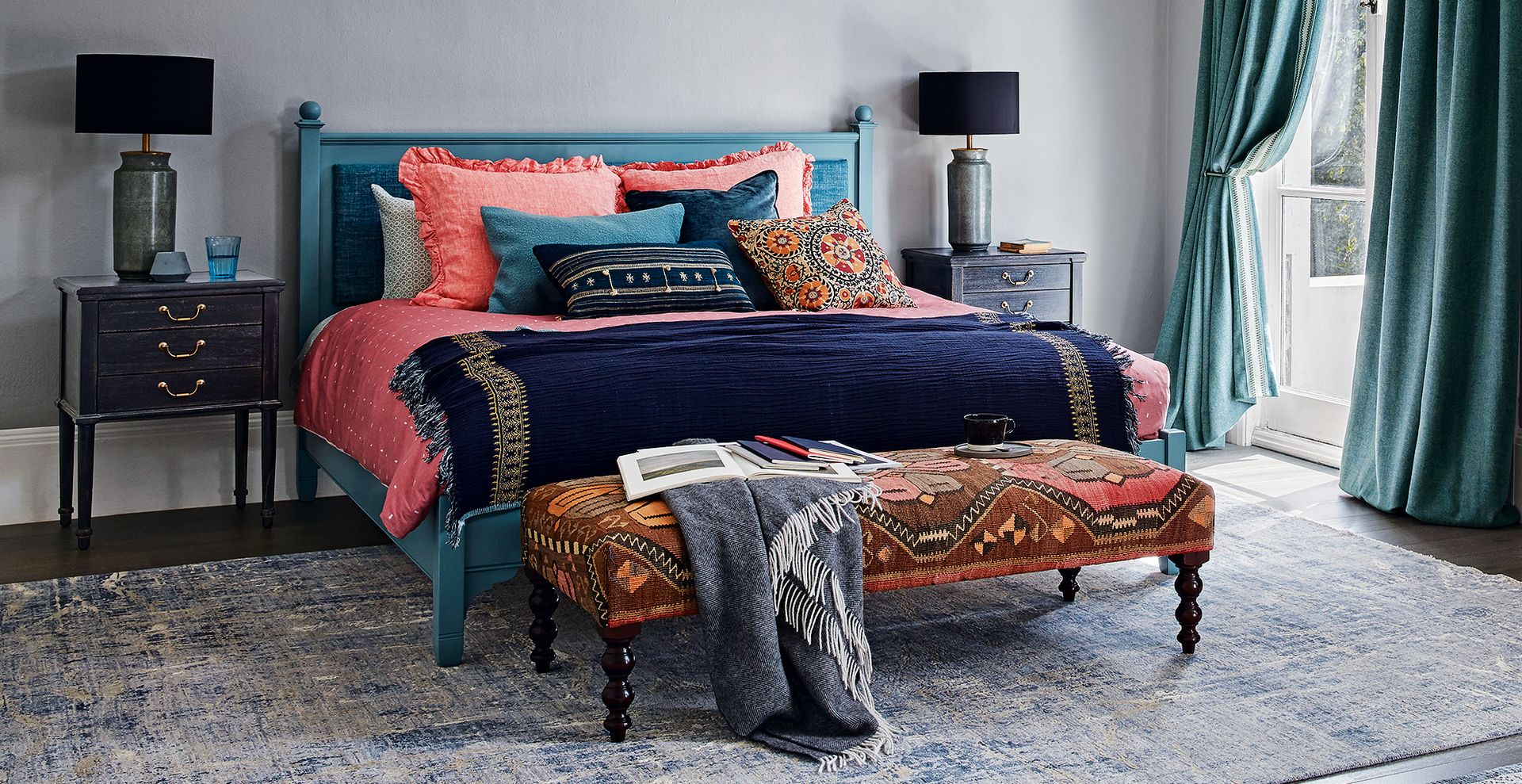
If there is one thing defining 2026 interiors, it is the touch. We are living in a digital age where so much of our interaction is through smooth glass screens. Our brains are craving texture. Designers are swearing by the rule of "tactile layering," which means every surface you touch should invite you in. This isn’t about piling on knick-knacks or visual noise. It’s about depth. Think of a chunky knit throw draped over a linen duvet, or a bouclé accent chair next to a smooth, matte-finished nightstand. The contrast is key.
In recent months, we’ve seen a surge in materials like raw wool, unpolished stone, and brushed metals. These elements ground the space. When you strip a room down to only visual appeal, it can feel cold and distant. But when you add layers that beg to be touched, the room becomes alive. It’s a subtle psychological trick. Your brain registers safety and comfort through physical sensation. So, before you buy another piece of art, ask yourself: what does this room feel like? If the answer is "flat," it’s time to add some weave, some grain, some softness.
This approach also helps with acoustic comfort, which is often overlooked. Heavy curtains, plush rugs, and upholstered headboards don’t just look good; they soak up sound. In a world that is constantly buzzing with notifications and traffic noise, a quiet room is a luxury. By focusing on textures that absorb rather than reflect, you create a hush that wraps around you. It’s not just about looking cozy; it’s about being cocooned. And honestly, isn’t that what we all need after a long day?
Rule 2: Lighting Must Be Dimmable, Warm, and Low-Level
Let’s talk about light. Or rather, the lack of harsh, overhead glare. One of the biggest mistakes people make is relying on a single ceiling fixture to illuminate their bedroom. Designers in 2026 are adamant: if you can see the bulb, it’s probably too high. The new rule is to keep lighting low, warm, and entirely dimmable. This creates a horizon line that mimics the natural setting sun, signaling to your body that it’s time to wind down.
We are seeing a massive shift toward ambient lighting schemes. This means table lamps with fabric shades, wall sconces placed at eye level when seated, and even floor lamps tucked behind plants. The goal is to create pools of light rather than flooding the room. Color temperature matters hugely here. Stick to bulbs between 2700K and 3000K. Anything cooler than that feels clinical, like a hospital or an office. You want that golden, honeyed glow that makes skin tones look better and shadows feel soft.
Smart lighting systems have made this easier, but you don’t need expensive tech to get it right. Simple dimmer switches on existing fixtures can change everything. Consider adding a small LED strip behind your headboard or under your bed frame for a subtle nightlight effect. It’s functional without being intrusive. The idea is to have control. You should be able to go from "reading mode" to "sleep mode" with the turn of a dial. When you remove the harsh overhead switch, you remove the jarring transition from day to night. It’s a small change that yields massive results for your circadian rhythm.
Rule 3: The Bed Is the Anchor, Not Just Furniture
In many modern layouts, the bed is treated as just another piece of furniture to be pushed against a wall for convenience. This is a mistake. In 2026, the bed is the anchor of the room. It commands the space. Designers are encouraging homeowners to treat the bed as the architectural focal point. This means investing in a headboard that makes a statement—not necessarily loud, but substantial. Whether it’s a tall, upholstered panel that reaches the ceiling or a carved wood piece with intricate details, the headboard sets the tone.
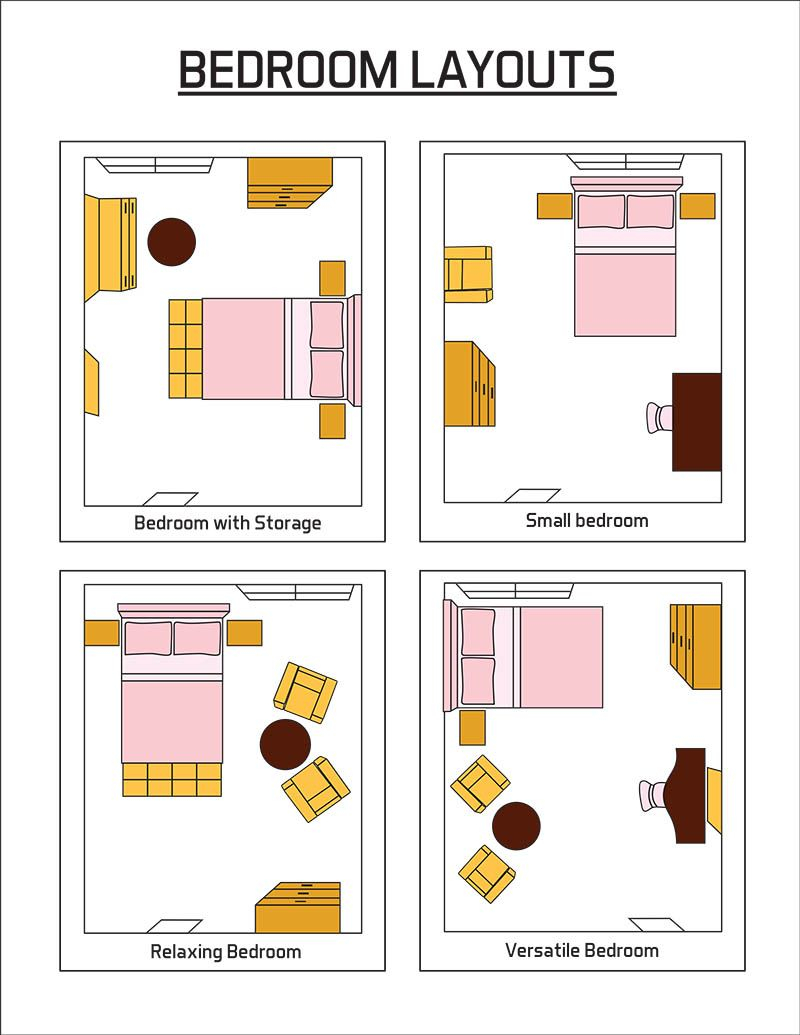
Positioning is crucial. Whenever possible, place the bed on the wall opposite the door, but not directly in line with it. This provides a sense of security and command over the room, a concept rooted in ancient design principles but still relevant today. You want to see who enters, but you don’t want to be in the direct path of energy flow. Flank the bed with symmetry, but don’t be slave to it. Two different nightstands can work if they share a similar visual weight or height. The key is balance, not mirror-image perfection.
Also, consider the scale. A common error is choosing a bed that is too small for the room or too large for the space, leaving no room to breathe. In 2026, we are seeing a return to generous proportions. If you have the space, let the bed float. Leave at least two feet of walking space on either side. This isn’t just about aesthetics; it’s about ease of movement. Making the bed should feel like a ritual, not a chore squeezed into a tight corner. When the bed is respected as the anchor, the rest of the room falls into place around it.
Rule 4: Embrace "Lived-In" Imperfection and Personal History
Perfection is out. Character is in. For years, social media fed us images of pristine, untouched bedrooms that looked like no one actually slept there. That era is over. The fourth rule designers swear by is embracing the "lived-in" aesthetic. This means allowing for imperfection. It means displaying books you’re actually reading, not just ones with pretty spines. It means hanging art that means something to you, even if it doesn’t match the curtains.
This trend ties into the broader movement toward sustainability and mindful consumption. Instead of buying everything new, people are mixing vintage finds with contemporary pieces. A scratched wooden dresser tells a story. A quilt passed down from a grandmother adds warmth that money can’t buy. These items break up the monotony of showroom-style decor. They make the space feel authentic. In 2026, a bedroom without personal history feels hollow.
Don’t be afraid of a little clutter, either. The key is curated clutter. A stack of magazines on the nightstand, a jewelry dish with rings left out, a pair of glasses on a book. These small signs of life make the room feel welcoming. It gives permission to relax. If a room looks too perfect, guests (and you) feel like they might disturb something. When a room looks lived-in, it invites you to sink in. It says, "You belong here." This emotional connection is what turns a house into a home. So, stop hiding your real life and start showcasing it.
Rule 5: Color Should Soothe, Not Stimulate
While maximalism is having a moment in living areas, the bedroom remains a place for restraint when it comes to color psychology. However, "restraint" doesn’t mean beige. The fifth rule is about choosing colors that soothe the nervous system. In 2026, we are moving away from the stark whites and cool grays of the past decade. Instead, designers are reaching for warmer, earthier tones. Think terracotta, olive green, deep navy, and muted ochre. These colors have depth and complexity. They feel grounding.
Blue remains a popular choice, but it’s evolving. Instead of icy blues, we’re seeing slate, teal, and midnight hues. These darker shades create a cave-like atmosphere that is incredibly conducive to sleep. Green is also huge, bringing the outdoors in. Biophilic design isn’t just a buzzword; it’s a proven way to lower stress. A wall painted in a deep forest green can feel like a walk in the woods. It’s calming and restorative.
If you’re nervous about committing to a dark or bold color, remember the power of the accent. You don’t need to paint all four walls. Try the wall behind the bed. Or use color in your textiles. The rule is to avoid high-energy colors like bright red or neon yellow in large doses. These stimulate the brain and keep you awake. Save those for your home office or gym. In the bedroom, you want colors that recede, that wrap around you like a blanket. Test your paints at different times of day. Light changes how color feels. Make sure it feels right at night, when you need it most.
Putting these five rules together might seem like a lot, but it’s really about shifting your mindset. Start with the feeling you want to evoke. Do you want to feel cocooned? Energized? Calm? Let that guide your choices. Remember, design is not a one-size-fits-all solution. What works for a minimalist loft in New York might not work for a cottage in the Cotswolds. But the principles of texture, light, anchoring, authenticity, and soothing color are universal. They transcend style. They speak to our basic human needs for safety, comfort, and rest.
It’s also important to take your time. You don’t need to redo your bedroom in a weekend. In fact, rushing is the enemy of good design. Live in the space. Notice what bothers you. Is the light too harsh? Add a lamp. Does the bed feel lonely? Add a throw. Design is an iterative process. It evolves as you do. The best bedrooms are those that grow with their owners, accumulating stories and comfort over time. Don’t worry about getting it "perfect" right away. Worry about getting it right for you.
Finally, trust your instincts. If a trend doesn’t resonate with you, skip it. If a designer’s advice feels wrong for your life, ignore it. Your bedroom is the most private space in your home. It should reflect your inner world, not someone else’s Instagram feed. Use these rules as a framework, not a cage. Break them if you need to. But understand why you’re breaking them. That awareness is what separates a decorated room from a designed sanctuary. And in 2026, we all deserve a sanctuary.