We’ve all been there. You walk into a bedroom that has a bed, sure. Maybe even a nice one. But something feels… off. It’s sterile. Cold. Like a hotel room that forgot to add the soul. Or maybe it’s just empty, echoing slightly when you talk. We spend roughly a third of our lives in this room, yet we often treat it as an afterthought in home design. We buy the mattress, throw on some sheets, and call it a day. But why does it still feel incomplete?
The truth is, a bed is just furniture. A bedroom is an experience. It’s the last thing you see before you drift off and the first thing that greets you when the world comes rushing back in the morning. In 2026, the focus has shifted heavily toward "restorative living." It’s not just about aesthetics anymore; it’s about how a space makes your nervous system feel. If your room feels like a checklist of items rather than a cohesive hug, you’re missing the layers that turn a house into a home. Let’s dig into what actually makes the difference.
The Foundation of Softness Underfoot
Let’s talk about your feet. Specifically, where they land when you swing out of bed in the morning. If the answer is "cold hardwood" or "scratchy carpet," you’re starting your day with a minor shock to the system. This is where the rug comes in. It’s not just decor; it’s functional comfort. According to recent design trends, a rug is arguably the most critical element for anchoring a layout. It defines the space. Without it, furniture can look like it’s floating awkwardly in a void.
But size matters here. A common mistake is buying a rug that’s too small, leaving it stranded at the foot of the bed like a tiny island. You want something substantial. Ideally, the rug should extend beneath the bed and reach out beyond the sides, creating a soft border that frames your sleeping area. This visual weight grounds the room. It adds texture and warmth that hard floors simply can’t match. Think of it as the literal foundation of comfort. When you step onto plush wool or a soft cotton blend, your body instantly relaxes. It’s a subtle cue to your brain that says, "You are safe here. You can slow down."
Don’t be afraid to layer, either. If you have wall-to-wall carpet that’s seen better days, a large area rug on top can hide wear and tear while adding a new dimension of style. In 2026, natural fibers are huge. Jute, sisal, and wool aren’t just durable; they bring an organic, earthy vibe that connects us to nature. And since we’re spending more time indoors, that connection is vital. So, measure twice. Buy big. Your toes will thank you.
Lighting That Breathes With You
Overhead lighting is the enemy of relaxation. Seriously, if you only have one ceiling fixture in your bedroom, you’re missing half the picture. Harsh, direct light triggers alertness. It’s great for doing taxes or cleaning, but terrible for winding down. To make a bedroom feel complete, you need layers of light. This means mixing ambient, task, and accent lighting to create a mood that shifts with your needs. Think of it as dimming the volume of the room as the night goes on.
Start with bedside lamps. They provide focused light for reading without flooding the whole room. But go further. Add a floor lamp in a corner to wash the walls with a soft glow. Consider sconces if you’re short on nightstand space. The key is warmth. Look for bulbs with a color temperature between 2700K and 3000K. Anything higher looks clinical. In recent years, smart lighting has become accessible enough to be a standard part of this mix. Imagine lights that slowly dim as your bedtime approaches, mimicking the sunset. It’s not just tech for tech’s sake; it’s biology-friendly design.
And don’t forget natural light control. Window treatments are part of the lighting ecosystem. Heavy drapes can block out the streetlights and early morning sun, ensuring deep sleep. Sheer curtains can diffuse harsh daylight during the day, keeping the room bright but gentle. The interplay between shadow and light creates depth. A room that is evenly lit from above looks flat. A room with pools of light and cozy corners feels intimate. It invites you to linger.
Textiles That Invite Touch
If the bed is the stage, bedding is the performance. You can have the most expensive mattress in the world, but if it’s covered in scratchy, polyester sheets, you won’t sleep well. Investing in high-quality bedding is non-negotiable for a complete bedroom. We’re talking about natural fibers here. Cotton, linen, bamboo. These materials breathe. They regulate temperature. And crucially, they feel good against your skin. In 2026, the trend is leaning heavily into "tactile luxury." It’s not about looking rich; it’s about feeling cared for.
Layering is the secret sauce. A flat sheet, a duvet, a quilt, and a few throw pillows. Each layer adds visual interest and physical comfort. It makes the bed look inviting, like a cloud you want to sink into. But it’s also practical. You can kick off the heavy duvet in the summer and rely on the lighter layers. Mix textures. A chunky knit throw at the foot of the bed contrasts beautifully with smooth sateen sheets. This variety keeps the eye engaged and the hands happy.
Don’t ignore the pillows, either. They aren’t just for sleeping. Euro shams against the headboard add height and structure. Decorative pillows add color and personality. But remember, you don’t need twenty of them. Two or three well-chosen pieces are enough. The goal is accessibility. You want to be able to get into bed easily, not perform an archaeological dig to find your pillow. Softness underfoot, warm light, and touchable textiles. These three things alone can transform a sparse room into a retreat.
Personal Anchors and Wall Stories
A bedroom without personal touches is just a box. It might be pretty, but it’s hollow. To make a space feel truly complete, it needs to reflect who you are. This doesn’t mean covering every inch of wall with photos. It means curating a few meaningful items. Art is a powerful tool here. It doesn’t have to be expensive gallery pieces. A print you loved from a trip, a sketch by a friend, or even a fabric swatch framed up can work. The point is intentionality. Why is it there? Because it brings you joy.
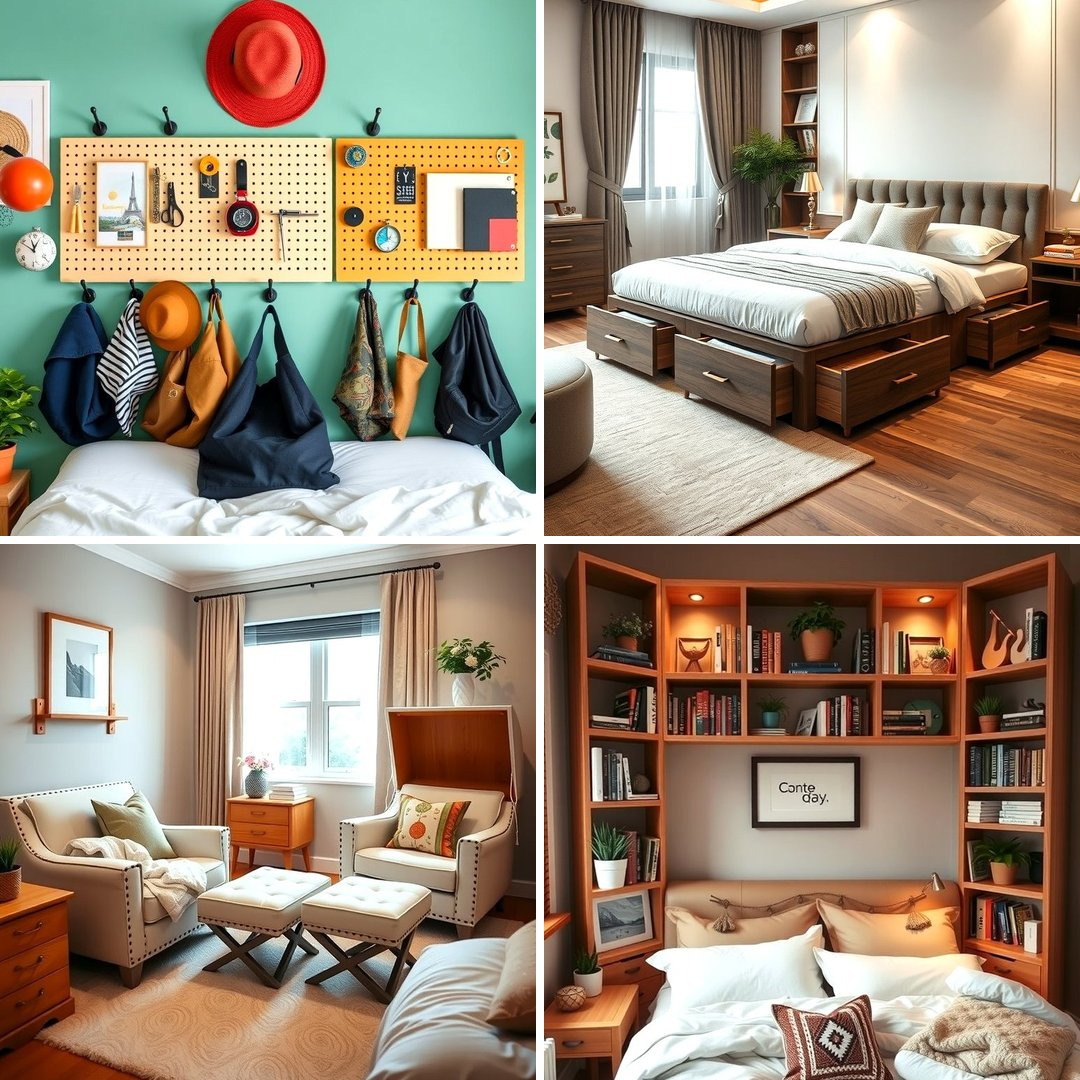
Wall decor also breaks up the monotony of large, blank surfaces. In smaller bedrooms, mirrors can double as art while making the space feel larger and reflecting light. But be mindful of placement. You don’t want to stare at your own reflection while trying to fall asleep. Instead, position mirrors to catch a view of a plant or a nice corner. Shelving is another option. Floating shelves allow you to display books, small plants, or mementos without taking up floor space. It adds vertical interest and draws the eye up, making the ceiling feel higher.
In 2026, there’s a big push against "fast decor." People are holding onto things longer, choosing items with stories. Did you find that vase at a flea market? Does that painting remind you of your grandmother’s house? These connections create a sense of belonging. When you look around your room, you should see pieces of your life. It grounds you. It makes the room feel like it belongs to you, not a catalog. This emotional resonance is what separates a decorated room from a lived-in one.
Functional Serenity Through Storage
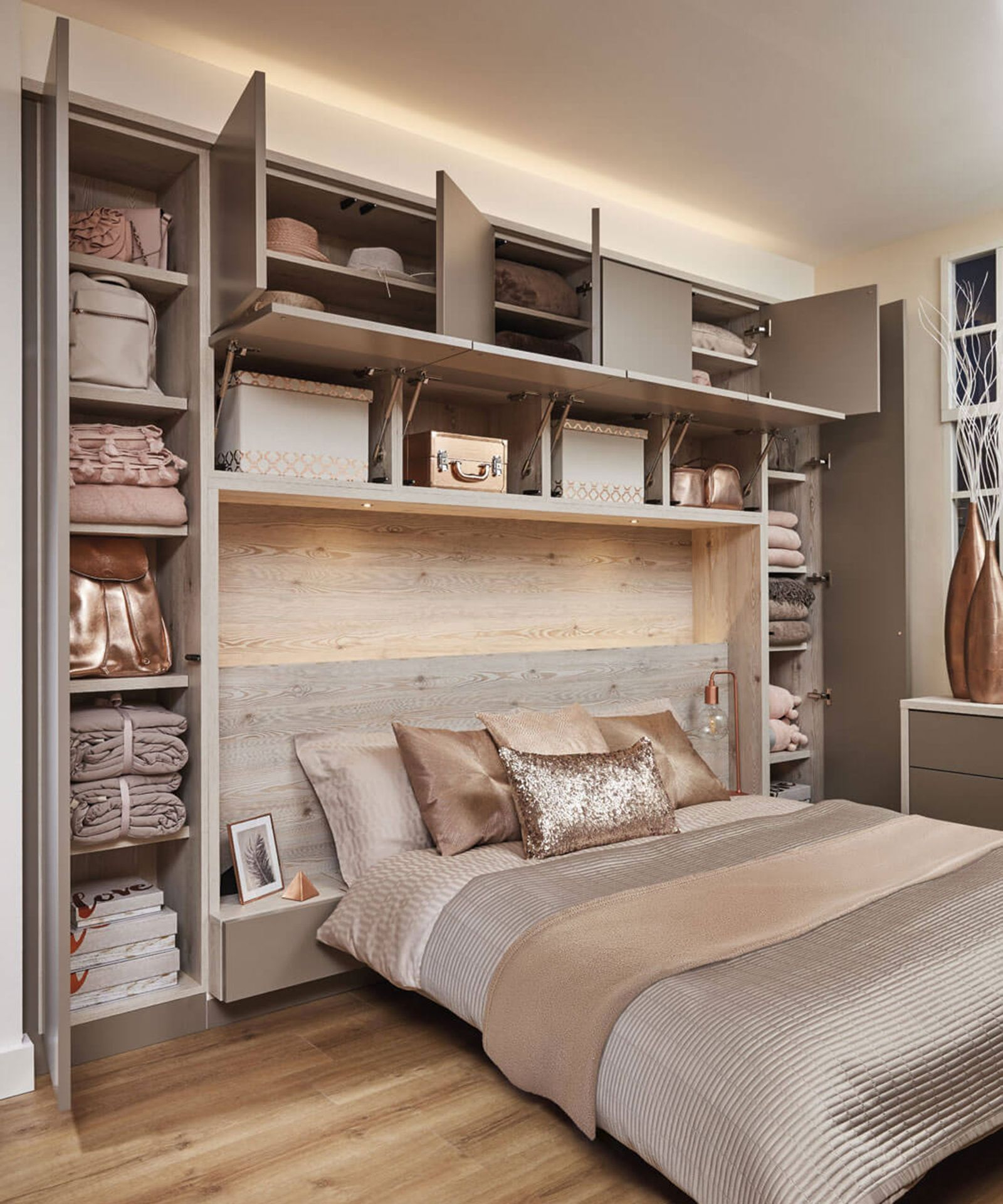
Clutter is the antithesis of calm. You can have the best bed and the prettiest rug, but if there are piles of clothes on a chair or stacks of books on the floor, your brain will register stress. Storage isn’t just about hiding mess; it’s about creating visual silence. A complete bedroom has designated homes for everything. This might mean a dresser with deep drawers, a closet system that actually works, or under-bed storage bins for out-of-season items. The goal is to keep surfaces clear.
Nightstands are prime real estate. They should hold only what you need for your evening routine. A lamp, a book, maybe a glass of water. Everything else should be tucked away. If your nightstand is cluttered with receipts, chargers, and lotions, it creates visual noise right before you sleep. Consider furniture with built-in storage. Ottomans that open up, beds with drawers underneath. These hidden compartments are lifesavers. They allow you to maintain that serene aesthetic without sacrificing practicality.
In recent years, the concept of "visual weight" has gained traction. Heavy, bulky furniture can make a small room feel cramped. Opt for pieces with legs that show the floor underneath. It creates a sense of airiness. Glass or acrylic accents can also help, as they disappear visually. But balance is key. You want enough storage to be functional, but not so much furniture that the room feels like a warehouse. Think edit, not accumulate. Keep only what serves you. Let the rest go. A clear space leads to a clear mind.
Bring the outside in. It sounds cliché, but it works. Humans have an innate connection to nature, known as biophilia. Adding plants to your bedroom isn’t just about decoration; it’s about health and mood. Plants soften the hard lines of furniture and architecture. They add a splash of vibrant green that feels alive. In 2026, indoor gardening is bigger than ever, with low-light tolerant species like snake plants, pothos, and ZZ plants becoming staples in bedrooms. They require minimal care but offer maximum impact.
But it’s not just about live plants. Natural materials matter too. Wood, stone, rattan, clay. These elements bring texture and warmth that synthetic materials lack. A wooden headboard, a clay vase, a rattan basket for laundry. These items age beautifully, developing a patina over time. They remind us of the natural world, which is inherently calming. Studies have shown that being around natural elements can lower blood pressure and reduce anxiety. Why wouldn’t you want that in your sleep sanctuary?
Even the scent of the room plays a role. While not a visual element, it’s part of the sensory experience. Essential oil diffusers with lavender or cedarwood can enhance the feeling of a natural retreat. Fresh air is crucial too. Make sure your windows open. Let the breeze in. The combination of fresh air, greenery, and natural materials creates an ecosystem of calm. It makes the bedroom feel less like a sealed box and more like a breathing part of your home. It’s the final touch that ties everything together.
So, where do you start? You don’t need to overhaul everything at once. Pick one element. Maybe it’s swapping out those harsh lightbulbs for warm ones. Maybe it’s finding a rug that actually fits. Small changes compound. Over time, these layers build up. They create a space that doesn’t just look good, but feels good. A place that supports you. In a world that’s always on, your bedroom should be the place where you can finally switch off. Make it complete. Make it yours.