Ever walked into a room and just felt… cold? Not temperature-wise, necessarily, but soul-wise. It’s that hollow echo when you step inside, the way the light feels harsh rather than welcoming. We’ve all been there. Maybe it’s a new apartment with bare walls, or perhaps your living room has just lost its spark after years of use. In 2026, with housing costs still climbing and many of us spending more time at home than ever before, the need for a sanctuary hasn’t just grown—it’s become essential. But here is the good news: you don’t need a designer’s budget to fix it. You just need a bit of know-how and a willingness to get creative.
The idea that "cozy" equals "expensive" is a myth we need to bust right now. Sure, high-end furniture looks great in magazines, but real comfort? That comes from layers, warmth, and personal touches. It’s about how a space feels, not just how it looks. This year, the trend is shifting away from sterile minimalism toward what experts are calling "warmth maximalism"—not clutter, but curated comfort. It’s accessible. It’s doable. And honestly? It’s kind of fun. Let’s dive into how you can turn any corner of your home into a place that feels like a hug.
Lighting: The Secret Sauce of Atmosphere
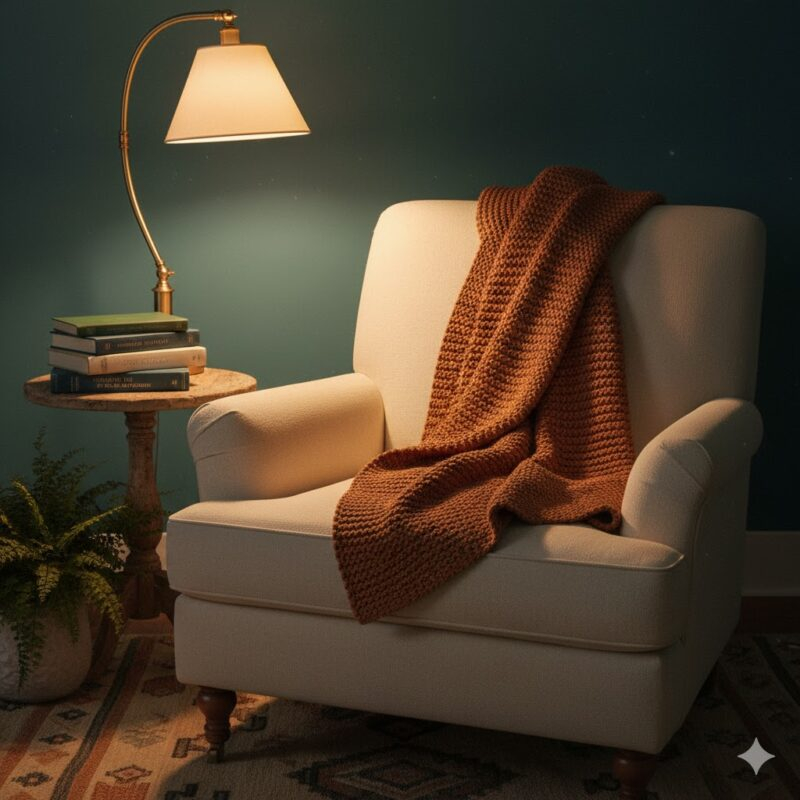
Lighting is probably the single most important factor in how a room feels, yet it’s the one people mess up the most. Overhead lights are the enemy of cozy. They cast shadows upward, making ceilings feel higher and spaces feel colder. If you want snug, you need to bring the light down to eye level. Think floor lamps, table lamps, and even string lights. In 2026, LED technology has gotten so good that you can find bulbs with warm, amber tones that mimic candlelight without the fire hazard. Look for bulbs rated between 2200K and 2700K. Anything higher starts to look like a hospital waiting room.
But it’s not just about the bulb; it’s about the lamp itself. You don’t need to buy new ones. Thrift stores are goldmines for unique bases. A quick coat of paint can modernize an old brass lamp, or you can swap out a dated shade for something textured, like linen or rattan. The goal is diffusion. You want the light to soften as it hits the room, creating pools of warmth rather than flooding the space. Try grouping three light sources in a corner. It creates a vignette, a little stage for relaxation. It draws the eye in and makes the corner feel intentional and safe.
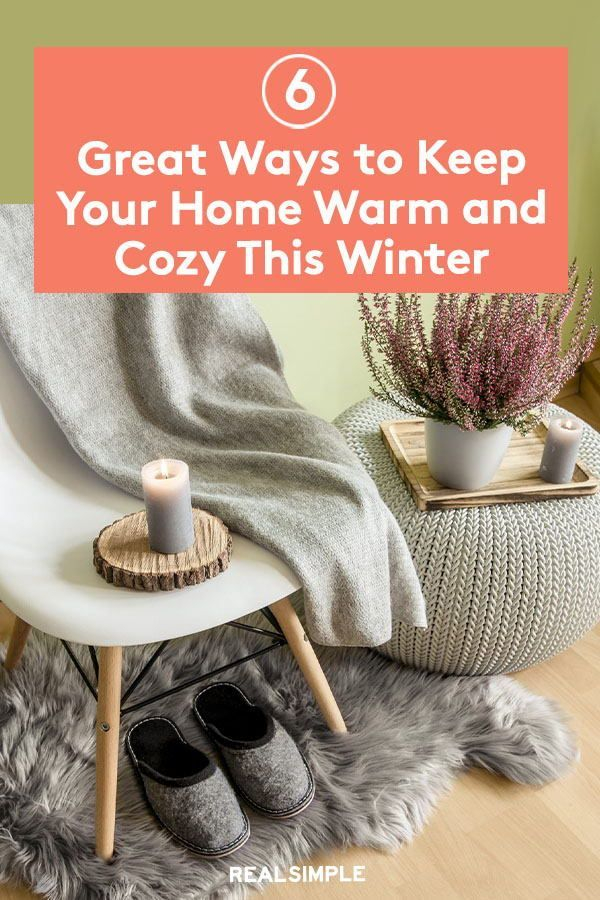
Also, consider the power of dimmers. If you can’t wire one in, there are plug-in dimmer switches available for under twenty bucks. Being able to lower the light as the evening progresses signals to your brain that it’s time to wind down. It’s a small change with a massive psychological impact. And don’t forget candles. Real or flameless, they add a flicker that static light just can’t match. Place them on shelves or coffee tables to break up the monotony of electric light. It’s cheap, effective, and instantly romanticizes the space.
Textiles: Layering for Warmth and Depth
If lighting is the mood, textiles are the body. You can’t have a cozy room without softness. Hard surfaces—wood floors, glass tables, bare walls—reflect sound and light, making a room feel echoey and stark. Textiles absorb both. They dampen the noise and soak up the light, creating a visual and auditory blanket. Start with the floor. Rugs define spaces. Even if you have carpet, adding a layered rug on top adds depth and luxury. Look for natural fibers like wool or jute, which tend to feel warmer underfoot than synthetic blends. In 2026, sustainable materials are huge, so check out recycled cotton rugs. They’re often cheaper and have a great story behind them.
Next, look at your windows. Bare windows feel exposed. Curtains frame the view and add vertical softness. You don’t need heavy, expensive drapes. Simple cotton panels hung high and wide make ceilings look taller and rooms feel grander yet softer. If privacy isn’t an issue, sheer curtains let in diffused daylight, which is much gentler than direct sun. For extra insulation and coziness, consider adding a thermal lining. It keeps the heat in during winter and the cool air in during summer, which is a nice bonus for your energy bill.
Then there’s the stuff you touch. Throw pillows and blankets are the easiest way to change a room’s vibe. Mix textures. If you have a leather sofa, add chunky knit throws and velvet pillows. If you have a fabric couch, try some faux fur or linen. The contrast creates interest. Don’t be afraid of pattern, either. A mix of solids and prints keeps the eye moving. And please, drape that blanket over the arm of the chair. A folded blanket looks staged; a draped one looks lived-in. It invites you to sit down and stay awhile. That’s the whole point, isn’t it?
Color and Paint: Wrapping Walls in Warmth
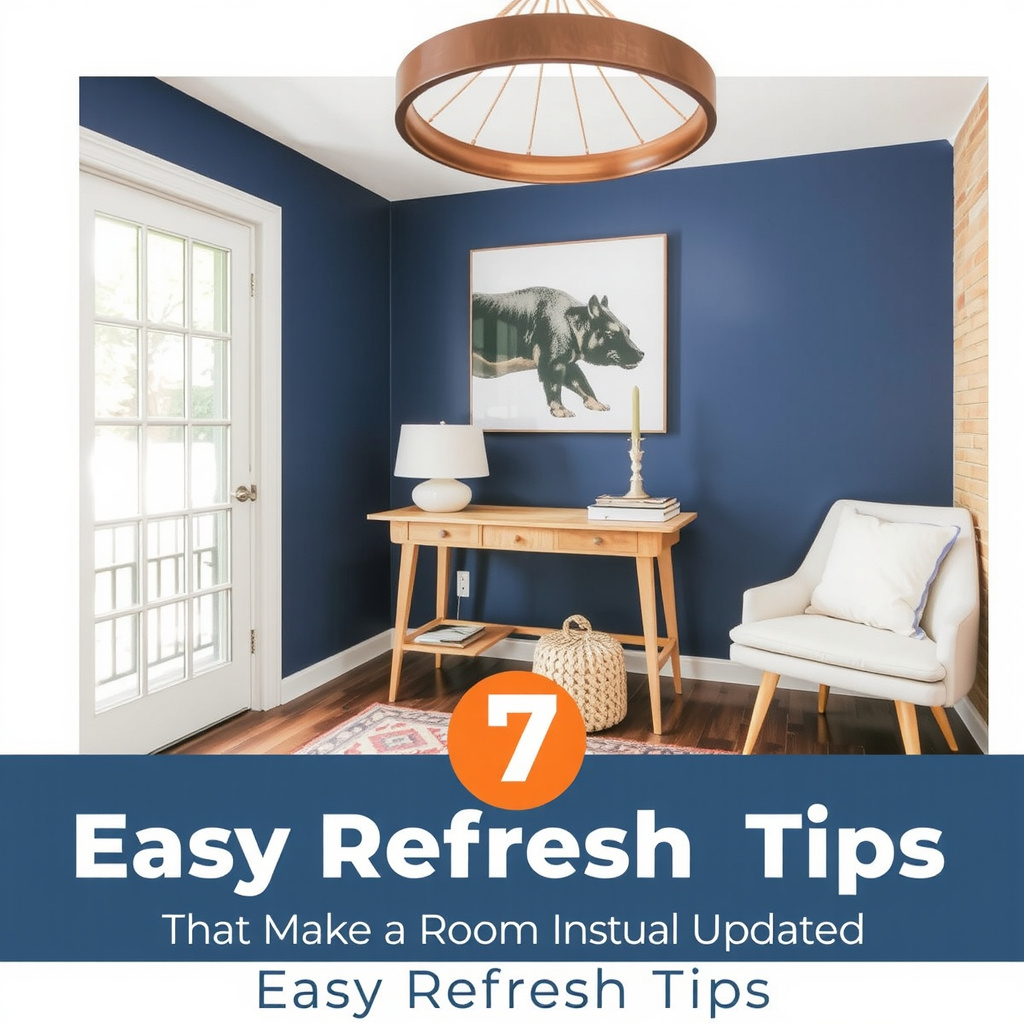
Color psychology is real. Cool blues and grays can feel calm, but they can also feel distant. Warm tones—terracotta, sage green, creamy whites, soft browns—wrap around you. They recede less and embrace more. If you’re renting or can’t paint, don’t worry. There are other ways to introduce color. But if you can pick up a brush, start with an accent wall. You don’t need to do the whole room. One wall in a rich, earthy tone can anchor the space. In 2026, matte finishes are still king for cozy vibes because they don’t reflect light sharply. They look velvety and soft.
White walls aren’t bad, but the wrong white is. Avoid stark, blue-based whites. Go for whites with yellow or pink undertones. They feel creamier and warmer. Test samples on your wall and look at them at different times of day. Light changes everything. A color that looks perfect at noon might look muddy at dusk. Take your time with this. Paint is relatively cheap, but doing it twice is annoying.
If painting isn’t an option, use art and accessories to bring in those warm hues. A large tapestry can cover a whole wall and add both color and texture. Wooden shelves bring in natural warmth. Even books count! A shelf full of colorful spines acts like a mosaic of warm tones. Group items by color to create blocks of warmth. It’s a trick designers use to make small spaces feel cohesive and inviting. The key is intentionality. Don’t just scatter things; curate them. Make every item earn its place by adding to the overall feeling of warmth.
Furniture Arrangement: Creating Intimate Zones
How you arrange your furniture dictates how you move through and feel in a space. Pushing everything against the walls might seem like it opens up the room, but it actually creates a dead zone in the middle. It feels like a dance floor, not a living room. Pull your furniture in. Create conversation areas. Two chairs facing each other with a small table between them feel infinitely more intimate than a sofa and chair separated by ten feet of empty floor. In smaller spaces, this is crucial. You want to create nooks, little pockets of privacy within the larger room.
Use furniture to define zones. A bookshelf can act as a room divider, separating a sleeping area from a living area in a studio apartment. A rug can define a dining space. The goal is to break up the monotony of one big box. When you enter a room with distinct zones, your eye travels from one interesting spot to another. It feels larger because it has more depth, yet each zone feels snug because it’s contained. Think about traffic flow, too. You should be able to walk through without bumping into things, but the path shouldn’t be a straight highway. Meandering paths feel more relaxed.
Don’t underestimate the power of scale. Oversized furniture in a small room can overwhelm it, but tiny furniture in a large room can feel lost and lonely. Aim for balance. If you have a big sofa, pair it with substantial side tables. If you have a small loveseat, keep the surrounding pieces light and airy. In 2026, modular furniture is popular because it allows you to customize the fit. But you don’t need to buy new. Rearrange what you have. Try floating the sofa in the middle of the room with a console table behind it. It creates a backdrop and makes the seating area feel like its own little island.
Personal Touches: The Soul of the Space
A room can have perfect lighting, soft rugs, and warm paint, but if it looks like a showroom, it won’t feel like home. It needs you. Personal items are what make a space inviting because they tell a story. Photos, travel souvenirs, handmade crafts, heirlooms—these things connect you to the space emotionally. Display them prominently. Don’t hide your favorite mug in a cupboard; put it on a shelf. Frame that postcard from your trip to Italy. It doesn’t have to be expensive art. It just has to mean something.
Plants are another huge factor. They bring life into a room. Literally. They improve air quality, yes, but visually, they add organic shapes and vibrant green tones that soften hard edges. If you’re not a plant person, start with snake plants or pothos. They’re nearly indestructible. Fake plants have come a long way, too. High-quality silk plants can look surprisingly real, especially if you dust them regularly. Place them in corners to fill dead space, or on tables to add height.
Books are also decor. Stack them horizontally to create platforms for other objects. Lean framed art against the wall on a shelf for a casual, effortless look. The imperfection is what makes it cozy. Perfection is cold. Messiness, within reason, is warm. It shows that life happens here. So, leave that book on the coffee table. Drape that scarf over the chair. Let the room breathe and evolve with you. It’s your sanctuary, after all. It should reflect who you are, not what a catalog says you should be.
Finally, let’s talk about money. Or rather, saving it. Some of the coziest rooms I’ve seen were put together on a shoestring budget. The secret? DIY and upcycling. Before you buy something new, look at what you have. Can that old wooden crate become a side table? Can those mismatched chairs be painted the same color to unify them? Sanding and staining an old piece of furniture can give it a whole new life. It’s satisfying, too. There’s a pride in using something you restored.
Thrift stores, estate sales, and online marketplaces are treasure troves. You just have to hunt. Look for solid wood pieces. They last longer and can be refinished. Avoid particle board if you can; it doesn’t hold up well to multiple moves or renovations. When you find a gem, clean it up. Replace hardware if needed. New knobs on an old dresser can modernize it instantly. And don’t be afraid to mix eras. A mid-century modern chair looks great next to a rustic farmhouse table. The contrast adds character.
In 2026, sustainability is a major driver in design. Upcycling isn’t just cheap; it’s responsible. It reduces waste and keeps unique pieces out of landfills. Plus, you won’t have the same mass-produced items as everyone else. Your home will be one-of-a-kind. Share your projects with friends. Host a swapping party. Trade that lamp you don’t want for a vase someone else is tired of. It’s a great way to refresh your space without spending a dime. The community aspect adds another layer of warmth to your home. You’re not just decorating; you’re connecting.
Creating a snug, inviting space doesn’t require a renovation crew or a credit card maxed out at a furniture store. It requires attention. It requires noticing how the light falls in the afternoon and adjusting a lamp. It requires feeling the texture of a blanket and deciding it needs a friend. It requires looking at a blank wall and seeing a canvas for your memories. These small acts of care accumulate. They turn a house into a home.
So, start small. Pick one corner. Add a lamp. Throw down a rug. Hang a picture that makes you smile. See how it feels. Then move to the next spot. Let the process be slow and enjoyable. There’s no rush. The goal isn’t to finish; it’s to feel good. And if you slip up? If you buy a pillow that clashes? So what. Move it. Try again. It’s your space. Make it yours. Make it warm. Make it snug. Because in a world that often feels cold and fast, coming home to a room that hugs you back is pretty much the best thing there is.