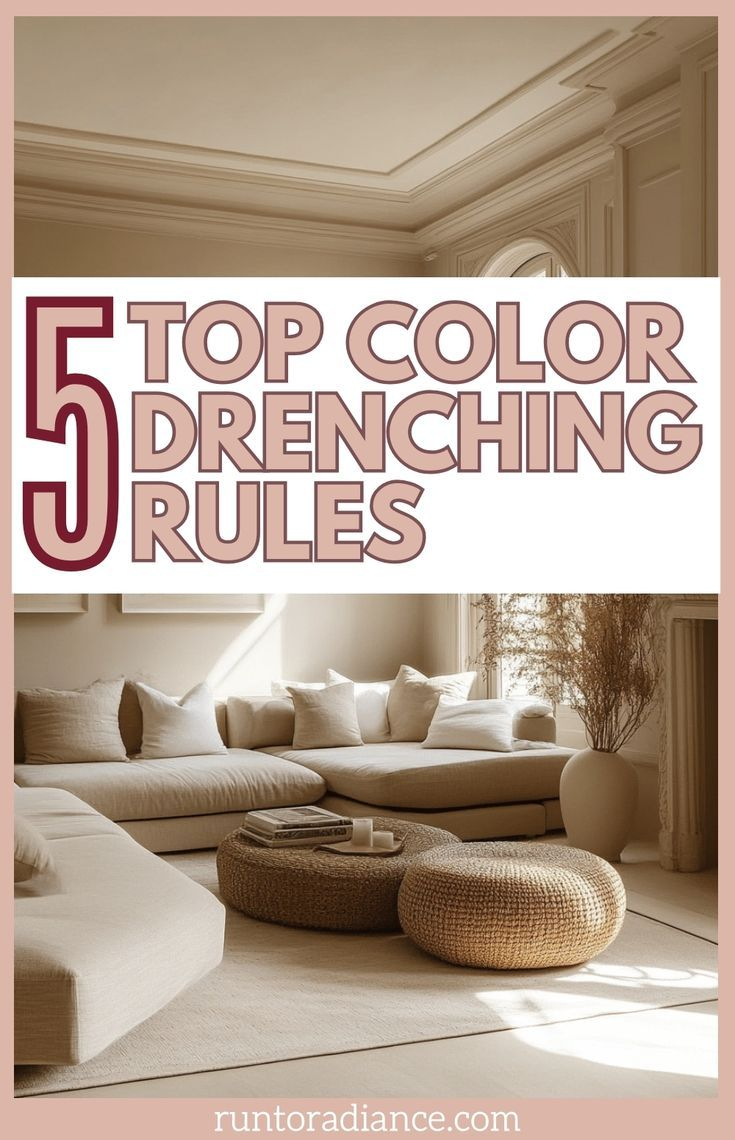
You’ve probably stared at your living room before and thought, something’s missing. The sofa is fine, the rug is decent, and the lighting does its job. But it feels… stiff. Cold. Like a showroom rather than a home. For decades, we were told that modern meant sharp. Clean lines. Right angles. Everything in its box. But look around today. Really look. The edges are blurring. The corners are rounding off. We are witnessing a quiet rebellion against the grid, and it’s happening right in our living rooms.
It’s not just a trend. It’s a shift in how we want to feel when we walk through our front doors. In 2026, the obsession with strict minimalism has softened. We’re trading rigidity for rhythm. Sharp corners are being replaced by gentle sweeps and organic flows. This isn’t about abandoning structure entirely; it’s about making that structure breathe. It’s about creating spaces that don’t just look good in a photograph but feel good to live in. And honestly? It’s about time.
Why We Crave the Curve
Let’s get real for a second. Nature doesn’t do straight lines. Have you ever seen a tree branch grow at a perfect ninety-degree angle? Or a river flow in a straight line from source to sea? No. Nature is all about curves, waves, and irregular shapes. For years, our homes fought against this instinct. We built boxes and filled them with more boxes. But humans are biologically wired to respond to organic forms. It’s called biophilic design, and it’s not just a buzzword. It’s science.
When we surround ourselves with curved shapes, our brains relax. There’s less visual noise. A sharp corner can subconsciously signal danger or abruptness, while a curve suggests safety and continuity. That’s why the resurgence of modernist curves feels so comforting. It’s a nod to the hills, rivers, and shells we love. It brings a sense of calm and harmony into the home that stark minimalism often lacks. In a world that feels increasingly chaotic and digital, our homes are becoming our sanctuaries of softness.
This craving isn’t new, but its expression in 2026 is distinct. We aren’t just adding a round pillow to a square couch. We are rethinking the entire skeleton of our spaces. From arched doorways to kidney-bean-shaped islands, the curve is becoming the primary language of comfort. It’s a way to soften the blow of modern life. When everything outside is hard and fast, coming home to something soft and slow makes a profound difference. It’s emotional architecture.
Architecture That Flows
The change starts with the bones of the house. Traditional modernism loved the orthogonal. Walls met floors at sharp angles. Hallways were straight tunnels. But contemporary architects are breaking these rules. They are designing walls that curve gently, guiding you through a space rather than forcing you down a corridor. This creates a sense of movement. You don’t just walk through a room; you flow through it.
Consider the luxury homes popping up in design hubs lately. They aren’t defined by their square footage alone but by their organic flow. Replacing sharp angles with sculptural curves creates homes of rare beauty. An arched entryway doesn’t just look elegant; it changes the way light hits the floor. It softens the transition from outside to inside. Curved ceilings can make a room feel taller and more expansive without adding a single inch of height. It’s an illusion, sure, but a powerful one.
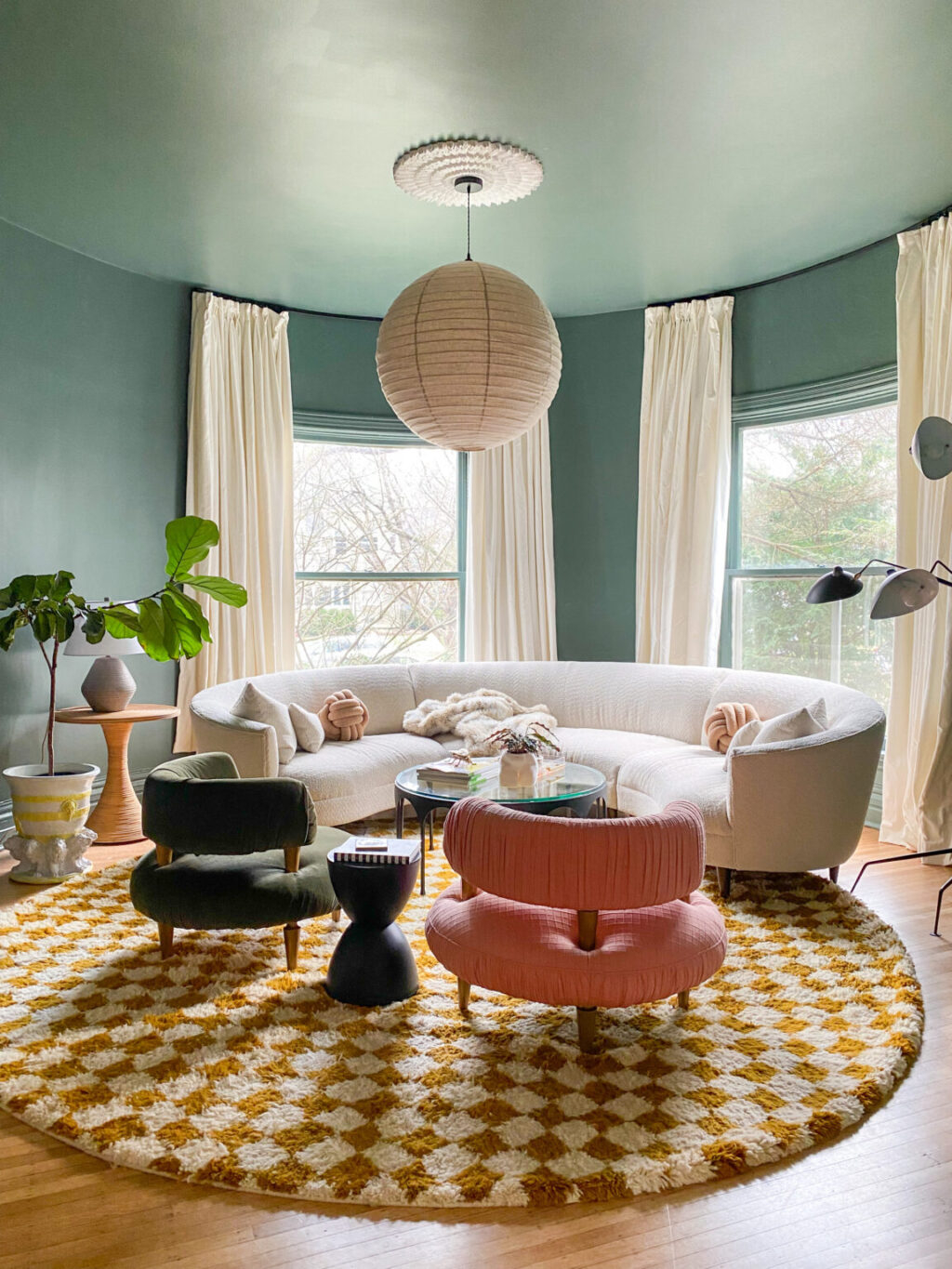
This approach also solves practical problems in open-concept living. In big, boxy rooms, it’s hard to create distinct zones without building walls. But a curved sofa or a rounded rug can define a seating area without blocking sightlines. It keeps the space airy while giving it structure. As we move further into 2026, we’re seeing this in multifunctional spaces too. A curved desk nook in a bedroom feels less like an office and more like a cozy retreat. The architecture itself becomes furniture, and the furniture becomes part of the architecture.
The Rise of Sculptural Furniture
If architecture is the skeleton, furniture is the muscle and skin. And right now, the muscles are getting softer. Gone are the days when a chair had to be purely functional and angular. Today’s furniture is sculptural. It’s art you can sit on. Designers are crafting pieces that look like they were carved by wind or water. Think of sideboards with wave-textured fronts or consoles with rounded, pebble-like legs. These aren’t just objects; they’re statements.
This shift redefines what high-end design means. Luxury isn’t about gold plating or rare woods anymore. It’s about form. It’s about the elegance of a seamless curve. Clean, minimal lines are giving way to a new softness. A rounded velvet armchair invites you to sink in. A circular dining table encourages conversation because everyone is equidistant from the center. There are no heads of the table, no corners to bump your shin on. It’s democratic design.
But it’s not just about looks. Sculptural furniture plays a crucial role in balancing structured architecture. If you have a room with high, straight walls, a curvy sofa breaks up the monotony. It adds visual interest without clutter. In 2025 and 2026, we’ve seen a huge spike in demand for these organic shapes. People are tired of mass-produced, boxy IKEA-style furniture. They want pieces that feel unique, handcrafted, and alive. Even if they’re machine-made, they’re designed to look organic. It’s a blend of modern manufacturing and ancient aesthetics.
Texture and Material Harmony
Curves don’t exist in a vacuum. They need the right materials to sing. You can’t have a soft, flowing shape made of cold, hard chrome. It just doesn’t work. The rise of organic shapes has brought with it a revival of warm, tactile materials. Wood, stone, clay, and fabric are taking center stage. These materials complement the curves, enhancing their natural feel. Imagine a curved wooden bench with a smooth, oiled finish. It begs to be touched.
Earthy textures are key to the "Organic Modern" trend that dominated 2025 and continues strong in 2026. Rough-hewn stone paired with a smooth, curved plaster wall creates a beautiful contrast. It’s about balance. Too much smoothness can feel sterile. Too much roughness can feel chaotic. The magic happens in the middle. A bouclé fabric on a curved sofa adds depth. A rattan light fixture with a rounded form adds warmth. These textures make the space feel grounded.
Lighting plays a huge role here too. Harsh, direct lighting kills the vibe of a curved space. Instead, designers are using soft, diffused light. Pendant lights with organic, blob-like shapes cast gentle shadows that accentuate the curves of the room. Floor lamps with arched necks mimic the lines of the furniture. It’s a holistic approach. Every element, from the rug to the bulb, works together to create a cohesive, soothing environment. It’s not just decoration; it’s atmosphere.
Psychological Impact and Wellbeing
Let’s talk about mood. Does your home make you feel anxious or at peace? For many, the answer used to be a mix of both. Cluttered, sharp spaces can increase cortisol levels. They keep your brain on alert. But curved spaces do the opposite. They lower stress. Studies have shown that people spend more time in rooms with curved furniture. They linger. They relax. It’s a subtle psychological trick, but it works.
In 2026, mental health is a major driver of design choices. We aren’t just decorating for guests; we’re decorating for ourselves. Curves naturally invite relaxation. They echo nature’s forms, which our brains recognize as safe. This is why biophilic design is so effective. It connects us to the natural world, even when we’re indoors. A curved wall might remind you of a cave, a place of shelter. A flowing rug might remind you of a stream, a source of life. These associations are deep-seated.
This focus on wellbeing extends to how we use our spaces. With more people working from home, the line between office and living room has blurred. A curved desk or a rounded reading nook helps separate work from rest without physical barriers. It creates mental boundaries. When you sit in a sculptural chair, you’re signaling to your brain that it’s time to unwind. It’s a small change, but it has a big impact on daily life. Our homes are becoming tools for healing, not just shelters.
Practical Tips for Embracing Soft Geometry
So, how do you bring this into your own home? You don’t need to knock down walls or buy a new house. Start small. Look at your biggest piece of furniture. Is it a boxy sectional? Consider swapping it for something with rounded arms or a curved back. If that’s too big a step, add a round rug. It instantly softens a rectangular room. Mirrors are another easy win. A large, oval mirror reflects light in a softer way than a square one.
Pay attention to your accessories. Swap out square throw pillows for round ones. Choose vases with organic, irregular shapes instead of perfect cylinders. Art matters too. Hang pieces with flowing lines or abstract curves. These small changes add up. They create a rhythm in the room. Don’t be afraid to mix shapes either. A round table with rectangular chairs can work if the chairs have curved backs. It’s about balance, not purity.
Lighting is the easiest fix. Replace harsh overhead lights with floor lamps that have curved stands. Use bulbs with a warmer temperature. And don’t forget plants. Nothing says organic like actual organic matter. A tall, leafy plant in a curved pot brings life to a corner. It bridges the gap between the designed curve and the natural curve. Remember, this isn’t about following a rulebook. It’s about listening to your instincts. If a space feels too hard, soften it. If it feels too chaotic, ground it with a solid, curved piece. Trust your eyes.
As we settle into 2026, it’s clear that the era of the rigid box is over. We’re moving toward a design language that values emotion as much as function. Soft geometry isn’t just a aesthetic choice; it’s a lifestyle choice. It’s about creating homes that nurture us. Homes that flow. Homes that feel like a deep breath after a long day. The curves aren’t just decorative; they’re essential.
This shift doesn’t mean we’re abandoning modernism. We’re evolving it. We’re taking the clarity and simplicity of modern design and infusing it with warmth and humanity. It’s the best of both worlds. Clean, but not cold. Simple, but not sterile. Structured, but not stiff. This new elegance is accessible to everyone. You don’t need a mansion to enjoy the benefits of a curved line. You just need to be willing to let go of the corner.
So, take a look around your space. Where can you add a little softness? Where can you introduce a curve? It might be a new chair, a different lamp, or just rearranging what you already have. The goal isn’t perfection. It’s connection. Connect with your space. Connect with the materials. Connect with the feeling of calm that comes when you stop fighting the angles and start flowing with them. Your home should be your sanctuary. Make it soft. Make it yours.