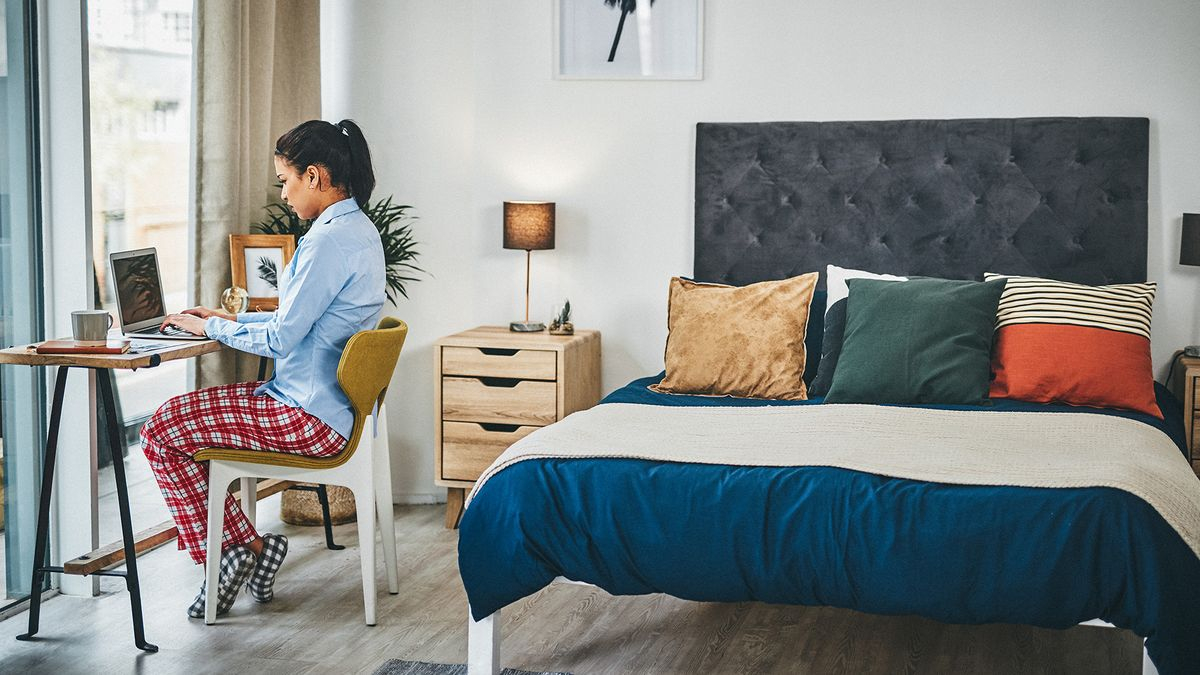
Ever walked into a bedroom so small you felt like you were holding your breath? It’s a weird feeling. You want it to look like a magazine spread—clean lines, soft textures, that effortless "modern" vibe—but you also need to actually sleep there without banging your shin on a nightstand or waking up with a backache from a mattress that’s too firm because it was the only one that fit. It feels like a compromise, doesn’t it? Like you have to choose between looking good and feeling good.
But here is the thing about small spaces in 2026: we are done with choosing. The average bedroom size has shrunk by about 15% in new builds over the last decade, according to recent housing studies. That’s a fact. But that doesn’t mean our comfort levels have to drop. In fact, some of the most luxurious, restful rooms I’ve seen lately are the tiniest ones. Why? Because when you have less room, you pay attention to every single inch. You stop buying junk. You start thinking about how your body moves through space.
This isn’t just about cramming a bed into a corner. It’s about ergonomics—the science of how we interact with our environment—meeting aesthetics head-on. It’s about creating a sanctuary that supports your spine while soothing your soul. And guess what? You can do both. You don’t need a mansion. You just need a plan. Let’s talk about how to make your small modern bedroom work for you, not against you.
The Foundation: Choosing the Right Bed Frame
Let’s start with the elephant in the room. Or rather, the bed in the room. In a small space, the bed is everything. It takes up the most floor area, so it dictates the flow of the entire room. A lot of people think "modern" means a low-profile platform bed with no storage. That looks cool, sure. But if you live in a studio or a tiny apartment, where do your extra blankets go? Where do the off-season clothes hide?
Here is the ergonomic twist: visual clutter causes mental stress. If your room is messy because you have nowhere to put things, your brain doesn’t relax. So, the aesthetic choice of a clean, minimalist room actually depends on the ergonomic function of hidden storage. Look for bed frames with built-in drawers that glide smoothly. Not those cheap ones that stick and require you to kick them open. We are talking about soft-close mechanisms. Why? Because bending down and yanking a drawer strains your lower back. A smooth glide respects your body.
Also, consider the height. A bed that is too low forces you to squat deeply to get in and out, which can be tough on knees and hips, especially as we age. A bed that is too high makes you feel like you’re climbing into a truck. The sweet spot? The top of the mattress should be roughly at knee height when you stand next to it. This allows you to sit on the edge to put on socks or shoes without straining. You can find modern frames that offer this perfect height while still looking sleek and floating. It’s a balance. You want the visual lightness of a modern design but the physical support of thoughtful engineering.
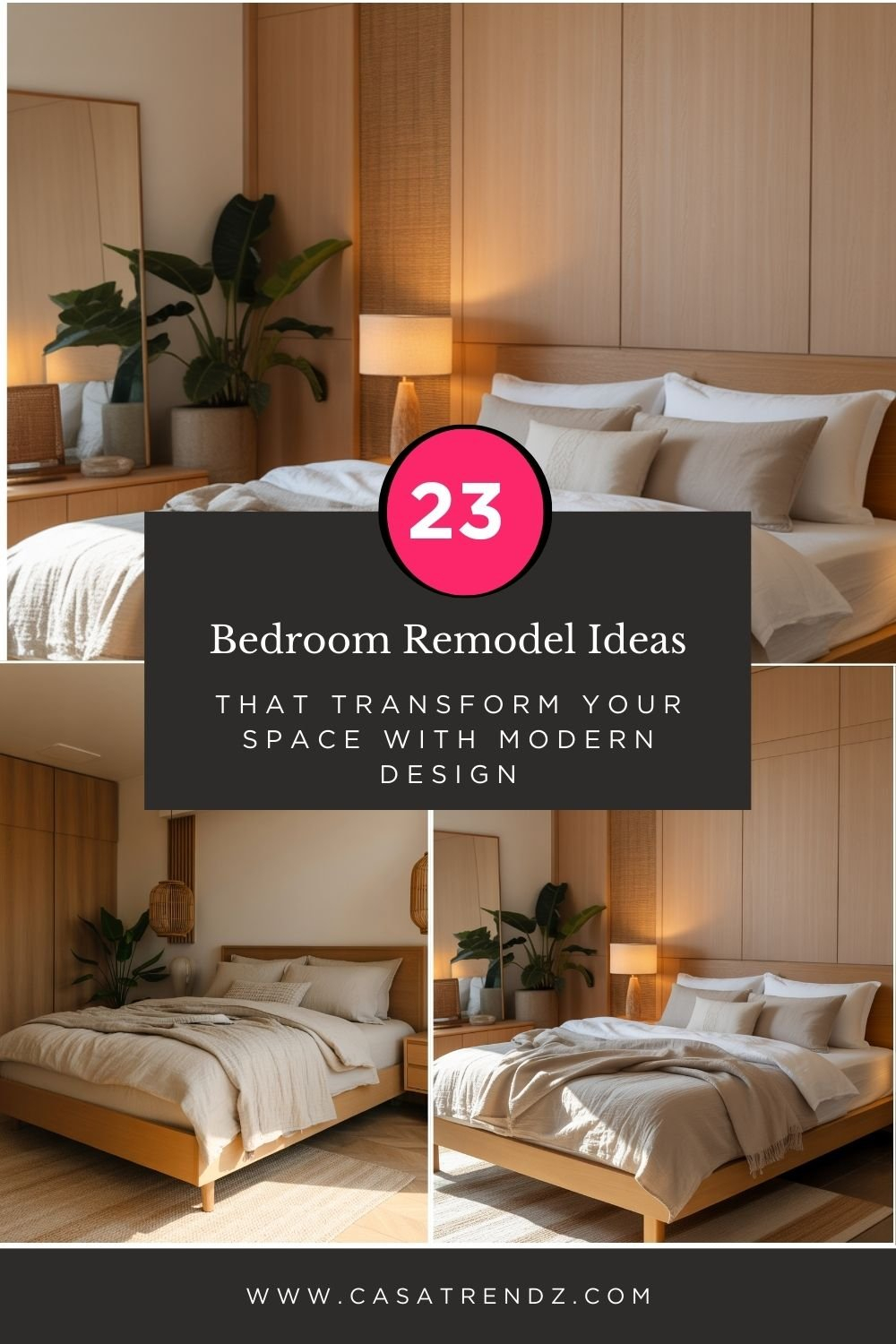
Don’t forget the headboard. In a small room, a thick, upholstered headboard can eat up precious inches. But sleeping with your head against a cold wall is uncomfortable and chilly. Try a slim, padded headboard that attaches directly to the wall or the frame. It provides lumbar support if you like to sit up and read (ergonomics!) and adds a touch of texture and warmth (aesthetics!). Choose a fabric that is easy to clean, because in a small space, everything gets touched more often. See? Function and form, dancing together.
Lighting Layers: Seeing Well Without Feeling Crowded
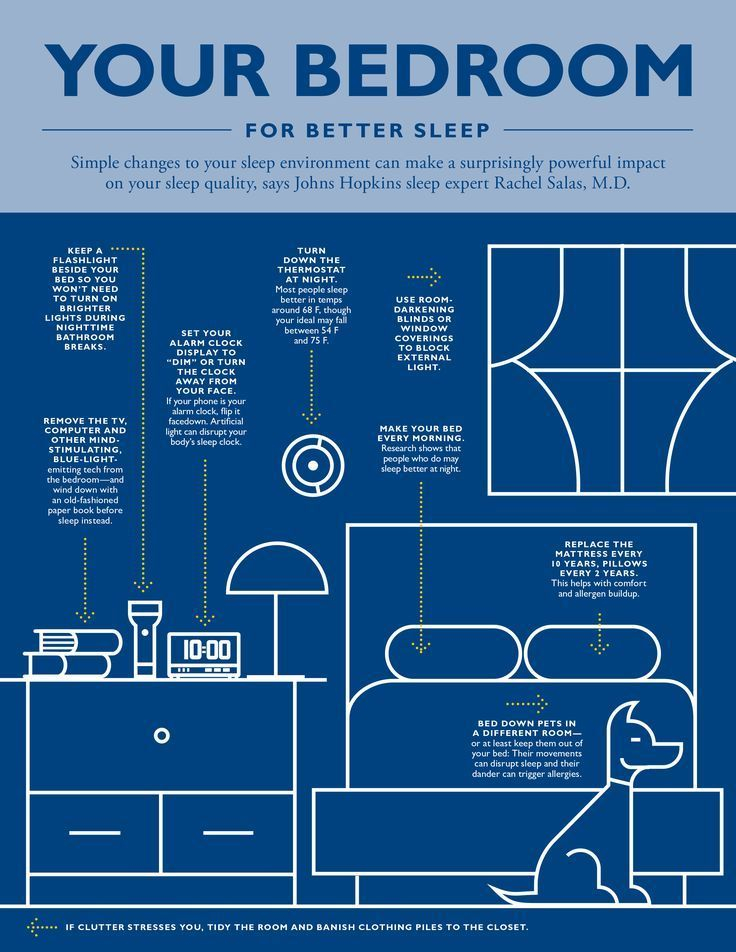
Lighting is usually an afterthought. People slap a ceiling fixture in the center and call it a day. In a small bedroom, that is a mistake. A single overhead light creates harsh shadows and makes the room feel smaller and boxier. It’s also terrible for your eyes if you’re trying to read or wind down. Ergonomically, we need light where we need it, at the right intensity. Aesthetically, we want glow, not glare.
Think in layers. First, ambient light. This is your general illumination. Instead of a bulky chandelier, use recessed lighting or a slim track system. If you can’t do hardwired changes, a flush-mount ceiling fixture with a dimmer switch is key. Dimmers are non-negotiable. They let you adjust the light to your circadian rhythm, helping your body prepare for sleep. That’s pure ergonomics.
Second, task lighting. This is for reading, applying makeup, or finding that lost earring. In a tiny room, table lamps take up valuable nightstand real estate. So, go vertical. Wall-mounted sconces with adjustable arms are fantastic. They free up surface space (aesthetic win) and allow you to direct light exactly where you need it without straining your neck or eyes (ergonomic win). Look for ones with swing arms so you can pull the light closer when reading and push it away when you’re done.
Third, accent lighting. This is the magic stuff. LED strips under the bed frame or behind the headboard create a floating effect. It makes the heavy furniture look lighter, which opens up the visual space. It also provides a gentle nightlight so you don’t stub your toe when getting up for water. No one likes stubbing their toe. It’s painful and ruins the vibe. By using low-level, warm-toned accent lights, you guide your movement safely through the dark room. It’s subtle, but it makes a huge difference in how safe and comfortable the space feels.
And please, watch the color temperature. Stick to warm whites (2700K to 3000K) for bedrooms. Cool blue light tricks your brain into thinking it’s daytime, messing with your sleep quality. Good sleep is the ultimate ergonomic goal. So, let the lighting do its job quietly and beautifully.
Vertical Storage: Reaching Up to Free Up Floor Space
When you run out of floor space, look up. It’s cliché advice, but it works. However, there is an ergonomic trap here. If you put everything high up, you’re constantly stretching, climbing, and straining. That’s not sustainable. The goal is to use vertical space smartly, keeping frequently used items within easy reach and rarely used items higher up.
Built-ins are the gold standard here. A floor-to-ceiling wardrobe or shelving unit draws the eye upward, making the ceiling feel higher and the room larger. That’s the aesthetic benefit. But inside, it needs to be organized for your body. Keep the middle section—eye level to waist level—for your daily clothes. This is your "prime real estate." You shouldn’t have to bend or stretch to get your jeans. Drawers at waist height are easier on the back than shelves, because you can pull them out and see everything at once. No digging required.
For items you use less often, like winter coats or extra linens, use the upper shelves. But don’t just toss them up there. Use labeled bins with handles. Handles matter. Trying to grip a smooth plastic box with sweaty hands is annoying and slippery. A good handle lets you lift with your legs, not your back. It’s a small detail, but it matters.
Another trick: mirrors. A large mirror on a closet door or a full-length mirror on the wall does two things. Visually, it doubles the sense of space, reflecting light and views. Ergonomically, it lets you check your outfit without having to cram a full-length mirror into the middle of the room. Just make sure the mirror is positioned so you can see yourself fully without tilting your head awkwardly. If you have to crane your neck to see your shoes, it’s too high. Adjust it. Your neck will thank you.
Avoid open shelving for everything. Open shelves collect dust and look cluttered fast. In a small room, visual noise is exhausting. Mix closed cabinets with open display areas. Hide the messy stuff. Show off the pretty books or a plant. This balance keeps the room feeling calm and ordered. A calm room leads to a calm mind. And a calm mind sleeps better.
Color and Texture: Creating Depth in a Compact Box
White walls are safe. Everyone says paint small rooms white to make them bigger. And yeah, it works. But it can also feel sterile and cold. Like a hospital room. You don’t want to sleep in a clinic. You want to sleep in a cocoon. So, how do you add personality without shrinking the space?
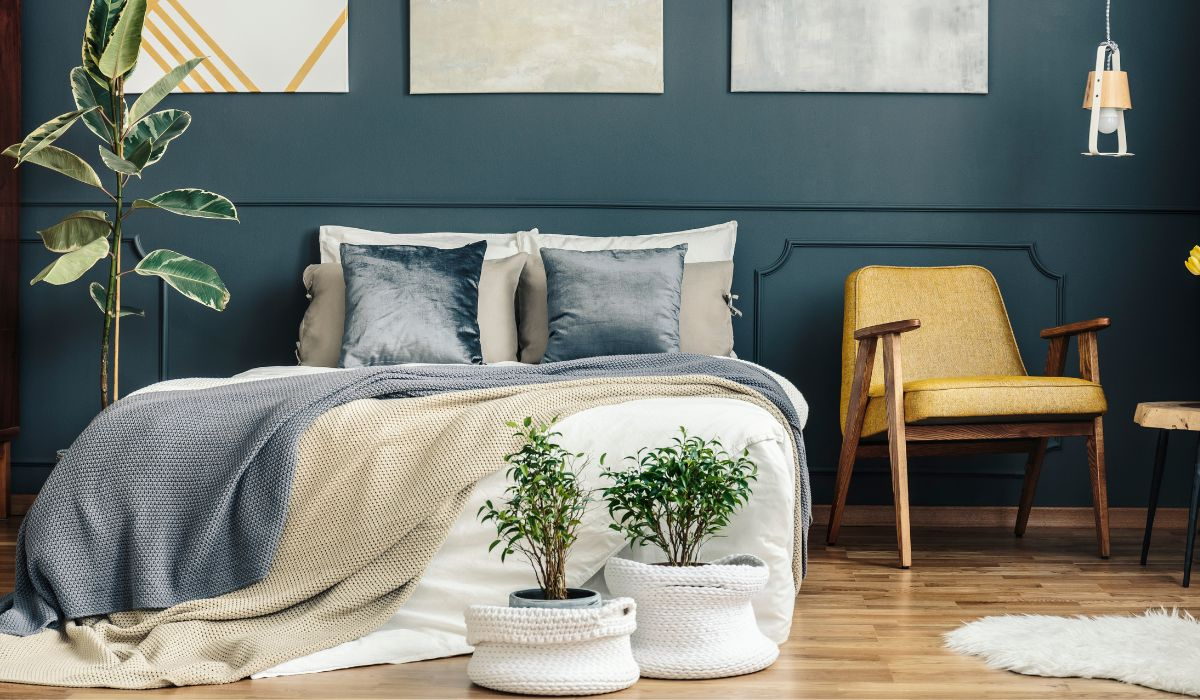
The answer is tone-on-tone. Instead of stark white, try warm creams, soft grays, or muted sage greens. These colors recede visually, keeping the room feeling airy, but they add warmth and depth. When everything is the same color family, your eye glides across the room without stopping. This creates a sense of flow. Contrast, on the other hand, chops up the space. A dark accent wall in a tiny room can feel like it’s closing in on you. Save the bold colors for accessories that can be moved.
Texture is your secret weapon. Since you can’t use a lot of pattern or color variation, use material variation. Think about the feel of things. A chunky knit throw blanket against a smooth linen duvet. A wool rug on hardwood floors. A velvet pillow against a leather headboard. These differences add richness and interest without adding visual bulk. They invite you to touch, to relax, to sink in. That tactile experience is part of the ergonomic comfort of the room. It signals to your brain that this is a soft, safe place.
Don’t forget the floor. A rug defines the space. In a small bedroom, make sure the rug is big enough. A tiny rug floating in the middle of the room makes the space look disjointed and smaller. Ideally, the rug should extend under the bed and out a few feet on the sides. This anchors the furniture and creates a unified zone. It also feels nice underfoot when you step out of bed. Cold feet are not ergonomic. Warm feet are happy feet.
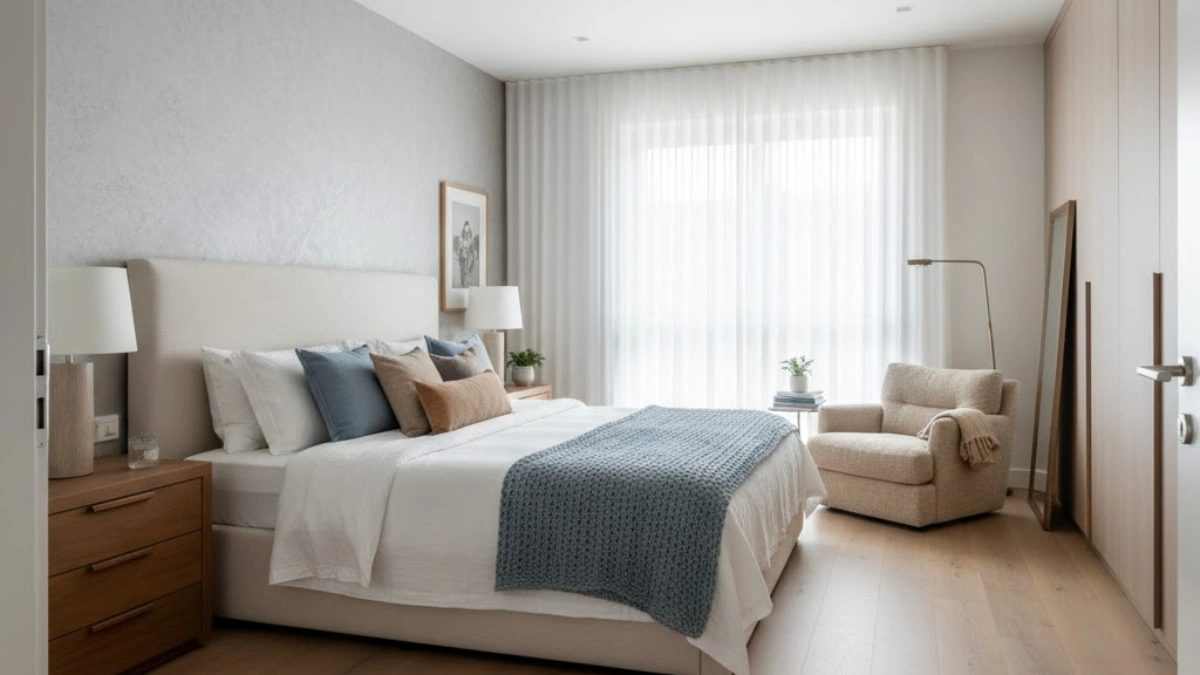
And keep the window treatments simple. Heavy, bulky curtains weigh down a small room. Use sheer panels or lightweight linen drapes that hang from ceiling to floor. Hanging them high makes the windows look taller. Letting natural light flood in is the best way to make a space feel open. Natural light boosts mood and regulates sleep cycles. It’s the ultimate free upgrade. So, don’t block it with heavy fabrics. Let the light in. Let the air in. Let the room breathe.
Furniture Scale and Flow: Navigating the Narrow Paths
You can have beautiful furniture, but if you can’t walk around it, it’s useless. In a small bedroom, circulation space is critical. You need clear paths to move through. The general rule is to leave at least 24 to 30 inches of walking space around the bed and in front of closets. This might seem like a lot in a tiny room, but it’s necessary for comfort. If you have to squeeze sideways to get to the bathroom, you’re going to feel cramped and anxious every single day.
Choose furniture with legs. Sofas, chairs, even dressers with raised bases. Why? Because seeing the floor continue underneath the furniture makes the room feel larger. It creates visual continuity. A solid block of wood sitting on the floor stops the eye and feels heavy. Legs create airiness. It’s a simple visual trick that has a big impact. Plus, it makes cleaning easier. Dust bunnies love hiding under solid bases. Nobody wants to drag a heavy dresser to clean.
Scale matters. Don’t put a king-sized bed in a 10×10 room if you can avoid it. It leaves no room for anything else. A queen or even a full-size bed might be more appropriate. It’s better to have a slightly smaller bed and enough room to move than a huge bed that traps you. If you need the extra sleeping space, consider a Murphy bed (wall bed) that folds up during the day. Modern Murphy beds are sleek and can include desks or shelving on the front. This transforms the room from a bedroom to an office or lounge during the day. It’s the ultimate space-saver.
Nightstands are another tricky spot. Traditional nightstands are wide and deep. In a small room, they block flow. Try floating shelves instead. They attach to the wall and take up zero floor space. You can still put your phone, glasses, and water there. Or, use a narrow console table behind the headboard if the bed is not against a wall. Get creative. The goal is to keep the floor clear. A clear floor means a clear mind. It reduces the cognitive load of navigating a cluttered space.
Also, think about multi-functional pieces. An ottoman that opens for storage and serves as a seat. A desk that folds down from the wall. Every piece should earn its keep. If it only does one thing, can it do two? If not, does it bring you enough joy to justify the space it takes? Be ruthless. In a small room, every item has a cost. Make sure the value outweighs the cost.
Finally, remember that this is your room. It’s not a showroom. It’s where you start and end your day. It needs to reflect who you are. But in a small space, personalization can quickly turn into clutter. How do you add soul without adding stuff?
Curate, don’t accumulate. Pick a few meaningful items and give them space to shine. One great piece of art is better than ten small posters taped to the wall. A single healthy plant brings life and improves air quality. Plants are ergonomic in their own way—they clean the air and reduce stress. Just make sure you choose low-light varieties if your room is dark. Snake plants or pothos are tough and forgiving.
Use your senses. Scent is powerful. A diffuser with lavender or cedar can signal to your brain that it’s time to rest. Sound matters too. If you live in a noisy city, consider acoustic panels or heavy rugs to dampen sound. A quiet room is a restful room. Silence is a luxury. Protect it.
Keep surfaces clear. This is the hardest part. We all have stuff. Keys, receipts, chargers. Create a "landing zone" outside the bedroom if possible, or a small tray on a dresser for daily items. Don’t let the nightstand become a dumping ground. Charge your phone in another room if you can. It helps with sleep hygiene and keeps the cords away. Cords are visual chaos. Hide them. Use cable clips or sleeves. Clean lines promote calm thoughts.
And be flexible. Your needs change. Maybe you work from home now. Maybe you have a new partner. Maybe you just decided you hate the color beige. That’s okay. The beauty of a well-designed small space is that it’s easy to tweak. Swap the pillows. Change the art. Move the rug. Keep the bones solid—the bed, the storage, the lighting—and play with the accessories. This keeps the room feeling fresh and alive.
Living small doesn’t mean living less. It means living with intention. Every object, every color, every light source has a purpose. It supports your body and lifts your spirit. That’s the balance. It’s not about perfection. It’s about creating a space that feels like a hug. A tight, efficient, beautiful hug.
So, take a look at your room. What’s bothering you? Is it the light? The clutter? The back pain? Start there. Fix one thing. Then another. Slowly, you’ll build a space that works for you. A space that looks good and feels even better. And isn’t that what home is supposed to be?