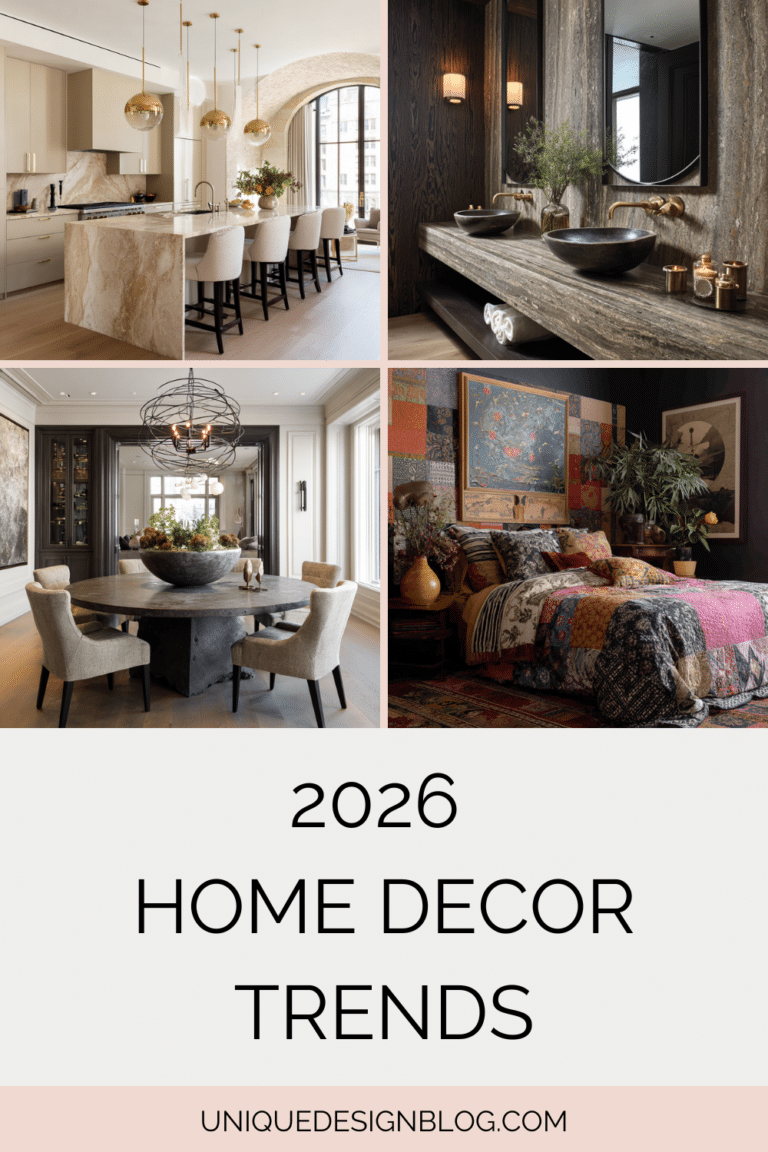
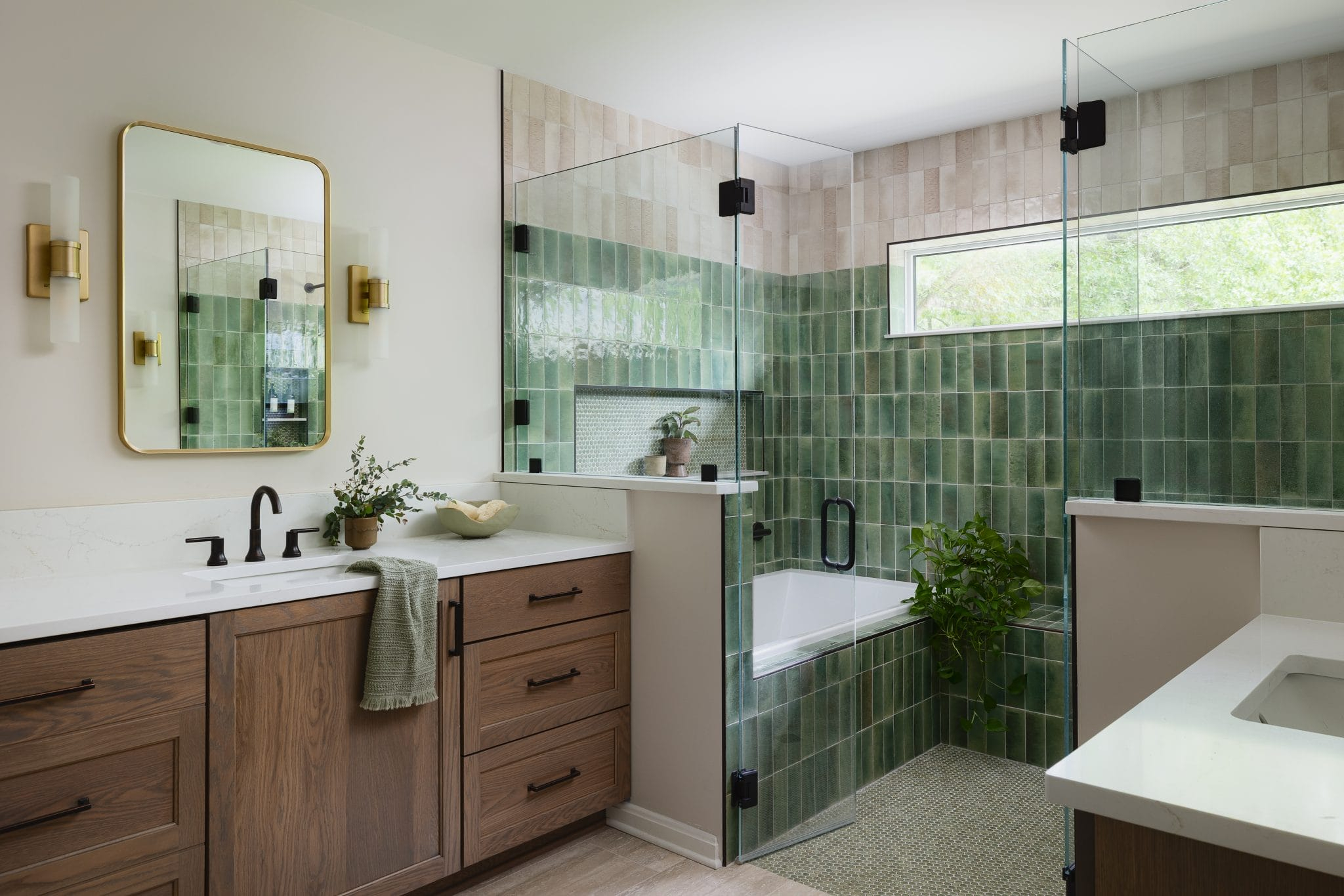
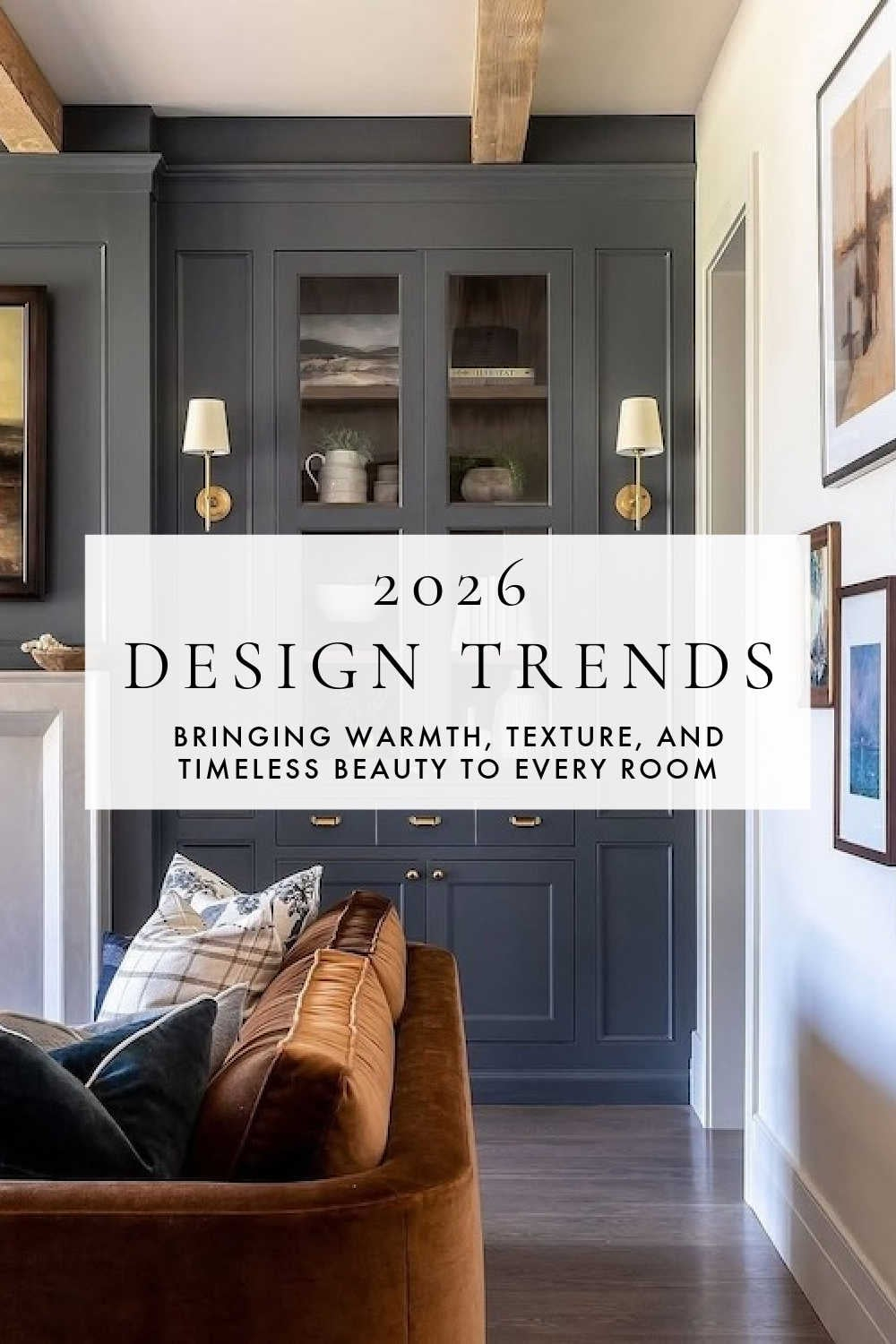
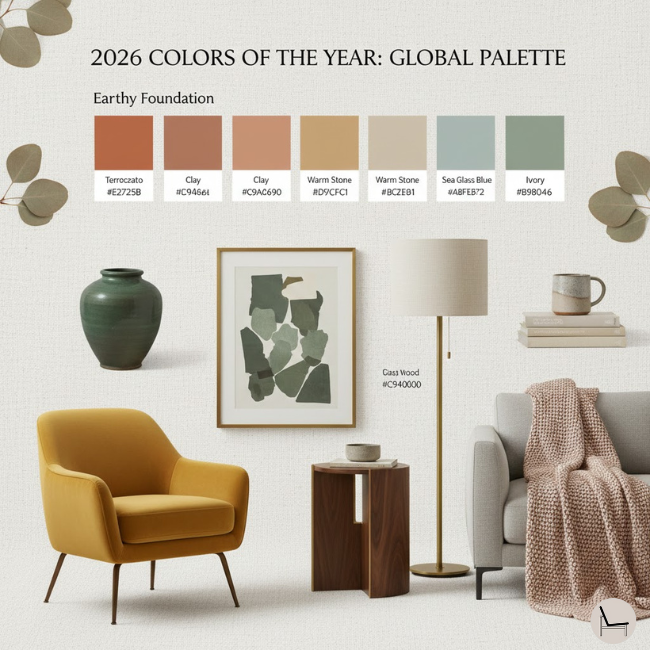
You know that feeling when you walk into a room and it just… fits? It’s not too stiff, like a museum exhibit you’re afraid to touch. But it’s not so stark and minimal that you feel like you’re living in a waiting room. It feels like home. Warm, inviting, but also put-together. That’s the magic of transitional design. It’s been around for a while, sure, but in 2026, it’s not just surviving. It’s thriving.
Why? Because people are tired of choosing sides. For years, we were told we had to pick a lane. Are you traditional? Do you love heavy wood and ornate details? Or are you modern? Do you prefer cold steel and empty space? Most of us don’t live in those extremes. We live in the middle. We want our grandmother’s china cabinet to look good next to a sleek, low-profile sofa. We want comfort without sacrificing style. And honestly, who has the energy to redecorate every three years when a new trend pops up on social media? Nobody. That’s why this style sticks around. It’s the design equivalent of a really good pair of jeans. It just works.
The Great Debate: Traditional Meets Modern
Let’s get one thing straight. Transitional isn’t just "traditional light" or "modern soft." It’s its own thing. Think of it as a bridge. On one side, you have the old world. Rich textures, curved lines, a sense of history. On the other side, you have the new world. Clean lines, neutral palettes, open spaces. Transitional design takes the best bits from both and throws out the stuff that doesn’t work for real life.
Experts say this balance is key. Traditional design can feel heavy. It can feel like you’re living in someone else’s past. Contemporary design, on the flip side, can feel cold. It’s often more about looking good in a photo than actually living in the space. Transitional finds the sweet spot. It keeps the warmth and soul of traditional decor but strips away the clutter. It keeps the simplicity of modern design but adds enough texture and softness so it doesn’t feel sterile.
Take lighting, for example. In a purely modern room, you might see a single, harsh geometric pendant. In a traditional room, you’d likely find a massive crystal chandelier that demands attention. In a transitional space? You might see a chandelier with a classic shape but made of brushed nickel or matte black metal. It’s familiar, but fresh. It nods to the past without being stuck in it. This mix creates a layer of interest that keeps your eyes moving around the room. It’s not boring, but it’s not chaotic either. It’s curated.
Why We Crave Stability in a Chaotic World
Look at the world right now. Everything changes fast. Technology updates every six months. News cycles spin wildly. Fashion trends come and go before you can even buy the item. Is it any wonder we want our homes to feel stable? Psychologically, we crave environments that feel grounded. Transitional design offers that anchor.
When designers talk about why this style endures, they often mention "timelessness." But what does that really mean? It means the design won’t look dated in five years. If you spend a fortune on a ultra-trendy neon accent wall or a bizarrely shaped furniture piece that’s "in" right now, you’re going to hate it by 2028. But a well-proportioned sofa in a neutral fabric? A classic wood dining table? Those things age gracefully. They gain character.
This isn’t just about aesthetics. It’s about mental peace. Coming home to a space that feels balanced helps lower stress. There’s no visual noise screaming for your attention. The colors are usually muted—creams, grays, taupes, soft blues. These tones are calming. They let you breathe. In a high-pressure world, having a sanctuary that doesn’t demand anything from you is priceless. You don’t have to perform in a transitional living room. You just have to be.
The Art of Mixing Without Messing Up
Here’s where it gets tricky. Mixing styles sounds easy until you try it. Throw a modern chair next to an antique desk, and it can look like a mistake. Like you forgot to finish decorating. The secret sauce is harmony. Experts emphasize that transitional design relies heavily on proportion and scale. If the pieces don’t relate to each other in size and weight, the room falls apart.
Let’s talk about lines. Traditional furniture often has curves. Cabriole legs, rolled arms, oval tables. Modern furniture is all about straight lines and sharp angles. Transitional design blends these. You might have a rectangular coffee table (modern) but with rounded corners and a warm wood finish (traditional). Or a sectional sofa with clean, boxy lines (modern) upholstered in a plush, textured velvet (traditional). It’s a conversation between shapes.
Texture plays a huge role here too. Since the color palette is often neutral, texture provides the depth. Think about layering. A smooth leather ottoman against a nubby wool rug. Silk pillows on a linen sofa. A rough-hewn wooden beam ceiling above sleek, polished floor tiles. These contrasts keep the eye interested. Without them, a neutral room can feel flat. With them, it feels rich. It’s tactile. You want to reach out and touch everything. That’s the sign of a successful transitional space.
Versatility for Every Type of Home
One of the biggest myths is that transitional design is only for big, expensive houses. Not true. It works everywhere. Whether you’re in a tiny city apartment, a suburban split-level, or a sprawling estate, this style adapts. That’s because it’s not defined by specific architectural features. It’s defined by an approach.
In a smaller space, transitional design helps avoid clutter. By keeping furnishings streamlined and avoiding overly ornate details, rooms feel bigger. A simple, leggy armchair takes up less visual space than a bulky, skirted one. But you still get the comfort of a cushioned seat. It’s practical. For larger homes, it prevents the space from feeling cavernous. The warmth of traditional elements fills the void that stark modernism might leave behind.
It also works with various architectural backgrounds. Got a 1920s bungalow? You can update it with transitional pieces that respect the home’s bones while bringing it into the 21st century. Living in a brand-new build with zero character? Transitional decor adds the soul and history that the structure lacks. It’s a chameleon. This flexibility is a huge reason why designers love recommending it. They know it will work regardless of the canvas they’re starting with. You don’t have to tear down walls to make it fit. You just adjust the furnishings.
Practical Tips for Getting the Look Right
So, how do you actually do this? If you’re staring at your living room wondering where to start, don’t panic. Start with the basics. Neutral foundations are your friend. Paint your walls in soft whites, greiges, or warm beiges. These colors act as a blank slate. They allow your furniture and art to pop without clashing. If you’re nervous about color, stick to tone-on-tone. Different shades of the same color create a sophisticated, layered look.
Next, look at your big ticket items. Your sofa, your bed, your dining table. Aim for classic shapes but modern fabrics or finishes. A Chesterfield sofa is very traditional. But if you upholster it in a crisp, light gray linen instead of dark brown leather, it instantly feels lighter and more current. Conversely, a super-modern platform bed can feel cold. Add a tufted headboard or layer it with quilted throws to bring in that cozy, traditional vibe.
Don’t forget the accessories. This is where you can have fun. Mix metals. Gold and silver can live together happily if the tones are balanced. Combine old and new art. Hang a vintage oil painting next to a modern abstract print. The contrast creates tension, and tension is interesting. Just remember the rule of restraint. Don’t overdo it. If you have a statement chandelier, keep the rest of the lighting simple. If you have a patterned rug, keep the upholstery solid. It’s about editing. Always be willing to take one thing away.
As we move further into 2026, the trend toward sustainability is also boosting transitional design. Why? Because buying quality pieces that last is more eco-friendly than chasing fast furniture trends. Transitional interiors are built to endure. People are investing in fewer, better things. A solid wood table that can be refinished. A well-made sofa that can be reupholstered. This mindset aligns perfectly with the transitional ethos.
We’re also seeing a shift in how people use their homes. With remote work still a major part of life for many, homes need to be multifunctional. They need to be professional enough for a Zoom call but comfortable enough for a nap. Transitional design handles this duality well. It’s polished but relaxed. It doesn’t scream "office" or "lounge." It’s just a nice room. This adaptability ensures its relevance.
Ultimately, the enduring appeal comes down to humanity. We are complex creatures. We like history and innovation. We like comfort and style. We like familiarity and surprise. Transitional design respects all those desires. It doesn’t ask you to compromise who you are. It invites you to bring all parts of yourself into your space. And in a world that often forces us to choose, that freedom feels pretty good.
So, if you’re feeling stuck between the old and the new, stop worrying. You don’t have to pick. Blend them. Balance them. Make it yours. That’s the beauty of transitional design. It’s not about following rules. It’s about finding what feels right. And chances are, what feels right is somewhere in the middle.