You know that feeling. You walk into a new apartment, and it smells like stale carpet and someone else’s old cooking. The walls are that specific shade of "landlord beige" that seems designed to suck the soul right out of a room. You want to make it yours. You really do. But then you remember the security deposit. That chunk of cash sitting in limbo, waiting for a landlord to find a scratch on the floorboard or a nail hole in the drywall so they can keep it. It’s frustrating. It feels like you’re living in a temporary box, not a home.
But here’s the thing: renting doesn’t have to mean living in a sterile, impersonal void. Not anymore. In 2026, the game has changed completely. We aren’t just talking about hanging posters with tape anymore. We are talking about serious, structural-looking changes that vanish without a trace when you move out. It’s about reclaiming your space. It’s about personality. And honestly? It’s about sanity. Because if you’re going to pay thousands a month to live somewhere, you should probably enjoy looking at it.
So, how do we do it? How do we turn a generic box into a sanctuary without angering the property manager? It takes a bit of creativity. A bit of elbow grease. And a lot of knowing exactly which products actually work versus the ones that peel off three months later and take the paint with them. Let’s dive in.
The Wall Situation: Beyond Basic Command Strips
Let’s address the elephant in the room. Literally. The walls. They are the biggest canvas in your home, and also the biggest source of anxiety for renters. For years, we’ve relied on basic adhesive hooks. They’re fine for a light jacket. But what if you want art? What if you want a gallery wall that looks curated, not chaotic? The technology in 2026 has moved past the simple sticky tab. We now have advanced polymer adhesives that bond strongly to textured surfaces but release cleanly with heat. Yes, heat. A hairdryer is your best friend here.
Think about using tension rods instead of drilling for curtains. This isn’t new, but the application has evolved. You can mount a tension rod high up near the ceiling to hang lightweight fabric panels. Instant texture. Instant warmth. And zero holes. You can even use these rods to create a "headboard" effect by draping a quilt or a tapestry behind your bed. It adds depth to the room and covers up those ugly scuff marks that always seem to appear right where your pillow hits the wall. It’s a hack that costs maybe twenty bucks and makes the room feel expensive.
Another trick? Peel-and-stick wallpaper has finally grown up. The stuff from five years ago was thin, tore easily, and left a glue residue that required industrial solvents to remove. The new generation of wallpapers in 2026 uses a micro-suction technology. It grips the wall through thousands of tiny suction cups rather than glue. It stays put for years, handles humidity in bathrooms, and peels off in one single sheet. No scraping. No soaking. Just peel. It allows you to do an accent wall that looks custom-painted, but when you leave, the wall is pristine. Just test a small corner first, obviously. Always test.
Lighting: Changing the Mood Without Rewiring
Lighting is arguably the most important element of interior design, yet rentals usually come with the worst possible options. That single, harsh bulb in the center of the ceiling? It’s depressing. It makes everyone look tired and the food look unappetizing. You can’t change the wiring. You can’t install a fancy chandelier that requires hardwiring. So, what do you do? You layer. And you cheat.
Start by covering that central fixture. If it’s an ugly glass dome, swap it for a plug-in pendant light kit. These hang from a hook that you can attach to the existing electrical box cover (usually held by screws that you can put back). The cord runs down the wall, secured by flat, paintable cord channels that blend into the trim. It draws the eye down and creates a focal point. Suddenly, your dining area feels intentional. It feels designed.
Then, look at the corners. Floor lamps are great, but plug-in wall sconces are better. In the past, these required an electrician. Now, you can buy battery-operated or USB-rechargeable sconces that mount with heavy-duty adhesive strips. Place them on either side of your bed or your sofa. Use warm-white bulbs (2700K to 3000K). This creates a soft, ambient glow that mimics the lighting of a high-end hotel. It hides the shadows in the corners of the room, making the space feel larger and cozier. Plus, since they’re wireless, you can take them with you when you move. It’s an investment in your comfort, not the apartment.
Don’t forget smart bulbs. They aren’t a physical hack, but they transform the space digitally. Being able to dim the lights or change the color temperature from your phone means you can shift the vibe of the room instantly. Movie night? Dim and warm. Working from home? Bright and cool. It’s a small change that makes the static environment feel dynamic and responsive to your needs.
Flooring Fixes: Covering the Ugly Without Glue
Flooring is tricky. You can’t rip up the carpet. You can’t sand down the scratched hardwood. And often, the existing floors are just… bad. Stained, dated, or worn out. The old advice was to throw down a rug. But rugs slip. They bunch up. And they don’t cover the whole room. Enter the era of interlocking floor tiles and large-format vinyl mats that rely on friction, not adhesive.
For kitchens and bathrooms, where linoleum is often cracked or discolored, peel-and-stick vinyl tiles used to be the go-to. But again, the removal was a nightmare. The newer option is "loose-lay" luxury vinyl planks. These are heavier, thicker pieces that lock together via a tongue-and-groove system and stay in place due to their own weight and a rubberized backing. They float over the existing floor. No glue. No nails. When you move out, you just lift them up. Stack them. Take them with you or dispose of them responsibly. It transforms a grimy kitchen into something that looks like modern oak or slate.
In living areas, consider oversized area rugs that are actually washable. This sounds mundane, but it’s a game changer for mental peace. Knowing you can throw a massive rug in the washing machine (yes, they fit in industrial machines or large home units) means you don’t stress about spills. It encourages you to get lighter-colored rugs, which open up the space visually. Dark rugs shrink a room; light rugs expand it. And if the underlying floor is particularly bad, layer two rugs. A natural fiber jute rug on the bottom for texture and grip, and a softer, patterned rug on top. It adds richness and covers more square footage.
Also, look at threshold strips. Those metal or wood bars between rooms are often eyesores. You can buy slip-on covers for these that snap over the existing strip. They come in brass, matte black, or wood finishes. It’s a tiny detail, but when you notice it, it makes the whole transition between rooms feel finished. It shows you care about the details. And frankly, it distracts from the fact that the carpet in the hallway is from 1998.
Kitchen and Bath: The Stick-On Revolution
The kitchen and bathroom are the hardest rooms to personalize because they are filled with fixed fixtures. Cabinets, sinks, toilets. You can’t move them. But you can change how they look. The biggest trend in 2026 for renters is cabinet refacing with removable films. These aren’t the cheap contact paper that bubbles up after a week. These are thick, textured vinyls that mimic real wood grain, matte laminate, or even concrete.
Apply them to the cabinet doors. Not the frames—just the doors. It’s less work and easier to remove. Use a squeegee to get out air bubbles. The result? You can turn orange-oak cabinets into sleek white shaker-style ones, or dark brown boxes into modern navy blue statements. It changes the entire color palette of the kitchen. And when you leave, you peel it off. If there’s any residue, a little citrus-based cleaner takes it right off. It’s transformative.
Hardware is another easy win. Swap out the knobs and pulls on drawers and cabinets. Keep the old ones in a baggie taped to the inside of a drawer so you can swap them back before you move out. This takes ten minutes and requires only a screwdriver. Black matte handles on white cabinets? Classic. Brass knobs on wood? Warm and vintage. It’s jewelry for your house.
In the bathroom, focus on the mirror and the shower. Most rental mirrors are frameless and glued to the wall. You can’t remove them. But you can frame them. Use mirror mastic or heavy-duty double-sided tape to attach a lightweight wooden frame around the edge. Or, lean a larger, framed mirror against the wall in front of the existing one if space allows. It adds dimension. For the shower, tension-rod caddies are standard, but look for ones that clamp onto the showerhead pipe. They hold more weight and don’t slide down. Add a peel-and-stick tile backsplash behind the sink. It protects the wall from water splashes and adds a pop of pattern that wipes clean easily.
Vertical Storage: Maximizing Space Without Drilling
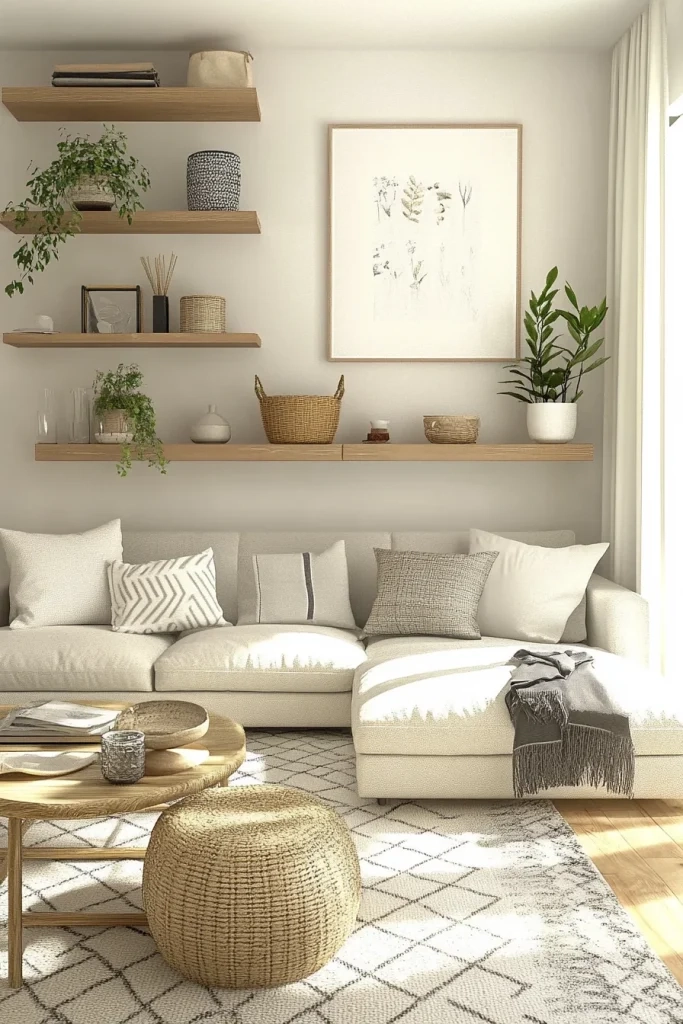
Small spaces feel smaller when they’re cluttered. But you can’t drill shelves into the walls. So, you have to think vertically and creatively. Tension is your friend. Tension poles that go from floor to ceiling are incredibly sturdy. You can buy systems that attach shelves to these poles. They hold books, plants, and decor. They don’t touch the walls except at the very top and bottom, where rubber pads prevent slipping and scratching. It’s essentially a bookshelf that defies gravity through friction.
Over-the-door organizers have also evolved. They aren’t just for shoes anymore. You can get sleek, fabric pockets for pantry items, cleaning supplies, or even office supplies. Hang one on the back of your bedroom door for accessories. Hang one in the closet for extra storage. The key is to choose ones that look like furniture, not dorm-room hacks. Look for canvas or felt materials in neutral tones. They blend in.
Another trick? Magnetic paint strips. Wait, no, you can’t paint. But you can use large, heavy-duty magnetic sheets that adhere to metal surfaces. If you have a metal fridge, use it. But also, look for freestanding shelving units that are tall and narrow. Place them in corners. Style the top with a plant to draw the eye up. This emphasizes the height of the ceiling, making the room feel airier.
Don’t ignore the space above windows. Install a tension rod above the window frame and hang sheer curtains all the way to the ceiling. Even if you don’t need privacy, the fabric softens the hard lines of the window and adds a sense of luxury. It makes the window look bigger and more grand. It’s a visual trick that architects use, and you can do it with a $15 rod.
Personal Touches: Art, Greenery, and Texture
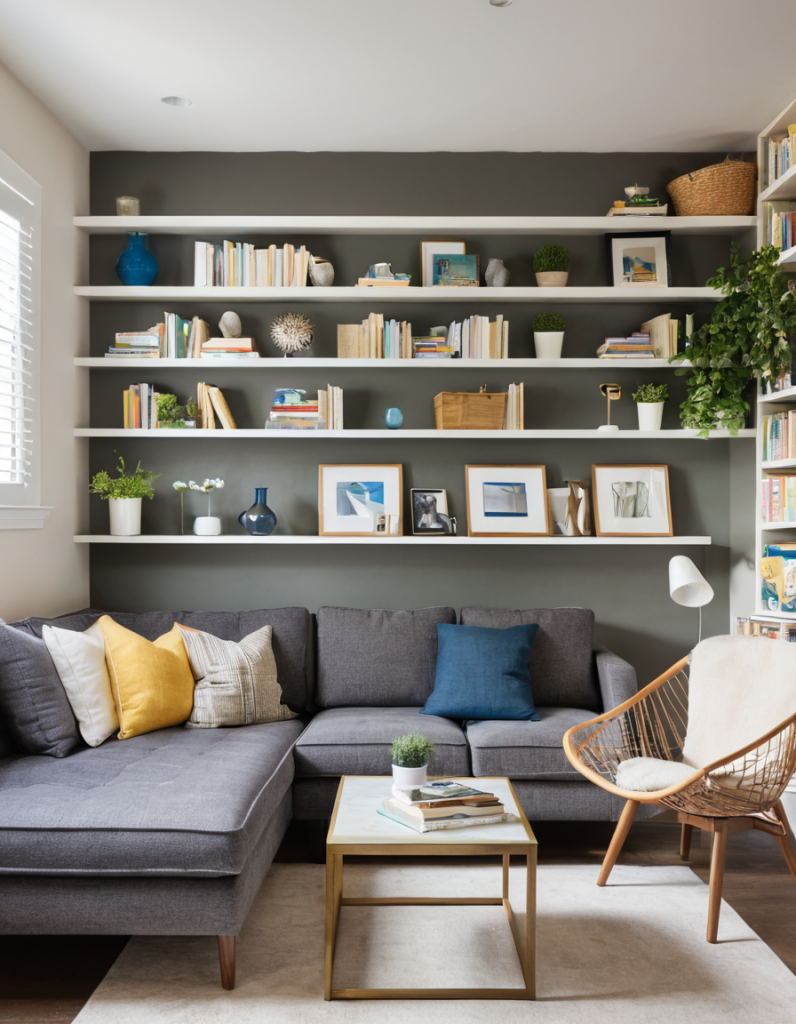
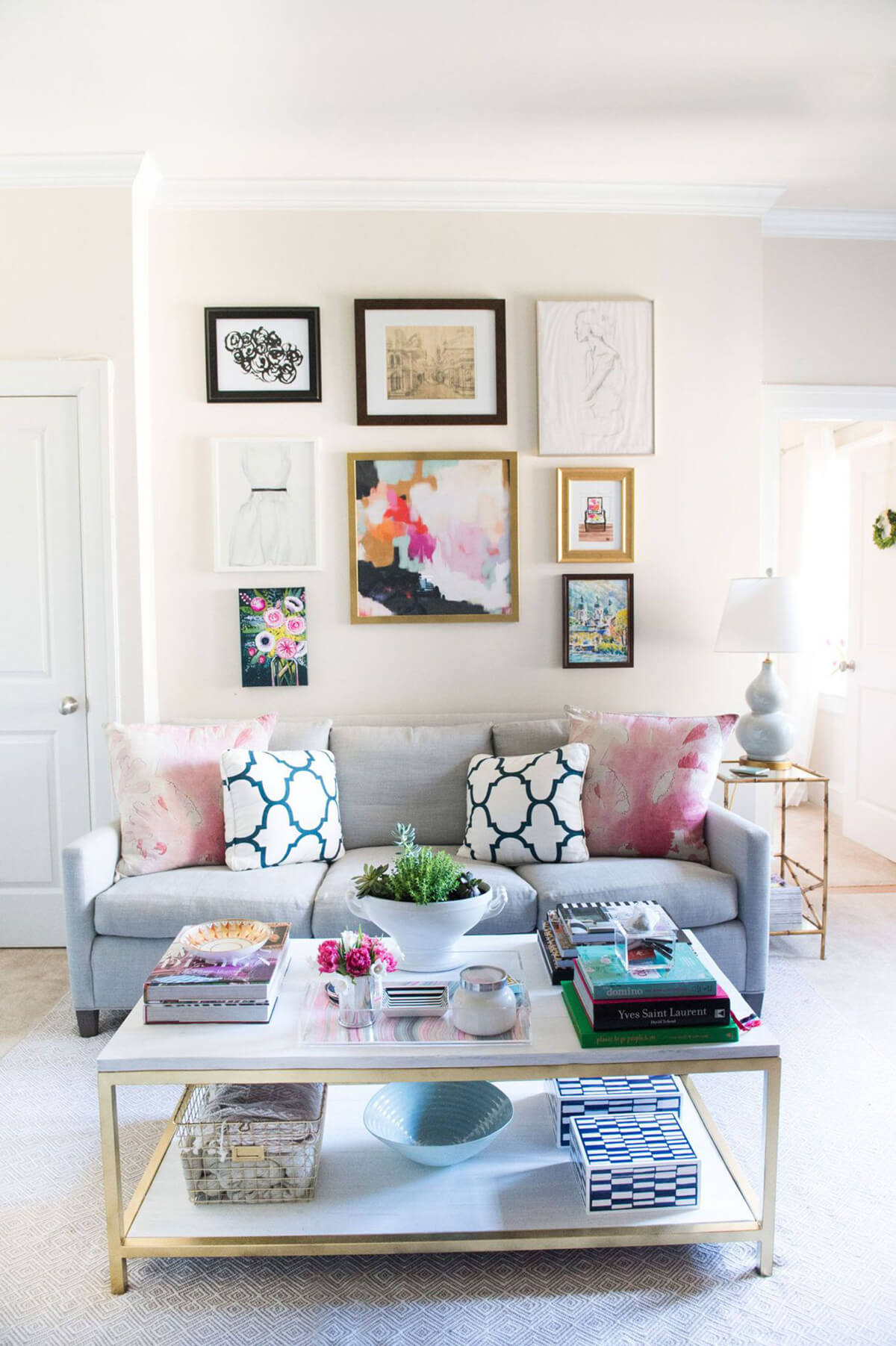
Finally, the soul of the home. Art. Plants. Textiles. This is where you stop thinking about "hacks" and start thinking about "living." Art doesn’t need to be hung. Lean large canvases against the wall on a mantle or a shelf. Group smaller frames on a floating shelf (secured with non-damaging strips). Create a gallery wall on the floor if you have a weird alcove. The rule is: if it brings you joy, it belongs.
Plants are essential. They breathe life into a sterile space. But if you don’t have much light, or if you kill every plant you touch, go for high-quality faux greens. The technology in 2026 for artificial plants is scary good. Silk leaves with wire stems that you can bend. Realistic bark textures. Place a large fiddle leaf fig in a corner. It fills empty space and adds organic shape. Real or fake, greenery breaks up the monotony of straight lines and beige walls.
Texture is the secret weapon. Rentals are often smooth and hard. Drywall, laminate, glass. Add softness. Throw pillows in different fabrics—velvet, wool, linen. A chunky knit blanket draped over the sofa. A woven basket for magazines. These tactile elements make the space feel inhabited and cozy. They invite you to sit down and relax. They absorb sound, too, which helps with the echoey nature of empty apartments.
Mix metals and woods. Don’t match everything. A mix of brass, black, and wood tones looks curated. A matching set looks like you bought it all at once from a catalog. Imperfection is key. A slightly chipped ceramic vase. A second-hand chair with character. These things tell a story. Your story. And that’s what makes a rental a home. It’s not about the permanence of the changes. It’s about the presence of your life within the walls.
So, you’ve got the tools. You’ve got the tricks. But the real shift is in your mindset. Stop viewing your rental as a temporary holding cell. Start viewing it as a canvas that you are borrowing. You are the curator of this space for however long you stay. That perspective changes how you treat it. You care more. You invest more effort. And ironically, that effort makes you feel more settled.
Remember, everything you do should be reversible. That’s the golden rule. If you’re unsure, ask yourself: "Can I undo this in under an hour with basic tools?" If the answer is yes, go for it. If the answer is no, rethink it. This constraint actually fuels creativity. It forces you to find smarter, cooler solutions than just drilling a hole. It pushes you to use tension, friction, and adhesion in clever ways.
And don’t be afraid to experiment. Try a bold wallpaper. Try a dark accent wall with peel-and-stick panels. If you hate it, you can change it. That’s the beauty of removable hacks. They are low-risk. High-reward. You get to live in a space that reflects who you are right now, not who you were when you signed the lease.
In the end, your security deposit will come back to you. But the memories you make in a space that feels like home? Those are priceless. Don’t let the fear of a lost deposit keep you from creating a environment that nurtures you. You deserve to love where you live, even if you don’t own the walls. Especially then. Because home isn’t about ownership. It’s about belonging. And you can build that belonging, one removable strip at a time.