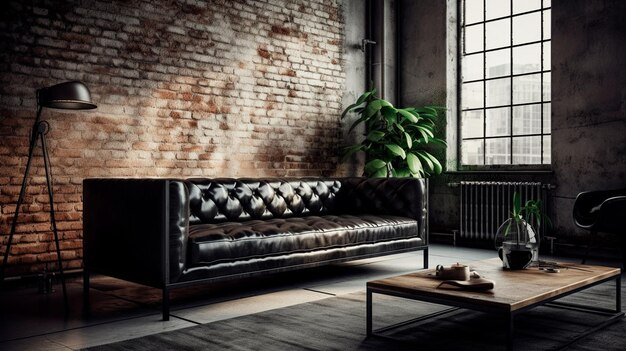
You walk into a room and it feels… heavy. Not emotionally, but visually. Like the walls are closing in because everything is dark, chunky, and loud. That’s the trap so many of us fall into when we try to copy those massive warehouse lofts we see on Pinterest. We forget that those spaces have twenty-foot ceilings and square footage that most of us only dream about. But here’s the thing: you don’t need a converted factory in Brooklyn to get that cool, gritty vibe. You just need to know how to scale it down.
Industrial design isn’t about filling every corner with rusted iron. It’s about attitude. It’s about celebrating the bones of a building and the honesty of materials. In 2026, the trend has shifted away from cold, sterile factories toward something warmer. People want the edge, sure, but they also want to curl up on a Sunday morning with coffee and not feel like they’re sitting in a mechanic’s shop. The trick is balance. It’s mixing the hard with the soft, the old with the new, and keeping things open enough to breathe. If you’re living in a studio or a tiny two-bedroom, this approach can actually make your space feel bigger, not smaller. Let’s dig into how you can pull this off without breaking the bank or your back.
Lighting That Sets the Mood (and Saves Space)
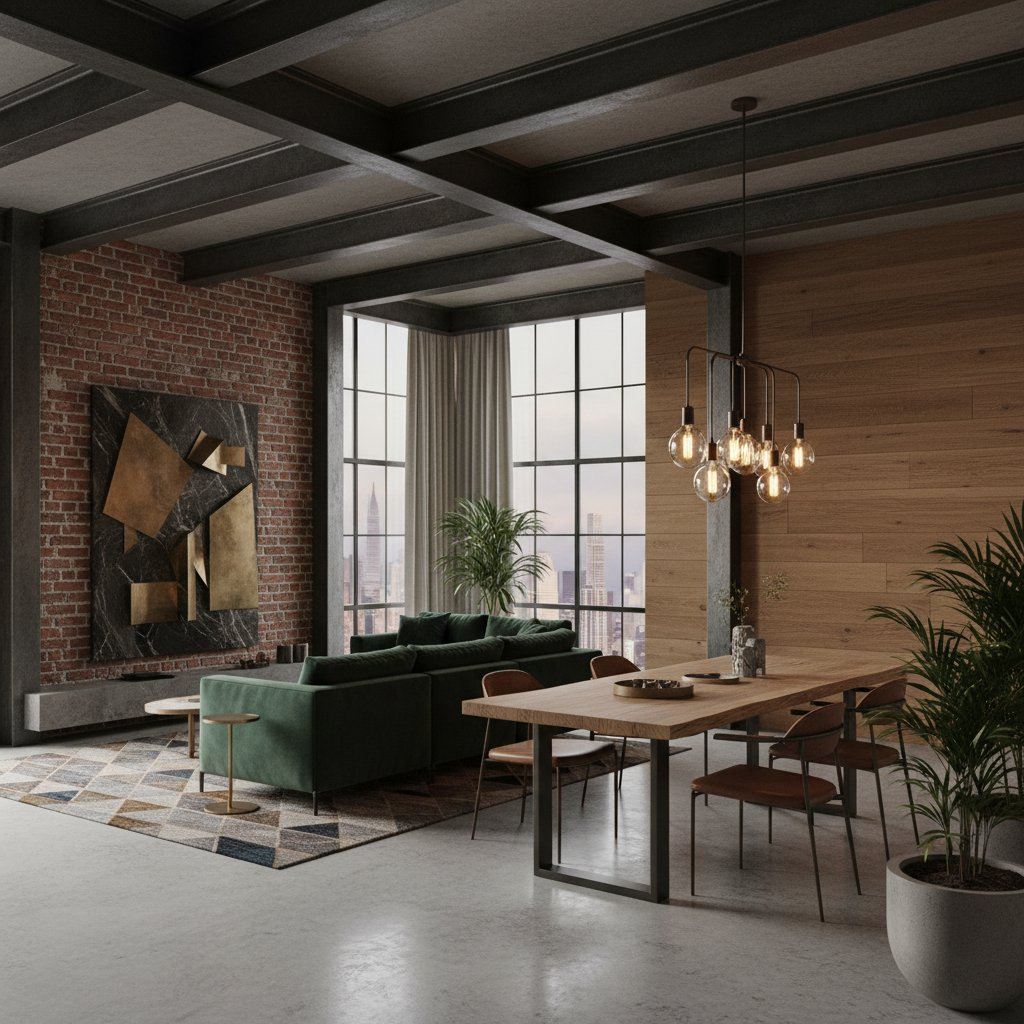
Lighting is probably the single most important element in industrial design. In a small home, bad lighting makes rooms feel cramped and cave-like. Good lighting opens them up. Forget those generic ceiling domes. They’re boring and they flatten the room. Instead, think vertical. Think exposed. The goal is to draw the eye upward, which creates an illusion of height. Edison bulbs are still a staple, but in 2026, we’re seeing a move toward slightly warmer filaments that don’t look quite so "theme park." You want ambient glow, not interrogation room brightness.
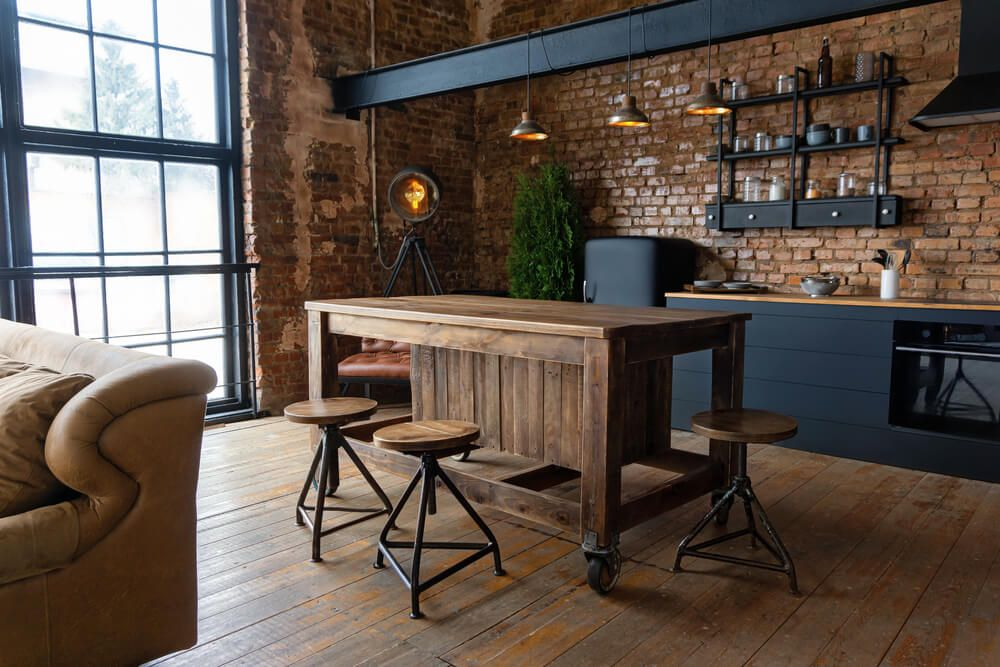
Consider swapping out standard fixtures for pendant lights with black metal cages or simple glass globes hung from visible cords. If you can’t hardwire new spots, plug-in sconces are a lifesaver. Mount them high on the wall to free up floor space. A floor lamp with a tripod base made of reclaimed wood or brushed steel can anchor a corner without taking up much visual weight. Just be careful not to overdo it. One statement piece per zone is usually enough. If you have a dining nook, a single low-hanging industrial pendant defines the space perfectly. It acts as a visual ceiling for that area, making it feel intentional rather than just "the corner where we eat."
Don’t ignore the color temperature either. Industrial spaces can feel cold if the light is too blue or stark white. Aim for bulbs in the 2700K to 3000K range. This adds a golden hue that softens all those hard edges we’re about to talk about. It makes metal look rich instead of cheap. And if you have any architectural details, like a beam or a brick accent, hit them with a subtle uplight. It adds drama and depth, turning a flat wall into a feature.
Furniture with Legs and Lightness
Here is a common mistake: buying bulky, boxy furniture because it looks "industrial." Heavy solid wood tables and massive leather sofas might work in a mansion, but in a 600-square-foot apartment? They’re space killers. The secret to keeping things airy is visibility. You want to see the floor. When you can see the floor continuing under your furniture, your brain registers more space. So, look for pieces raised on legs. Metal hairpin legs, thin steel frames, or even mid-century modern tapered wood legs work wonders.
Leather is a classic industrial material, but it doesn’t have to mean a giant Chesterfield sofa. Try a sleek, low-profile loveseat in cognac or charcoal. Or better yet, mix materials. A metal frame chair with a woven seat or a velvet cushion adds texture without the bulk. In recent years, multifunctional furniture has gotten much stylisher. Look for nesting tables with metal rims that can tuck away when not in use. A rolling cart with galvanized steel shelves isn’t just for kitchens; it can serve as a bar, a bookshelf, or a nightstand. Because it’s on wheels, you can move it around to change the flow of the room, which keeps the space feeling dynamic.
Avoid matching sets. Industrial style thrives on the eclectic, the collected-over-time look. Pair a vintage metal desk with a modern acrylic chair. The transparency of the acrylic disappears visually, leaving the heavy metal desk as the star. This contrast prevents the room from feeling monotonous. Remember, in a small space, every piece needs to earn its keep. If it doesn’t serve a function or bring you joy, it’s just clutter. And clutter is the enemy of the industrial aesthetic, which relies on a certain curated minimalism.
Walls: Texture Over Clutter
In a tiny home, wall space is prime real estate. You don’t want to cover it all with art or shelves, or it’ll feel chaotic. Industrial design is all about raw textures, so let the walls speak for themselves if you can. Exposed brick is the holy grail, but let’s be real—most of us don’t have it. And fake brick wallpaper can look tacky if it’s too perfect. Instead, consider limewash paint or concrete-look finishes. These add subtle variation and depth without the heaviness of actual stone. They reflect light differently than flat paint, creating shadows and highlights that make the room feel larger.
If you do hang art, go big or go home. One large-scale black-and-white photograph or a oversized metal map looks far better than ten small framed prints scattered around. It creates a focal point without visual noise. Mirrors are another cheat code. An old, distressed factory mirror with rivets or a rusty frame bounces light around and doubles the visual depth of a room. Place it opposite a window to maximize natural light. Just make sure the frame has some character. A sleek, modern mirror won’t fit the vibe, but one with chipped paint or oxidized metal? Perfect.
Shelving should be sparse and strategic. Floating shelves made from reclaimed wood and black iron brackets are great, but don’t line every wall. Use them to display a few key items: a stack of hardcover books, a singular ceramic vase, or a vintage camera. Leave plenty of negative space. The emptiness is part of the design. It lets the eye rest. In 2026, we’re seeing a lot of people use vertical pipe shelving units that go from floor to ceiling. These draw the eye up and provide tons of storage without eating into floor space. Just keep the items on them organized. Chaos on open shelves looks messy, not stylish.
The Power of Metal Accents
Metal is the backbone of industrial style. But you don’t need to turn your home into a tin can. The key is variety in finish and type. Mix matte black iron with brushed brass or aged copper. This layering prevents the space from feeling one-note. Galvanized steel is having a moment again, especially for smaller accessories. Think planters, trays, or waste bins. These items add that metallic ping without overwhelming the senses. They’re durable, easy to clean, and inherently cool.
Look for opportunities to swap out hardware. Cabinet pulls, door handles, and faucet fixtures are tiny details that make a huge impact. Replacing plastic or shiny chrome handles with matte black or oil-rubbed bronze ones instantly grounds a space. It’s a low-cost, high-reward update. If you’re renting, you can often swap these out and keep the originals to put back when you move. It’s a small change, but it signals to your brain that this space has been thoughtfully designed.
Don’t forget about structural elements. If you have radiators, pipes, or vents, don’t hide them. Celebrate them. Paint them a bold color like deep navy or forest green, or leave them in their natural metal state if they’re in good condition. Covering them up with boxes or fabric usually just adds bulk. Embracing the "guts" of the apartment is very industrial. It shows confidence in the design. A exposed pipe running along the ceiling can act as a curtain rod or a place to hang plants. Turn a liability into an asset. That’s the mindset.
Softening the Hard Edges
Let’s address the elephant in the room: industrial design can feel cold. Really cold. If you live in a small space, you’re likely spending a lot of time there. You don’t want to feel like you’re living in a garage. This is where textiles come in. You need to introduce warmth through fabric. Rugs are essential. A large, textured rug in wool or jute anchors the seating area and adds softness underfoot. Avoid shiny, synthetic rugs. Go for natural fibers that age well and add tactile interest.
Throw pillows and blankets are your best friends. Mix materials like faux fur, chunky knit wool, and linen. These soft textures contrast beautifully with leather sofas and metal tables. They invite you to touch, to sit, to stay. In terms of color, stick to a neutral palette for the big pieces—grays, creams, browns—but use textiles to introduce subtle pops of color. Mustard yellow, burnt orange, or deep teal work well with industrial tones. They add life without clashing.
Plants are non-negotiable. Greenery breathes life into rigid spaces. A fiddle leaf fig in a concrete pot or trailing pothos on a high shelf softens corners and adds organic shapes to break up all the straight lines. In 2026, biophilic design is huge, and it pairs perfectly with industrial aesthetics. The contrast between the living, growing plant and the dead, static metal is visually striking. Plus, plants improve air quality and mood. Who doesn’t want that? Just make sure you choose pots that fit the vibe—terracotta, concrete, or matte black ceramic. No bright plastic please.
Clutter kills industrial style faster than anything else. The aesthetic relies on a sense of order and openness. In a small home, storage is often limited, so you have to be clever. Vintage lockers are a fantastic option. They’re tall, narrow, and packed with personality. One metal locker can hold coats, shoes, cleaning supplies, and more, all behind closed doors. It keeps the visual noise down while adding a major style point. You can find restored ones online or at architectural salvage yards.
Rolling carts and trolleys are another versatile choice. Use them in the kitchen for extra prep space, in the bathroom for towels, or in the living room as a mobile bar. Because they’re on wheels, they don’t feel permanent or heavy. They can be tucked away when not in use. Open wire baskets are great for storing blankets or magazines. They allow air to flow through and don’t block sightlines. Avoid solid plastic bins if you can; they look cheap and disrupt the aesthetic. If you must use bins, choose canvas or woven seagrass ones.
Think vertically for storage. Wall-mounted hooks made from reclaimed wood and iron can hold bags, hats, and keys. A pegboard system painted black can organize tools, kitchen utensils, or office supplies in a way that looks intentional rather than messy. The key is to keep surfaces clear. Countertops, tables, and desks should be mostly empty. Display only a few curated items. This discipline takes practice, but it pays off. A clean, organized small space feels luxurious and calm, even if the materials are rough and raw. It’s about control. You’re controlling the chaos, not letting it control you.
So, where does this leave you? You don’t need to knock down walls or spend a fortune to bring industrial edge into your small home. It’s about making smart, intentional choices. Start with lighting that lifts the eye. Choose furniture that floats above the floor. Let your walls breathe with texture rather than clutter. Add metal in small, thoughtful doses. Soften the blow with rich textiles and lively plants. And keep it tidy with clever, vertical storage.
The beauty of this style is its flexibility. It’s not rigid. It evolves with you. As you find new pieces, swap them in. As your needs change, adjust the layout. The core principles remain the same: honesty in materials, balance in composition, and a touch of rebellion against the overly polished. Your home should feel like you. It should be comfortable, functional, and undeniably cool. Don’t be afraid to experiment. Move that lamp. Swap that pillow. Paint that pipe. It’s your space. Make it work for you. And remember, the best-designed homes aren’t the ones that look like magazine covers; they’re the ones that feel like home.