Ever walked into a tiny living room and felt like the walls were closing in? You’re not alone. It’s a weird paradox, really. We crave those intimate, nest-like spaces, but we also want to breathe. In 2026, with urban living spaces shrinking and remote work blurring the lines between office and lounge, the pressure is on. But here’s the thing: small doesn’t have to mean stifling. In fact, some of the most inviting homes I’ve ever stepped into were barely bigger than a walk-in closet. The trick isn’t just about getting rid of stuff (though that helps). It’s about fooling the eye, playing with light, and choosing pieces that pull double duty.
Think of your living room less as a box you need to fill, and more like a puzzle where every piece has to earn its keep. When you stop fighting the square footage and start working with it, something magical happens. The space stops feeling like a limitation and starts feeling like a choice. A cozy one. Let’s dive into how you can hack your way to a room that feels twice as big and ten times as welcoming, using tricks that are actually practical for real life, not just Pinterest boards.
Light It Up Like You Mean It
Lighting is probably the single most underrated tool in the small-space arsenal. Most people slap a ceiling fixture in the middle of the room and call it a day. Big mistake. That single source creates harsh shadows in the corners, which makes the room feel smaller and cave-like. You want layers. Think of it like makeup for your home. You need a base, some contour, and a highlight. Start with ambient lighting—maybe a sleek floor lamp tucked behind a chair or wall sconces that don’t eat up floor space. These wash the walls with light, pushing them visually outward.
Then, add task lighting. A small reading lamp on a side table isn’t just for books; it creates a pool of warmth that draws the eye to specific zones, breaking up the monotony of the room. In 2026, smart bulbs are cheaper and easier to use than ever. Use them to adjust the color temperature throughout the day. Cool white in the morning to wake up the space, warm amber in the evening to cocoon yourself. And don’t forget the mirrors. Yeah, it’s an old trick, but it works because physics. Placing a large mirror opposite a window bounces natural light around, effectively doubling the visual depth of the room. Just make sure it reflects something nice, like a plant or a view, not a pile of laundry.
Another pro tip? Keep your window treatments high and wide. Hang curtains right below the ceiling molding, not just above the window frame, and let them extend a few inches past the window on each side. This draws the eye up and out, making the windows look massive and the ceilings feel taller. It’s a simple install that costs maybe twenty bucks but adds inches of perceived space. If you’re worried about privacy, sheer panels during the day let light flood in while keeping prying eyes out. Save the heavy drapes for night, or skip them entirely if you’re on a higher floor. Let that sunshine do the heavy lifting.
Furniture That Plays Nice with Gravity
Choosing furniture for a tiny living room is like dating. You want someone who’s easygoing, versatile, and doesn’t take up too much emotional (or physical) space. The biggest mistake people make is buying "apartment-sized" furniture that’s just shrunken-down regular furniture. It often ends up looking cluttered and cheap. Instead, go for fewer, larger pieces. One substantial sofa is better than a loveseat and two bulky chairs. It creates a cleaner sightline. But here’s the kicker: legs matter. Lots of them.
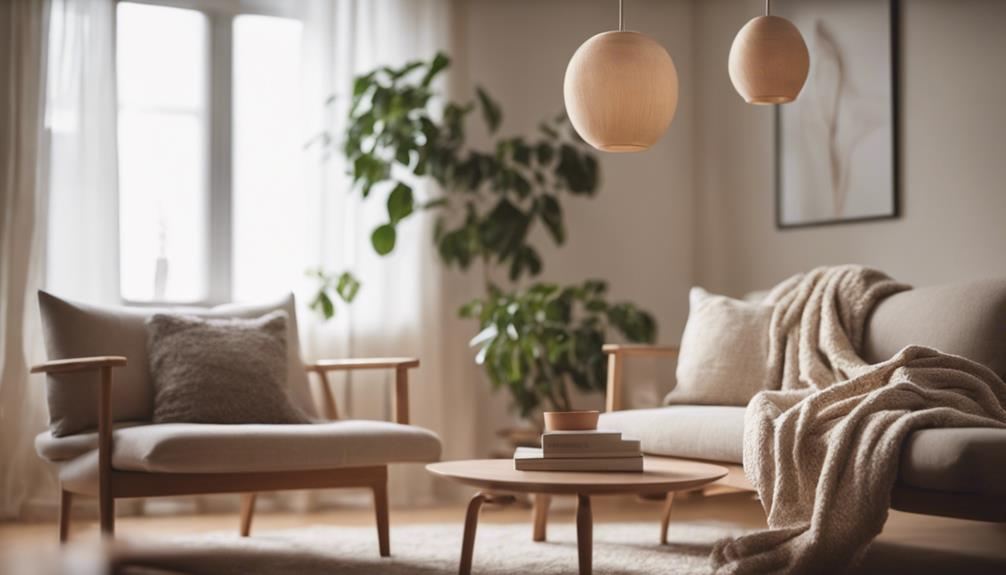
Furniture raised on slender legs allows light and air to flow underneath. When you can see the floor continuing beneath the sofa or coffee table, your brain registers more floor space. It’s a visual cheat code. Avoid skirted sofas or blocky bases that sit flush against the carpet. They look heavy and anchor the room in a bad way. Look for mid-century modern styles or contemporary pieces with tapered wood or metal legs. They feel lighter, airier, and somehow more elegant. And transparency is your friend. Acrylic or glass tables disappear visually. A clear coffee table means you can see the rug underneath, keeping the visual field unbroken.
Multifunctionality is non-negotiable in 2026. Your ottoman shouldn’t just be a footrest; it should have storage inside for blankets, remotes, or board games. Consider a nesting table set instead of a huge coffee table. You can spread them out when you have guests and tuck them away when you need walking room. Wall-mounted shelves are another lifesaver. They get your stuff off the floor and draw the eye upward, emphasizing vertical space. Just don’t overdo it. A few well-curated shelves look chic; a wall full of knick-knacks looks chaotic. Keep the surfaces clean. Clutter is the enemy of spaciousness, no matter how cute the clutter is.
Color Stories That Breathe
We’ve all heard the advice: paint small rooms white. And sure, white is safe. It reflects light and feels clean. But it can also feel sterile and hospital-like if you’re not careful. In recent years, designers have been pushing back against the all-white mandate. The goal isn’t just brightness; it’s depth. Monochromatic schemes are incredibly powerful in small spaces. Painting your walls, trim, and even the ceiling the same soft shade eliminates visual boundaries. When the eye doesn’t hit a contrasting line where the wall meets the ceiling, the room feels endless. Try a warm off-white, a pale greige, or even a soft blush.
If you’re brave, go dark. It sounds counterintuitive, right? But a deep navy or charcoal can blur the corners of a room, making it feel like an infinite void rather than a tight box. This works best in rooms with good natural light or plenty of artificial layers. The key is consistency. If you’re going dark, keep the furniture light to create contrast, or go all-in with a moody, library-esque vibe. Just avoid chopping the room up with too many different colors. Every color change is a visual stop sign for the eye. You want a smooth journey, not an obstacle course.
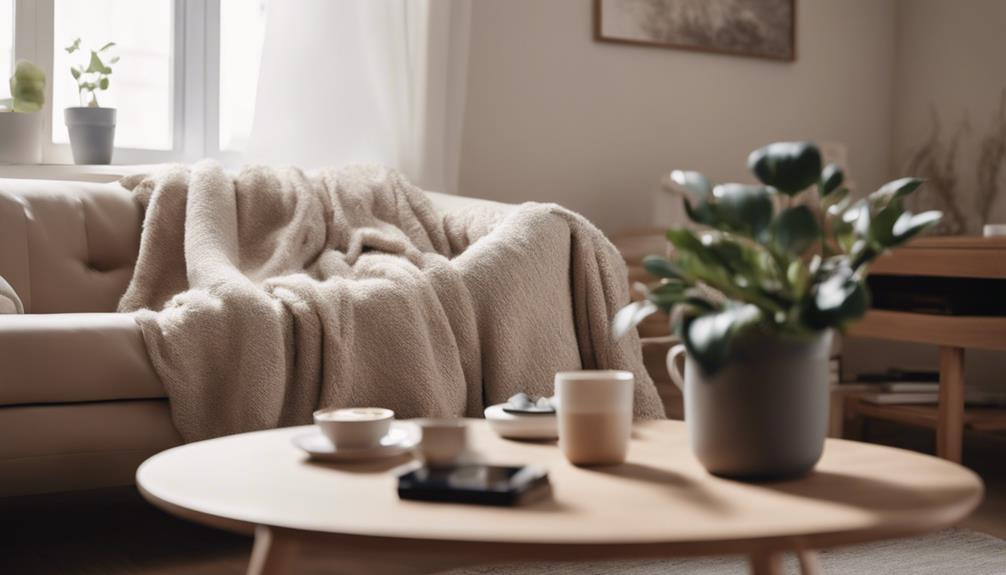
Texture is where you bring the coziness back in. Since you’re limiting your color palette, you need variety in touch. Think chunky knit throws, velvet pillows, a wool rug, and smooth leather. These tactile differences add richness and interest without adding visual noise. In 2026, sustainable materials are huge, so look for organic textures like jute, linen, or reclaimed wood. They add warmth and history to the space. A large area rug can also define the seating area, making the room feel intentional rather than cramped. Just make sure the rug is big enough. A tiny rug floating in the middle of the floor makes the room look smaller. Aim for the front legs of your furniture to rest on the rug. It grounds the space.
Vertical Real Estate Is Prime Property
When you run out of floor space, look up. Most of us ignore the top third of our rooms, but it’s prime real estate. Tall bookshelves that go all the way to the ceiling draw the eye upward, making the room feel grander. They also provide massive amounts of storage without expanding your footprint. If you can’t install built-ins, freestanding tall units work too. Just secure them to the wall for safety. Use the higher shelves for items you don’t need every day, like extra linens or seasonal decor, and keep the eye-level shelves for things you love to look at.
Art placement matters too. Don’t cluster small pictures at eye level. Go big. One large piece of art creates a focal point and makes the wall feel expansive. If you can’t afford a huge original, a large-scale print or even a tapestry works wonders. Hang it slightly higher than you think you should. This lifts the visual center of the room. Mirrors, again, are great here. A tall, narrow mirror leaning against a wall or mounted vertically can mimic the effect of a window, adding height and light.
Plants are another vertical hack. A tall fiddle leaf fig or a snake plant in a corner adds life and height without taking up much floor space. Hanging plants from the ceiling or mounting them on high shelves brings greenery into your line of sight without cluttering surfaces. Just be mindful of watering—nobody wants a drip disaster on their head. In 2026, low-maintenance indoor plants are trending, so you don’t need a green thumb to pull this off. Pothos and ZZ plants are nearly indestructible and look lush. They soften the hard lines of furniture and architecture, making the space feel more organic and less boxed-in.
The Flow Factor: Arranging for Air
Layout is everything. You can have the prettiest furniture in the world, but if it’s arranged poorly, the room will feel awkward and tight. The instinct is to push everything against the walls to "open up" the center. Resist this. Floating furniture away from the walls, even by a few inches, creates shadow lines that add depth. It makes the room feel less like a waiting room and more like a designed space. If you have a long, narrow room, try zoning. Create a seating area at one end and a reading nook or workspace at the other. Use rugs or furniture arrangement to define these zones without building walls.
Keep pathways clear. You should be able to walk through the room without bumping into anything. Aim for at least 18-24 inches of walking space around major pieces. If you’re tripping over the coffee table, it’s too big or in the wrong spot. Scale is crucial. A massive sectional might fit physically, but if it blocks the view of the window or the door, it’s choking the room. Sometimes, two small chairs are better than one big sofa because they allow for flexible positioning and better traffic flow.
Doors and windows need breathing room too. Don’t place furniture directly in front of a swing path. If you have sliding doors, ensure there’s enough clearance for them to open fully. This respects the architecture of the room and prevents that frustrated feeling of constantly moving things out of the way. In 2026, modular furniture is gaining traction because it lets you reconfigure your layout as your needs change. Maybe you need more seating for a party, or more floor space for yoga. Modular pieces adapt, keeping the flow dynamic and functional. It’s about living in the space, not just looking at it.
Let’s talk about the C-word: Clutter. It’s the number one reason small spaces feel tiny. But decluttering doesn’t mean living like a monk. It means being ruthless about what stays. Everything in your living room should serve a purpose or spark joy. If it’s just taking up space, let it go. Be honest. Do you really need three throw pillows? Does that stack of magazines from 2023 need to be on display? Hidden storage is your best friend here. Baskets, bins, and cabinets with doors keep the visual noise down. Open shelving looks great but requires constant editing. If you’re not naturally tidy, hide the mess.
Digital clutter counts too. Those tangled cords behind the TV? They create visual chaos. Use cable management sleeves or clips to bundle them up. A clean tech setup looks sleeker and calmer. In 2026, wireless charging is everywhere, so reduce the number of cables you need in the first place. Hide the router in a decorative box or a cabinet with ventilation. Small details add up. A clear surface feels expansive. A cluttered one feels suffocating.
Adopt a "one in, one out" rule. If you buy a new vase, donate an old one. This keeps your possessions in check and prevents the slow creep of accumulation. It’s not about deprivation; it’s about curation. Your home should reflect who you are now, not who you were five years ago. When you strip away the excess, what’s left feels intentional and peaceful. And peace, surprisingly, makes a room feel bigger. When your mind isn’t distracted by visual noise, you perceive more space. It’s psychological, but it’s real. So, take a weekend, box up the stuff you’re unsure about, and live without it for a month. If you don’t miss it, you don’t need it. Simple as that.
Making a tiny living room feel big and cozy isn’t about magic. It’s about mindfulness. It’s paying attention to how light hits a wall, how a leggy chair opens up the floor, and how a single large mirror can double your view. It’s about choosing quality over quantity and flow over filler. By layering your lighting, picking furniture with legs, sticking to a cohesive color story, utilizing vertical space, arranging for movement, and keeping clutter at bay, you transform a cramped box into a sanctuary.
Remember, your home is a living thing. It changes with you. Don’t be afraid to experiment. Move that lamp. Swap that rug. Paint that wall. The best small spaces aren’t perfect; they’re personal. They’re tuned to the rhythm of your life. So take a deep breath, look around, and start tweaking. You might just find that your tiny room was never the problem—it was just waiting for the right touch to shine. And honestly? There’s nothing cozier than a space that fits you like a glove.