Have you ever stared at an empty glass jar and felt a weird pang of guilt before tossing it in the bin? You’re not alone. We live in a world that pushes us to buy new, discard old, and repeat the cycle endlessly. But there’s a quiet rebellion happening in kitchens, garages, and living rooms across the globe. It’s not loud or political. It’s just people looking at "trash" and seeing potential. In 2026, with sustainability no longer just a buzzword but a necessity, repurposing has shifted from a frugal hobby to a creative lifestyle. It’s about seeing the object not for what it was, but for what it could be.
Think about the last time you threw away a cardboard box or an old t-shirt. Did you hesitate? Maybe you thought, "I should keep this," but then didn’t know why. That hesitation is your creativity knocking. Repurposing isn’t about hoarding junk. It’s about resourcefulness. It’s the art of giving items a second act. When you start looking at your home through this lens, everything changes. That wine cork isn’t waste; it’s a drawer pull. That old ladder isn’t scrap wood; it’s a bookshelf. The shift is mental first, physical second. And honestly? It feels pretty good to outsmart the landfill.
Kitchen Containers and Glass Jars
The kitchen is probably the biggest producer of reusable waste in any home. Glass jars from pasta sauce, pickles, or jams are everywhere. Most people rinse them and recycle them, which is good. But recycling uses energy. Reusing uses nothing but a bit of imagination. In 2026, the trend of "zero-waste pantries" has made glass jars the gold standard for storage. They are airtight, clear, and look uniform on shelves. But their utility goes way beyond holding dried beans.
Try using large pickle jars as makeshift blenders for small batches of smoothies or salad dressings. Just blend right in the jar if your immersion blender fits, or use them to shake up vinaigrettes. Smaller jam jars are perfect for organizing tiny hardware items like screws and nails in the garage, or for portioning out spices when you’re meal prepping. If you’re feeling crafty, you can paint the lids with chalkboard paint to label contents easily. This simple swap eliminates the need for plastic Tupperware that stains and warps over time.
Don’t forget the aesthetic angle. A row of identical glass jars filled with colorful lentils, rice, or pasta looks stunning on open shelving. It turns pantry organization into decor. You can also use these jars to start herb gardens on your windowsill. Drill a few holes in the lid for drainage (or just be careful with watering), fill with soil, and plant basil or mint. It’s a free planter that adds life to your kitchen counter. The key is consistency. When you standardize your containers, you reduce visual clutter and make your space feel calmer.
Textiles and Old Clothing
Clothing waste is a massive issue globally. Fast fashion has filled our closets with items we wear a handful of times before discarding. But fabric is incredibly durable and versatile. Before you donate or toss that stained t-shirt or ripped jeans, consider its second life. Old cotton t-shirts make the best cleaning rags. They are absorbent, lint-free, and washable. Cut them into squares and keep a stack under the sink. You’ll stop buying paper towels, which saves money and reduces paper waste. It’s a small change that adds up fast.
For those with a bit more sewing skill, old jeans can become tote bags, aprons, or even patchwork quilts. Denim is tough stuff. It holds up well to heavy use. If you don’t sew, there are no-sew options too. Tie strips of old t-shirts together to make a rag rug. It’s a great project for kids and results in a colorful, textured floor covering that’s easy to wash. You can also braid t-shirt yarn to make coasters or plant hangers. The texture of jersey knit is soft and forgiving, making it ideal for beginners.
Bed linens that have seen better days shouldn’t be ignored either. Old sheets can be cut down to make pillowcases for throw pillows. Or, use them to cover furniture during painting projects instead of buying plastic drop cloths. Cotton sheets breathe better than plastic and don’t create static. If you have wool sweaters that have shrunk in the wash, don’t despair. Felted wool is perfect for making coasters, mug rugs, or even laptop sleeves. The shrinking process tightens the fibers, making the fabric dense and water-resistant. It’s a happy accident waiting to happen.
Cardboard and Paper Products
Cardboard boxes are the unsung heroes of repurposing. With online shopping still huge in 2026, we all have a steady supply of boxes coming into our homes. Instead of breaking them down immediately for recycling, look at their structure. Sturdy boxes can be covered in fabric or contact paper to create stylish storage bins. These are perfect for organizing closets, toys, or office supplies. They are lightweight, customizable, and free. You can label them clearly to keep systems organized.
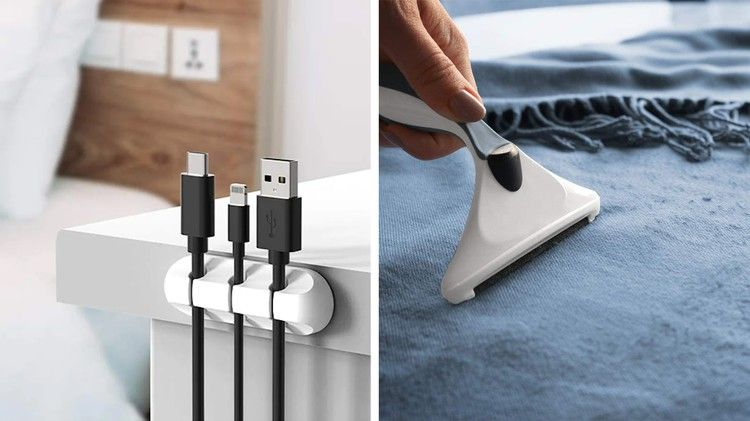
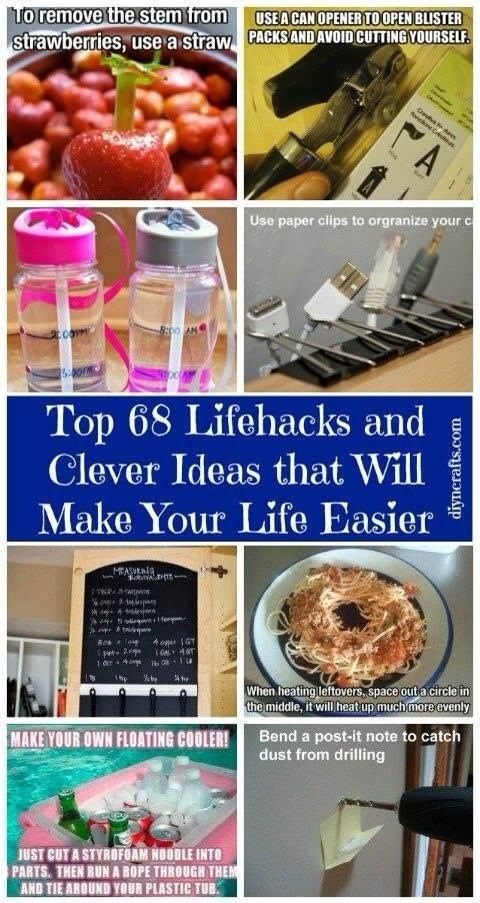
Toilet paper and paper towel rolls are often dismissed as useless. But they are excellent cord organizers. Wrap charging cables, headphones, or extension cords around them to prevent tangling. You can also cut them into rings and use them as napkin rings for dinner parties. Paint them, wrap them in twine, or leave them natural for a rustic look. For gardeners, toilet paper rolls are biodegradable seed starters. Fill them with soil, plant seeds, and when it’s time to transplant, you can put the whole roll in the ground. The cardboard decomposes, and the roots grow through it.
If you have kids, cardboard is a playground. Large appliance boxes can become forts, rockets, or playhouses. Let their imagination run wild. Provide markers, stickers, and safe scissors. It’s hours of entertainment that costs nothing. For adults, cardboard can be used to create templates for DIY projects or to protect floors during messy crafts. Shredded paper from old documents can be used as packing material instead of bubble wrap. It’s surprisingly effective and keeps sensitive info out of the trash. Just think twice before hitting the shred button on everything.
Plastic Bottles and Containers
Plastic is tricky. We try to avoid it, but it’s everywhere. Plastic bottles, however, have structural integrity that makes them useful for specific tasks. Cut the bottom off a large soda bottle, and you have a funnel. It’s great for pouring oil, vinegar, or dry goods into narrow-mouthed containers. You can also cut plastic bottles in half to create self-watering planters. Fill the bottom with water, invert the top half (with soil and plant) into it, and use a wick to draw moisture up. It’s a simple science project that keeps your plants alive while you’re on vacation.
Yogurt containers and takeout tubs are perfect for organizing small items. Use them in drawers to separate socks, underwear, or accessories. They work equally well in the garage for sorting nails, screws, and bolts. Clean them thoroughly, and they become durable, stackable storage units. If you’re into gardening, these containers can be punched with drainage holes and used as starter pots for seedlings. They are lightweight and easy to move around. Just remember to label them so you don’t confuse them with food containers later.
For outdoor use, plastic bottles can be turned into bird feeders or insect traps. Cut holes in the sides, fill with seed, and hang from a tree. It’s a cheap way to attract wildlife to your yard. You can also use them to create a drip irrigation system for garden beds. Poke small holes in the cap and bottom, bury the bottle next to your plants, and fill it with water. It releases moisture slowly directly to the roots, reducing evaporation and water waste. It’s an old trick that works wonders in hot climates.
Furniture and Wood Scraps
Old furniture doesn’t always need to go to the curb. Sometimes, it just needs a new perspective. A worn-out wooden chair can become a plant stand. Remove the seat, place a pot in the opening, and let the vines cascade down. It’s whimsical and adds vertical interest to a room. Dresser drawers can be mounted on walls as floating shelves. Add some brackets, paint them a bold color, and you have unique display space for books or knick-knacks. It’s a great way to salvage pieces that are structurally sound but aesthetically dated.
Wood scraps from renovation projects or pallets are gold mines for DIYers. Even small offcuts can be glued together to make cutting boards, trivets, or coasters. Sand them smooth and seal with food-safe oil. They make thoughtful, handmade gifts. Larger pieces can be assembled into picture frames, mirror borders, or small side tables. The key is to embrace the imperfections. Knots, nail holes, and saw marks add character. They tell a story. Perfectly milled lumber is expensive and boring. Reclaimed wood has soul.
If you have an old door, consider turning it into a headboard or a desk surface. Doors are solid and wide. They provide a large, flat workspace or a striking focal point in a bedroom. Add legs to a door, and you have a sturdy dining table. Paint it, stain it, or leave it raw. The possibilities are endless. The same goes for window frames. They can become photo displays, greenhouse panels, or decorative mirrors. Look at the components, not the whole. Break it down, and you’ll see the potential in every piece.
Every house has those random items that don’t fit anywhere. Wine corks, bottle caps, old keys, broken jewelry. These are the treasures of repurposing. Wine corks can be sliced into discs and glued onto a board to create a bulletin board. Or, use them whole to make bath mats. They are naturally water-resistant and provide a nice massage for your feet. Bottle caps can be flattened and used as mosaic tiles for tabletops or garden paths. They add sparkle and color without costing a dime.
Old keys can be turned into wind chimes or curtain weights. String them together with beads for a bohemian vibe. Broken jewelry can be repurposed into drawer pulls or cabinet knobs. Glue a vintage brooch onto a plain knob, and suddenly your dresser looks custom-made. It’s a small detail that makes a big impact. Even egg cartons have uses. They are great for starting seeds, organizing earrings, or protecting fragile ornaments in storage. The molded shape is designed to hold delicate things, so use it for that.
Don’t overlook old electronics. While you shouldn’t hack into batteries or screens, old keyboards can have their keys removed and used as magnets or tags. Old CDs and DVDs can be used as reflective mulch in gardens to deter pests, or as suncatchers in windows. They catch the light beautifully. The goal is to look at each item and ask, "What does this do?" rather than "What is this?" Function follows form, but sometimes form can follow function in unexpected ways. Keep an open mind, and you’ll find uses for almost anything.
Repurposing is more than just a way to save money or help the planet. It’s a mindset. It’s about slowing down and paying attention to the materials around us. In a world that moves so fast, taking the time to reimagine an old jar or a torn shirt is a radical act. It connects us to our homes and our resources in a deeper way. You start to see value where others see waste. You become a creator, not just a consumer. And that feels empowering.
So, next time you’re about to throw something away, pause. Look at it really closely. Turn it over in your hands. Ask yourself what else it could be. Maybe it’s a planter, maybe it’s a organizer, or maybe it’s just kindling for a fire. There’s no wrong answer. The only mistake is not looking. Start small. Pick one item today and give it a second life. You might be surprised by what you create. And who knows? You might just inspire someone else to do the same. The ripple effect of one reused jar is bigger than you think.