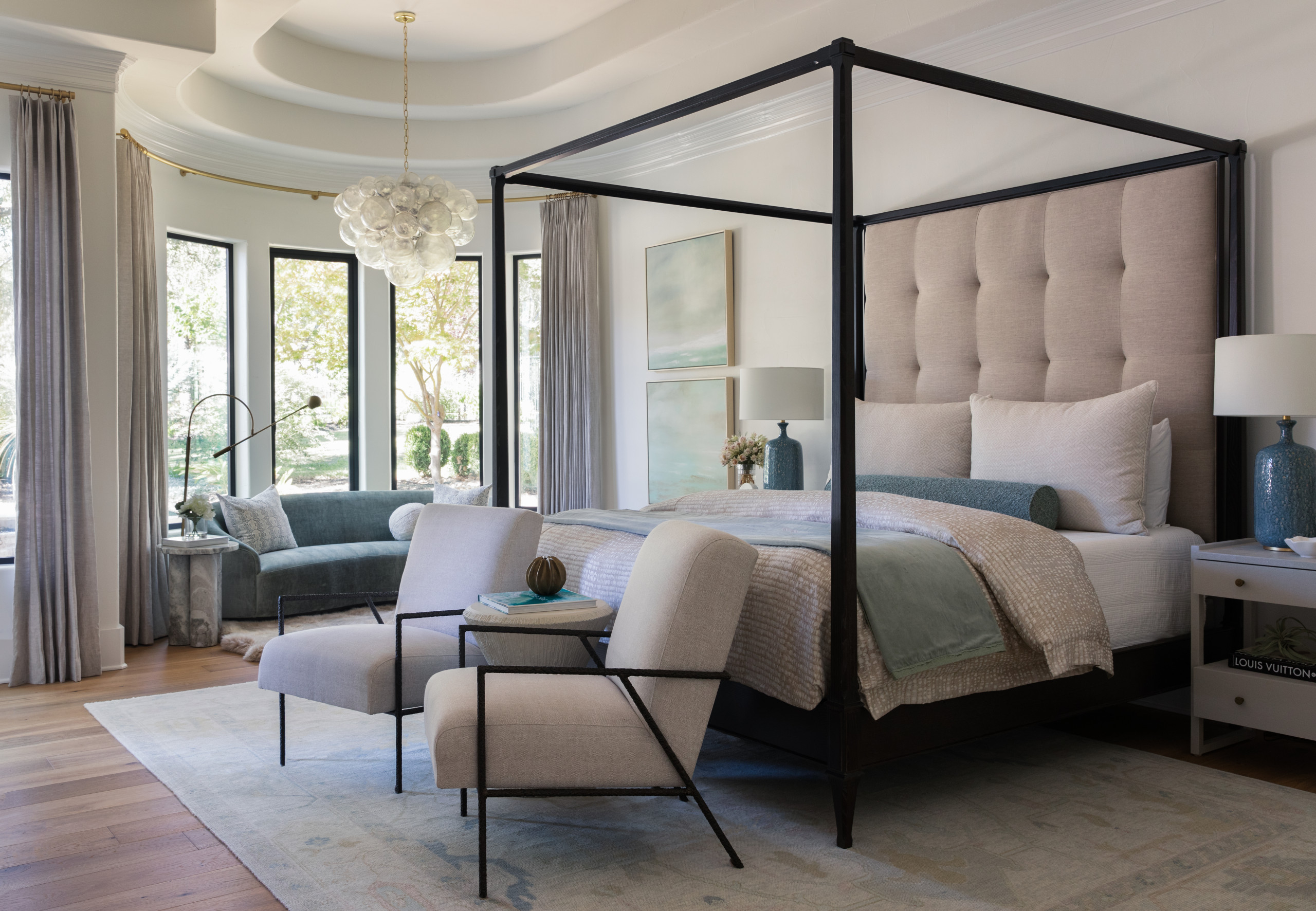
You know that feeling when you open your closet door and just… stare? It’s not just clothes hanging there. It’s decisions. It’s "what do I wear?" and "where is that other sock?" and a low-level hum of anxiety before your coffee even hits the table. We’ve all been there. In 2026, life moves fast. Really fast. The last thing anyone needs is their bedroom, the place meant for rest, becoming another source of stress.
But here’s the good news. You don’t need a massive renovation or a professional organizer with a huge budget to fix it. You just need a shift in perspective. A little bit of intention. By focusing on two key spots—your closet and your nightstand—you can create a ripple effect of calm that lasts all day. It’s about making space for peace, one hanger and one drawer at a time.
Why Your Bedroom Clutter Steals Your Peace
Let’s be real for a second. Clutter isn’t just stuff sitting around. It’s visual noise. Every item out of place is a tiny signal to your brain that something is unfinished. Research has shown for years that cluttered environments spike cortisol levels, the body’s main stress hormone. When you wake up to a messy room, you’re starting your day in a state of low-grade fight-or-flight. Not ideal, right?
Think about your morning routine. If you have to dig through a pile of shirts to find the one you want, or hunt for your keys on a crowded nightstand, you’re burning mental energy before you’ve even left the house. That decision fatigue adds up. By 10 AM, you might feel exhausted, not because you’ve done hard work, but because you’ve made too many tiny, frustrating choices. Organizing isn’t about being perfect or having a magazine-ready home. It’s about removing those friction points. It’s about giving your brain a break.
In recent years, especially post-2020, there’s been a huge shift towards viewing our homes as sanctuaries. People aren’t just decorating; they’re curating for mental health. The trend in 2026 isn’t about minimalism for the sake of looking sparse. It’s about "essentialism." Keeping only what serves you. When your physical space is clear, your mind has room to breathe. It’s a simple cause-and-effect that changes everything.
The Closet Reset: Zone It Out
So, where do you start? The closet can feel overwhelming because it’s big. Don’t try to tackle it all at once. Break it down into zones. This is a technique that professional organizers swear by. Instead of seeing "a closet," see "shirts," "pants," "dresses," and "shoes." Each category gets its own designated area. This stops the chaos of mixing winter coats with summer tanks.
Start with the hanging section. Group similar items together. Put all your work shirts on one side, casual tops on the other. Use matching hangers if you can—it’s not just for looks. Uniform hangers actually save space and make the visual field calmer. If you have a mix of wire, plastic, and wood, it looks chaotic. Swapping them out is a cheap fix with a huge impact. Also, consider the "eye-level rule." Keep the clothes you wear most often at eye level. Shove the off-season stuff up high or down low. You shouldn’t have to crouch or stretch for your Tuesday uniform.
Don’t forget the floor and shelves. These are danger zones for clutter creep. Use bins or baskets for items like sweaters or jeans that don’t need to hang. Label them. Yes, label them. It sounds tedious, but it saves you from opening five boxes to find your gym leggings. In 2026, smart labels or even simple color-coded tags can help keep track without effort. The goal is to make putting things away easier than leaving them out. If it’s hard to put away, you won’t do it. Make it effortless.
Nightstand Nirvana: Less Is More
Now, let’s talk about the nightstand. This small surface holds a lot of power. It’s the last thing you see before you sleep and the first thing you see when you wake up. If it’s covered in receipts, half-empty water glasses, chargers, and books you’ll never read, it creates a sense of unfinished business. The goal here is simplicity. Aim for no more than three to five items on the surface.
What should stay? A lamp, obviously. Maybe a clock if you don’t use your phone. A current book or journal. A glass of water. That’s it. Everything else needs a home elsewhere. Chargers are a big culprit. They tangle and look messy. Try using a charging station inside a drawer or a dedicated box with holes for cords. This keeps the tech hidden but accessible. You get the charge without the visual clutter.
Drawers are for the "just in case" items. Eye cream, lip balm, earplugs, reading glasses. But be honest. Do you need ten pens? Probably not. Keep only what you use weekly. If you haven’t touched it in a month, move it out. The nightstand should feel like a landing pad, not a storage unit. When you clear that surface, you create a visual boundary between the day’s chaos and the night’s rest. It signals to your brain that it’s time to wind down. And honestly, isn’t that worth a few minutes of tidying?
The Art of Letting Go: Decision Making
The hardest part of organizing isn’t buying bins. It’s deciding what stays. We hold onto things for weird reasons. "I might lose weight." "It was expensive." "My aunt gave it to me." These thoughts keep clutter alive. In 2026, we’re learning to value experiences over objects, but old habits stick. To break free, try the "one-year rule." If you haven’t worn it or used it in the last year, let it go. Unless it’s a sentimental heirloom or a formal outfit for a rare event, it’s probably taking up space you could use better.
Ask yourself: Does this item bring me joy or serve a purpose? If the answer is no, thank it and move it on. Donation centers are always in need. Selling apps are easy to use. Or just recycle textiles. The method doesn’t matter as much as the action. Holding onto clothes that don’t fit or don’t suit your style anymore is like carrying around extra weight. Literally and figuratively. Lightening the load feels good.
Also, consider the "one-in, one-out" policy. For every new shirt you buy, an old one leaves. This keeps your closet size static. It forces you to be mindful about purchases. Do you really need another black tee? Or do you just need to replace the worn-out one? This mindset shift prevents the slow creep of clutter returning. It’s maintenance, not just a one-time fix. And it keeps your peace of mind intact long-term.
Smart Storage Hacks for Small Spaces
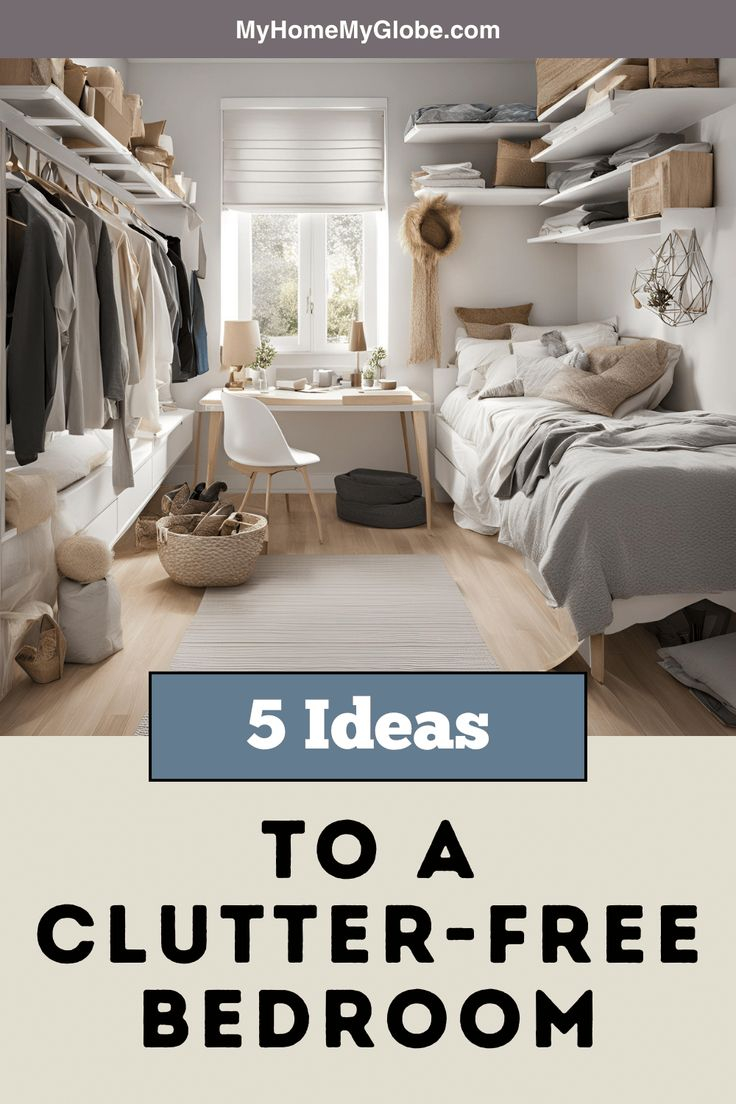
Not everyone has a walk-in closet. Most of us are working with tight corners and shallow depths. That’s okay. Small spaces can be super efficient if you use vertical space. Install a second rod below the main one for shorter items like shirts or pants. This doubles your hanging capacity instantly. Use the back of the door for hooks or over-door organizers. Shoes, belts, scarves—they all fit there nicely without eating up floor space.
Clear bins are your friend in small closets. When you can see what’s inside, you’re less likely to dig through everything. Stackable drawers work well on shelves. They keep soft items neat and protected. For nightstands with limited drawer space, use dividers. Small trays or even repurposed boxes can separate jewelry from meds from tech. It maximizes every inch. In 2026, modular storage solutions are everywhere. Look for pieces that can adapt as your needs change. Flexibility is key.
Lighting matters too. A dark closet feels smaller and more chaotic. Add a battery-operated LED strip or a motion-sensor light. Being able to see your clothes clearly makes choosing easier and puts less strain on your eyes. It also makes the space feel larger and more inviting. Same for the nightstand. A warm, dimmable lamp creates a cozy vibe that helps with sleep hygiene. Good lighting isn’t just functional; it’s emotional. It sets the tone.
Maintaining the Calm: Daily Habits
Organizing isn’t a one-and-done project. It’s a practice. Like brushing your teeth. You wouldn’t brush once and expect clean teeth forever. Same with your space. Build small habits into your day. The "two-minute rule" is great here. If a task takes less than two minutes, do it now. Hang up the jacket instead of throwing it on the chair. Put the book back on the shelf. These tiny actions prevent buildup.
Set a weekly "reset" time. Sunday evenings work well for many people. Take ten minutes to tidy the closet and nightstand. Return stray items. Wipe down surfaces. Check if anything needs to be donated. This regular maintenance keeps the system running smoothly. It prevents the overwhelm of a massive cleanup later. Think of it as resetting your stage for the week ahead. It’s a ritual that brings closure to the weekend and prepares you for Monday.
Be gentle with yourself. Some days will be messier than others. Life happens. Kids, pets, work stress—it all spills over. Don’t beat yourself up. Just return to the basics. Clear the surface. Hang the clothes. Breathe. The goal isn’t perfection. It’s progress. It’s creating a space that supports you, not judges you. When you slip up, just start again. The peace is always there, waiting for you to clear the path.
At the end of the day, organizing your closet and nightstand is about self-care. It’s about respecting your time and your mental energy. When you remove the clutter, you make room for what matters. You start your day with clarity instead of chaos. You end it with calm instead of clutter. It’s a small change with a big payoff. And in 2026, we all need a bit more peace.
So, pick one spot. Just one. Maybe it’s the top shelf of your closet. Maybe it’s that one drawer in your nightstand. Start there. See how it feels. Notice the difference in your mood. Then move to the next spot. Take your time. There’s no rush. The goal is a home that feels like a hug, not a hurdle. You’ve got this. And honestly? It’s going to feel amazing.