Ever walked into your living room and felt… meh? You’re not alone. It’s that space where we spend most of our downtime, yet it often gets stuck in a design rut. Maybe the walls are bare, or the lighting feels like an interrogation room. Perhaps you’re just tired of staring at the same old sofa arrangement. The good news? You don’t need a massive budget or a professional designer to fix it. In fact, some of the most stunning transformations happen with a little sweat equity and a lot of creativity.
We’ve all seen those glossy magazine spreads that look impossible to recreate. But here’s the secret: they’re often built on simple principles anyone can master. Whether you have a weekend afternoon or a full week, there’s a project here for you. We’re talking about real changes. Not just moving a pillow around. We mean actual, tangible updates that make your space feel new again. Let’s dive into how you can turn your living area into a spot you actually love coming home to.
Wall Art That Doesn’t Cost a Fortune
Let’s be honest. Walking into a big-box store and buying pre-made art can feel soulless. Plus, it’s expensive for what you get. But blank walls are a huge missed opportunity. They’re the canvas of your home. One of the easiest ways to add personality is by creating your own gallery wall. You don’t need to be Picasso. Seriously. Abstract shapes, bold colors, or even framed fabric scraps can look incredibly chic. Start by laying out your frames on the floor before you hammer any nails. This saves you from having a hundred tiny holes in your drywall.
Another trend that’s still going strong in 2026 is textured wall hangings. Think macramé, woven baskets, or even large-scale paper flowers. These add depth and warmth that flat prints just can’t match. If you’re handy with a drill, try making a simple wooden frame and stretching a beautiful piece of wallpaper or fabric across it. It acts like a giant piece of art but costs a fraction of the price. The key is scale. Don’t be afraid to go big. A single large statement piece often looks more expensive than ten small cluttered ones.
If painting isn’t your thing, consider using removable decals or stencils. They’ve come a long way since the early 2000s. Now, you can find intricate designs that look hand-painted. Just pick one accent wall—maybe behind the sofa—and let it shine. Keep the rest of the room neutral to let the art breathe. This approach lets you experiment without commitment. Hate it next year? Peel it off. No harm, no foul. It’s low risk, high reward.
Lighting Hacks for Instant Ambiance
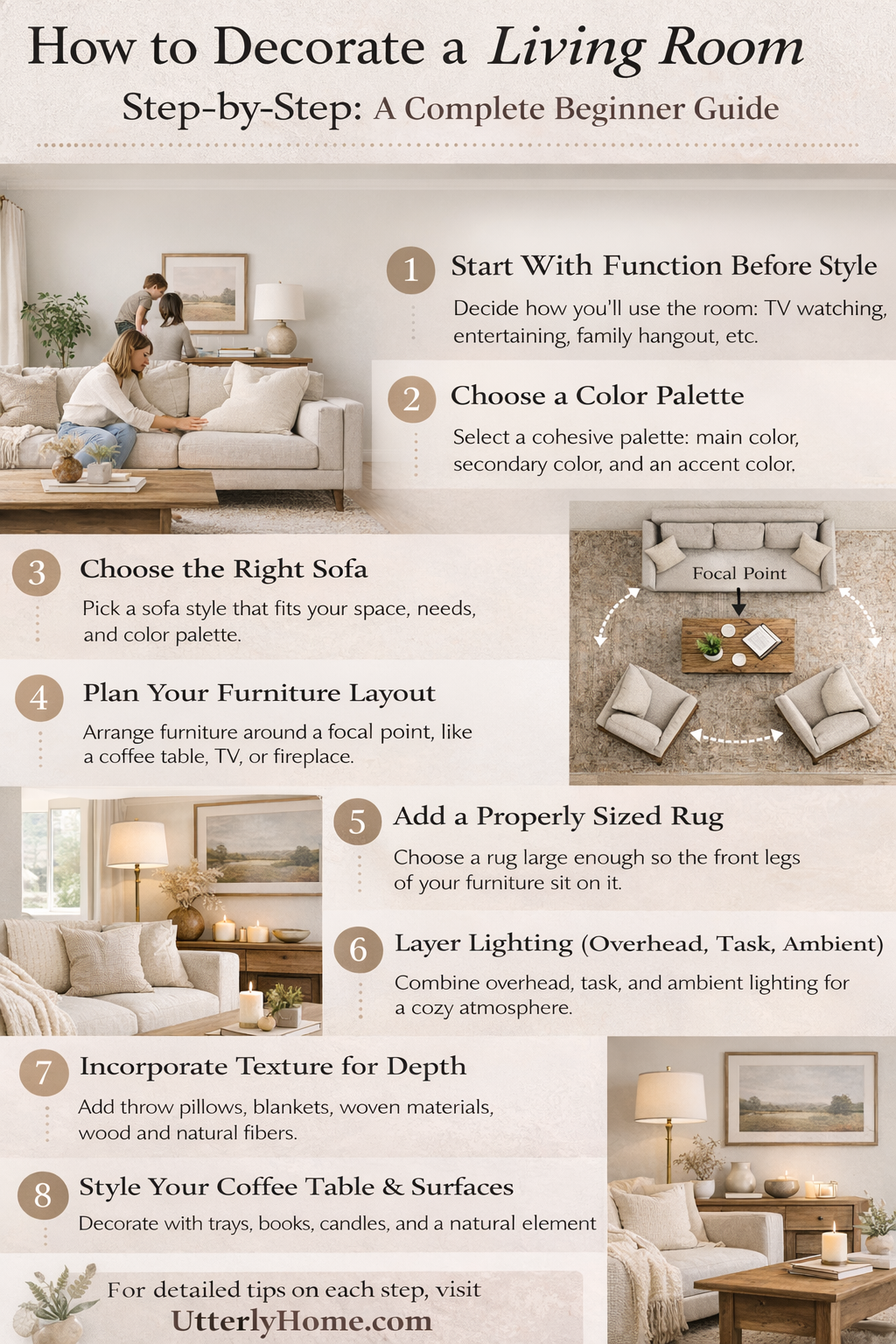
Lighting is the unsung hero of interior design. Bad lighting can make a beautiful room feel cold and uninviting. Good lighting? It makes everything feel cozy and intentional. Most rental apartments and older homes suffer from the "big light" syndrome. That harsh overhead fixture has got to go. Or at least, it needs help. Start by layering your light sources. You want ambient light (the general glow), task light (for reading), and accent light (to highlight cool stuff). Floor lamps and table lamps are your best friends here.
DIY lampshades are a fantastic weekend project. Take an old, dated lamp base and give it new life with a fresh shade. You can cover a plain white shade with rope, beads, or even paint a pattern on it. For a more modern look, try swapping out the hardware. Brass knobs or black matte finishes can update a thrifted find instantly. Don’t forget about string lights. They aren’t just for dorm rooms. Draping warm-white fairy lights behind a bookshelf or along a curtain rod adds a magical, soft glow that’s perfect for evenings.
Smart bulbs are another game-changer, and they’re easier to install than you think. You don’t need to rewire anything. Just screw them in and control the color and brightness from your phone. Want a movie night vibe? Dim the lights to a warm amber. Need to clean? Bright white. This flexibility allows you to change the mood of the room instantly. Also, consider adding under-cabinet lighting if you have built-ins. It highlights your decor and adds a luxurious touch that feels custom-made.
Upcycling Furniture for Unique Pieces
Furniture doesn’t have to be brand new to look great. In fact, vintage and second-hand pieces often have more character. The trick is knowing how to refresh them. Paint is the most obvious tool, but it’s not the only one. Have an old wooden coffee table? Sand it down and stain it a darker walnut for a mid-century modern vibe. Or go bold with a bright color like teal or mustard yellow. Just make sure to use the right primer so the paint sticks.
Hardware swaps are the jewelry of furniture. Changing out drawer pulls on a sideboard or cabinet can completely transform its look. Swap cheap plastic handles for sleek metal ones, or go vintage with ceramic knobs. It’s a five-minute job that makes a huge impact. If you have a bulky sofa that you can’t replace, try slipcovering it. You don’t need to sew a custom fit. A well-placed throw blanket or a tailored slipcover can hide stains and update the style.
Don’t overlook the power of legs. Adding new hairpin legs to a dated dresser or replacing chunky wooden legs on a chair with tapered ones can modernize the piece instantly. There are tons of tutorials online for this. It usually involves just a few screws and a bit of measuring. If you’re feeling adventurous, try decoupage. Use old maps, sheet music, or comic books to decorate the inside of drawers or the top of a nightstand. It’s a conversation starter that’s uniquely yours.
Textiles and Soft Furnishings Swaps
Textiles are the quickest way to change the feel of a room. They add softness, color, and texture. Think about your pillows, throws, rugs, and curtains. If your room feels flat, it’s probably lacking texture variation. Mix materials. Combine a chunky knit throw with smooth velvet pillows and a linen sofa. This contrast creates visual interest and makes the space feel layered and curated. In 2026, natural fibers like cotton, wool, and jute are still top choices for their durability and eco-friendly appeal.
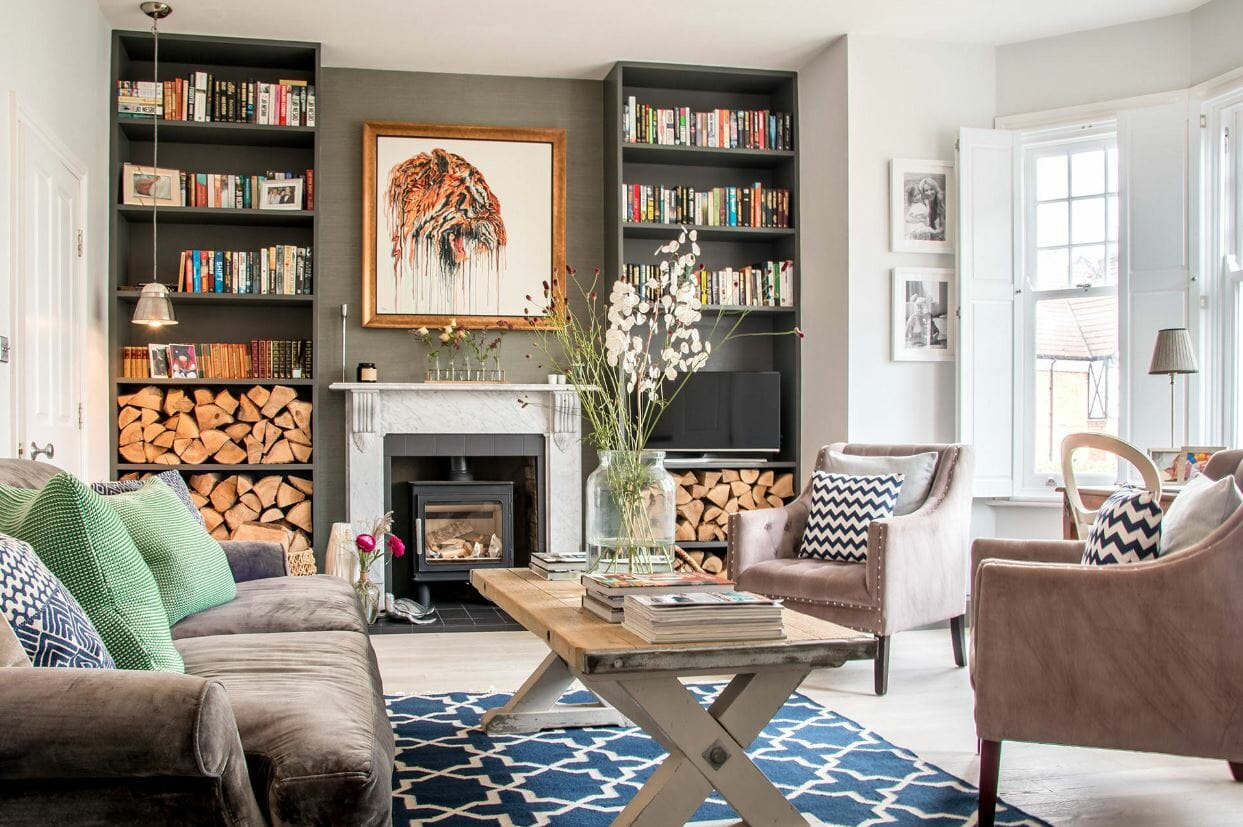
Rugs define spaces. If you have an open-plan living area, a large rug can anchor the seating arrangement. Don’t be afraid to layer rugs either. Put a smaller, patterned rug on top of a larger, neutral one. It adds depth and allows you to incorporate patterns without overwhelming the room. If your current rug is worn out, consider dyeing it. Yes, you can dye rugs! It’s a bit messy, but it can revive a faded Persian-style rug or change the color of a natural fiber one.
Curtains frame your windows and can make ceilings look higher. Hang them as close to the ceiling as possible, not just above the window frame. This draws the eye up and makes the room feel grander. If you’re on a budget, buy inexpensive white panels and hem them to the right length. You can also add trim or pom-poms to the edges for a playful touch. Remember, textiles absorb sound too. So, adding more soft goods can actually make your living room quieter and cozier.
Greenery and Natural Elements
Bringing the outdoors in is more than just a trend; it’s a wellness boost. Plants improve air quality and add a vibrant pop of life to any room. But you don’t need a green thumb to succeed. Start with low-maintenance options like snake plants, pothos, or ZZ plants. They thrive on neglect and look great in almost any corner. Grouping plants of different heights and leaf shapes creates a mini indoor jungle effect. Use stands, hanging planters, or shelves to display them at various levels.
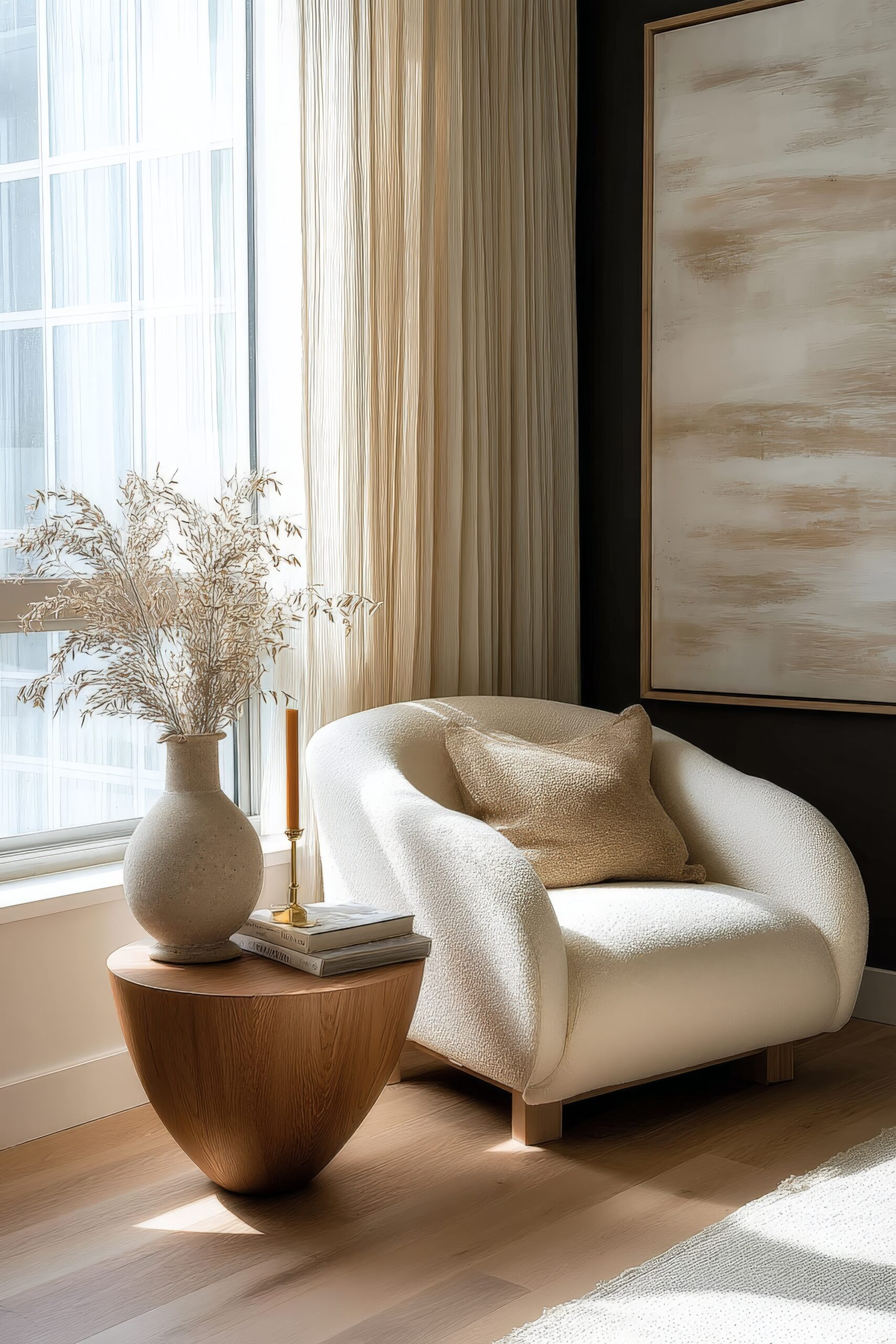
If live plants aren’t an option, go for dried botanicals. Pampas grass, eucalyptus, and dried flowers are huge right now. They last forever and add a soft, organic texture. Arrange them in a tall vase for a striking centerpiece. You can also incorporate other natural elements like wood, stone, or rattan. A wooden bowl on the coffee table, a stone coaster set, or a rattan basket for storage adds warmth and connects the space to nature.
For a DIY project, try making your own terrarium. It’s like a miniature garden in a glass jar. Layer pebbles, charcoal, soil, and small succulents. It’s a fun, hands-on activity that results in a beautiful decor piece. You can also press flowers and frame them. It’s a delicate, timeless look that brings a bit of the garden indoors permanently. The key is balance. Don’t overcrowd. Let each element have its moment to shine.
The final layer of any great room is you. It’s the stuff that tells your story. Display books you’ve actually read, photos of loved ones, or souvenirs from travels. But styling is an art. Don’t just shove everything on a shelf. Use the rule of three. Group items in odd numbers. It’s more visually appealing. Mix heights and textures. Place a tall vase next to a stack of books and a small sculpture. This creates a rhythm that guides the eye.
Trays are your secret weapon for organizing clutter. Corral remotes, candles, and coasters on a decorative tray on your coffee table. It instantly looks tidier and more intentional. Rotate your decor seasonally. Swap out heavy wool throws for lighter cotton ones in summer. Change out dark accessories for lighter, airy ones. This keeps the room feeling fresh without buying new furniture. It’s like giving your living room a mini makeover every few months.
Don’t forget about scent. It’s an invisible decor element. A nice candle or diffuser can make a space feel welcoming. Choose scents that match the vibe. Lavender for relaxation, citrus for energy. Finally, leave some negative space. Not every surface needs to be covered. Empty space allows the eye to rest and appreciate the pieces you do have. It’s about editing. Less is often more when it comes to creating a calm, inviting atmosphere.
So, there you have it. Transforming your living room doesn’t require a contractor or a credit card max-out. It’s about seeing potential in what you already have and adding a few strategic touches. Start small. Pick one project from this list and tackle it this weekend. Maybe it’s rearranging the furniture. Maybe it’s painting a frame. Whatever it is, take that first step. Your space should reflect who you are and how you want to feel. And honestly, isn’t that worth a little effort? Go on, give it a go. You might just surprise yourself with what you can create.