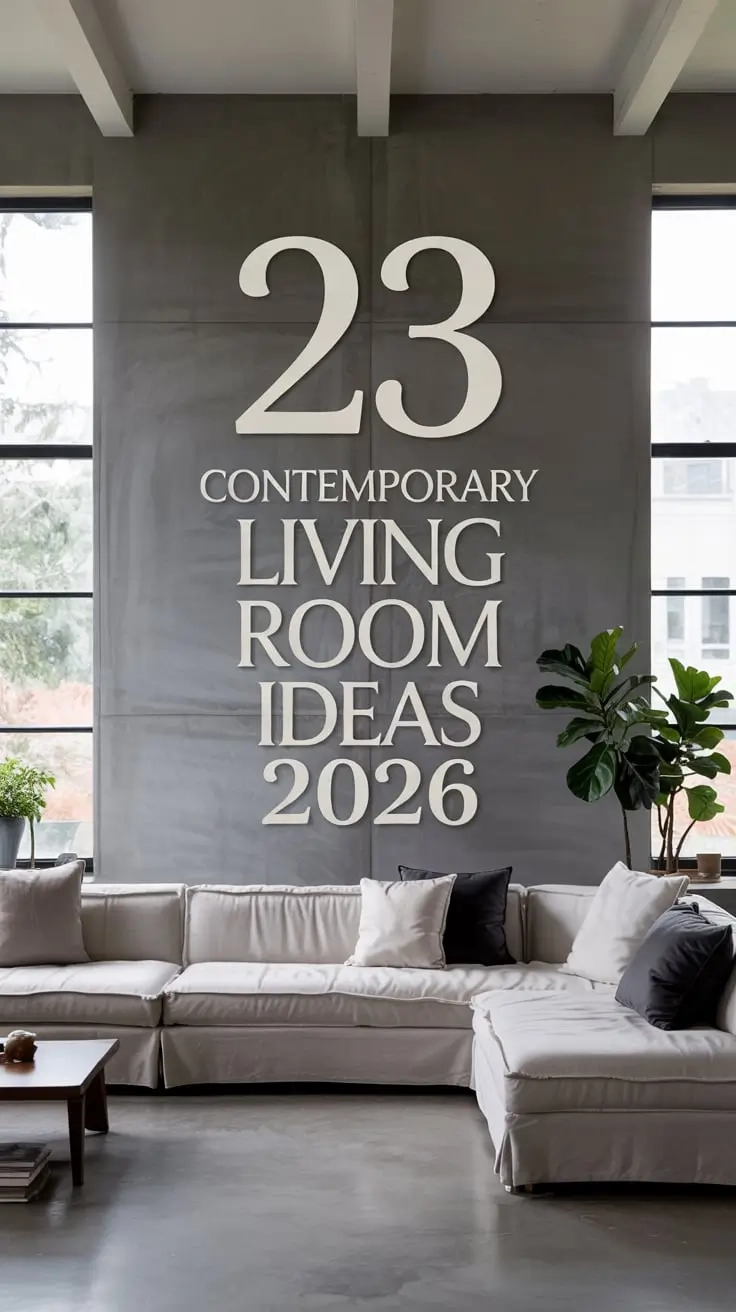
Remember that feeling when you walk into a friend’s house and immediately want to kick off your shoes? It’s not because the floors are dirty. It’s because the space feels like it’s waiting for you, not judging you. For years, we’ve been chasing a different vibe. You know the one. The pristine white sofa that no one is allowed to sit on. The kitchen island so clean it looks like a surgical theater. We’ve been designing our sanctuaries for photographs, not for people. But something shifted recently. Maybe it was the collective exhaustion of trying to maintain perfection during uncertain times. Or maybe we just got tired of living in museums.
As we look toward 2027, the tide has turned. The era of the "showroom home" is officially over. In its place rises the "soul home." This isn’t just a trend; it’s a fundamental change in how we view our living spaces. We are stopping the ask for our homes to perform for an audience and starting to ask them to support us. It’s about letting go of the fear of wear and tear and embracing the beauty of a life well-lived. If your coffee table has a ring from a mug, that’s not a flaw. It’s proof you enjoyed a quiet morning. That’s the energy we are bringing into the next year.
The Great Shift From Performance to Support
For a long time, interior design felt like a stage play. We were the actors, and our homes were the sets. Every cushion had to be fluffed just so. Every book had to be arranged by color. It was exhausting. The big shift happening right now, leading into 2027, is a move away from this performative aesthetic. We are seeing a departure from fast-changing styles that look good for a second but feel hollow after a week. Instead, the focus is landing squarely on livability and emotional comfort.
Think about it. When was the last time you truly relaxed in a room that felt too precious to touch? Probably never. Design for real life begins with acceptance. It accepts that kids will run through the hallway. It accepts that dinner parties get messy. It accepts that we are human beings who spill things and leave socks on the floor. The new approach responds to these realities with care and flexibility rather than restriction. It’s about creating spaces that hold us up when we’re tired, not spaces that add to our mental load.
This doesn’t mean giving up on beauty. Far from it. It means redefining what beauty looks like. Beauty in 2027 is found in the patina of aged wood. It’s in the softness of a fabric that gets comfier with every wash. It’s in the layout that lets you chat with family while cooking without bumping into each other. The goal is long-term value, not short-term applause. Homeowners are realizing that a home that feels lived-in is infinitely more valuable than one that looks untouched. It’s a relief, honestly. We can finally breathe.
Materials That Age With Grace, Not Shame
One of the biggest giveaways of a "photo-ready" home is the use of materials that are fragile or high-maintenance. White marble countertops that stain if you look at them wrong. Delicate velvets that show every fingerprint. In 2027, we are choosing materials that tell a story as they age. This is where the concept of "regenerative" and eco-conscious materials comes into play, but it’s also about practicality. We want surfaces that can take a beating and still look good.
Consider the rise of warm minimalism. It’s not about stark, cold lines. It’s about earthy colors and textures that feel grounded. Think oak floors that develop a rich honey tone over time. Think leather sofas that soften and crease, becoming more inviting with each year. These materials don’t hide life; they celebrate it. There is a Japanese concept called wabi-sabi, which finds beauty in imperfection and transience. This philosophy is heavily influencing modern design choices. We are selecting stone, wood, and textiles that have character and depth.
Sustainability plays a huge role here too. Choosing durable, natural materials is better for the planet because they last longer. We aren’t replacing furniture every three years because it went out of style or wore out. We are investing in pieces that become heirlooms. Artisanal craftsmanship is making a comeback because hand-made items often have a robustness and soul that mass-produced items lack. When you run your hand over a hand-thrown ceramic vase or a woven rug, you feel the human touch. That connection matters. It makes the space feel real.
Layouts Built for Habits, Not Headlines
Have you ever walked into a beautifully designed home and wondered, "But where do I actually put my keys?" or "Where does the dog sleep?" Magazine layouts often prioritize visual flow over functional flow. They might remove doors to create sweeping views, but forget about privacy or noise control. Designing for real life means looking at your actual daily habits and building around them. It’s about asking honest questions. Do you really need a formal dining room if you eat at the counter most nights? Probably not.
In 2027, we are seeing a move toward adaptable spaces. Rooms aren’t rigidly defined anymore. A living area might double as a workspace during the day and a movie den at night. This flexibility is crucial for modern lifestyles, which are often hybrid and fluid. Smart home technology is integrating seamlessly to support this, but it’s not about gadgets for gadgets’ sake. It’s about lighting that adjusts to your circadian rhythm or climate control that learns your preferences. The tech disappears into the background, serving you without demanding attention.
The key is to observe your life before you design it. Watch how you move through your current space. Where do you bottleneck? Where do you feel cramped? Where do you feel exposed? Use that data. If you love to cook but hate cleaning up, design a kitchen with easy-to-wipe surfaces and ample hidden storage. If you work from home, create a nook that can be closed off mentally and physically at the end of the day. These small, thoughtful decisions lead to fewer regrets and much more comfort. It’s about designing the experience, not just the look.
Embracing the "Lived-In" Aesthetic
There is a specific charm to a home that looks like people live there. It’s welcoming. It invites you to stay awhile. This "lived-in" aesthetic is becoming a major trend, but it’s hard to fake. You can’t just buy "clutter" at a store. It has to be authentic. It’s the stack of books on the nightstand. The throw blanket draped casually over the chair because you were cold. The art on the walls that means something to you, not just what matches the curtains. This is the opposite of the sterile, curated look that dominated the previous decade.
Emotional comfort is the driving force here. We are craving spaces that soothe us. This means incorporating elements that engage the senses. Soft textures underfoot. Warm lighting that mimics the golden hour. Scents that remind you of happy memories. Color palettes are shifting toward earthy, grounding tones—terracotta, sage green, deep blues, and warm neutrals. These colors don’t scream for attention; they whisper calm. They provide a backdrop for life to happen, rather than competing with it.
Global-inspired aesthetics are also playing a part in this shift. As we travel more and connect digitally, we are bringing pieces from different cultures into our homes. A Moroccan rug. A Scandinavian lamp. A Japanese bowl. These items add layers of history and meaning. They make a space feel collected over time, not bought in a day. This eclectic mix feels more human because it reflects a human journey. It’s okay if things don’t perfectly match. In fact, it’s better if they don’t. The friction between different styles creates interest and warmth.
Letting Go of Perfectionism in Design
Let’s be real. Trying to keep a home perfect is a full-time job nobody signed up for. The pressure to maintain a pristine environment causes low-level anxiety for many people. Designing for real life is an act of rebellion against this pressure. It’s giving yourself permission to let go. It’s understanding that a scuff on the wall is just a mark of existence. By choosing designs that are forgiving, we free up mental energy for things that actually matter. Like spending time with loved ones. Or reading a book. Or just doing nothing.
Restraint is a powerful tool in this new design philosophy. It doesn’t mean having less stuff necessarily. It means being intentional about what you bring in. Does this item serve a purpose? Does it bring joy? Is it durable? If the answer is yes, keep it. If not, let it go. This mindful approach reduces clutter, which in turn reduces stress. A cluttered mind often comes from a cluttered space. By curating our environments with care, we create sanctuaries that restore us.
This mindset also affects how we decorate. We are moving away from seasonal trends that require constant updating. Instead, we are focusing on timeless elements. Classic shapes. Neutral bases. Accent pieces that can be swapped out easily if desired. This approach is not only more sustainable but also more economical. You aren’t constantly chasing the next big thing. You are building a foundation that works for you, year after year. It’s a slower, more deliberate way of living. And it feels good.
Future-Proofing With Heart and Tech
Looking ahead to 2027 and beyond, the integration of technology and humanity is key. We often think of smart homes as cold and robotic. But the future is about tech that enhances our human experience. Imagine a home that knows when you’re stressed and dims the lights accordingly. Or a kitchen that helps reduce food waste by tracking inventory. These aren’t sci-fi fantasies; they are emerging realities. The goal is to make technology invisible and helpful, not intrusive and complicated.
At the same time, we are seeing a resurgence of handcrafted elements. This might seem contradictory, but it makes sense. As our lives become more digital, we crave tactile, physical connections. We want to touch real wood. We want to see the brushstrokes on a painting. This balance between high-tech convenience and high-touch craftsmanship defines the future-ready home. It’s a space that supports our modern needs while nourishing our ancient souls. It’s the best of both worlds.
Environmental urgency is also shaping these choices. We can’t ignore the impact of our homes on the planet. Designing for real life includes designing for a sustainable future. This means using non-toxic materials. Choosing energy-efficient appliances. Supporting local artisans to reduce carbon footprints. It’s about making choices that are good for us and good for the Earth. It’s a holistic approach. We are realizing that our well-being is connected to the well-being of our environment. So we design with that in mind.
So, where do you start? You don’t need to renovate your entire house tomorrow. Start small. Look at one room. Ask yourself: How do I actually use this space? What frustrates me about it? What brings me joy? Then, make one change that addresses those answers. Maybe it’s adding a comfortable chair for reading. Maybe it’s replacing a fragile rug with a durable one. Maybe it’s just clearing off a surface to let the room breathe. Small steps add up.
Remember, there is no right or wrong way to design your home. There is only what works for you. Ignore the magazines if they make you feel inadequate. Ignore the social media feeds that showcase impossible standards. Your home is for you. It should reflect your personality, your habits, and your values. It should be a place where you can be your authentic self. Messy hair and all.
As we move further into 2026 and look toward 2027, let’s embrace this shift. Let’s stop designing for photographs and start designing for life. Let’s create homes that are warm, welcoming, and wonderfully imperfect. Homes that hold us. Homes that heal us. Homes that are truly ours. It’s not about having the newest trends. It’s about having a space that feels like home. And that’s a trend that never goes out of style.