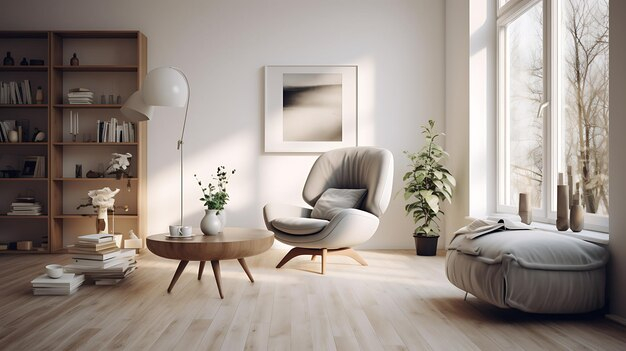
You’ve probably scrolled past hundreds of images labeled “minimalist” that looked suspiciously like a hospital waiting room. Or maybe you’ve seen “Scandinavian” rooms that were just piles of beige pillows and fake fiddle leaf figs. It’s confusing, right? In 2026, the lines feel blurrier than ever. We are all chasing that sense of calm, that breath of fresh air in our living spaces. But here is the thing designers whisper to each other when clients aren’t listening: these two styles are not cousins. They are barely acquaintances.
One is about subtraction. The other is about addition—adding warmth, adding texture, adding life. Mixing them up doesn’t just lead to a aesthetic mismatch; it leads to a home that feels wrong. You might end up with a space that looks clean but feels sterile, or one that tries to be cozy but ends up cluttered. Understanding the soul of each style changes everything. It stops being about buying the right chair and starts being about creating the right feeling.
Let’s clear the air. If you are standing in a furniture store in mid-2026, staring at two white chairs that cost the same amount, knowing the difference between a minimalist piece and a Scandinavian one will save you from a regretful purchase. It’s not just about how it looks. It’s about how it lives with you.
The Philosophy Gap: Emptiness vs. Hygge
At its core, minimalism is a practice of removal. It asks, “What can I take away?” It emerged from art movements in the 1960s and later evolved into a lifestyle reaction against consumerism. The goal is clarity. When a designer talks about minimalist pieces, they are talking about objects that serve a function without demanding attention. The piece should disappear into the space. It’s about the void. The empty wall is just as important as the painting hanging on it. Maybe more so.
Scandinavian design, on the other hand, was born out of necessity and geography. Think long, dark winters in Sweden, Norway, and Denmark. The philosophy isn’t about removing things; it’s about making life livable during those dark months. This is where hygge comes in. You can’t have hygge in a vacuum. You need soft blankets, warm light, wood that feels alive under your fingertips. Scandinavian pieces are designed to invite you in. They don’t disappear. They hug you.
This fundamental difference dictates every choice. A minimalist wants a table that is a perfect geometric plane. A Scandinavian enthusiast wants a table with grain patterns that tell a story of the tree it came from. One seeks silence. The other seeks comfort. If you try to force a minimalist philosophy into a Scandinavian layout, you strip away the warmth. If you force Scandi clutter into a minimalist box, you break the serenity.
In recent years, we’ve seen a shift. People are tired of the stark, museum-like minimalism that dominated the early 2020s. There is a hunger for connection. But that doesn’t mean everyone wants full-on rustic cabin vibes. Knowing which philosophy drives you helps you choose pieces that align with your mental state. Do you need less noise? Or do you need more warmth?
Material Matters: Steel and Glass vs. Wood and Wool
Look at the materials, and the secret spills out. Minimalist design loves the industrial. It embraces steel, chrome, glass, and polished concrete. These materials are cool to the touch. They reflect light rather than absorbing it. A minimalist sofa might have a frame of brushed aluminum and upholstery in a tight, uniform fabric that resists wrinkling. It’s precise. It’s engineered. In 2026, we are seeing even more high-tech synthetics in minimalist pieces, materials that are durable and sleek but lack organic irregularity.
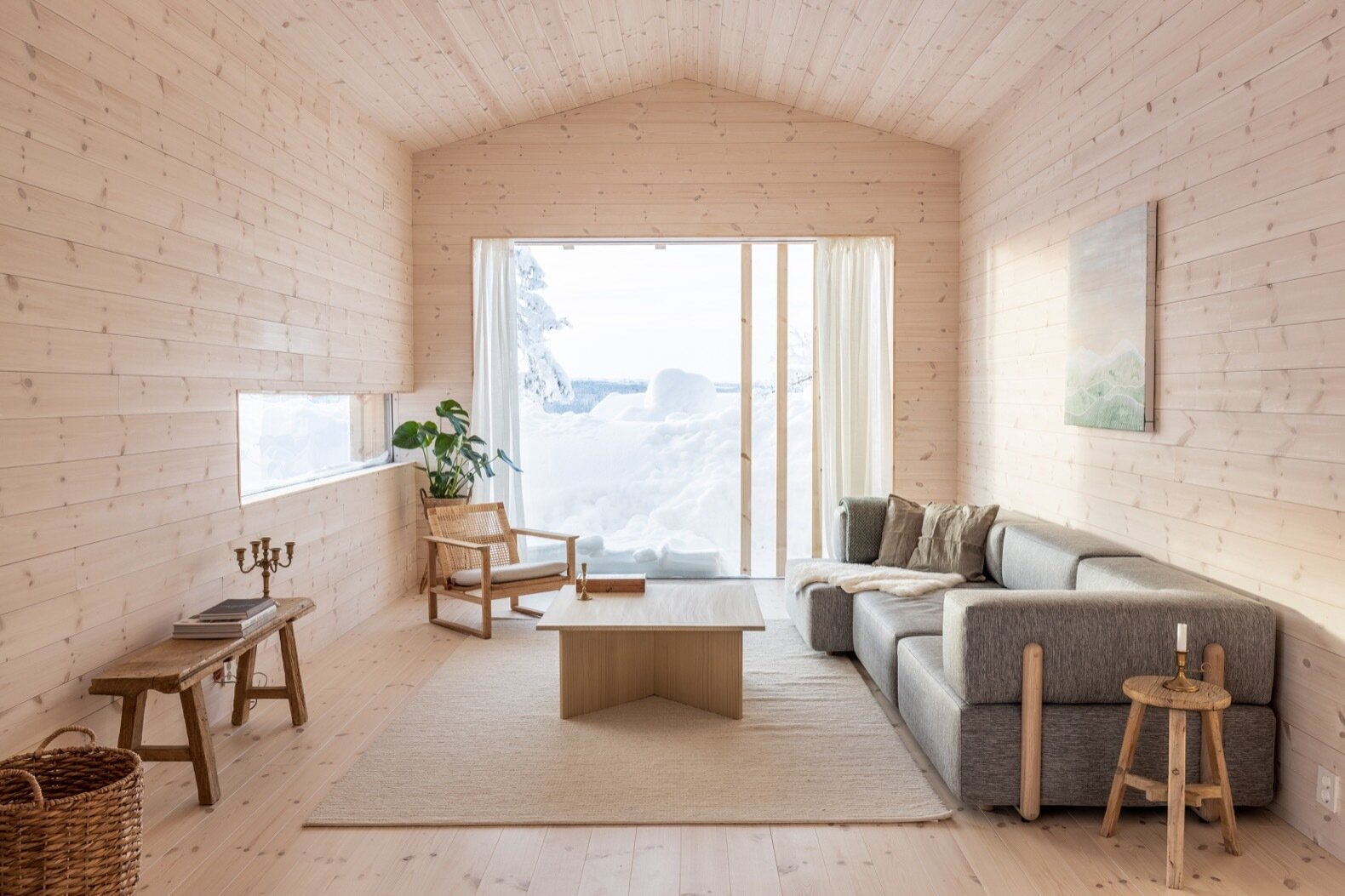
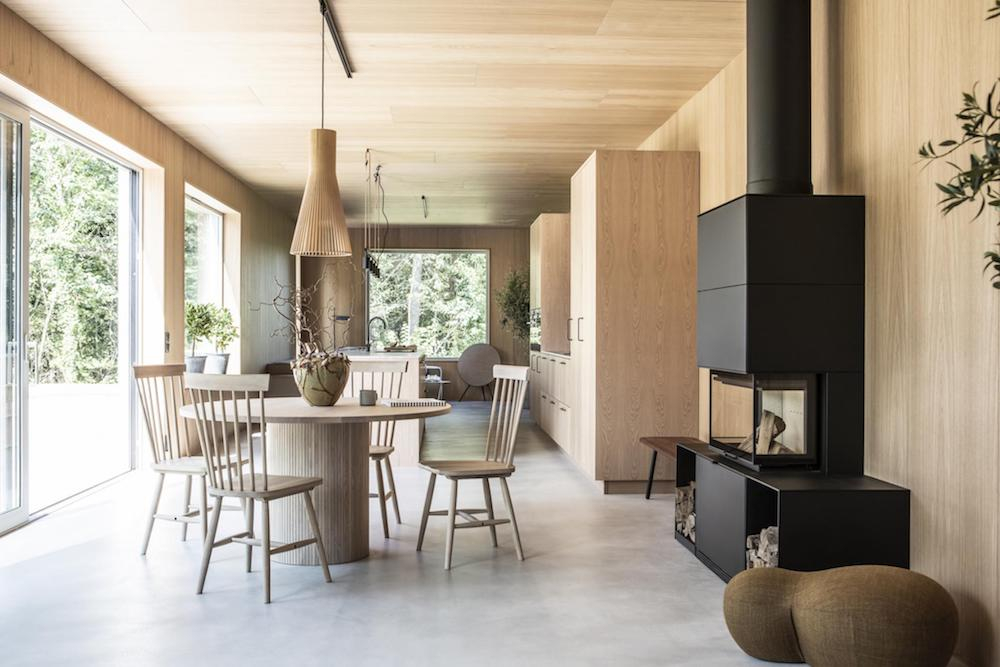
Scandinavian design is obsessed with the natural world. Because the outdoors can be harsh and unforgiving in the Nordics, the indoors must be soft. You will find solid wood—oak, ash, pine—everywhere. Not veneer, usually, but real wood that ages and changes color over time. Textiles are huge. Wool, sheepskin, linen, cotton. These materials breathe. They have texture. You can feel the weave. A Scandinavian chair isn’t just a place to sit; it’s a tactile experience.
This is where people get tripped up. They buy a wooden table and think, “Great, that’s Scandi.” But if the table is lacquered to a high gloss, has sharp, machine-cut edges, and sits on metal legs that look like robot limbs, it’s likely leaning minimalist. A true Scandinavian piece would have rounded edges (for safety and softness), a matte or oil finish, and joinery that celebrates the craft.
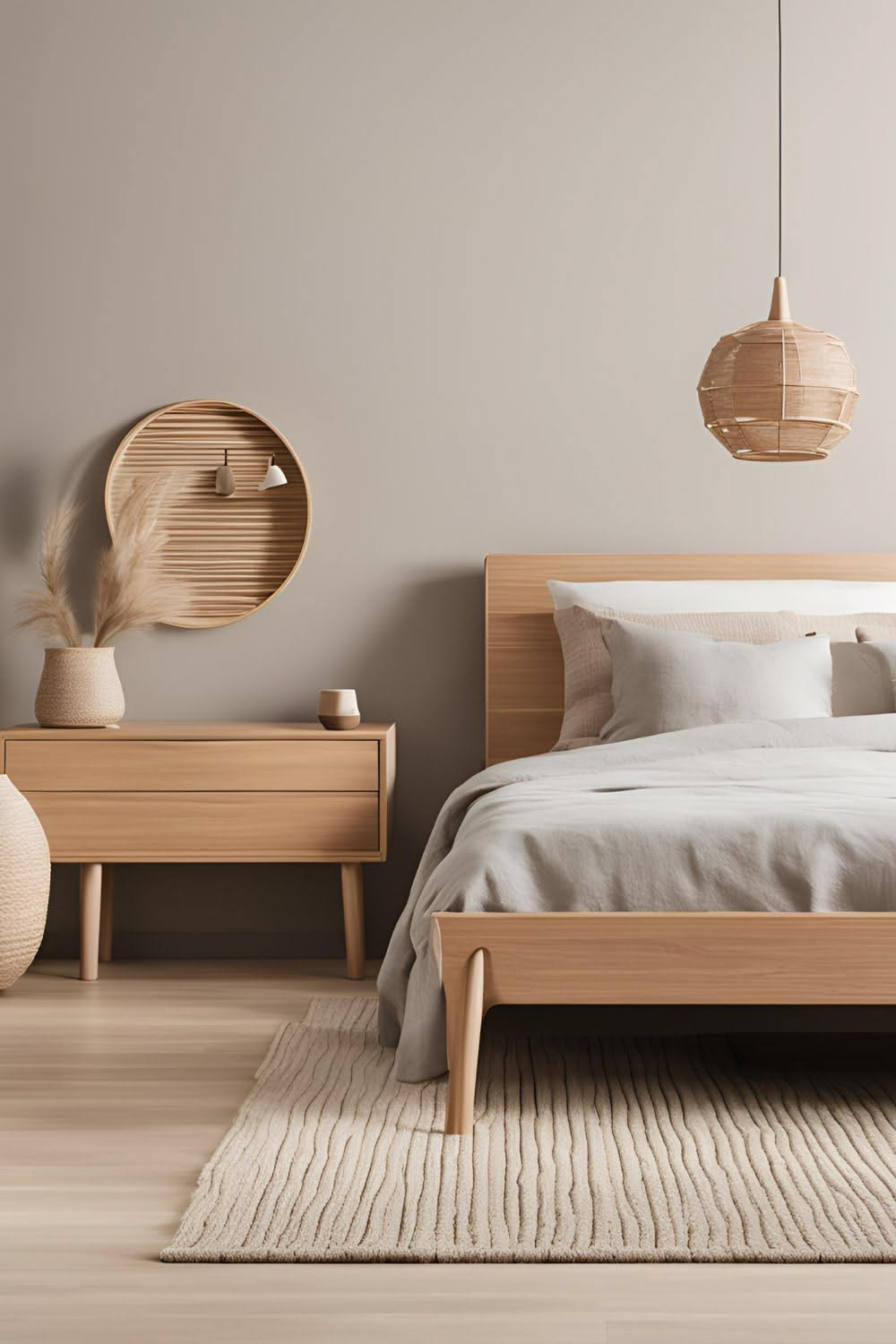
Don’t ignore the rugs. A minimalist rug is often flat-woven, low pile, maybe even abstract in a monochromatic way. It defines a zone. A Scandinavian rug is thick. It’s shaggy or knotted. It’s there to keep your feet warm when the heating bill spikes. The material choice tells you whether the designer prioritized visual purity or physical comfort.
Color Palettes: The Void vs. The Light
Both styles use white. Lots of it. This is the primary reason they get confused. But not all whites are created equal, and more importantly, what happens after the white is completely different. Minimalist spaces often stick to a monochromatic scheme. White, black, gray. Sometimes a singular accent color, used sparingly. The contrast is high. Black lines against white walls. It creates a graphic, almost architectural look. The color palette is restrictive by design. It reduces visual noise.
Scandinavian interiors use white too, but it’s usually a warmer white. Creamy. Off-white. Why? Because pure white can feel cold in low light. And then, they bring in the pastels. Soft blues, muted pinks, sage greens. These aren’t loud colors. They are whispers. They mimic the subtle shifts of light in the Nordic landscape. You might see a pale yellow throw pillow or a dusty blue vase. It’s about bringing the outside in, gently.
In 2026, we are seeing a resurgence of earth tones in Scandinavian design, moving beyond the pastel phase of the 2010s. Terracotta, moss green, deep browns. But they are still softened. Minimalist design, conversely, is doubling down on the stark. Some modern minimalist designers are experimenting with total black rooms or concrete grays, pushing the boundary of how little color a space can have.
If you are painting your walls, ask yourself: Do I want the walls to vanish (minimalist) or do I want them to glow (Scandinavian)? A minimalist room feels like a gallery. A Scandinavian room feels like a sunrise. The lighting plays a huge role here too. Minimalist lighting is often recessed or track-based, invisible sources. Scandinavian lighting is decorative. Pendant lamps with paper shades, floor lamps with brass accents. The light fixture is a jewelry piece for the room.
Form and Function: Sharp Lines vs. Organic Curves
Geometry rules minimalism. Squares. Rectangles. Straight lines. If there is a curve, it is a perfect circle or a precise arc. The forms are abstract. They don’t necessarily mimic nature. A minimalist bookshelf is a grid. It’s efficient. It maximizes storage while minimizing visual weight. The function is paramount, but the form is reduced to its absolute essential structure. There is no ornamentation. No carving. No fuss.
Scandinavian form is organic. It flows. Look at the legs of a classic Danish chair from the 1950s. They taper. They curve. They resemble branches or bones. This is biomimicry. The design follows the human body. It’s ergonomic before ergonomics was a buzzword. A Scandinavian sofa has rounded arms. It invites you to curl up. The shapes are softer, more approachable. Even the tables often have oval or round tops to prevent bumping hips in small spaces.
This distinction is crucial when mixing pieces. Putting a sharp, angular minimalist coffee table in front of a soft, curvy Scandinavian sofa can work, but it creates tension. It’s a clash of languages. One is shouting in block capitals; the other is speaking in cursive. Designers often advise picking one dominant language for the major furniture pieces.
In recent trends, we’ve seen a blending called “Soft Minimalism,” which takes the clean lines of minimalism but rounds off the edges. It’s a compromise. But purists in both camps will tell you that the intent matters. Did the designer cut the corner to save space and create order? Or did they round the corner to protect the child running past and to please the eye?
The Role of Clutter: Hidden vs. Displayed
Here is a hard truth: minimalism requires discipline. It demands that you hide your stuff. Storage solutions in minimalist design are seamless. Cabinets with no handles. Closets that look like walls. The idea is that if you can see it, it’s clutter. Everything has a place, and that place is out of sight. A minimalist home looks empty because the objects of daily life are concealed. It’s a constant editing process.
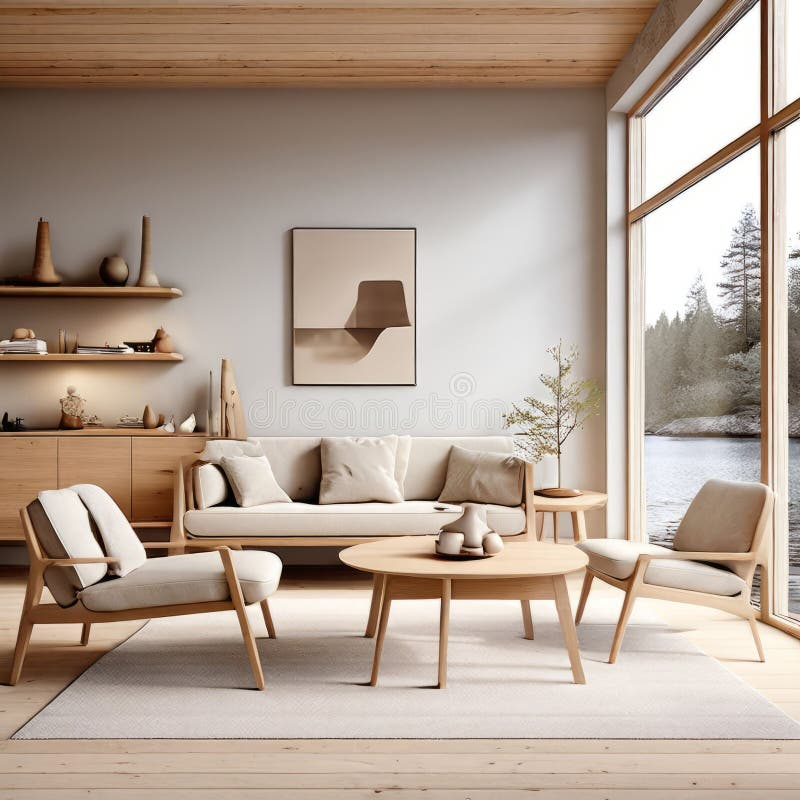
Scandinavian design accepts clutter. Well, not mess. But life. Open shelving is common. You display your favorite ceramics. You stack your books. You leave a blanket draped over the chair. The style assumes that you live in your home. It’s okay to see the mug you drank coffee from this morning. In fact, showing these items adds to the narrative of the space. It makes it personal.
This is the biggest practical difference for everyday people. Can you maintain a surface-free countertop? If yes, minimalist might suit you. If you like having your spice jars and cutting boards within reach and visible, Scandinavian is more forgiving. It integrates storage but doesn’t hide existence.
In 2026, with smaller living spaces becoming the norm in urban centers, the Scandinavian approach to vertical storage—open shelves, wall hooks—is gaining traction over the minimalist “hide everything” approach. People want their homes to reflect their hobbies and interests. A minimalist home reflects the absence of distraction. A Scandinavian home reflects the presence of comfort.
Lighting and Atmosphere: Clinical vs. Cozy
Lighting makes or breaks these styles. Minimalist lighting is often about abundance of light. Bright, even illumination. It eliminates shadows. Shadows are seen as visual noise. You’ll see large windows with sheer or no curtains to let in maximum daylight. Artificial light is cool or neutral white, mimicking daylight. It’s energizing. It’s clear. It helps you focus.
Scandinavian lighting is about managing the darkness. Since daylight is scarce in winter, the artificial light must be warm. Amber tones. Low levels. Multiple sources. You never rely on one big ceiling light. You have table lamps, floor lamps, candles. Lots of candles. The goal is to create pockets of warmth. Shadows are welcome. They add depth and intimacy. The atmosphere is dim, inviting relaxation and conversation.
Think about your evening routine. Do you want to come home to a bright, airy space that feels expansive? Or do you want to come home to a dim, nest-like space that signals rest? Minimalist spaces can feel cold at night if not carefully lit. Scandinavian spaces can feel cramped if too dark. But the intent is different. One fights the dark; the other embraces the cozy confines.
Designers often suggest layering. But in minimalism, the layers are hidden. In Scandinavian design, the layers are visible. The lamp itself is part of the decor. The candle holder is a sculpture. The light fixture contributes to the mood, not just the visibility.
So, which one is right for you? The answer is rarely 100% one or the other. Most of us live in the gray area. We want the calm of minimalism but the warmth of Scandinavia. The trick is to know which lever to pull. If your space feels chaotic, lean into minimalist principles. Clear the surfaces. Hide the cords. Choose sleeker lines. If your space feels sterile or unwelcoming, lean into Scandinavian elements. Add a wool throw. Swap a metal lamp for a wooden one. Bring in a plant.
In 2026, the trend is towards “intentional living.” This means choosing pieces that serve your emotional needs, not just a Pinterest board. Don’t buy a minimalist chair if you hate sitting upright. Don’t buy a bulky Scandinavian sectional if you love open floor space. Listen to your body. How do you want to feel when you walk through the door?
Start with one room. Pick three key pieces. Ask yourself: Is this piece trying to disappear, or is it trying to hug me? If you can answer that, you’re already thinking like a designer. You’re moving beyond labels and into the realm of creating a home that actually works for your life.
It’s not about perfection. It’s about resonance. A minimalist vase might be beautiful, but if it makes you afraid to touch it, it’s not right for your kitchen counter. A Scandinavian rug might shed a little, but if it makes your bare feet happy, it’s worth it. Design is personal. It’s subjective. But understanding the roots of these styles gives you the vocabulary to advocate for your own comfort.
So go ahead. Mix them if you want. Put a sleek, minimalist table in a room full of soft, Scandi textures. Just know why you’re doing it. Know that you are balancing the void with the warmth. And that balance? That’s where the magic happens. That’s where a house becomes a home.