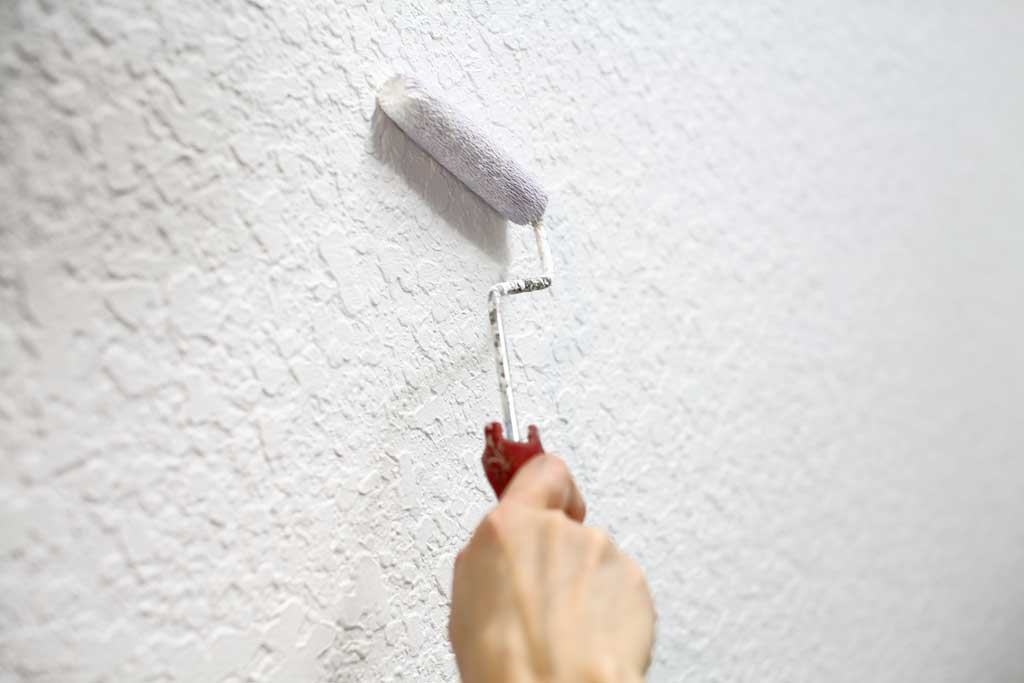
For years, we’ve been staring at flat, white walls. They were safe. They were clean. But let’s be honest, they were also a little bit cold. If you’ve walked into a room lately and felt an urge to reach out and touch the surface, you’re not alone. That instinct? It’s the driving force behind the biggest shift in home design this year. We are done with sterile minimalism. We are craving connection.
In 2026, the question isn’t just “what color should we paint?” anymore. It’s “how does this feel?” Designers across the globe are swapping out smooth drywall for surfaces that have depth, grit, and soul. From the rough honesty of limewash to the rhythmic groove of acoustic fluting, our walls are waking up. And they’re bringing color with them—not just as a coat, but as an experience. This is the year we stop looking at our homes and start feeling them.
The Rise of the Haptic Home
We spent too much time isolated. Too many hours scrolling through screens. Our eyes are tired, but our hands? They’re hungry for contact. This cultural fatigue has sparked what experts are calling the “haptic home.” It’s a fancy term for a simple idea: spaces that comfort us through touch rather than just visual excess. After years of virtual living, we are reconnecting with our senses in a profound way.
Think about it. When was the last time you ran your hand along a wall and actually enjoyed the sensation? In 2026, texture is the new luxury. It’s not about adding more stuff; it’s about making the stuff we have matter more. A wall with subtle ridges catches the light differently throughout the day. It changes with you. It breathes. This shift away from stark, perfect surfaces toward materials that invite interaction is redefining what it means to live well.
It’s a response to the digital overload. We want our physical environments to ground us. Tactile minimalism is rising because it offers calm without being boring. It’s the difference between a hotel lobby that looks expensive but feels cold, and a living room that wraps around you like a favorite sweater. The elite design world has moved past the paint bucket. The most sophisticated spaces now are defined by tactility.
Beyond Paint: Materials That Invite Touch
So, what does this actually look like in practice? It starts with letting go of the idea that walls need to be perfectly smooth. Limewash paint is having a massive moment, and for good reason. It creates a cloudy, mottled finish that feels ancient and modern all at once. It’s breathable, sustainable, and adds a layer of visual noise that calms the mind. You can see the brushstrokes. You can feel the variation.
Then there’s the return of 3D embossed wallpapers and acoustic fluting. These aren’t just for soundproofing (though they help with that too). They add rhythm to a room. Vertical lines draw the eye up, making ceilings feel higher. Horizontal grooves can make a small space feel wider. But more importantly, they break up the monotony of a flat plane. When light hits these textures, it creates shadows and highlights that change as you move through the room.
Natural materials are leading the charge here. Think clay plaster, textured grasscloths, or even reclaimed wood paneling. These materials bring the outside in, but not in a cliché way. They bring the feel of the outside in. The roughness of stone, the warmth of wood, the softness of woven fibers. These are surfaces that age beautifully. They don’t just sit there; they participate in the life of the home. It’s about choosing materials that have a story written in their grain.
Immersive Color and the Art of Drenching
Color in 2026 isn’t timid. We are seeing a decisive shift toward “color drenching.” This is where you paint everything—the walls, the trim, the ceiling, even the doors—in the same rich, saturated hue. It sounds bold, maybe even scary, but the effect is incredibly cozy. It blurs the boundaries of the room, making it feel like a jewel box or a warm embrace.
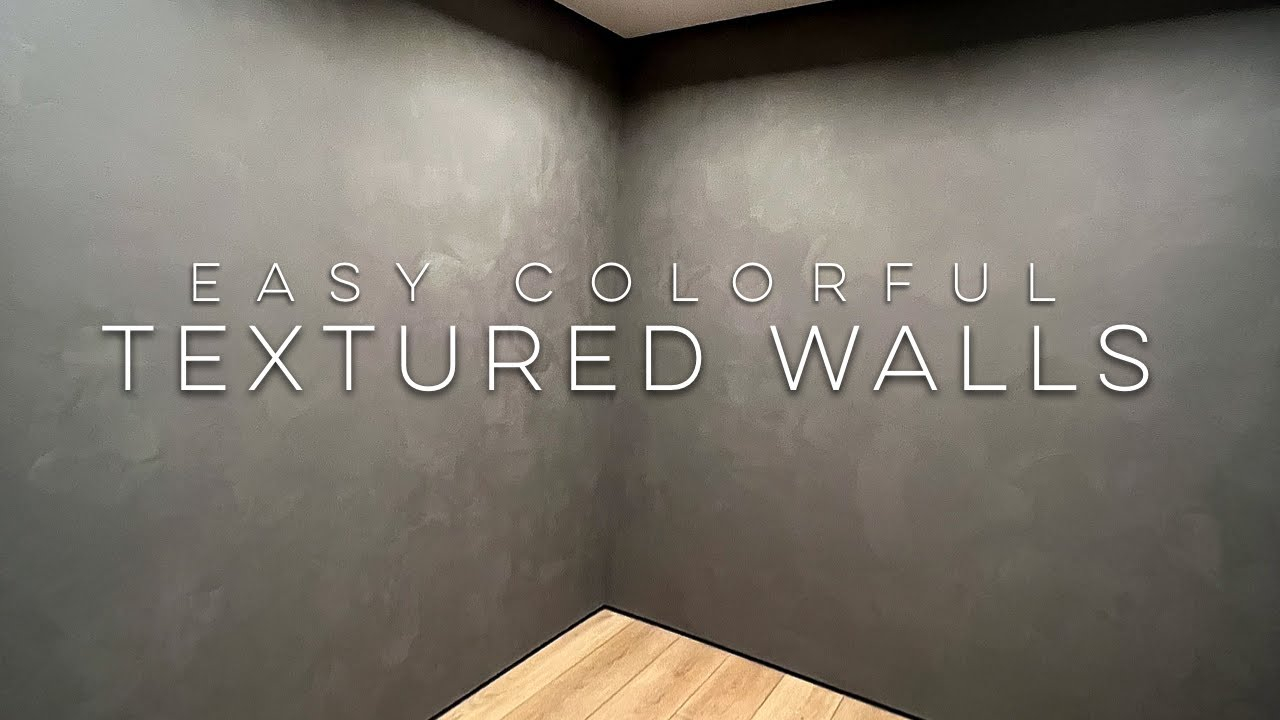
The palette is shifting too. Goodbye, cool grays. Hello, nuanced blues, deep earth tones, and warm terracottas. These colors work best when paired with texture. A flat navy blue can feel heavy. But a navy blue on a textured plaster wall? It feels deep and mysterious. The texture catches the light, breaking up the color so it doesn’t feel overwhelming. It becomes immersive. You don’t just see the color; you inhabit it.
This approach allows for personal expression in a way that neutral walls never could. It’s confident. It says, “I know who I am, and I’m not afraid to show it.” Whether it’s a moody green in a study or a soft, dusty pink in a bedroom, these immersive colors create mood. They set the tone for how you feel in a space. And when you combine that with tactile surfaces, the result is a room that feels curated, intentional, and deeply comforting.
Texture-Maxxing: Layering for Depth
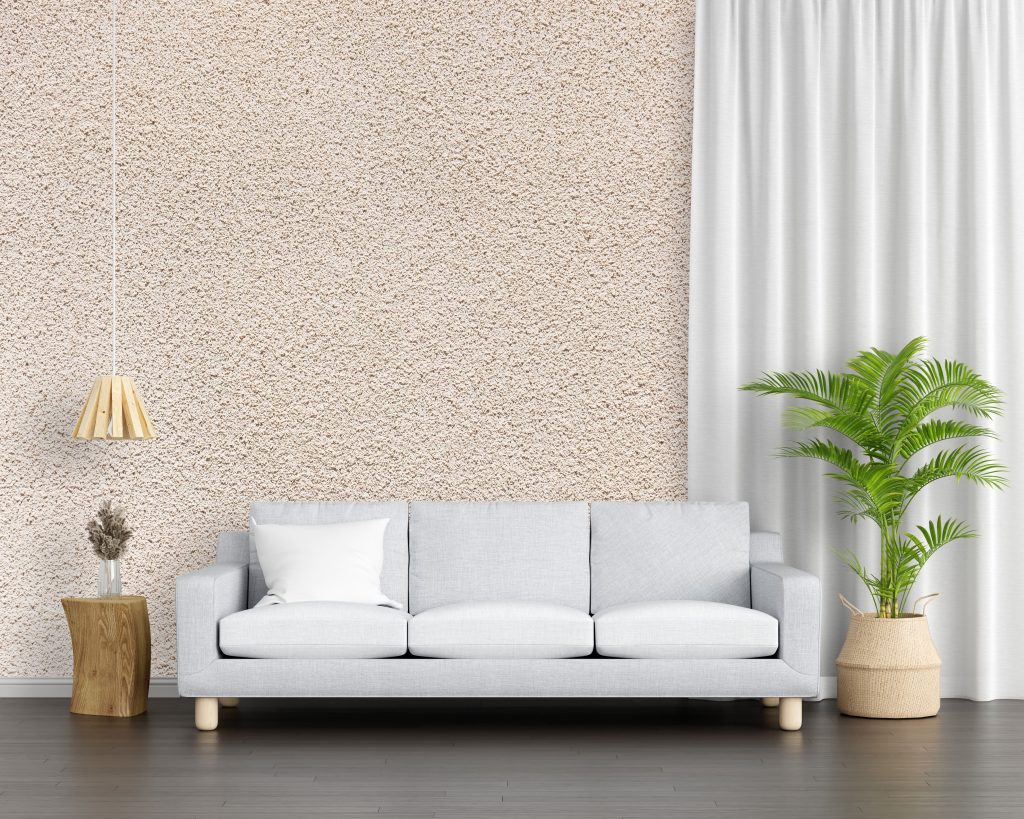
If you’re worried about going too bold, don’t be. The trend of “texture-maxxing” is all about layering. It’s not about doing one big thing; it’s about combining smaller tactile elements to create a rich tapestry. Start with the walls, sure. But then look at how those walls interact with the rest of the room. A rough plaster wall pairs beautifully with a soft, nubby linen sofa. A smooth, glossy tile backsplash contrasts nicely with matte, wooden cabinets.
This is where the magic happens. It’s the interplay between different surfaces. Think about the floor under your feet, the fabric of your curtains, the metal of your lamp bases. In 2026, we’re mixing these intentionally. Unlacquered brass, for example, develops a patina over time. It changes. It touches back. Hand-loomed linens have irregularities that machine-made fabrics lack. These imperfections are what make a home feel lived-in and loved.
You don’t need to renovate your entire house to get this effect. Start small. Add a textured wallpaper to a powder room. Swap out smooth cotton sheets for linen. Layer rugs with different piles. The goal is sensory immersion. You want your home to feel as good as it looks. When you layer textures, you create depth. You create interest. You create a space that invites you to slow down and notice the details.
Sustainable Sensory Design
There’s another layer to this trend, and it’s an important one. Sustainability. Many of the tactile materials gaining popularity are naturally sourced and eco-friendly. Clay plasters, limewash, and natural fiber wallpapers are often low-VOC and biodegradable. They’re better for the air quality in your home and better for the planet. This aligns with a broader desire for intelligent living. We want our homes to be healthy, not just pretty.
But sustainability isn’t just about the materials themselves. It’s about longevity. Trendy, flat paints chip and scuff. They look tired after a few years. Textured finishes, on the other hand, hide wear and tear. They age gracefully. A scratch on a limewash wall just adds to the character. This durability means you don’t have to repaint every two years. You invest in quality once, and it lasts. That’s sustainable design in action.
Moreover, these natural materials often come from artisanal sources. Supporting local craftsmen who make hand-troweled plaster or woven wall coverings keeps traditional skills alive. It connects us to the human hands that made our homes. In a world of mass production, there’s something deeply grounding about knowing that the wall in front of you was shaped by a person, not just a machine. It adds a layer of meaning to the texture.
Practical Ways to Start Your Tactile Journey
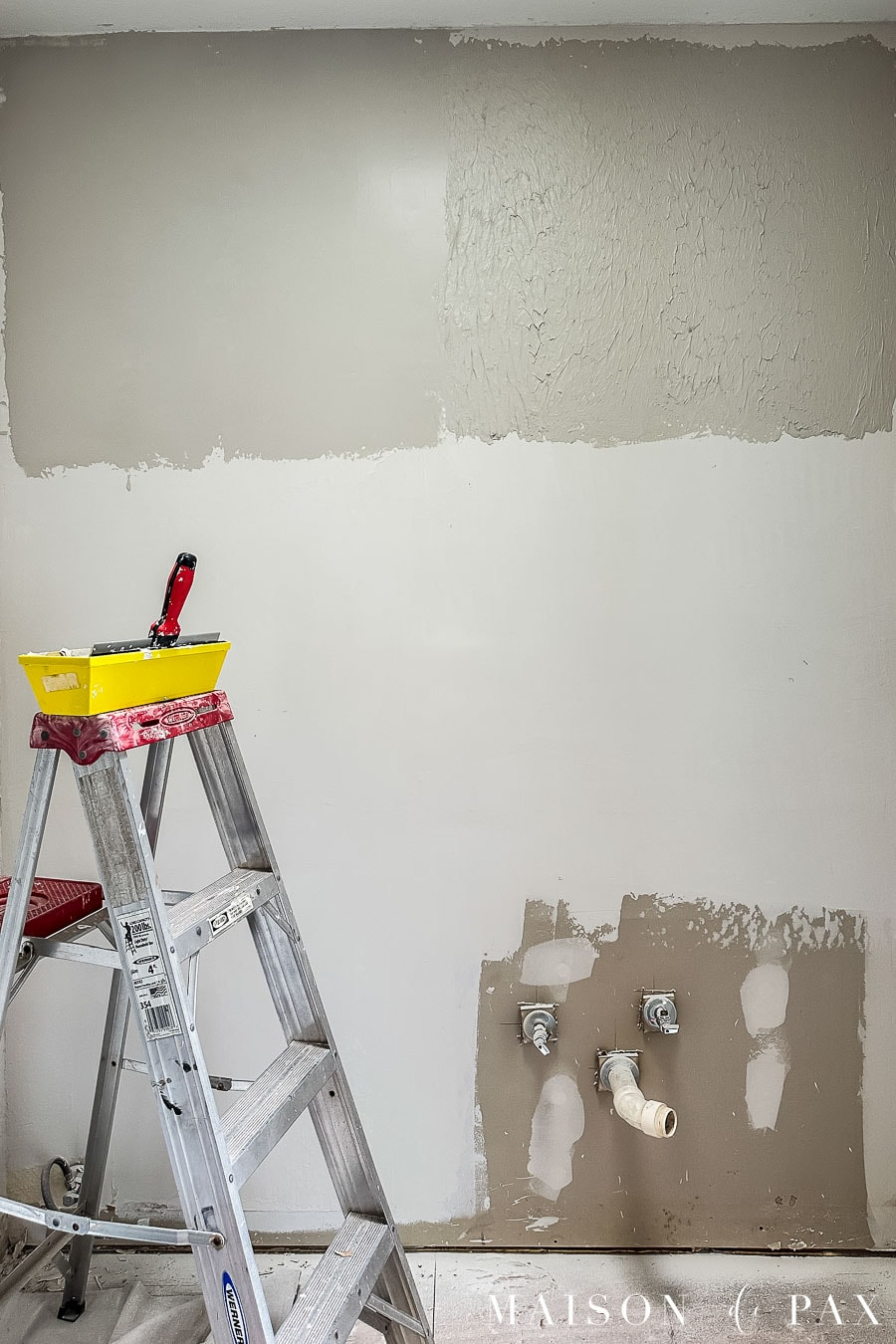
Ready to dive in? You don’t need to knock down walls to start. Begin with a single accent wall. Try a limewash paint in a color that makes you feel calm. It’s easier to apply than you think, and the imperfect finish is part of the charm. Don’t worry about getting it “right.” The beauty is in the variation. If you’re renting, look for peel-and-stick wallpapers with raised textures. They’ve come a long way and can add significant depth without damaging the drywall.
Lighting plays a huge role in how texture is perceived. Make sure you have layered lighting. Overhead lights can flatten a room. Use wall sconces, floor lamps, and table lamps to cast light across your textured surfaces from different angles. This highlights the ridges and grooves, making the texture pop. Dimmers are your friend here. Being able to adjust the light intensity allows you to change the mood of the room instantly.
Finally, trust your instincts. Walk around your home and notice what feels missing. Is a room too quiet? Add some visual noise with a textured wall covering. Is it too cold? Warm it up with earthy tones and natural fibers. There are no strict rules. The goal is to create a space that feels like you. Experiment. Mix materials. Play with color. Your home should be a sanctuary for your senses, not a showroom for perfection.
As we move further into 2026, the message is clear: our homes should nurture us. They should be places where we can disconnect from the digital world and reconnect with ourselves. Tactile wall textures and immersive color are more than just design trends. They are tools for well-being. They help us create environments that support our mental and emotional health.
By embracing texture, we invite slowness. We encourage mindfulness. When you run your hand along a rough-hewn wall, you are present in the moment. You are noticing the details. You are appreciating the craft. This shift toward the haptic home is a rejection of the fast, the flat, and the disposable. It’s an affirmation of the lasting, the deep, and the real.
So, go ahead. Pick up that sample pot of textured paint. Feel the weight of that woven wallpaper. Let yourself be drawn to the colors that speak to your soul. Your home is waiting to be felt. And in 2026, there has never been a better time to listen to what your hands are telling you. The walls are talking. Are you ready to touch them back?