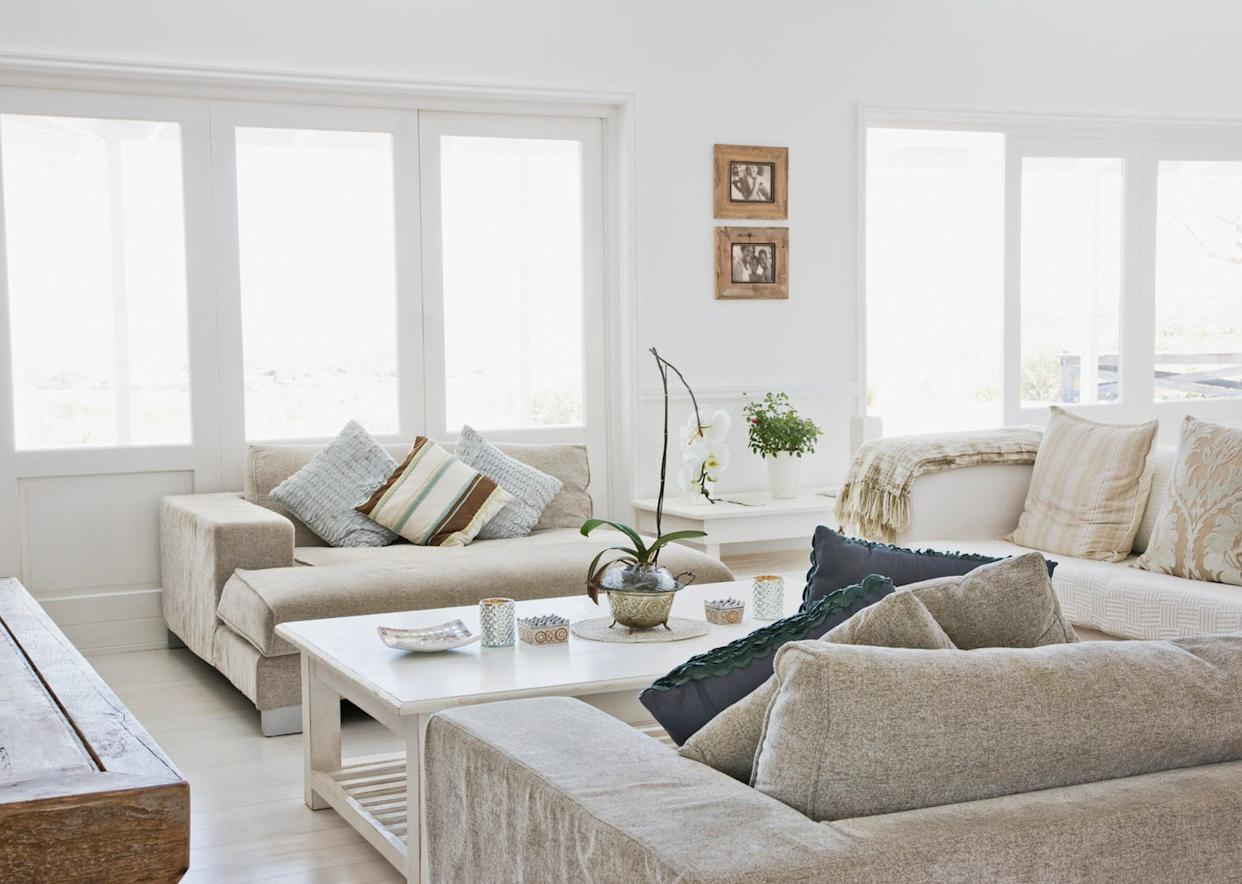
Ever walked into a friend’s apartment and felt like the walls were closing in? It’s not always about square footage. Sometimes, it’s just bad layout choices. We’ve all been there. You buy a couch because it looked great in the showroom, but now it blocks your only window. Or maybe you painted everything white hoping for an airy vibe, but it just feels sterile and cold.
Small spaces are tricky. They demand precision. One wrong move can throw off the whole room. But here’s the good news: you don’t need a massive budget or a degree in interior design to fix it. You just need to know what not to do. In 2026, the trend isn’t about hiding your small space; it’s about celebrating it. Let’s dive into the blunders that are sabotaging your cozy corner and how to turn them around.
Pushing Furniture Against the Walls
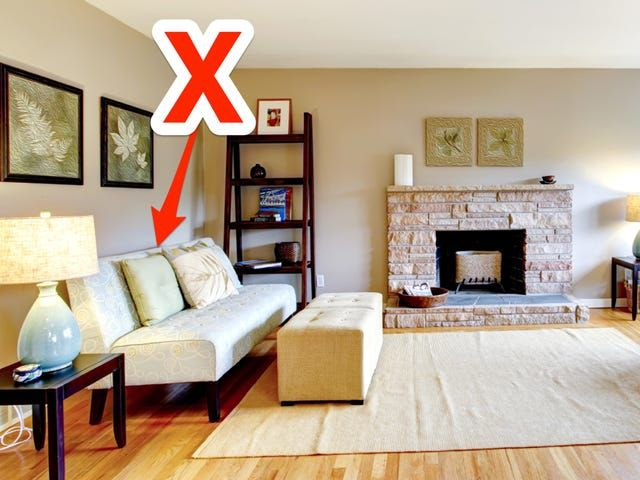
It seems logical, right? If you push everything to the edges, you get more open floor space in the middle. That’s what most of us were taught. But designers have been shouting from the rooftops for years that this is actually one of the biggest mistakes you can make. When you line your sofa and chairs against the perimeter, you create a "dance floor" effect. The center feels empty, but the edges feel crowded. It kills intimacy.
Instead, try floating your furniture. Pull that sofa just a few inches away from the wall. If you have the room, angle it slightly. This creates depth and makes the room feel larger because your eye travels around the pieces rather than hitting a flat wall. It also allows for better traffic flow. In tiny rooms, conversation areas should feel connected, not scattered. By grouping seats closer together, you create a cozy nook that invites people to sit and stay awhile.
Think about the scale, too. A massive sectional might look impressive online, but in a 10×12 room, it’s a monster. Opt for armless chairs or sofas with raised legs. Seeing the floor continue underneath the furniture tricks the brain into thinking there’s more space. It’s a simple visual hack that works wonders. Don’t be afraid to experiment. Move things around until the flow feels natural, not forced.
Ignoring Vertical Space
When floor space is limited, your only option is to go up. Yet, so many people leave their walls bare or hang art at eye level, ignoring the potential above. This is a missed opportunity. Vertical space draws the eye upward, making ceilings feel higher and the room more expansive. In 2026, we’re seeing a huge shift towards tall, slender bookshelves and floor-to-ceiling curtains. These elements add drama without eating up precious square footage.
Start with your window treatments. Hang curtain rods as close to the ceiling as possible, not just above the window frame. Let the fabric pool slightly on the floor or kiss it gently. This elongates the wall. It’s a classic trick, but it never gets old. Similarly, use tall storage units. A narrow bookshelf that reaches the ceiling provides ample storage for books, plants, and decor without widening the footprint. It anchors the room and adds architectural interest.
Don’t forget about wall-mounted solutions. Floating shelves are your best friend. They keep clutter off surfaces while adding display space. You can stack them vertically to create a gallery effect. Just remember to keep them styled lightly. Overloading shelves makes a small room feel chaotic. Mix books with negative space. Add a trailing plant to soften the lines. The goal is to create height without heaviness.
Choosing the Wrong Scale and Proportion
This is where things get messy. Literally. Buying furniture that is too big is obvious, but buying pieces that are too small is just as bad. It’s called the "dollhouse effect." When you fill a room with tiny, delicate furniture, it doesn’t make the room look bigger; it makes the furniture look cheap and the space feel disjointed. You need a balance. A few well-proportioned pieces are better than a dozen tiny ones.
Focus on multifunctional items. In 2026, versatility is key. Look for ottomans with storage inside. Choose a coffee table that can lift up to become a dining desk. These pieces serve double duty, reducing the need for extra furniture. But be careful with the bulk. A storage ottoman should still have clean lines. Avoid overstuffed, bulky shapes that dominate the visual field. Lighter visual weight is crucial.
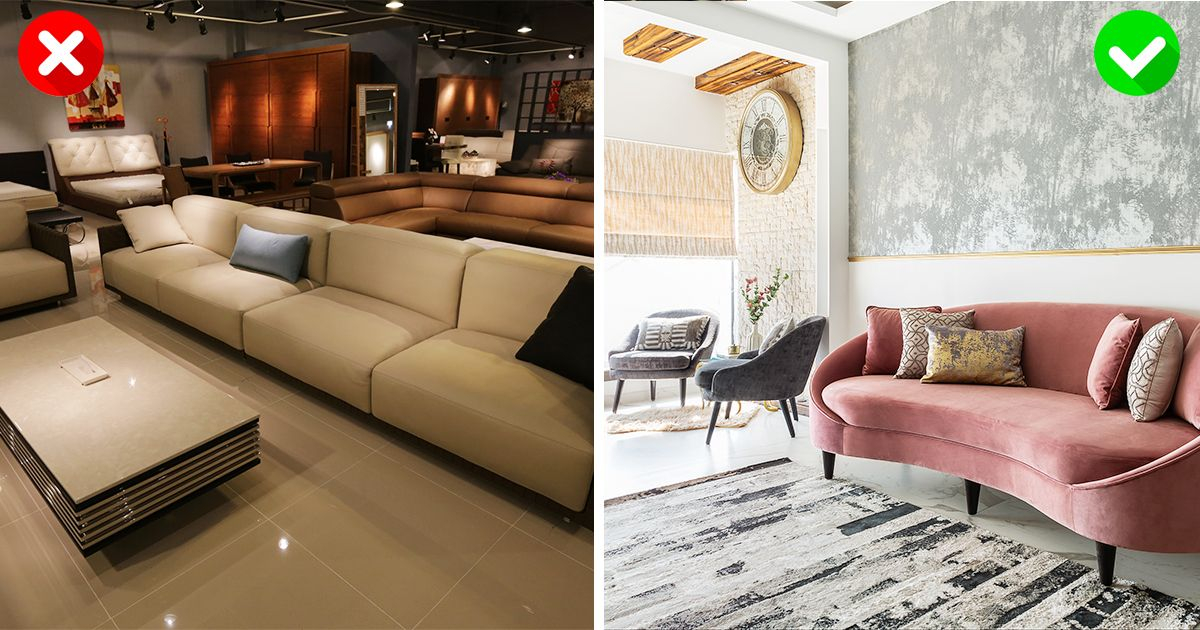
Also, consider the legs. Furniture with exposed legs feels lighter than pieces that sit directly on the floor. A sofa on wooden legs allows light and sightlines to pass through, creating a sense of airiness. Contrast this with a boxy, skirted sofa that blocks views and absorbs light. It’s a subtle difference, but it changes the entire feel of the room. Measure twice, buy once. And if possible, tape out the dimensions on your floor before purchasing. It helps you visualize the true scale.
Neglecting Layered Lighting
One overhead light fixture is not enough. In fact, it’s probably the quickest way to make a small room feel like a cave. Harsh, single-source lighting creates shadows in corners and flattens the space. You need layers. Think of lighting in three categories: ambient, task, and accent. Ambient is your general glow. Task is for reading or working. Accent highlights art or architectural features.
In a tiny living room, floor lamps and table lamps are essential. Place them in corners to push back the darkness. Use warm bulbs (around 2700K to 3000K) to create a welcoming atmosphere. Cool white light can feel clinical and shrink the space further. In recent years, LED strip lights behind TVs or under shelves have become popular for adding a soft, modern glow. They take up zero space but add significant depth.
Don’t rely solely on natural light, either. While mirrors help bounce daylight around, you need a plan for nighttime. Dimmers are a game-changer. Being able to lower the lights instantly transforms the mood from functional to relaxing. It also allows you to highlight specific zones. Maybe you want the reading corner bright and the TV area dim. Layering gives you that control. It makes the room feel curated and intentional, not just lit.
Cluttering Surfaces and Floors
Clutter is the enemy of small spaces. But here’s the twist: minimalism doesn’t mean empty. It means intentional. Many people mistake "decorating" for "filling every surface." They put knick-knacks on every shelf, rug, and table. This creates visual noise. In a small room, your eye has nowhere to rest. It bounces around frantically, making the space feel smaller and more stressful.
The fix? Edit ruthlessly. Keep surfaces clear. If you have a coffee table, limit it to two or three items: a book, a candle, and maybe a small tray. Everything else goes in storage. Hidden storage is vital. Baskets, bins, and cabinets with doors keep the visual clutter at bay. In 2026, sleek, handle-less cabinets are trending because they blend into the walls, creating a seamless look.
Floor space matters too. Avoid large, busy rugs that overwhelm the room. Instead, choose a rug that fits the seating area properly. All front legs of the furniture should sit on the rug. This defines the zone without chopping up the floor. Keep pathways clear. If you have to sidestep a pile of magazines or a stray shoe, the room feels cramped. A clear path signals openness. It’s about breathing room, literally and figuratively.
There’s a myth that small rooms must be white. While white reflects light, it can also feel flat and boring. In 2026, we’re embracing color. Dark colors, when used correctly, can actually make a small room feel cozier and more infinite. Think of a dark accent wall or a deep navy sofa. It adds depth and sophistication. The key is contrast. Pair dark tones with lighter textures to keep it from feeling heavy.
Pattern is another tool. Don’t shy away from it. A bold patterned pillow or a geometric rug can add personality without taking up physical space. Just keep the scale in mind. Large patterns can overwhelm, while small, tight patterns might look busy. Medium-scale patterns often work best. Use them sparingly. One statement piece is enough. Let it be the focal point.
Texture is equally important. In a monochromatic scheme, texture prevents boredom. Mix wool, velvet, leather, and wood. These materials catch light differently and add tactile interest. A chunky knit throw on a smooth leather chair creates a dynamic interplay. It makes the room feel rich and layered. Don’t be afraid to express your style. A small room is an opportunity to be bold, not a reason to be bland. Your home should reflect you, not a catalog.
So, there you have it. Decorating a tiny living room isn’t about restriction; it’s about strategy. By avoiding these common blunders, you can create a space that feels open, inviting, and uniquely yours. Remember to float your furniture, look up, choose the right scale, layer your light, declutter, and embrace color. It takes a bit of trial and error, but the result is worth it.
Your home is your sanctuary. It should comfort you, not stress you out. If you’re feeling stuck, start with one change. Move a chair. Swap a lamp. Paint a wall. Small steps lead to big transformations. Don’t worry about getting it perfect on the first try. Design is a journey. Enjoy the process. After all, it’s your space. Make it sing.