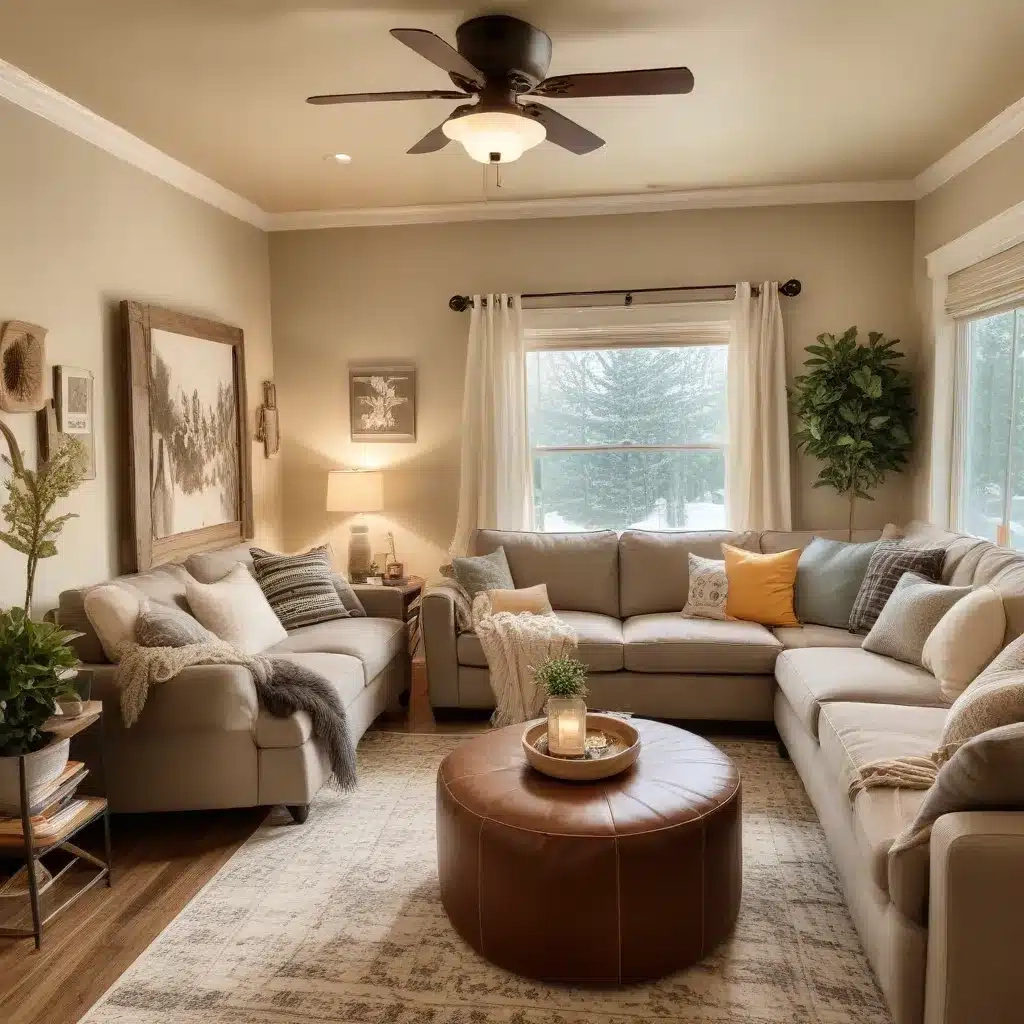
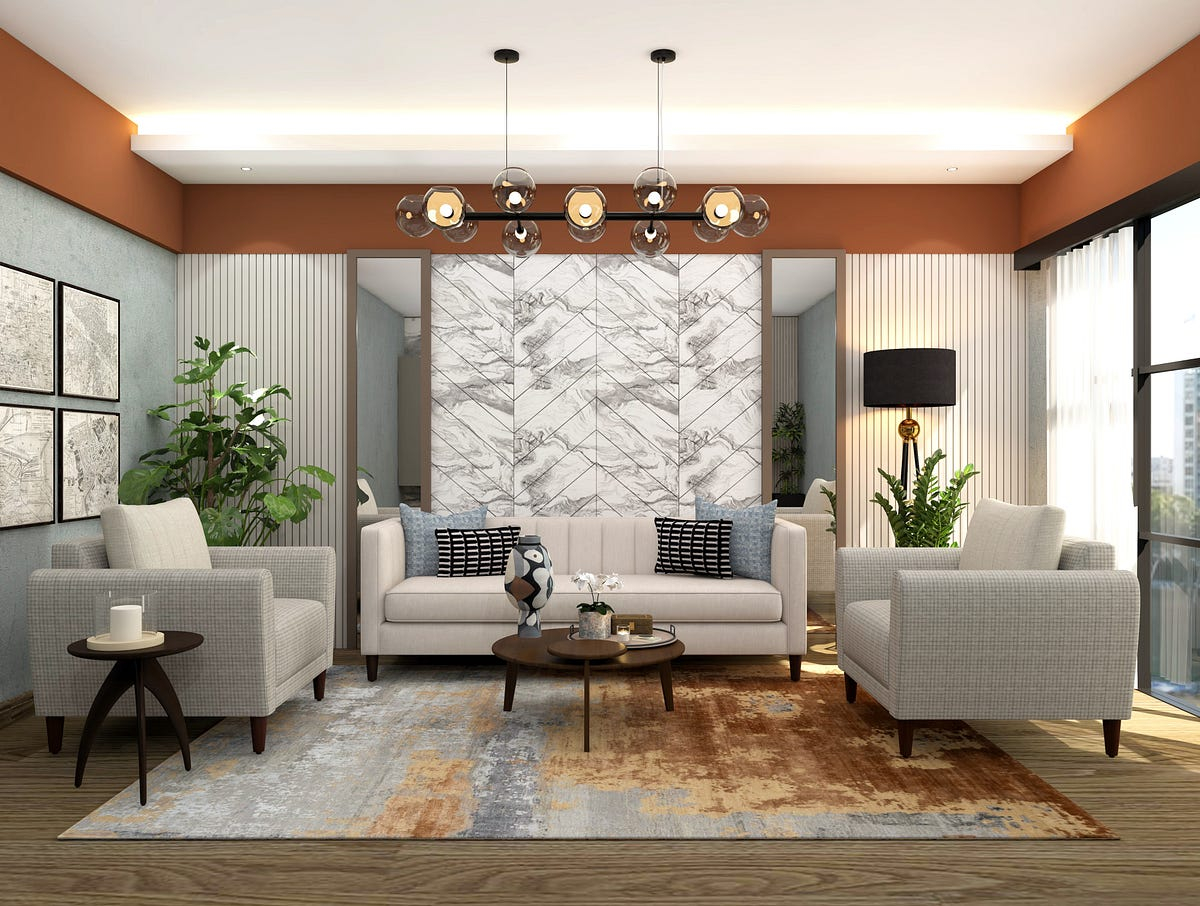
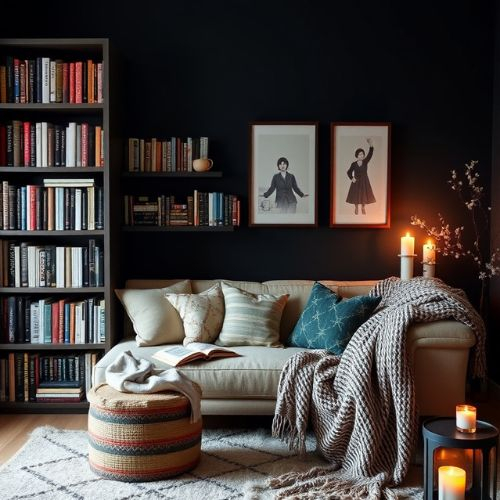
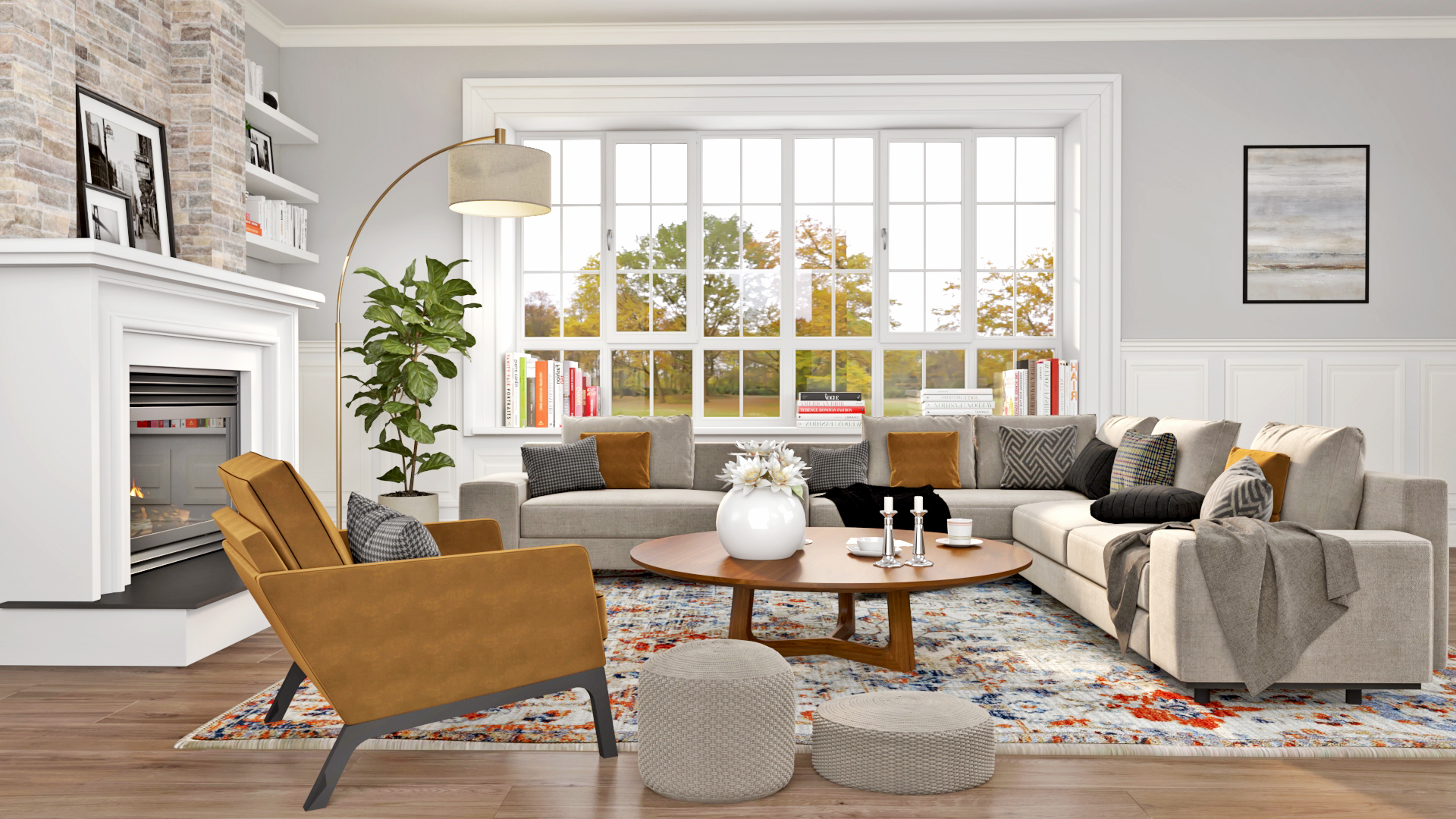
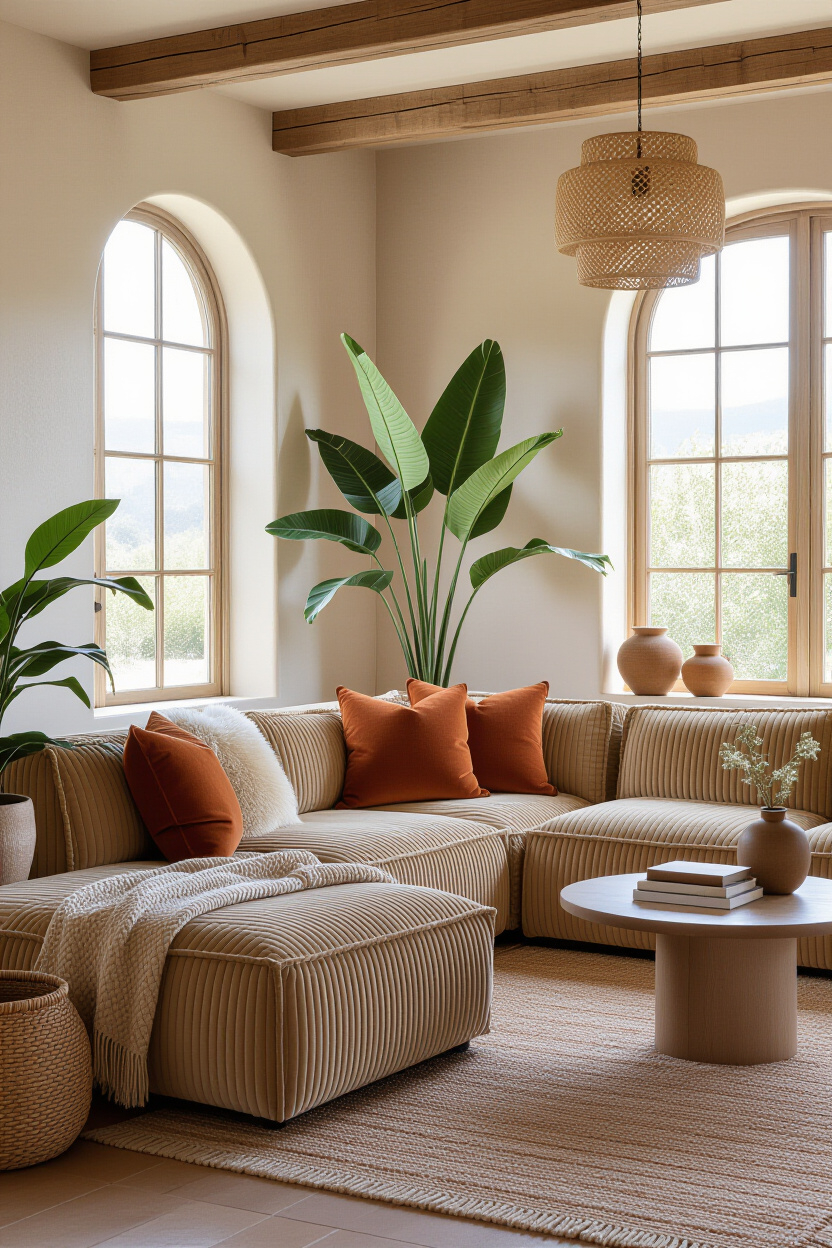
The morning light cuts through a south-facing window, landing squarely on a frayed, secondhand oak dining table that cost forty dollars on a local marketplace app. Surrounding it are four mismatched chairs, each rescued from a different decade. Yet, the corner breathes. A heavy linen runner softens the scarred wood; a low ceramic vessel holds wild branches clipped from a neighborhood alley; an oversized paper pendant fixture casts a warm, sculptural shadow across the ceiling. Walk into this room, and your nervous system downshifts. It feels rich, curated, and entirely alive.
Now, cross the threshold into a newly constructed penthouse three miles away. Here sits an imported Italian leather sectional backed by a massive international designer receipt total that could buy a small sedan. The surfaces are pristine, yet the room feels cold, hollow, and aggressively sterile. It has square footage, expensive materials, and brand-name prestige. What it lacks is a soul. The stark contrast between these two environments exposes a quiet truth that many design magazines rarely admit: throwing money at a furniture showroom does not automatically make a home.
For decades, the cultural script of interior design has relied on consumption. Consumers are told that luxury is synonymous with price tags, that a better living room requires a five-figure sofa, and that achieving a polished aesthetic is simply a matter of financial muscle. Yet, interior stylists and spatial psychologists note a radical shift across modern residential design. People are waking up to the power of intentional curation. Instead of making impulsive showroom purchases, savvy homeowners are embracing slow decorating, thrifting, and master-level spatial editing. They realize that buying expensive pieces without a framework for styling them is like buying expensive canvas and oil paints without knowing how to draw.
At its core, interior styling is the invisible glue that binds a physical space to the human beings inhabiting it. While an expensive sofa provides a place to sit, it is the arrangement of scale, the tension of contrasting textures, the rhythm of lighting, and the careful curation of personal artifacts that turn that sofa into a home. When you rely solely on high-end furniture purchases, you outsource your taste to a corporate catalog. When you lean into creative home styling, you author your own environment. Understanding this shift requires looking past the brand names and examining the physical, psychological, and spatial mechanics of what makes a room truly work.
The Illusion of Affluence Versus the Reality of Curation
The showroom floor is a masterclass in psychological manipulation. Lighting is precisely calibrated to 3000 Kelvin, flooring is spotless, and every vignette is styled down to the exact placement of a cashmere throw and a hardback art monograph. When consumers transport those isolated pieces into their own unpredictable, uniquely shaped homes, the magic often evaporates. A massive sectional that looked cozy in a cavernous warehouse suddenly swallows a modest Victorian living room whole, leaving zero room for breathing space, movement, or personal character.
Affluence buys materials, but it rarely buys atmosphere. A room filled exclusively with high-end, matching furniture suites often suffers from what designers call "catalog fatigue." It looks like a page torn from a corporate brochure, devoid of narrative or tension. True interior styling, by contrast, relies on the friction of juxtaposition. It pairs sleek modern lines with weathered antiques; it balances heavy architectural upholstery with delicate, diaphanous drapery. This layering creates depth, drawing the human eye across the room and inviting exploration.
Consider the role of scale and proportion. A room can feature a ten-thousand-dollar sofa, but if the area rug beneath it is too small—floating awkwardly in the center of the floor like an island of fabric—the entire spatial harmony collapses. Conversely, a modestly priced sofa paired with an oversized, properly proportioned natural fiber rug, grounded by layered lighting and thoughtful wall placement, instantly telegraphs luxury and intentionality. The investment is shifted away from brand-name markup and redirected toward the elements that define spatial geometry.
Furthermore, relying on expensive purchases fosters a passive relationship with your living environment. When everything in a room is precious and costly, residents often experience a subtle form of domestic anxiety. They are afraid to actually live in the space—to let the dog on the sofa, to stack real books on the coffee table, to let children build blanket forts. Creative home styling strips away this museum-like stiffness. It embraces durability, patina, and modular rearrangement, transforming the home from a static showroom display into a dynamic backdrop for real human life.
Spatial Psychology and the Emotional Architecture of Everyday Spaces
Human beings are profoundly sensitive to their physical surroundings, even when those reactions remain below the threshold of conscious awareness. Environmental psychology demonstrates that the spatial arrangement of a room directly impacts cortisol levels, focus, and social engagement. Expensive furniture cannot fix a broken layout, nor can it override the oppressive feeling of a room plagued by visual clutter and poor traffic flow.
Layout planning and spatial orchestration dictate how energy moves through a house. When a room is styled with intentionality, it respects human ergonomics and natural desire lines—the pathways people naturally take when moving from one zone to another. A poorly arranged room featuring high-end furniture creates physical friction, forcing occupants to dodge awkward pinch points or strain to converse across vast, unbridled expanses of empty floor. Styling addresses these human needs by carving out intimate conversation pits, cozy reading nooks, and functional pathways that make a modest footprint feel expansive.
Consider the psychological impact of tactile variation. Modern industrial interiors often rely heavily on cold surfaces: polished concrete, stainless steel, glass, and leather. Without the counterbalance of soft textiles—linen curtains pooling slightly on the floor, a vintage wool kilim, a chunky knit throw, or raw terracotta vessels—these spaces trigger feelings of institutional detachment. Creative styling introduces these tactile anchors, signaling safety, warmth, and groundedness to the brain.
Moreover, personalization is a non-negotiable pillar of emotional architecture. When a home reflects the eccentricities, travels, and heritage of its occupants through curated objects rather than generic store-bought art prints, it becomes a physical manifestation of identity. This creates a powerful sense of psychological safety and belonging. You cannot buy this emotional resonance off a showroom floor; it must be gathered, edited, and arranged over time through the deliberate act of styling.
A Step-by-Step Methodology for Mastering Intentional Home Styling
Achieving a high-end, magazine-worthy home without breaking the bank requires a disciplined, systematic approach to editing and arrangement. Instead of browsing online furniture catalogs when you feel a room needs an update, use this field-tested framework to transform your space with what you already own or can source mindfully.
- Step 1 (The Great Strip-Down and Spatial Audit): Clear everything out of the room except the foundational architectural pieces. Strip surfaces bare, roll up rugs, and take down wall art. Stand in the empty room to study the natural light vectors, architectural quirks, and traffic flows. This reset allows you to see the room’s true bones without the distraction of accumulated clutter.
- Step 2 (Anchor with Purpose and Proportion): Bring your primary furniture pieces back in, focusing strictly on functional layout rather than cosmetic perfection. Ensure your main seating or sleeping pieces respect the golden rules of proportion—leaving adequate breathing room around the perimeter of the walls rather than jamming every item into corners. Measure twice before making any permanent layout changes or adding new items.
- Step 3 (Layer Textures and Soft Elements): Introduce textiles to absorb sound and soften hard architectural lines. Layer rugs (such as placing a smaller vintage rug over a neutral jute base), hang linen or cotton drapery high and wide to visually expand windows, and introduce mixed-fabric cushions that vary in weave, pile, and weight.
- Step 4 (Curate High-Impact Lighting): Banish harsh overhead "big lights" entirely. Style the room with ambient, task, and accent lighting operating at different heights. Use table lamps with warm amber bulbs, plug-in wall sconces, picture lights over art, and floor lamps to cast pools of soft illumination that create depth and intimacy after dark.
- Step 5 (Style Surfaces with Narrative Objects): Style coffee tables, bookshelves, and mantels using the rule of three and asymmetrical balance. Combine natural elements (branches, stones, florals) with books, sculptural ceramics, and personal artifacts. Leave at least forty percent of every surface completely empty to give the eye a place to rest.
Navigating Common Pitfalls in Decorative Overhaul and Spatial Design
Even the most enthusiastic decorators stumble into predictable traps when attempting to elevate their homes without a professional background. Recognizing these missteps saves time, money, and emotional energy.
- Pitfall 1 (The Matching Suite Trap): Buying an entire living room or bedroom suite from a single manufacturer drains all character from a space. Break up matched sets by introducing vintage elements, thrifted wood tones, and contrasting modern accents to inject authentic personality.
- Pitfall 2 (Ignoring Scale and Proportional Balance): Purchasing furniture or rugs that are drastically too small or too large for the room’s dimensions ruins the spatial flow. Always map out layouts using painter’s tape on the floor before committing to purchases or heavy lifting.
- Pitfall 3 (Over-Accessorizing and Visual Clutter): Filling every shelf, wall, and tabletop with small, disconnected trinkets creates visual noise rather than curated style. Combat this by grouping smaller items into cohesive collections on trays and editing out anything that does not serve a functional or deep emotional purpose.
- Pitfall 4 (Relying Solely on Overhead Lighting): Relying on a single center-room ceiling fixture flattens the room’s dimension and creates harsh shadows. Layer multiple light sources at varying heights to establish a sophisticated, warm nocturnal atmosphere.
- Pitfall 5 (Impulsive Fast-Decor Trend Chasing): Buying cheap, mass-produced seasonal decor items leads to landfill waste and a disjointed, trend-driven home that ages poorly. Practice slow decorating by investing time in thrifting, hunting for sustainable materials, and curating timeless, versatile foundational pieces.
The Broader Economic and Sustainable Evolution of Slow Decorating
The cultural obsession with fast furniture—cheap, flat-pack items designed to last a couple of years before heading to a dumpster—is undergoing a massive public reckoning. In an era marked by environmental awareness and economic recalibration, consumers are increasingly viewing home styling through a lens of sustainability and circular economy principles.
Slow decorating borrows a page from the slow food movement. It prioritizes longevity, craftsmanship, provenance, and emotional durability over immediate gratification. Instead of ordering a dozen mass-produced plastic-composite decor items online, the modern mindful homeowner scours estate sales, vintage markets, and local artisan guilds. They look for solid hardwoods, hand-thrown ceramics, cast brass, and organic linen—materials that age with grace, developing a rich patina that tells a story of years lived.
This shift has profound economic implications. By stepping off the treadmill of constant consumption and focusing instead on creative styling tricks—such as shifting furniture layouts, recovering vintage chairs, updating hardware, or restyling existing art collections—homeowners achieve dramatic aesthetic transformations for a fraction of the cost of buying new furniture. Money is kept local or spent on high-impact, artisan-made focal points rather than mass-market filler.
Furthermore, this approach fosters a deep connection to the objects in our environment. When you spend a Saturday afternoon sanding down a solid oak table found at a salvage yard and finishing it with natural beeswax, that table carries a narrative weight no showroom piece can replicate. It becomes an heirloom. Creative home styling transforms the home into a living archive of choices, memories, and intentional expressions of self.
Designing for Longevity: Practical Frameworks for a Timeless Home
Creating a home that remains stylish and functional across decades requires a framework built on flexibility and restraint. Trends will always cycle rapidly through social media feeds, but timeless spaces possess an unshakeable skeletal integrity.
The foundation of a timeless home lies in neutral, high-quality architectural backdrops. Walls painted in complex, chalky mineral paints with high light-reflectance values, natural hardwood flooring with matte finishes, and classic millwork provide a calm canvas. Against this quiet background, your styling elements—textiles, art, ceramics, lighting, and botanical arrangements—can shift and evolve with the seasons and your changing personal tastes without requiring a massive financial outlay.
Embrace modular thinking in your home layout. Choose furniture pieces that can transition between rooms as your life changes. A small oak side table can function as a bedside stand today, a plant pedestal tomorrow, and a coffee table companion in a future apartment. This versatility protects your investment and encourages creative re-contextualization.
Finally, cultivate a practice of editorial editing. Every six months, walk through your home with fresh eyes. Remove objects that no longer resonate, rotate artwork between rooms, and change out pillow covers or throw blankets to reflect shifting seasonal moods. This ongoing dialogue with your space ensures your home remains vibrant, deeply personal, and intimately aligned with who you are right now.
The pursuit of a beautiful home does not require an unlimited line of credit or a fleet of delivery trucks dropping off brand-new furniture suites. It requires something far rarer and far more valuable: attention, intention, and a willingness to engage creatively with the space you inhabit.
When you stop measuring your home’s worth by the price tags attached to its furnishings and start evaluating it by its proportion, lighting, tactile richness, and personal narrative, everything changes. The pressure lifts. Your living spaces begin to breathe, welcoming you back at the end of a long day with a quiet, grounding embrace that no showroom catalog could ever manufacture.
Look at the rooms around you right now. Notice where the light falls, where the traffic stalls, and where a simple shift in arrangement or the addition of a thrifted textile could completely alter the mood. Pick up an object with a history, clear away the surface noise, and begin the quiet, deeply rewarding work of styling your world from the inside out.