Walk into a newly renovated high-rise apartment or a freshly painted suburban home today, and you are likely to experience a strange sensory paradox. Visually, the room is stunning. The color palette is an exercise in restraint—warm greiges, crisp whites, and muted earth tones that photograph like a dream for shelter magazines. Yet, the moment you cross the threshold, the room feels cold, unyielding, and somehow unfinished. It lacks a pulse.
The culprit is rarely the layout or the furniture selection. More often than not, it is a deficit of tactile architecture. We have spent the last decade perfecting the art of the minimalist visual sweep, stripping away architectural clutter in favor of clean lines and smooth surfaces. In doing so, we accidentally engineered the soul right out of our living spaces. Polished concrete meets glass-topped coffee tables; matte-black metal frames face off against smooth leather sectionals. Everything looks pristine, but nothing begs to be touched.
This is where the radical shift toward texture layering changes the entire equation. Texture is the invisible adhesive that turns a showroom floor into a genuine sanctuary. By deliberately pairing opposing tactile surfaces—rough against smooth, matte against reflective, woven against rigid—you break the optical monotony that plagues modern spaces. As interior stylists and spatial designers continue to recalibrate how homes function in 2026, texture has officially eclipsed color as the primary driver of emotional resonance and depth in contemporary design.
The historical pendulum of interior design has always swung between maximalist ornamentation and monastic minimalism. For generations, homes relied on heavy draperies, ornate crown moldings, and patterned wallpapers to generate visual interest. When modernism arrived, it swept the canvas clean. Le Corbusier and the Bauhaus school championed functionalism, prioritizing industrial steel, smooth glass, and unadorned plaster. While revolutionary for its time, this philosophy inadvertently birthed an aesthetic that prioritized the eye over the hand.
Fast forward to the present day, and our relationship with our homes has fundamentally transformed. Our living spaces now double as offices, wellness retreats, and emotional decompression chambers. A flat, monochromatic environment that looks striking through a smartphone camera lens often fails miserably when you have to inhabit it for twelve hours a day. The human nervous system craves sensory variety. When our fingertips brush against raw travertine, a chunky wool throw, or ribbed ceramics, our brains register physical comfort and grounding.
Contemporary design does not require a return to Victorian clutter to achieve this warmth. Instead, it relies on a sophisticated choreography of materials. It is the art of juxtaposition. A sleek, monolithic concrete island in a kitchen instantly softens when paired with counter stools woven from natural rush paper and brushed brass pendant lights. This strategic layering creates a dynamic play of light and shadow across surfaces, ensuring that the room changes character as the sun moves across the sky.
The Sensory Mechanics of Tactile Surfaces and Visual Depth
To understand why a room falls flat, you have to examine how light behaves when it hits different surfaces. Smooth, glossy materials—think polished marble, lacquered cabinetry, and high-shine tiles—act like mirrors. They bounce light uniformly across a space, which can make a room feel bright and expansive, but also blindingly uniform and clinical. When light encounters texture, however, it gets trapped, diffused, and scattered. A rough-hewn stone wall, a lime-washed finish, or a heavy linen curtain creates microscopic peaks and valleys that cast tiny shadows.
These micro-shadows are the secret sauce of interior depth. They trick the eye into perceiving three-dimensional richness even within a monochromatic color scheme. If your living room features ivory walls, an ivory boucle sofa, and an ivory wool rug, it risks looking like a padded cell unless you weaponize texture. By introducing a blackened steel side table, a burl wood coffee table with organic grain patterns, and heavy Belgian flax linen drapes, you introduce tonal contrast through materiality rather than color.
Furthermore, tactile variety directly influences our psychological state. Environmental psychology research consistently demonstrates that natural, uneven textures lower cortisol levels and induce a sense of calm. Synthetic smoothness, while easy to clean, can evoke a sterile office environment. This explains the massive surge in popularity for materials that celebrate imperfection—hand-thrown ceramics, zellige tiles with their signature poolings of glaze, and reclaimed timber bearing the scars of its previous life. These elements whisper history and permanence into contemporary spaces that might otherwise feel disposable.
Material science has also evolved to support this tactile renaissance. Fabric mills now produce high-performance textiles that mimic the nubby, organic irregularities of raw wool or vintage linen while offering stain resistance and durability for modern family life. Similarly, architectural finishes like micro-cement, tadelakt, and limewash have democratized artisanal wall treatments, allowing homeowners to replace flat latex paint with breathing, luminous walls that interact dynamically with ambient lighting.
Decoding the Anatomy of a Layered Room
Achieving a masterclass in texture layering requires moving beyond random assortment and into deliberate composition. Professional designers generally categorize textures into distinct families: soft and pliable (textiles, upholstery, wools), hard and cold (stone, metal, glass), organic and warm (woods, rattan, leather), and fluid or reflective (mirrors, polished brass, ribbed glass). A successful contemporary room samples from every single one of these categories, establishing a dialogue between opposing forces.
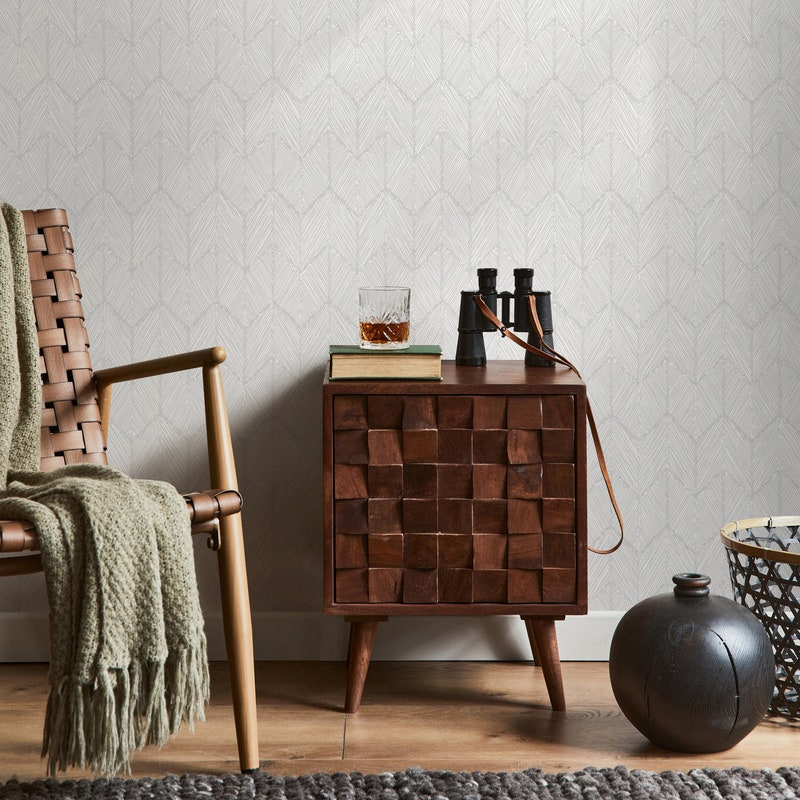
Consider the seating area of a living room as a micro-ecosystem. If the sofa is upholstered in a tight, flat-woven polyester, it immediately demands a counterweight. Tossing a heavy mohair throw blanket and a pair of velvet or heavy linen lumbar pillows across the cushions introduces immediate plushness. Below, anchoring the seating arrangement with a hand-knotted wool rug provides a dense, fibrous footing that absorbs sound and grounds the furniture. Directly adjacent, a travertine coffee table introduces porous, cold stone into the mix, while a slim iron-framed floor lamp adds a touch of industrial linearity.
The mistake many amateurs make is relying on a single texture family throughout an entire zone. A room filled exclusively with soft, fuzzy items—boucle chairs, shag rugs, velvet drapes, and chenille cushions—feels heavy, claustrophobic, and dated. Conversely, an apartment dominated by leather, chrome, and glass feels like a bachelor pad stuck in a perpetual time loop. The magic lives in the tension between the soft and the rigid. A sleek leather armchair looks infinitely more inviting when paired with a chunky knit ottoman and a raw-edge oak side table.
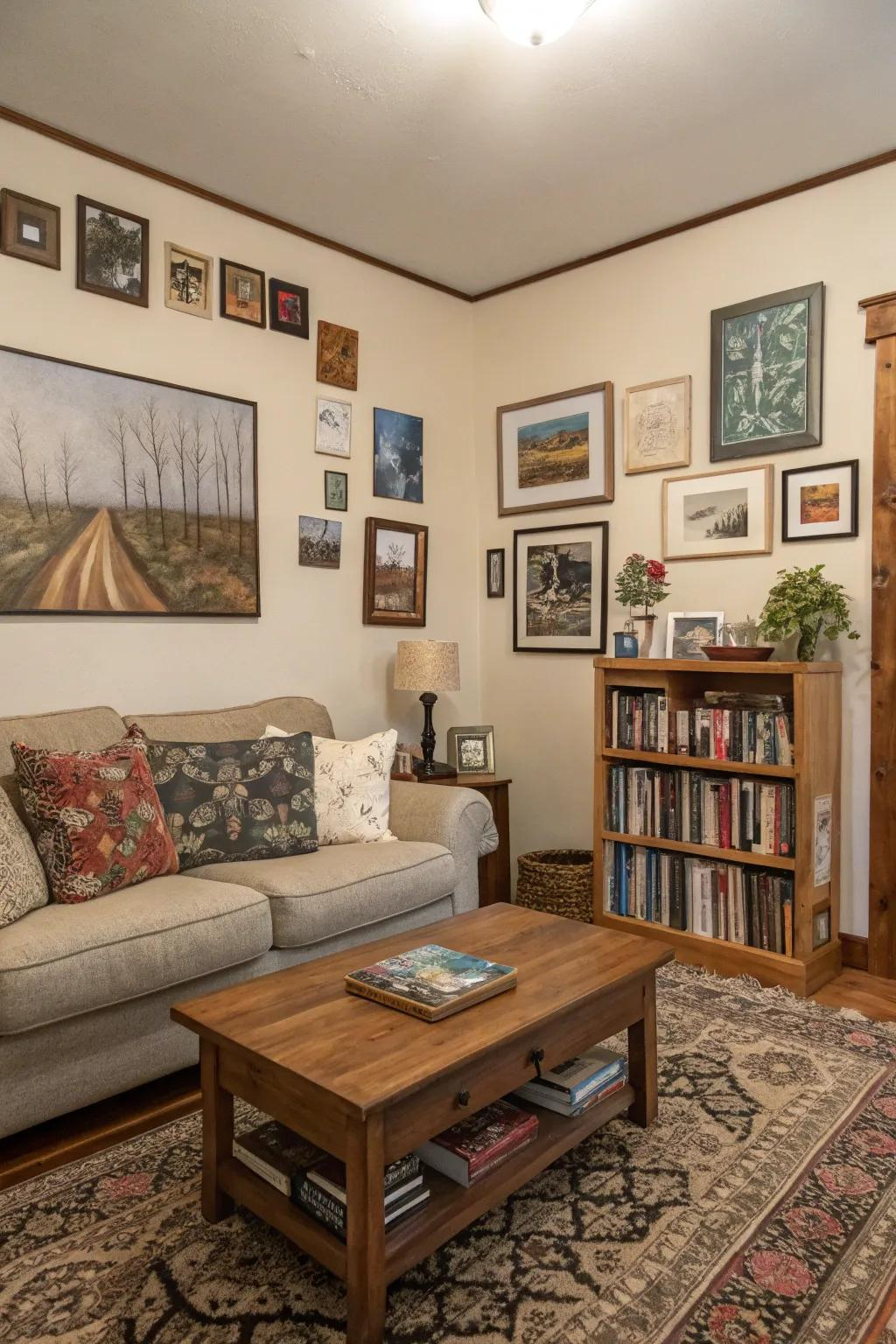
Proportion and scale also dictate how textures interact. Large-scale textures, such as a massive stone fireplace or heavy ceiling beams, command visual weight and serve as the architectural anchors of a room. Medium-scale textures, like upholstered furniture and wooden casegoods, fill out the mid-ground. Small-scale textures—ceramic decor, woven baskets, books, and brushed hardware—provide the micro-details that reward closer inspection. Balancing these three tiers prevents a room from feeling chaotic or overly uniform.
The Masterclass Blueprint for Layering Textures at Home
Transforming a flat, lifeless room into a rich, multi-dimensional space does not require a gut renovation. By following a structured, methodical approach, you can systematically inject tactile warmth into any contemporary interior.
- Step 1 (Audit Your Vertical Surfaces): Strip away your reliance on paint color and evaluate your walls and ceilings. Introduce tactile wall treatments like limewash, Roman clay, or subtle wood slat paneling to create an instant architectural envelope that absorbs light and adds subterranean depth before a single piece of furniture enters the room.
- Step 2 (Anchor the Floors with Fiber): Bare hardwood or polished concrete floors can echo sound and feel harsh underfoot. Layer a high-pile wool or natural jute rug beneath your main furniture groupings. For ultimate designer polish, consider layering a smaller, vintage patterned kilim over a larger, neutral jute base rug.
- Step 3 (Mix Upholstery and Soft Goods): Audit your seating and bedding. Ensure that no two primary textiles match in weave. If your sofa is smooth velvet, pair it with structured linen drapery and chunky, hand-loomed wool cushions. Vary the density of your soft furnishings to create tactile friction.
- Step 4 (Incorporate Raw and Refined Woods): Purge matching furniture sets entirely. Combine pieces featuring vastly different wood grains and finishes—pair a blackened steel and reclaimed elm dining table with smooth, walnut-veneered chairs and a raw oak sideboard to introduce organic variation.
- Step 5 (Style with Living, Imperfect Objects): Finish the space with small-scale artisanal elements. Add hand-thrown ceramic vases with visible throwing rings, unlacquered brass candlesticks that develop a natural patina over time, and books with textured cloth spines to invite tactile engagement on every tabletop.
Navigating the Trapdoors of Over-Texturing
While texture layering is the ultimate antidote to sterile design, enthusiasm can quickly curdle into chaos if left unchecked. One of the most common pitfalls is visual noise. When every single surface screams for attention—a heavily textured stone wall competing with a distressed cowhide rug, fringe-heavy pillows, and distressed metal furniture—the room ceases to feel calming and instead induces visual anxiety. The human eye desperately needs resting places, or "negative space," to process the richness around it.
Another frequent misstep is ignoring the practical realities of high-maintenance materials. A bouclé armchair or a porous travertine coffee table looks magnificent in a staging portfolio, but if you have toddlers, pets, or a penchant for red wine, certain ultra-textured surfaces become a maintenance nightmare. Unsealed limestone stains instantly; ultra-coop loops on rugs pull and fray under cat claws. True professional design marries aesthetic ambition with functional longevity, selecting performance-grade woven fabrics and sealed natural stones that mimic raw textures without sacrificing durability.
Color palette dissonance can also derail an otherwise solid texture scheme. When you strip away bold colors and rely heavily on tactile contrast, every tone must work in harmony. Mixing cool-toned grays with warm, yellow-based oaks and stark blue-whites can create a jarring visual friction that feels accidental rather than curated. Always test your material swatches under both natural daylight and your specific evening lighting setup to ensure the undertones cooperate.
Overcrowding is the final frontier of failure. Layering does not mean accumulation. Stacking twenty decorative pillows on a sectional or filling every shelf with knick-knacks destroys the breathing room of a space. Every texture added to a room must earn its keep, either by shifting the play of light, offering a contrasting touch point, or anchoring an otherwise floating furniture arrangement.
- Pitfall 1 (Visual Clutter and Overload): Mixing too many competing heavy patterns and raw textures without rest stops. Workaround: Establish one hero textured element per zone—such as a lime-washed feature wall or a monolithic stone table—and support it with quiet, subtle secondary textures.
- Pitfall 2 (Impractical Material Selection): Choosing delicate, unsealed, or high-shag materials in high-traffic family zones. Workaround: Opt for high-performance textured weaves, outdoor-grade bouclés, and honed, sealed stones that offer tactile authenticity with cleanability.
- Pitfall 3 (Monochrome Undertone Clashes): Combining mismatched warm and cool neutrals that fight each other under domestic lighting. Workaround: Curate all tactile samples on a single board under natural light before purchasing to verify undertone alignment.
- Pitfall 4 (Lack of Scale Variation): Relying solely on fine-grain or macro-scale textures, resulting in a flat or disjointed feel. Workaround: Balance heavy architectural elements with medium upholstery weaves and fine tabletop ceramics to hit all three scaling tiers.
- Pitfall 5 (The Museum Trap): Treating the room as an untouchable installation rather than a lived-in home. Workaround: Prioritize touchable comfort by ensuring soft blankets, approachable woods, and inviting seating arrangements are genuinely usable.
The Longevity and Economic Value of Tactile Design
Investing in texture layering is not merely an aesthetic whim; it is an intelligent, long-term design strategy that protects your home from the tyranny of fast-furniture micro-trends. Rooms built purely on fast-moving color trends or fleeting stylistic fads age poorly, requiring constant overhauls every few years as tastes shift. In contrast, a home rooted in rich materiality—authentic stone, solid timber, heavy linens, and artisanal ceramics—possesses a timeless gravity. These materials age gracefully, developing patinas that tell the story of the home.
From an economic perspective, prioritizing quality textures over cheap, mass-produced decorative filler pays massive dividends. A single, solid-wood dining table with a hand-brushed finish or a custom sofa upholstered in heavy, tactile bouclé commands immediate authority and holds its structural and visual value for decades. When you build a foundation of high-end tactile surfaces, your interior becomes remarkably resilient. You can completely refresh the mood of a room simply by swapping out a lightweight linen throw for a heavy wool blanket, or changing a ceramic lamp base, without ever needing to replace major furniture investments.
Furthermore, the wellness economy has placed tactile architecture at the absolute forefront of residential real estate value. Buyers and renters instinctively respond to spaces that feel grounded, organic, and peaceful. In an era dominated by screens, digital interfaces, and artificial environments, the home is our final frontier for physical authenticity. Spaces that engage the sense of touch offer a neurological sigh of relief that modern consumers are increasingly willing to pay a premium to experience.
Sustainable design principles also align naturally with texture layering. Reclaiming old timbers, sourcing vintage rugs, and utilizing local artisan pottery not only infuses a contemporary space with irreplaceable character but also dramatically reduces the carbon footprint associated with flat-pack manufacturing cycles. Sustainability in interior design is no longer just about energy efficiency; it is about material honesty and longevity.
Blueprint for Timeless Interiors Through Tactile Mastery
Creating a contemporary space that resonates deeply requires a deliberate departure from the glossy, two-dimensional design standards of the past. By understanding how light interacts with microscopic surface variations, you unlock the ability to engineer rooms that feel expansive yet intimate, modern yet deeply rooted in human history. Texture is the bridge between visual restraint and emotional warmth.
Start small if necessary, but commit to the philosophy of contrast. Trade out one flat, synthetic cushion for a heavy wool knit. Replace a glossy laminate tray with a carved wooden bowl. Introduce a woven rattan accent chair or drape a sheer, raw linen curtain across a harsh window frame. Pay attention to how your home feels beneath your fingertips, not just how it looks through a camera lens.
Your home should be an active participant in your daily well-being, offering a sensory refuge from the relentless smoothness of the digital world. By curating a thoughtful dialogue of rough and smooth, matte and reflective, rigid and soft, you transform a house of four walls into a dynamic, multi-dimensional sanctuary that welcomes you home every single day.
The evolution of contemporary interior design is ultimately a return to our most fundamental human instincts. As architectural technology advances and our daily lives become increasingly digitized, our homes must act as the ultimate physical anchor. We do not need more visual noise, louder colors, or slicker surfaces; we need environments that invite us to slow down, reach out, and physically connect with our surroundings.
Layering textures is not a passing design trend to be adopted and discarded next season. It is a foundational design philosophy that honors how we experience space through all five senses. By embracing the tactile irregularities of the natural world and orchestrating materials with intention, you create a home that is truly alive—one that evolves with you, ages with grace, and never stops feeling like a sanctuary.